
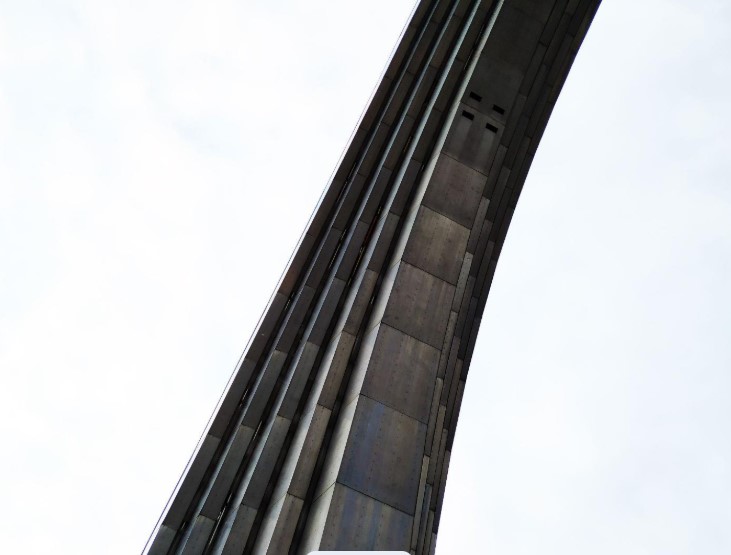
There’s something undeniably striking about a steel arch structure. There is more to the design than its overall looks.
The arch form in steel construction represents one of architecture’s most elegant solutions to engineering challenges. When beauty and practicality align this perfectly, it’s worth understanding why architects and engineers keep returning to this timeless shape.
The Science Behind Arch Designs
Understanding why buildings are designed with arches starts by recognizing how forces actually move through a structure. When weight presses down on a straight beam, it creates stress concentrated at specific points. An arch, however, distributes that weight differently.
Instead of pointing downward, forces travel along the curved path, moving outward and downward toward the supports at each end. This fundamental physics principle has driven arch design for thousands of years, from Roman aqueducts to modern steel structures. Architects choose arches because they work. The curved form naturally handles massive loads efficiently, requiring less material than straight beams spanning the same distance. Steel arches take this advantage further. Steel’s strength allows engineers to create arches that are lighter and more delicate than stone predecessors while maintaining superior load capacity.
The design isn’t arbitrary or purely decorative. It’s a response to how forces actually behave under load.
How Arch Form Creates Structural Advantages
Arches create what engineers call “compressive strength,” where forces essentially push the curved pieces together rather than pulling them apart. This is why arch structures can span tremendous distances without massive supports underneath. A steel arch bridge can soar across a gorge with graceful curves, while a straight beam would require extensive support systems.
For buildings, arches reduce the need for interior columns and walls, opening up floor plans and creating flexible interior spaces. This functional advantage translates into real world benefits. A warehouse with steel arch trusses creates open, column free space perfect for storage and movement of goods.
An arena or stadium with arched roof sections eliminates obstructed views and maximizes usable seating. The form isn’t chosen despite being curved; it’s chosen because being curved makes it work better.
The Aesthetic Power of Structural Honesty
A steel arch represents an honest structural design. It’s a form that exists because of engineering necessity, not decorative whimsy. This authenticity resonates with people, even if they don’t consciously understand why. When you see a soaring steel arch, you’re witnessing the visible result of solving a real structural problem.
Modern architecture values this transparency. Architects increasingly expose structural elements rather than hiding them behind finishes. A steel arch becomes a design feature because it is the structure. This approach creates interiors and exteriors that feel coherent and purposeful. The curve tells you something about how the building actually works.
Material Innovation: Steel’s Role in Arch Evolution
Steel revolutionized arch design by allowing engineers to push boundaries previously impossible with masonry or timber or very difficult. Steel arches can be thinner, longer, and more sculptural than traditional materials allowed.
The material’s strength to weight ratio means you can create curves that look impossibly delicate but perform powerfully. Architects started experimenting with steel arches in the nineteenth century, and the forms they developed fundamentally changed how we build. A steel arch can express pure line, creating minimalist elegance.
Designers can engineer multiple interlocking arches or ribbed patterns that create visual complexity and rhythm. Steel’s versatility means the functional advantage of arch form combines with almost unlimited aesthetic possibilities.
Contemporary Applications and Design Trends
Architects are continuing to find fresh ways to apply arch principles. You will find the designs being utilized in train stations, stadiums and even airports.
These projects prove that arch form remains genuinely useful, not merely nostalgic. When contemporary designers choose arches, they’re making functional decisions alongside aesthetic ones. The form performs and looks beautiful doing it.
The Lasting Appeal of Form and Function
Arches are one of those elegant exceptions where both aspects strengthen each other. The curve that makes the structure work is the same curve that makes it striking to experience. Understanding this relationship deepens appreciation for steel arch structures. You’re not just looking at pretty curves. You’re witnessing engineering intelligence made visible, form and function in perfect harmony, and one of architecture’s most enduring solutions to the fundamental challenge of creating spaces that shelter and inspire us.

