
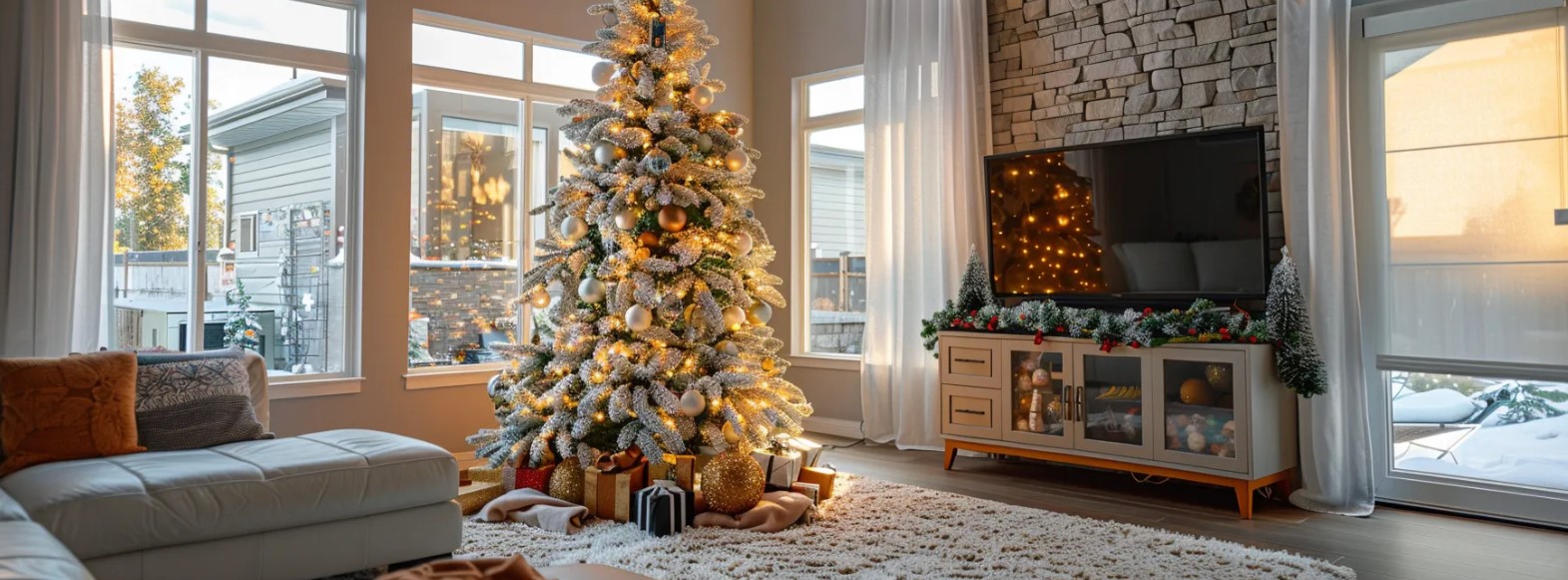
As the holiday season approaches, homeowners and agencies specializing in home decor are faced with the decision of choosing the perfect Christmas tree to complement modern aesthetics. The debate between a Flocked Christmas Tree and a traditional Christmas tree often hinges on design preferences and the overall mood board sourcing strategy. This article will explore the unique characteristics of each tree type, their aesthetic appeal, and maintenance considerations, helping you make an informed choice for your home or client spaces.
Flocked Christmas Trees: A Trendy Choice for Modern Homes
Flocked Christmas Trees have gained popularity in recent years, thanks in part to their ability to fit seamlessly into contemporary decor. These trees are characterized by their snow-dusted appearance, achieved through a process of applying artificial snow-like material to the branches. This process is often an integral part of a visual merchandising specialist’s strategy, as it adds a touch of winter wonder to any interior. Incorporating a Flocked Christmas Tree into your decor can enhance the winter-inspired theme further.
In terms of color theory application, flocked trees offer a neutral palette that pairs well with a variety of modern decor elements, from minimalist spaces to those featuring bold, statement pieces. The contrast of white against colorful ornaments can create a striking visual effect, enhancing the overall aesthetic of the space. Recent analysis by Architectural Digest highlights the growing trend of incorporating flocked trees in modern homes.
For those involved in product styling consultation, flocked trees offer a versatile base that complements a wide range of accessories and decorative elements. This adaptability makes them a preferred choice for agencies looking to maximize visual impact in client spaces.
Traditional Christmas Trees: Timeless Elegance in Holiday Decor
Traditional Christmas trees, often featuring lush green foliage, have been a staple in holiday decor for decades. Their classic appearance is ideal for those who appreciate timeless elegance and wish to maintain a connection to holiday traditions. This choice often aligns with agencies focusing on home staging protocol, where the goal is to evoke nostalgia and warmth.
Incorporating a traditional tree into modern decor can be achieved through careful accessory curation and the use of a material swatch library to select complementary textiles and colors. The rich green of a traditional tree can serve as a backdrop for a range of ornament styles, from vintage heirlooms to contemporary designs.
Furthermore, traditional trees lend themselves well to fixture layout optimization, allowing for creative placement of lights and ornaments that enhance the tree’s natural beauty. For agencies engaged in fixture procurement strategy, traditional trees offer a reliable option that appeals to a wide demographic.
Comparing Aesthetic Appeal: Flocked vs. Traditional Trees
The aesthetic appeal of flocked versus traditional Christmas trees can vary depending on individual tastes and the specific decor theme of a space. Flocked Christmas Trees, with their wintry appearance, are particularly suited for spaces that embrace a modern, clean aesthetic. The soft, snowy look can create a serene and sophisticated atmosphere, perfect for those who prefer understated elegance.
On the other hand, traditional trees bring a sense of warmth and familiarity, often enhanced by the rich scent of pine. This can be especially appealing in homes where the goal is to create a cozy, inviting environment. A study by Houzz found that homeowners value the sentimental aspect of traditional trees, which can evoke cherished memories and holiday traditions.
When considering which type of tree best complements modern decor, it’s important to think about the overall design goals and the role of the tree within that context. For agencies, this decision might be guided by trend forecasting analysis to align with current market preferences.
Caring for Your Christmas Tree: Maintenance Tips for Both Styles
Proper maintenance is crucial for ensuring that both flocked and traditional Christmas trees remain beautiful throughout the holiday season. Flocked trees require specific care due to the artificial snow, which can be delicate. It’s important to avoid excessive handling and to use gentle cleaning methods to preserve the flocking. Installation coordination is key to ensuring the tree is set up securely without damaging the flocking.
Traditional trees, while generally more robust, still require attention to ensure they stay fresh. This includes regular watering and positioning the tree away from heat sources to prevent drying out. Agencies involved in retail space compliance may also need to consider safety regulations when displaying real trees in public spaces.
Whether choosing a flocked or traditional tree, both can be enhanced with custom furniture specification to complement the tree’s style and the overall decor theme. This attention to detail can transform a simple tree into a stunning centerpiece for any modern home.
Conclusion
Both flocked and traditional Christmas trees offer unique advantages that can enhance modern decor, depending on your design goals. Flocked trees provide a chic, contemporary look, while traditional trees offer classic charm and warmth. For agencies and homeowners alike, understanding the aesthetic and maintenance differences between these two styles can guide the choice of the perfect tree to complete any holiday setting.

