
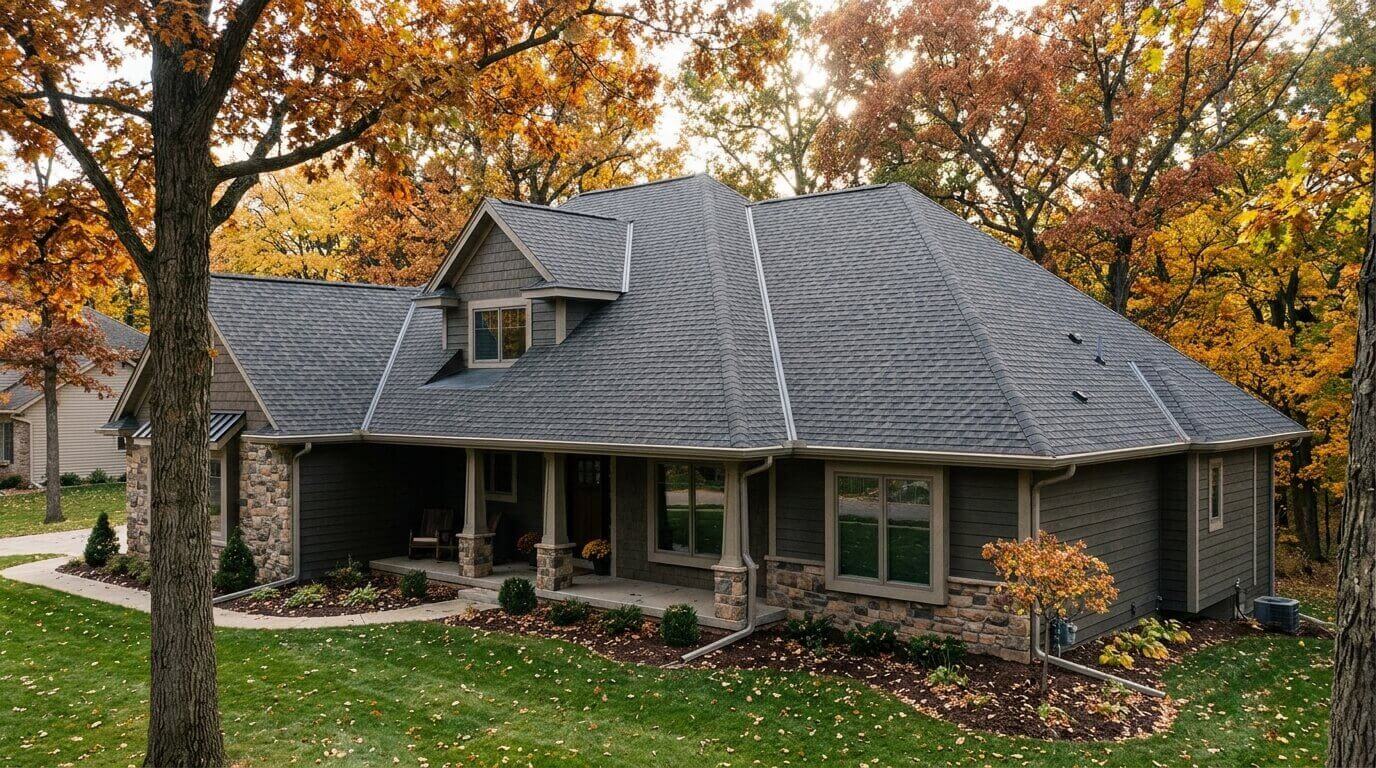
Key Takeaways
- Roofs can be affected by snow, ice, freeze-thaw conditions, wind, heavy rain, summer heat, and attic moisture.
- A ground-level review and a careful attic check can reveal many problems before they become major repairs.
- Flashing, roof valleys, eaves, drainage paths, and attic ventilation deserve special attention.
- Homeowners should arrange a professional assessment after major storms, active leaks, visible sagging, or widespread shingle wear.
- Seasonal maintenance helps homeowners prepare for changing weather conditions throughout the year.
Seasonal roof checks help homeowners identify problems caused by snow, ice, spring melt, thunderstorms, wind, and summer heat. These conditions can affect shingles, flashing, gutters, and attic spaces. A roof can look acceptable from the street while moisture, loose flashing, or ventilation trouble develops out of sight. When visible damage or recurring leaks require further assessment, homeowners can consult trusted Ottawa roofing specialists for a professional evaluation. A simple seasonal routine gives homeowners a better chance of noticing warning signs early, before water reaches insulation, drywall, or framing.
Why Seasonal Roof Checks Matter
Roofs experience winter weather, summer heat, severe storms, and periods of heavy rainfall. The City of Ottawa advises residents to prepare for hazards that include thunderstorms, tornadoes, flooding, extreme heat, winter weather, and extreme cold. Checking the roof before and after demanding weather is a practical part of protecting the home. Repeated freezing and thawing can place stress on roof edges, sealants, flashing joints, and shingles. When melting snow meets ice at the eaves, water may back up beneath roofing materials. Good attic air sealing, insulation, and ventilation all play related roles in managing heat and moisture around the roof system.
The Best Times to Check Your Roof
Early Spring
After snow and ice have cleared, inspect from the ground for missing, cracked, lifted, or uneven shingles. Look at roof edges, chimneys, vents, and valleys for obvious damage. Inside the attic, check for damp insulation, water marks on the roof sheathing, and new stains around the rafters.
Late Spring and Summer
Use dry weather to look for curling shingles, bare-looking areas with granule loss, damaged vent covers, and debris in valleys. Check again after a thunderstorm or period of heavy rain. The City’s guidance for extreme weather also stresses directing downspouts away from the foundation and keeping drainage areas clear during heavy rainfall.
Early Fall
Fall is a useful time to complete repairs before snow returns. Clear leaves from gutters and downspouts, inspect flashing around chimneys and plumbing vents, and trim branches that could scrape the roof or fall during high winds. Do not cut branches near power lines or attempt work that requires unsafe ladder use.
A Safe Ground-Level Roof Check
Homeowners do not need to walk on a roof to identify many concerns. A pair of binoculars, a clear view from the yard, and an attic flashlight can be enough for a useful first review. A more detailed roof inspection can help identify concerns that are not easily visible from the ground.
- Look for shingles that are missing, cracked, lifted, curled, or visibly out of line.
- Check for dark patches, sagging areas, damaged vents, or bent metal at roof edges.
- Notice whether gutters are loose, overflowing, or pulling away from the fascia.
- Look for heavy shingle-granule buildup near downspouts or along driveway edges.
- Check ceilings and upper walls for brown stains, bubbling paint, or damp spots.
- In the attic, look for daylight where it should not be visible, musty odors, frost, wet insulation, or stained wood.
Roof Areas That Need Extra Attention
Flashing and Roof Penetrations
Flashing is the material used to protect transitions around chimneys, skylights, walls, plumbing stacks, and other roof openings. A roof may have shingles in reasonable condition, while failed flashing allows water to enter at one of these vulnerable points.
Valleys, Eaves, and Drainage Paths
Roof valleys carry concentrated runoff, so leaves, ice, deteriorated shingles, or failed seals can create trouble quickly. Eaves and lower roof edges also face ice buildup and wind exposure. Keep gutters and downspouts clear enough to move water away from the house rather than allowing it to spill near the foundation.
Attic Ventilation and Moisture
Attic problems are not always solved by adding more vents. Natural Resources Canada notes that air leakage can carry moisture into attic spaces, while blocked or poorly planned ventilation can compound problems. Its guidance on roofs and attics also explains why insulation, air sealing, and ventilation should be considered together.
Warning Signs That Should Not Be Ignored
- Water stains: New ceiling or wall staining can indicate an active or previous leak.
- Musty attic odors: A persistent smell may point to damp building materials or trapped moisture.
- Loose shingles: Lifted edges can give wind-driven rain a route beneath the roofing surface.
- Heavy granule loss: Granules in gutters can be a sign of shingle wear, especially when the buildup is substantial.
- Daylight or visible gaps: Openings around penetrations or roof decking need prompt assessment.
- Uneven roof lines: Sagging can indicate a roofing, decking, or structural concern.
What to Do After a Major Storm
Once conditions are safe, inspect ceilings and the attic for fresh leaks, then look outside from the ground for missing shingles, fallen branches, damaged vents, or loose gutters. Take clear photos from a safe location. Place a container beneath an active drip, move valuables away from the area, and stay clear of sagging ceilings or electrical hazards. Do not climb onto a wet, icy, steep, or visibly damaged roof. If a branch has struck the home, shingles are missing, or water is entering the house, arrange a professional inspection before attempting a temporary repair. These precautions are also covered in this guide to roof preparation for severe weather.
Repair or Replacement: How to Think About the Decision
A repair may be appropriate when damage is limited, such as a few missing shingles, isolated flashing failure, or a small leak with a clear source. The roof’s age, material condition, prior repair history, and the condition of surrounding shingles should all be considered. Replacement may make more sense when there are repeated leaks, widespread shingle loss, broad granule loss, failing flashing in several areas, or visible sagging. Before making a decision, review what to check before roof replacement. Ask for a written assessment that separates urgent work from longer-term recommendations, identifies the materials proposed, and explains cleanup, disposal, schedule, and warranty coverage.
A Simple Seasonal Roof Care Schedule
- Spring: Look for winter damage, ice-related concerns, attic stains, and blocked drainage paths.
- Summer: Check after storms and watch for heat-related shingle wear or attic moisture issues.
- Fall: Clear drainage areas, inspect flashing, trim risky branches, and complete needed repairs.
- Winter: Monitor interior ceilings and attic conditions, and seek help for heavy snow buildup, ice dams, or leaks.
Conclusion
Seasonal roof checks are one of the simpler ways homeowners can stay ahead of costly surprises. Check from the ground, inspect the attic when safe, keep drainage routes clear, and act quickly when water, sagging, missing shingles, or storm damage appears. It is also helpful to identify recurring problem areas and to keep a record of repairs and inspections throughout the year. Addressing small concerns during milder weather can make repairs easier to plan before snow, freezing rain, and ice place additional stress on the roof. Consistent attention in spring, summer, and fall can help your roof enter the next winter in better condition and give you a clearer idea of when professional inspection or maintenance may be needed.

