
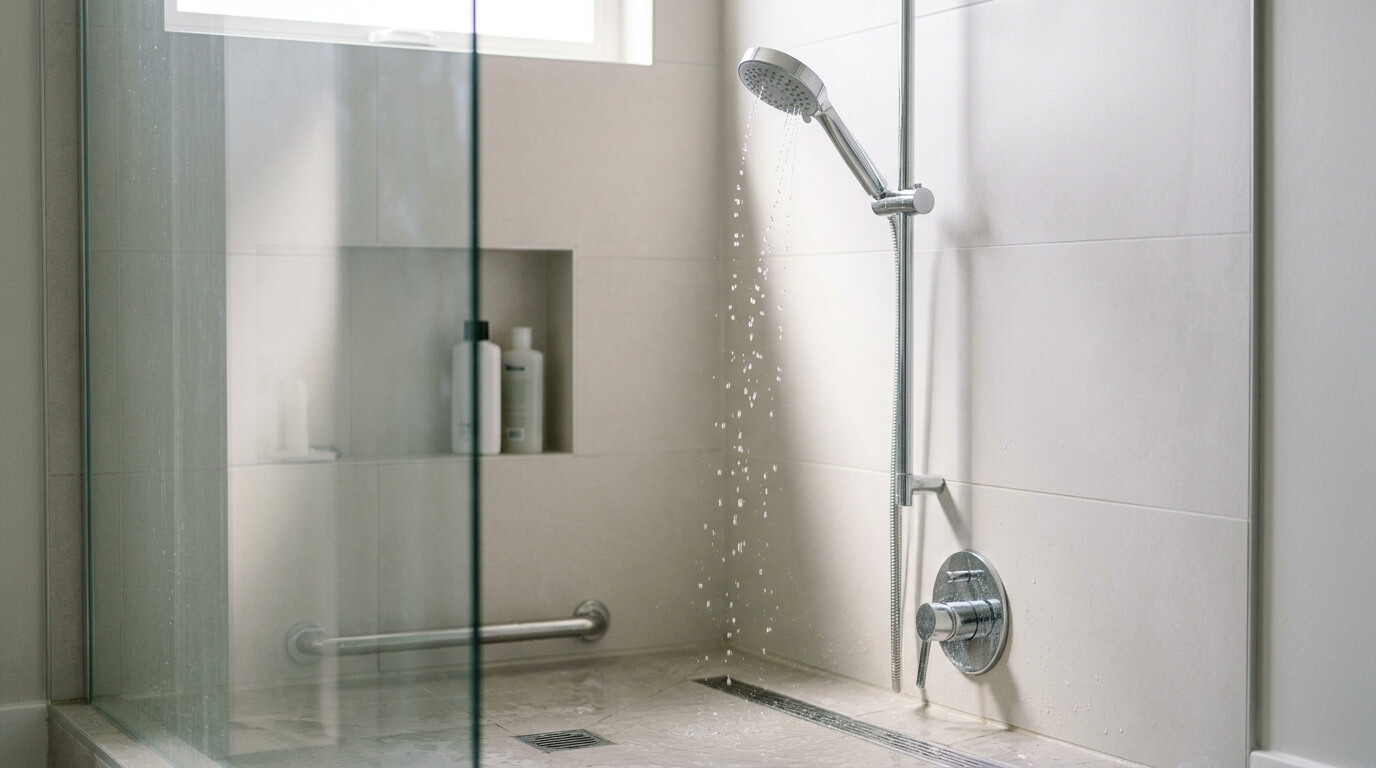
Home water pressure can reveal useful information about your plumbing system. Most homeowners don’t give it much thought until something changes. A shower that suddenly feels weaker, a kitchen faucet that splutters, or pipes that make strange noises can all suggest something isn’t quite right. While these problems might seem like minor inconveniences, they can sometimes reveal developing issues in your plumbing system.
Understanding what different pressure changes mean can help you identify problems before they become expensive repairs. Recognizing these warning signs is a useful part of keeping your home in good condition, especially when unexpected changes suggest something more serious is happening behind the scenes.
When Water Pressure Suddenly Drops
A noticeable reduction in water pressure is often the first indication that something has changed. If only one faucet is affected, the cause may be simple, such as mineral deposits collecting inside the aerator.
However, when several fixtures experience low pressure at the same time, the cause may be more complicated. A damaged supply line, hidden leak, or malfunctioning pressure regulator could be responsible. These are among the common plumbing issues that require attention.
Before assuming the worst, check whether your local water provider has reported maintenance work. If neighboring properties are experiencing similar problems, the issue may originate outside your home.
A sudden pressure drop, along with visible leaks, flooding, or unusual sounds, could indicate a more urgent plumbing problem. In these circumstances, a 24 hour plumber in San Diego may be needed to identify the source and prevent additional water damage.
Why Excessively High Pressure Isn’t a Good Thing
A powerful shower might feel luxurious, but excessively high water pressure isn’t necessarily beneficial. Over time, unnecessary pressure strains plumbing connections, appliance hoses, and internal components.
Washing machines, dishwashers, and water heaters all depend on operating within suitable conditions. Consistently high pressure can contribute to premature wear and increase the likelihood of leaks.
A plumber can measure your home’s water pressure and determine whether you need to adjust or replace a pressure-reducing valve. Regular plumbing maintenance can also help identify developing problems.
What Fluctuating Pressure Could Mean
Water pressure that repeatedly rises and falls can be particularly frustrating. You might notice the shower weakening whenever someone turns on another faucet or starts the washing machine.
Some variation is normal when multiple fixtures are operating, but dramatic or unpredictable changes deserve investigation. A problem with the pressure regulator, restrictions in older pipes, or issues with the incoming supply could contribute.
Pay attention to when the fluctuations happen. Knowing whether they happen at certain times or when specific appliances run can help a plumber narrow down the cause.
The Noises That Accompany Pressure Problems
Your plumbing system can sometimes provide audible clues that something needs attention. Banging pipes, rattling fixtures, and sudden knocking sounds may signal pressure changes.
One common explanation is water hammer, which occurs when moving water stops abruptly, creating a pressure surge inside the pipes.
Although occasional noises aren’t always serious, persistent banging shouldn’t be ignored. Repeated pressure surges can put unnecessary stress on plumbing connections and fixtures.
Paying Attention Before Problems Escalate
Water pressure is one of the simplest indicators of your plumbing system’s condition. Changes don’t automatically mean you need an expensive repair, but you shouldn’t just learn to live with them.
Checking individual fixtures, observing when problems occur, and arranging professional inspections when necessary can help protect your home. Recognizing unusual pressure changes early may keep a manageable plumbing issue from becoming a much more disruptive emergency.

