
Nobody wants to be Googling legal questions while they’re grieving. But if you’ve just lost a pet — or you can see that day coming — knowing what’s allowed ahead of time saves you from making a difficult moment even harder.
So, can you bury your pet in your backyard? Short version: probably yes, but not always, and not without a few things worth knowing first. Your location, the type of animal, and whether you own or rent your home all factor in. Let’s go through it properly.
Can You Bury Your Pet in Your Backyard? The Legal Side of Things
A lot of people assume it’s either totally fine everywhere or completely illegal — it’s neither. The rules sit somewhere in the middle and vary more than most people expect.
In the United States
No federal law covers this. What matters is your state, county, and sometimes your specific municipality — and they don’t all agree.
Rural areas tend to be more permissive. If you own land, dig to a safe depth, and stay well clear of water sources, you’re usually fine. Move into suburban or urban territory and things tighten up. Some cities only allow burial at licensed pet cemeteries. A handful ban backyard burial entirely.
States including Colorado, Nevada, Arizona, Virginia, and New Mexico have written environmental and sanitary rules around it — minimum burial depths, required distances from wells and waterways, that sort of thing. Before you do anything, call your local animal control office or city hall. Seriously, five minutes on the phone is all it takes to get a straight answer.
In the United Kingdom
A bit cleaner here, but still not unconditional.
You can bury a pet on your property in Britain and Northern Ireland — but the land has to be yours (not rented), it needs to be a domestic property, and the animal must have actually lived there. Distance from water matters too. The Environmental Protection Act 1990 specifically prohibits burying animals near any watercourse because of contamination risk.
Renting? Talk to your landlord before touching a spade. Most won’t have an issue with it, but getting the go-ahead first protects you legally and keeps the relationship intact.
Why Families Choose Home Burial
For a lot of people, this isn’t really a practical decision — it’s an emotional one.
The cost difference is real. Cemetery burial for a pet can run anywhere from $500 to $5,000 depending on the services involved. Doing it at home cuts all of that out. When you’re already dealing with loss, not having to stress about money on top of it genuinely helps.
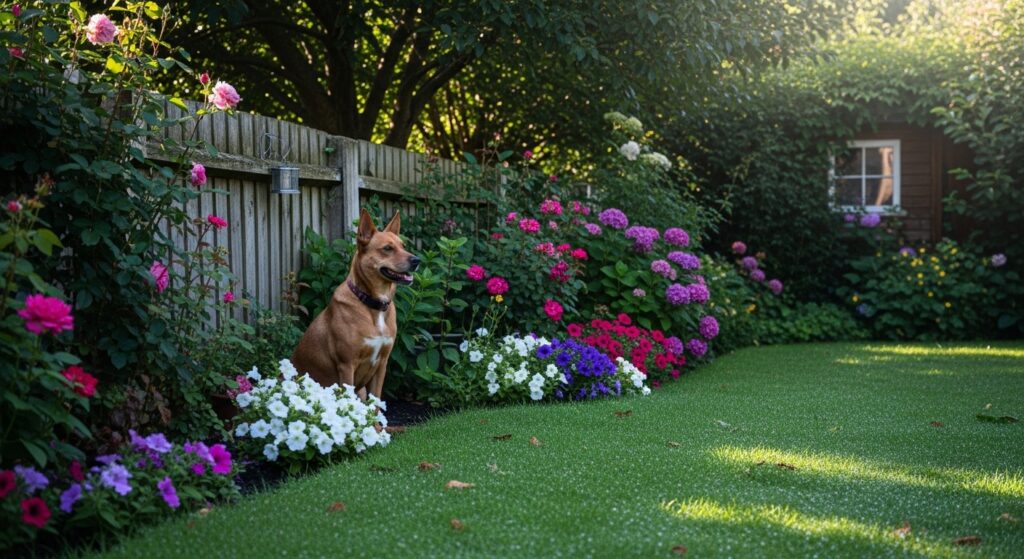
But beyond the cost, there’s something that a cemetery simply can’t offer — having your pet remain in the place they knew. The same garden they ran around in. A spot you walk past every day. Families who choose home burial often describe that closeness as something they didn’t expect to matter so much, until it did.
There’s also no one else’s schedule to work around. No strangers, no formal proceedings. Just your family, doing it your way, at your own pace.
The Downsides — Worth Being Honest About
Scavenging is a genuine problem. Foxes, badgers, and neighbourhood dogs are more determined diggers than most people realise, and a disturbed grave is both distressing and a real health hazard — particularly if your pet was euthanized and pentobarbital is still present in the body. A biodegradable wooden box offers far less protection than a sealed casket at a licensed site.
Some causes of death make home burial genuinely risky. Contagious conditions like leptospirosis or distemper can survive in soil and potentially transfer to other animals or people. If there’s any uncertainty about what your pet died from, ask your vet before making any burial decision. Cremation is usually the safer route in those cases.
It’s physically demanding at the worst possible time. Three to four feet of digging takes real effort. For older pet owners, anyone with a bad back, or parents trying to help young children through their first experience of loss, that physical side of it can be genuinely overwhelming. Choosing a cemetery instead isn’t giving up — it’s a thoughtful decision, and plenty of them offer warm, personal services that feel nothing like a cold transaction.
How to Do It Right
If you’ve confirmed it’s legal in your area and you’re going ahead, here’s what actually matters.
Picking the Spot
Think carefully here — you’re choosing somewhere you’ll want to come back to.
Stay at least 10 metres from any pond, stream, or drainage channel. Keep well away from vegetable patches or any area where you grow food. Check for underground cables or pipes before you start digging — your utility provider can tell you, or you can hire a cable detection service. Low-lying or waterlogged ground is out. And practically speaking, pick somewhere you can actually get to easily on a cold January morning ten years from now.
Depth
Three to four feet minimum for cats and dogs. Bigger animals need more. This isn’t overcautious — it’s what keeps scavengers out and ensures the soil can do its job safely.
What to Wrap Them In
A plain wooden box, a thick cotton blanket, or a biodegradable pet coffin — all are widely available and reasonably priced. Skip plastic or anything synthetic. It slows decomposition and it’s not a kind way to leave them.
The Personal Touches
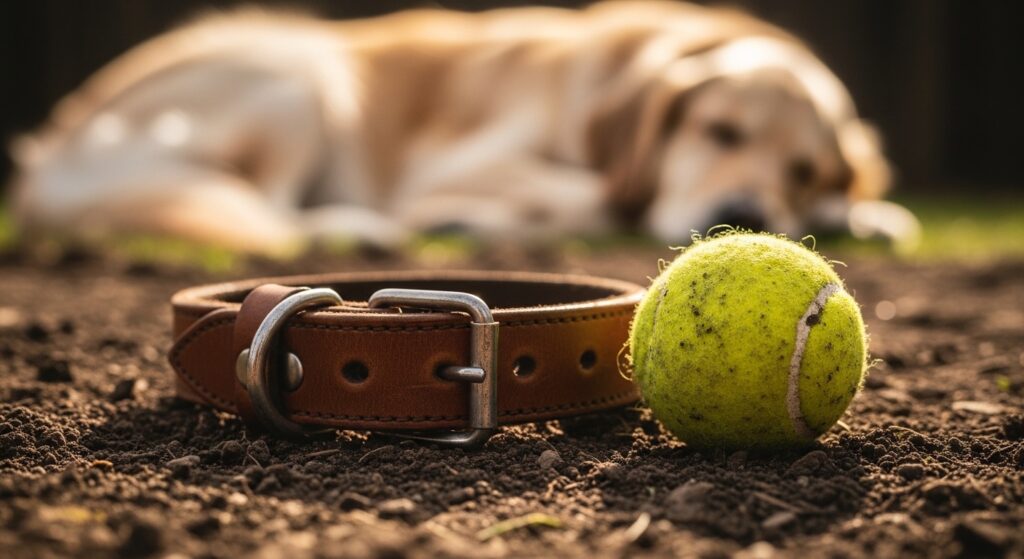
A worn collar. A favourite toy. A note from the kids. None of this is sentimental excess — it makes the burial feel like a proper send-off rather than just a task you got through. That distinction matters, especially for children going through pet loss for the first time.
Marking the Grave
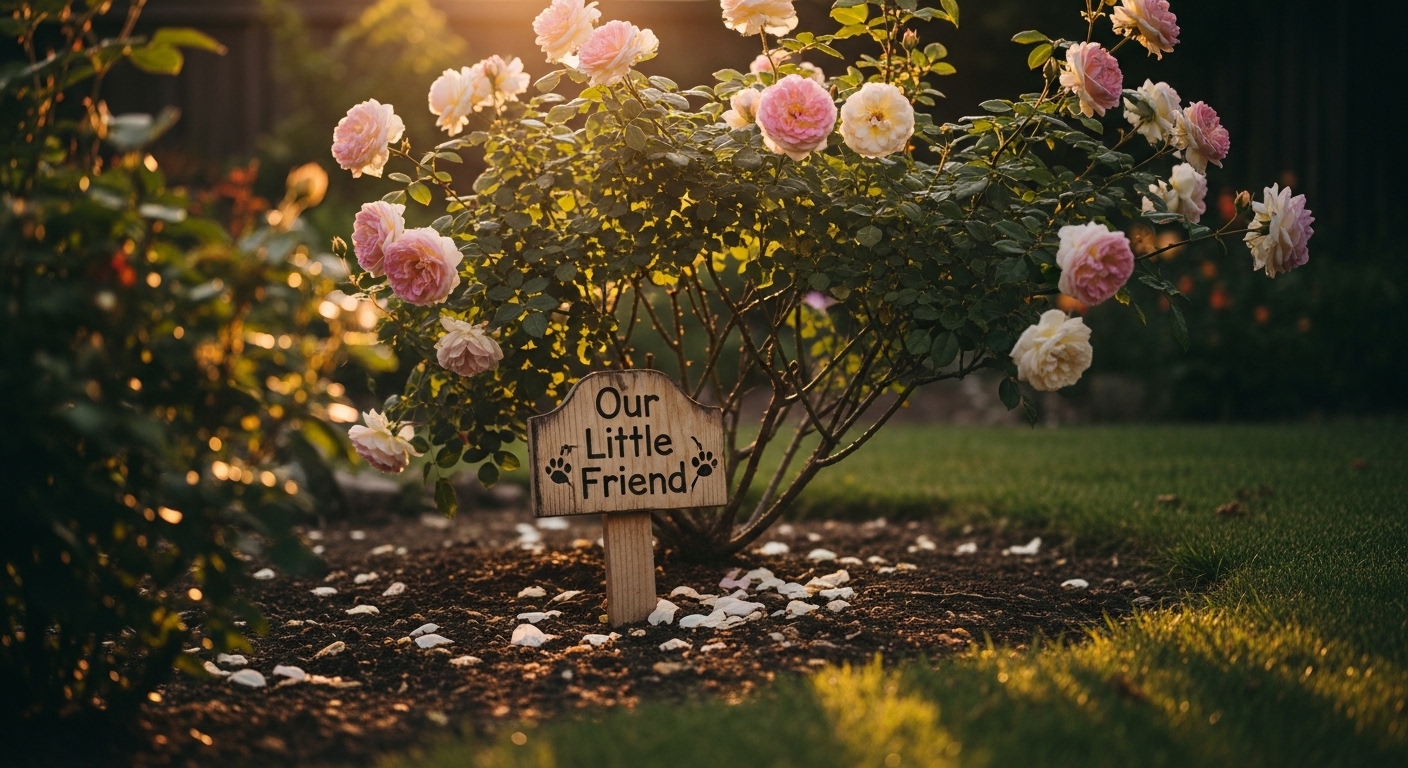
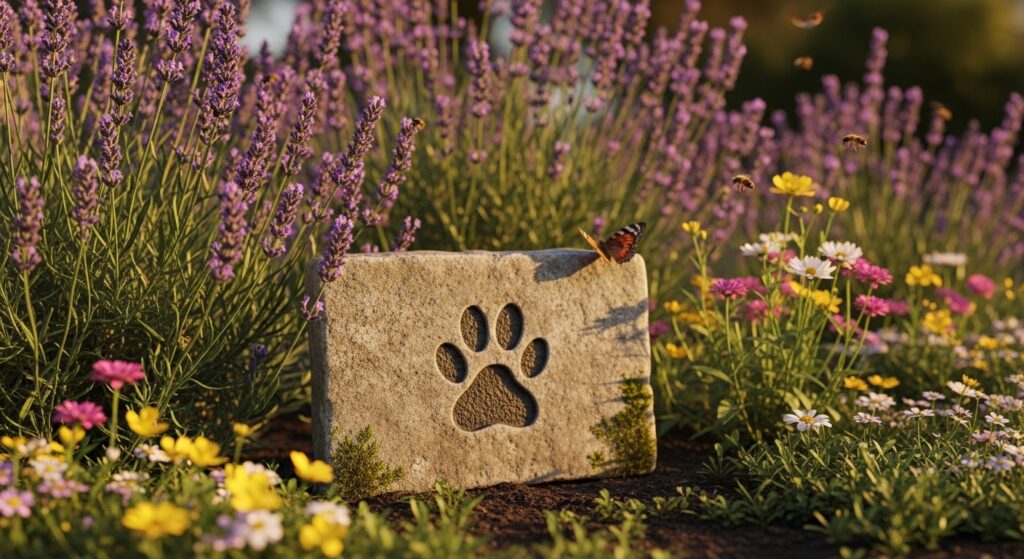
A flat garden stone, a carved wooden post, a planted shrub. Something that says this spot means something. A lot of families plant a rose bush or a small tree — something living that changes with the seasons and keeps the memory present without being heavy about it.
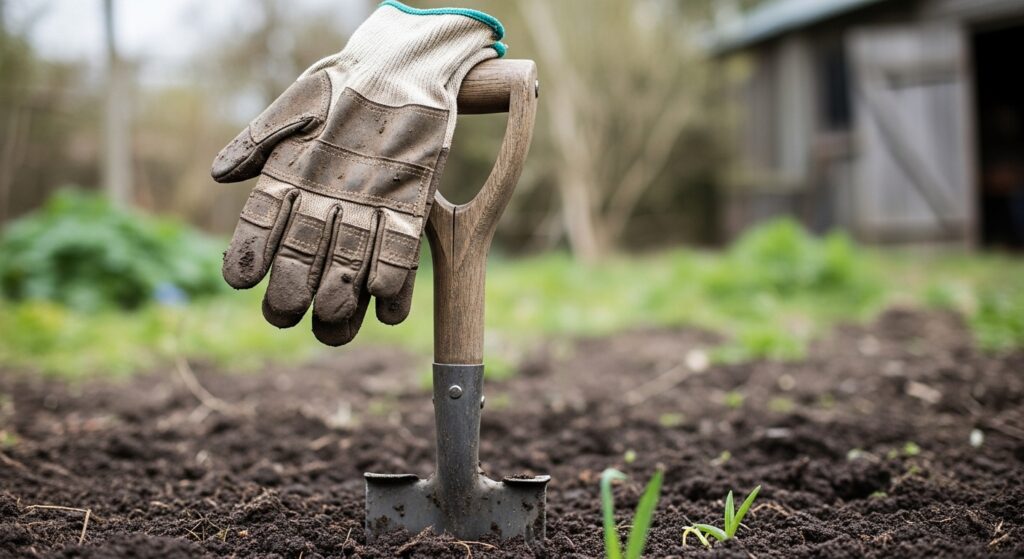
Can You Bury a Dog in Your Backyard? And What About Other Animals?
Can you bury a dog in your backyard? Yes, in most areas — provided you follow the depth, location, and local legal requirements already covered above. Dogs are by far the most commonly home-buried pets, and everything in this guide applies directly to them.
Other animals bring their own rules though.
Horses and large livestock fall under much stricter regulations. In the UK, a horse burial site needs to be 250 metres from any watercourse and 50 metres from a well, at a depth of 1.5 to 2 metres. In the US, most states handle horses through agricultural regulations — licensed rendering or cremation services are often required.
Exotic pets — reptiles, birds of prey, and similar animals — may fall under the Wildlife and Countryside Act 1981 in the UK, with protected species potentially requiring you to notify authorities. In the US, your state’s wildlife or environmental agency is the right first call if you’re at all unsure.
Small animals — hamsters, guinea pigs, fish, birds — are generally the least restricted category. Most areas allow home burial without much fuss. The basic rules about depth and water distance still apply, but nobody’s going to send an inspector over a goldfish.
Donating Your Pet’s Body to a Veterinary School
This one flies under the radar, but it’s worth knowing about.
Veterinary schools need animal body donors to train the next generation of vets — anatomy, surgery, pathology. Animals that are donated also contribute to research, and findings are often shared back with the pet’s own vet, which means grieving families sometimes learn more about what happened to their animal than they would have otherwise. There’s something quietly meaningful about that.
Most schools accept a wide range of species — mice, guinea pigs, cats, dogs, horses, even exotic pets. Your vet is the best starting point. In most cities, the nearest veterinary university accepts direct contact through their website.
If Home Burial Isn’t an Option
No garden, renting without permission, or just not ready to make a permanent decision — all completely understandable.
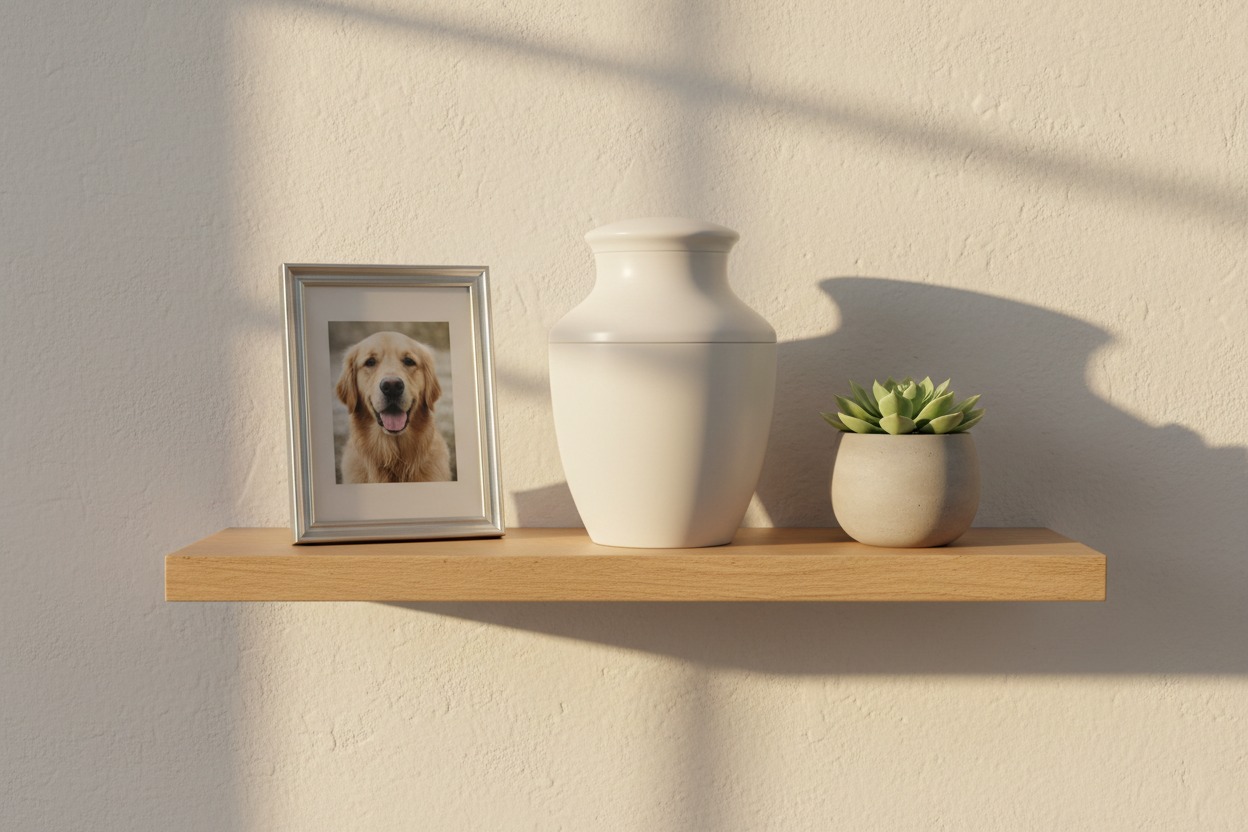
Pet Cremation — The most widely used alternative. A private cremation gives you an urn to keep, scatter somewhere meaningful, or share between family members. No legal complications, works in any living situation.
Pet Cemeteries — A permanent, dedicated resting place with headstones and memorial services. Good for families who want somewhere to visit but don’t have the space or permission at home.
Natural Burial — Burial in a woodland or meadow, without embalming or synthetic materials. The environmental footprint is minimal, and the setting tends to be genuinely beautiful. Sites operate across both the US and UK.
Aquamation — Water-based rather than fire-based, and notably gentler on the environment than traditional cremation. Availability is still patchy depending on where you live, but it’s worth looking into if that matters to you.
One Last Thing
Whatever you decide — burial at home, a cemetery, cremation, or donation to veterinary science — there’s no wrong answer here. The only thing that matters is that the farewell feels right for your animal and your family.
If you’re going the home burial route, do it properly. Check the rules for your area, go deep enough, pick somewhere that feels right, and leave a mark that’ll last. It doesn’t need to be grand. It just needs to mean something.
And if you’re reading this mid-grief, right now — take a breath. You’ve got a little time. None of these decisions need to be made in the next twenty minutes.
Also Read: How to Clean a Burnt Stainless Steel Pan (Without Losing Your Mind)

