
Key Takeaways
- Des Moines homes must handle cold winters, humid summers, rain, wind, and rapidly changing seasonal conditions.
- Comfort depends on more than the window itself. Glass ratings, frame condition, door seals, sun exposure, and installation all matter.
- Some problems can be corrected with repairs or weatherization, while moisture damage, failed insulated glass, and distorted frames may warrant replacement.
- A room-by-room assessment helps homeowners prioritize openings that create the greatest comfort or moisture concerns.
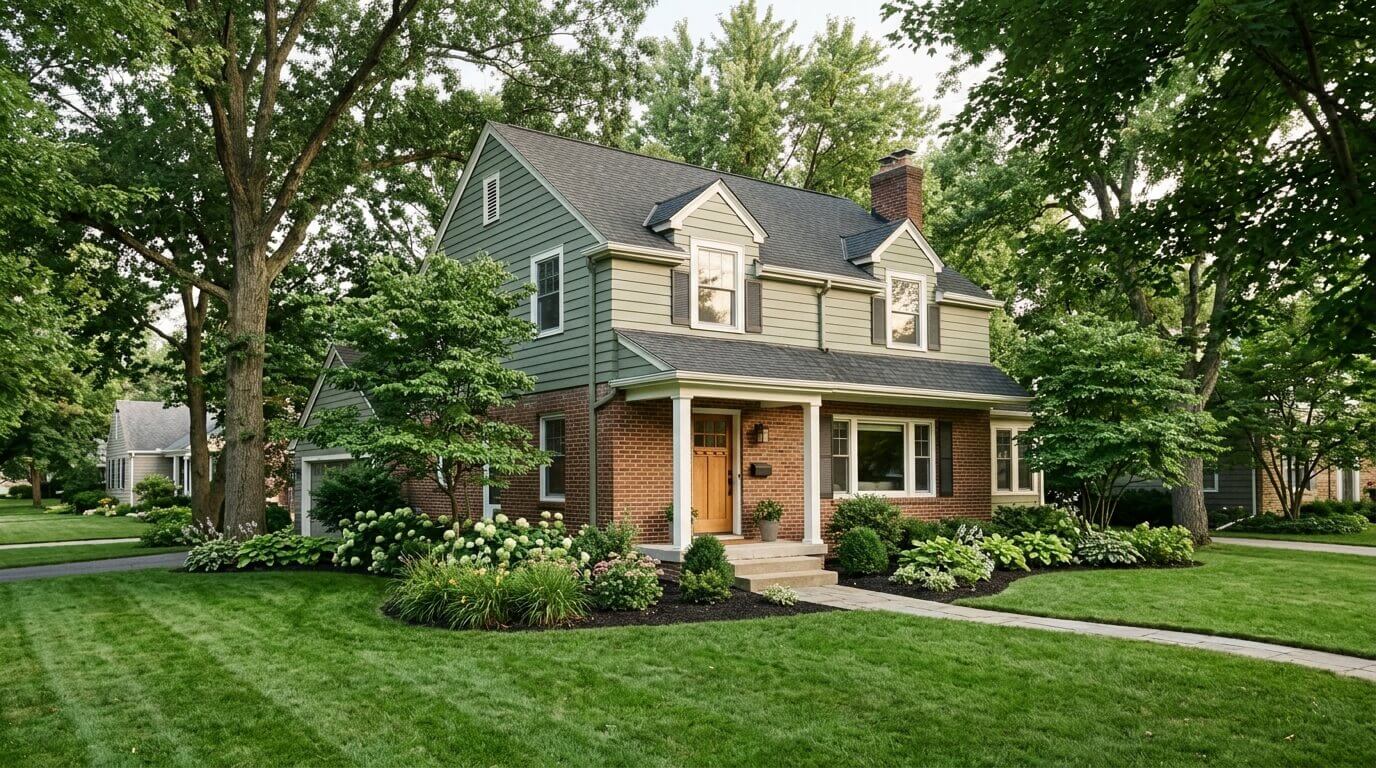
Windows and exterior doors are part of a home’s weather barrier, so they deserve attention before a draft, leak, or sticking sash becomes a larger problem. Homeowners considering window installation in Des Moines can review the local replacement services offered by Renewal by Andersen of Greater Des Moines, operated through Polar Block Sales. Its Des Moines service page covers custom window and door solutions and installation for nearby communities, including Ankeny, Urbandale, and Waukee. A practical plan starts with the home that is already there. A century-old house near Sherman Hill, a ranch in Beaverdale, and a newer home on the edge of the metro may have very different window concerns, even when they share the same Iowa weather.
Why Des Moines Weather Calls for a Whole-Home Plan
Central Iowa experiences meaningful shifts through the year. Winter cold can expose air leaks and cold interior glass, while summer sun and humidity can make certain rooms uncomfortable. Rain, snow, wind, and severe weather can also test exterior trim, flashing, thresholds, and drainage around openings. Homeowners can follow forecasts and weather alerts through the National Weather Service office serving central Iowa, but regular maintenance helps a home remain ready between storms. The best solution is rarely identical for every opening. Window direction, overhangs, nearby trees, room use, and the condition of existing frames should all influence the plan.
Signs a Window or Door Is Losing Performance
Start with a visual and operational inspection. A problem may be minor, but recurring symptoms deserve attention.
- Cold air or noticeable drafts near a sash, frame, threshold, or lock.
- Condensation between the panes of insulated glass, which can indicate a failed seal.
- Windows that rattle, stick, will not stay open, or do not lock securely.
- Soft wood, peeling paint, damaged trim, or water staining around an opening.
- Rooms that feel significantly hotter, colder, or damper than the rest of the home.
- Daylight visible around an exterior door or a door sweep that no longer contacts the threshold.
Repair, Weatherize, or Replace?
Not every draft requires a full replacement project. The right next step depends on the source of the problem and the condition of the opening.
- Minor draft with a sound frame: Replace worn weatherstripping, renew caulk where appropriate, or adjust hardware.
- Fogged insulated glass: Have the glass unit and surrounding sash assessed. Glass replacement may be possible in some cases.
- Rotten, warped, or cracked frames: Consider full replacement, especially when deterioration affects operation or weather protection.
- Door that will not close or lock properly: Check alignment, hinges, strike plate, threshold, sweep, and weather seals.
- Water entering around an opening: Arrange a prompt inspection. The source may involve trim, flashing, siding, drainage, or the opening itself.
Choosing Glass for Winter Comfort and Summer Control
Window labels provide useful comparisons. U-factor describes how well a window resists heat transfer, with a lower number indicating less heat flow. Solar heat gain coefficient, often called SHGC, describes how much solar heat passes through the glass. A lower SHGC can be useful for managing intense sun, particularly on exposed east- and west-facing walls.
For Des Moines homes, that means balancing heat loss during January cold snaps with hot, humid afternoons in July and August. Low-E coatings, insulated glass, and gas-filled spaces between panes can support comfort, but the preferred package may vary by room, window direction, and available shade.
Match the Window Choice to the Room
- West-facing living rooms: Consider late-day heat, glare, and fading of furnishings.
- North-facing bedrooms: Prioritize insulation, dependable locking, and draft control.
- Sunny kitchens: Balance ventilation, easy cleaning, daylight, and heat management.
- Basements: Evaluate moisture, drainage, safe operation, and egress requirements where applicable.
- Older homes: Preserve proportions and architectural character while improving seals and thermal performance.
Do Not Overlook Patio and Entry Doors
Large patio doors can influence comfort because they combine broad glass areas with moving panels and tracks. Worn rollers, loose weatherstripping, damaged thresholds, and poor panel alignment can make a door difficult to operate and less effective at sealing. Entry doors should also be evaluated as a complete system: slab, frame, hinges, latch, sweep, glass, exterior trim, and surrounding sealant.
Why Installation Quality Matters
Even a high-performing product can underperform when measurements are inaccurate or the opening is not properly prepared. A thorough installation process should address the rough opening, shimming, insulation, exterior weather protection, interior trim, and final operation. Before hiring, ask who takes final measurements, who performs the installation, and how hidden rot or structural damage will be handled.
A Simple Inspection Checklist
- Walk around the home on a cold or windy day.
- Check frames, sashes, thresholds, and door corners for drafts.
- Look for fogged glass, cracked panes, peeling finishes, and stains.
- Open, close, and lock every window and exterior door.
- Record rooms that feel too hot, too cold, or too damp.
- Note the direction each major window opening faces.
- Request an assessment before committing to repair or replacement.
Questions to Ask Before Hiring an Installer
- Will the existing frame and rough opening be inspected?
- How will the opening be protected from air and water infiltration?
- Which glass ratings suit each side of the house?
- Are permits, safety glazing, or egress features needed?
- What trim work, cleanup, disposal, and warranty coverage are included?
- How will unforeseen rot, settling, or damage affect the scope and cost?
Frequently Asked Questions
Can weatherstripping solve a drafty door?
It can help when the frame and door are sound. If the door is misaligned, the threshold is damaged, or water is entering near the frame, a more complete repair may be needed.
Should every window use the same glass package?
Not necessarily. Sun exposure, shade, room use, and orientation can make different performance priorities appropriate in different areas of the home.
Are new windows always better than repairing old ones?
No. Well-maintained older windows may benefit from repairs and improved sealing. Persistent leaks, failed glass, extensive deterioration, or unreliable operation can make replacement the more practical option.
Plan for Comfort, Not Just a Quick Fix
A smart window and door project begins with observation rather than guesswork. By reviewing drafts, moisture, sun exposure, operation, and room comfort, Des Moines homeowners can identify which openings need maintenance now and which deserve a longer-term replacement plan. A sound approach balances local weather, installation quality, home character, and lasting value.
Conclusion
Des Moines homeowners can improve year-round comfort by treating windows and exterior doors as part of the home’s overall weather barrier. Regular inspections help identify drafts, moisture, damaged frames, and poor operation before these issues become more extensive. The right solution may involve simple weatherstripping, targeted repairs, upgraded glass, or full replacement, depending on the condition of each opening. By considering room use, sun exposure, energy performance, and installation quality, homeowners can make more informed decisions. A thoughtful, whole-home plan can help protect the property while supporting comfort through Iowa’s changing seasons.

