
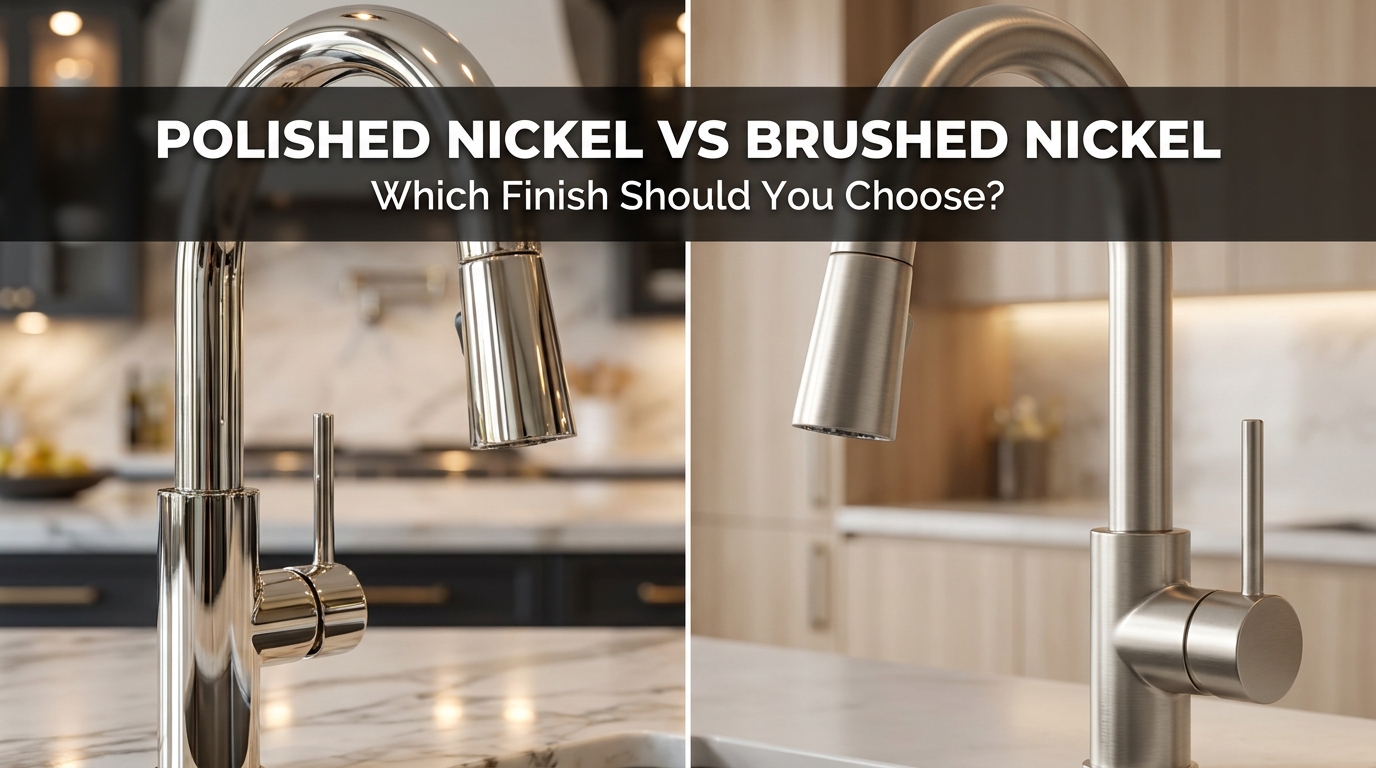
You’re standing in the hardware store (or scrolling online at midnight), staring at two nearly identical faucets. One catches the light like a mirror. The other has a soft, satiny glow. Both are labeled “nickel.” Both look gorgeous. But which one do you actually buy?
If you’ve ever been caught in the polished nickel vs brushed nickel debate, you’re not alone. It’s one of the most common questions homeowners, interior designers, and renovation beginners ask — and the answer matters more than you might think.
The finish you choose affects how your bathroom or kitchen looks every single day. It influences how much time you spend cleaning fingerprints off your faucet. It can even affect resale value.
This guide breaks down everything you need to know — clearly, honestly, and with zero fluff — so you can make a confident decision.
What Is Polished Nickel?
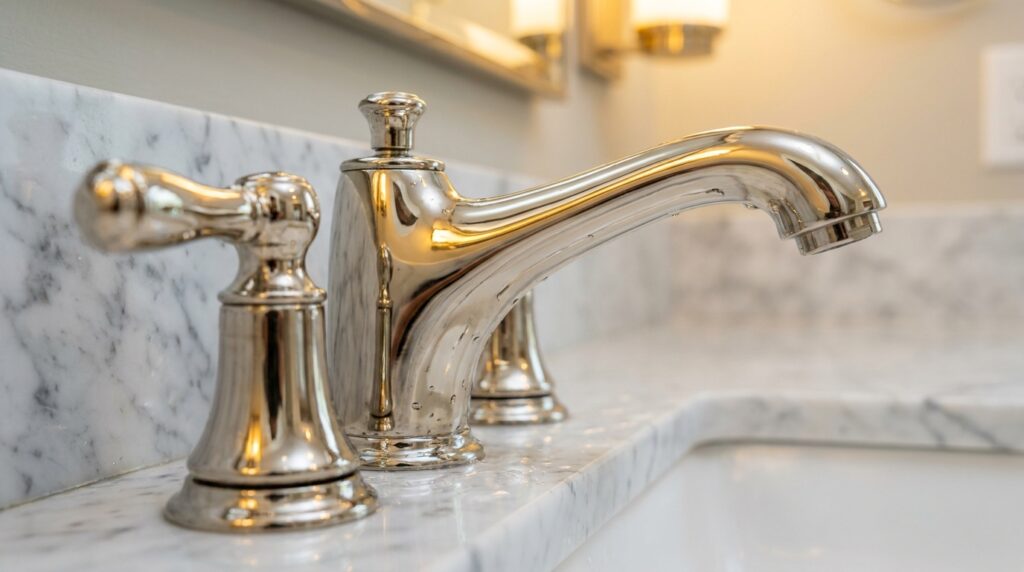
Polished nickel is a metal finish where nickel plating is applied to a base metal (usually brass or zinc), then buffed to a high shine. The result is a bright, mirror-like surface that reflects light dramatically.
Think of it as the glamorous cousin of chrome — similar in brightness, but with a warmer, slightly golden undertone that gives it a distinctly elegant, vintage-luxury feel.
You’ll find polished nickel in upscale hotels, traditional homes, and spaces designed with a classic or Victorian aesthetic. It’s the kind of finish that makes a statement the moment someone walks into the room.
According to Kohler, one of the leading plumbing fixture brands, polished nickel is described as a “warm, reflective finish” that evokes a sense of timeless luxury — distinct from the cooler, silver tone of chrome.
What Is Brushed Nickel?
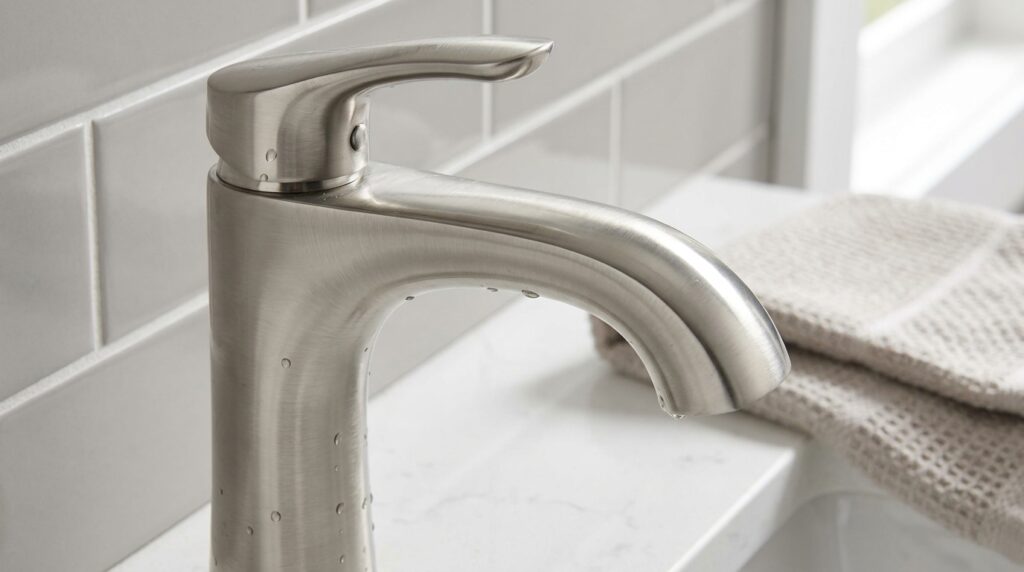
Brushed nickel goes through a similar plating process but gets a different finishing treatment. Instead of buffing to a high gloss, the surface is brushed with a fine abrasive, creating a series of tiny, parallel grooves. This scatters the light rather than reflecting it uniformly, resulting in a soft, satin-matte appearance.
The effect is understated, contemporary, and clean. Brushed nickel has dominated the home hardware market for the past two decades precisely because it fits almost any design style — from modern farmhouse to minimalist to transitional.
Moen, another top fixture brand, notes that brushed nickel’s subtle texture is specifically engineered to resist showing water spots and fingerprints, which is a huge practical advantage.
Polished Nickel vs Brushed Nickel: Side-by-Side Comparison
| Feature | Polished Nickel | Brushed Nickel |
|---|---|---|
| Appearance | High-gloss, mirror-like, warm shine | Soft satin matte, subtle texture |
| Undertone | Warm gold/silver blend | Cooler silver-gray |
| Fingerprint Resistance | Low — shows smudges easily | High — hides smudges well |
| Water Spot Resistance | Low — very visible | High — much less visible |
| Maintenance Level | High — requires frequent polishing | Low — wipe with damp cloth |
| Durability | Moderate — can show wear over time | High — more scratch resistant |
| Design Style | Traditional, classic, vintage luxury | Modern, transitional, contemporary |
| Cost Range | $$ to $$$$ (typically more expensive) | $ to $$$ (widely available) |
| Tarnish Risk | Higher — especially near moisture | Lower |
| Resale Appeal | Niche — appeals to specific buyers | Broad — near-universal appeal |
Key Differences Explained in Detail
1. Appearance and Aesthetic Appeal
This is where personal taste rules.
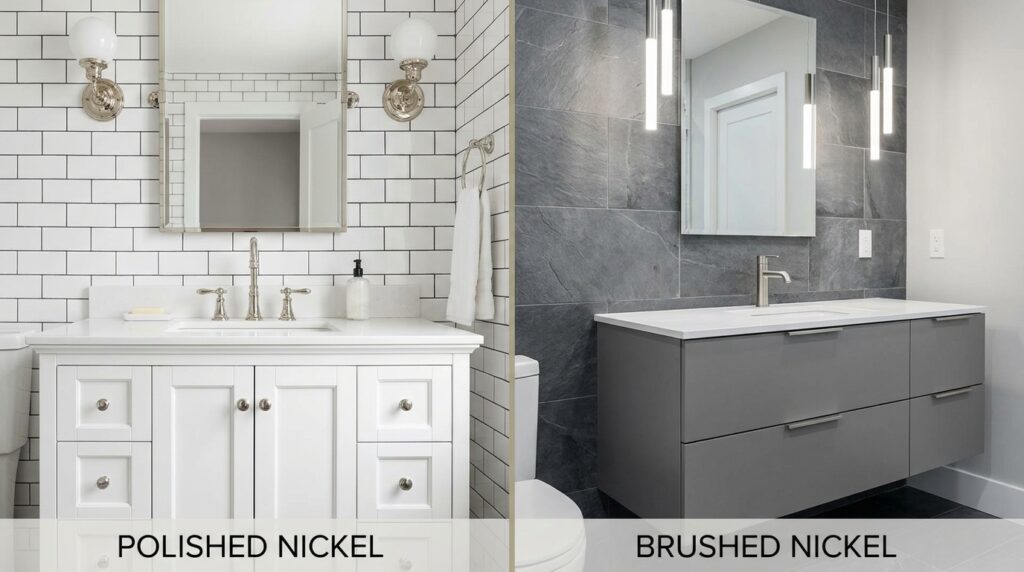
Polished nickel has an undeniable wow factor. It’s bright, glamorous, and reminds many people of antique silver or old-world craftsmanship. It works best in traditional, vintage, Art Deco, or classic formal interiors. If your bathroom has clawfoot tubs, pedestal sinks, ornate mirrors, or white marble, polished nickel is a natural match.
Brushed nickel is quieter in the best possible way. It complements rather than competes. It blends effortlessly into modern, farmhouse, transitional, and Scandinavian-inspired spaces. If your home features clean lines, neutral palettes, and contemporary cabinetry, brushed nickel is almost always the safer — and often smarter — choice.
Interior design experts at Houzz note that brushed nickel has remained one of the top trending hardware finishes in American homes for years, largely because of its versatility across design styles.
2. Maintenance and Cleaning
Let’s be honest: this is where brushed nickel wins by a landslide.
Polished nickel is essentially a fingerprint magnet. Every touch, every water splash, every bit of toothpaste splatter shows up clearly on that mirror-like surface. To keep polished nickel looking its best, you need to wipe it down regularly — ideally after every use — and occasionally polish it with a product specifically designed for the finish.
Using harsh cleaners or abrasive cloths on polished nickel can strip the finish or cause micro-scratches that dull the shine over time. The Spruce recommends cleaning polished nickel only with mild soap and water, then immediately drying with a soft cloth.
Brushed nickel is the low-maintenance champion of bathroom and kitchen hardware. The brushed texture diffuses light and literally hides the smudges and water spots that would make polished nickel look grimy. A quick wipe with a damp microfiber cloth once a week is usually all it takes.
For busy households with kids, or anyone who simply doesn’t want to fuss over fixtures, brushed nickel is the clear winner.
3. Durability and Longevity
Both finishes are nickel plating over a base metal — typically brass. The durability depends on the thickness of the plating and the quality of the manufacturer.
That said, polished nickel tends to show wear more visibly over time. The high-gloss surface can develop dull spots, micro-scratches, or even tarnish — especially in humid bathroom environments. Some polished nickel fixtures are also lacquered to protect the finish, which can crack or peel with age.
Brushed nickel is generally more forgiving. Because the surface already has texture, minor scratches blend in rather than stand out. It also handles humidity better on average, making it particularly practical for bathrooms and kitchens.
According to Consumer Reports, when shopping for fixtures, durability should factor heavily into your decision — especially in high-use areas like kitchen sinks.
4. Cost and Value
Generally speaking, polished nickel fixtures cost more than their brushed nickel counterparts, even when comparing the same model from the same brand. The additional labor involved in buffing the finish to a mirror sheen accounts for part of this premium.
Brushed nickel is one of the most mass-produced finishes on the market, which keeps prices competitive and ensures wide availability at every price point — from budget brands at Home Depot to designer options from brands like Waterworks or Rohl.
For homeowners on a renovation budget who still want a premium look, brushed nickel offers exceptional value.
5. Compatibility with Other Metals and Finishes
One of the most underrated factors in choosing a finish is how well it plays with the other metals in your space.
Brushed nickel is remarkably versatile. It pairs beautifully with matte black, chrome, stainless steel, and even warm brass — a fact that interior designers rely on when creating mixed-metal spaces. According to Architectural Digest, mixing metals is one of the top interior design trends, and brushed nickel serves as a natural “bridge” finish.
Polished nickel is a bit more finicky. Its warm-bright tone clashes with cooler chrome and is harder to mix with matte black. It works best in a coordinated, single-finish scheme — or alongside other warm finishes like unlacquered brass or antique bronze.
If you’re mixing metals in your home, brushed nickel is almost always the more flexible choice.
Which Rooms Are Each Finish Best Suited For?
Bathrooms
For primary bathrooms designed for luxury and visual impact — especially large, formal spaces — polished nickel creates an unmatched sense of elegance. However, the maintenance overhead is real. Consider polished nickel in bathrooms where aesthetics are the top priority and daily wiping-down is acceptable.
For everyday bathrooms, kids’ bathrooms, or powder rooms that get heavy traffic, brushed nickel is practically ideal. It stays looking clean between deep cleans and is far more forgiving.
Kitchens
In the kitchen, brushed nickel dominates for good reason. Kitchens are high-activity zones where faucets get touched constantly with wet, greasy, or soapy hands. A polished nickel kitchen faucet would require constant attention.
Brushed nickel’s fingerprint-resistance makes it the logical choice for kitchen hardware, cabinet pulls, and appliance handles.
Living Spaces and Other Areas
For door hardware, cabinet knobs, light fixtures, and decorative hardware throughout the rest of your home, either finish can work beautifully — the choice comes down to style.
If you have a traditional or vintage-inspired home, polished nickel hardware on cabinetry or door knobs adds charm. If your home is modern or transitional, brushed nickel is the more cohesive choice.
Expert Tips: How to Make Your Final Decision
Here are tips from design professionals and renovation experts to help you choose:
1: Consider Your Lifestyle First If you have kids, pets, or simply a busy household, brushed nickel will always look cleaner with less effort. Reserve polished nickel for spaces you’re prepared to maintain.
2: Match Your Existing Finishes Before buying, hold a sample next to your existing hardware, lighting fixtures, and appliances. Brushed nickel will be easier to match; polished nickel has a specific warmth that not all silver-tone finishes share.
3: Test in Your Lighting The same finish can look dramatically different under warm incandescent light versus cool LED light. Always view your sample in the actual room where it will be installed.
4: Think Long-Term Resale If you plan to sell within a few years, brushed nickel is a safer bet for broad buyer appeal. Polished nickel appeals to a more specific buyer.
5: Don’t Mix Them in the Same Room Polished nickel and brushed nickel look very different from each other. Unlike intentional mixed-metal combinations, using both in the same space often looks like an oversight rather than a design choice.
Pros and Cons Summary
Polished Nickel
Pros:
- Stunning, glamorous appearance
- Warm, luxurious tone — distinct from chrome
- Ideal for traditional and vintage design styles
- Makes a strong design statement
Cons:
- Shows fingerprints and water spots very easily
- Requires consistent, careful maintenance
- More expensive than brushed nickel
- Can tarnish or show wear over time
- Less versatile with mixed metal schemes
Brushed Nickel
Pros:
- Hides fingerprints, water spots, and minor scratches well
- Very low maintenance
- Extremely versatile — works with almost any style
- Wide availability at all price points
- Plays well with other metal finishes
Cons:
- Less dramatic visual impact
- May appear too understated for formal or traditional spaces
- Very common — may feel less distinctive or special
Frequently Asked Questions (FAQs)
1: Is polished nickel the same as chrome?
No — they’re similar but not identical. Chrome has a cooler, more blue-silver tone, while polished nickel has a warmer, slightly yellow-gold undertone. Chrome also tends to be harder and more resistant to tarnishing, which is part of why it dominated the mid-20th-century market. Polished nickel is considered more upscale and traditional. You can read more about the differences at This Old House.
2: Does brushed nickel tarnish over time?
Brushed nickel can tarnish, but it’s much less prone to it than polished nickel. The brushed texture helps conceal minor changes to the surface. With proper cleaning — avoiding harsh chemicals and abrasive scrubbers — brushed nickel fixtures can look great for many years. The American Society of Interior Designers (ASID) recommends gentle, pH-neutral cleaners for all metal hardware to preserve the finish.
3: Can I use the same cleaner on both finishes?
The safest cleaner for both polished and brushed nickel is mild dish soap diluted in warm water, applied with a soft cloth, then rinsed and dried immediately. Avoid vinegar, bleach, or anything abrasive — these can strip the plating or dull the finish. For polished nickel specifically, occasional use of a dedicated nickel polish (like Weiman metal polish products) can restore the shine.
4: Which finish is better for resale value?
From a resale perspective, brushed nickel tends to appeal to a broader audience. Since it’s the more popular and widely used finish, it fits more buyers’ tastes. Polished nickel, while beautiful, has a more niche appeal — it may be exactly what some buyers are looking for, but might not resonate with others. If broad buyer appeal matters to you, brushed nickel is the safer choice.
5: Can I refinish polished nickel to brushed nickel?
Technically, yes — metal finishes can be professionally re-plated. However, the cost of professional refinishing often rivals or exceeds the cost of simply replacing the fixture. For DIY refinishing, specialty sprays exist (like Rust-Oleum’s metallic finishes), but results vary widely and they’re not a substitute for real plating. In most cases, replacing the fixture is more practical than refinishing.
Conclusion: Which Should You Choose?
When it comes down to polished nickel vs brushed nickel, there’s no universal “best” answer — but there is almost always a right answer for your situation.
Choose polished nickel if:
- You love a glamorous, traditional, or vintage-luxe aesthetic
- You’re designing a formal space like a master bath or powder room
- You’re willing to clean and maintain it regularly
- Your design scheme is coordinated around warm, bright metal tones
Choose brushed nickel if:
- You want a versatile finish that works with almost any style
- You have a busy household and prefer low-maintenance fixtures
- You’re working with a mixed-metal design scheme
- You want broad appeal and accessibility across price points
For most homeowners renovating everyday spaces, brushed nickel is the practical, stylish, and smart choice. It’s popular for a reason — it simply works.
But if you’re creating a showpiece bathroom with a strong traditional or vintage identity, polished nickel’s warmth and glamour is truly unmatched.
Ready to start your renovation? Explore fixture options from leading brands at Kohler, Moen, or Delta Faucet — all of which offer both finishes across their product lines.
Have a question about your specific design situation? Drop it in the comments — we’d love to help you find the perfect finish for your home.
This article is for informational purposes. Always consult with a licensed plumber or interior design professional for large renovation projects.

