
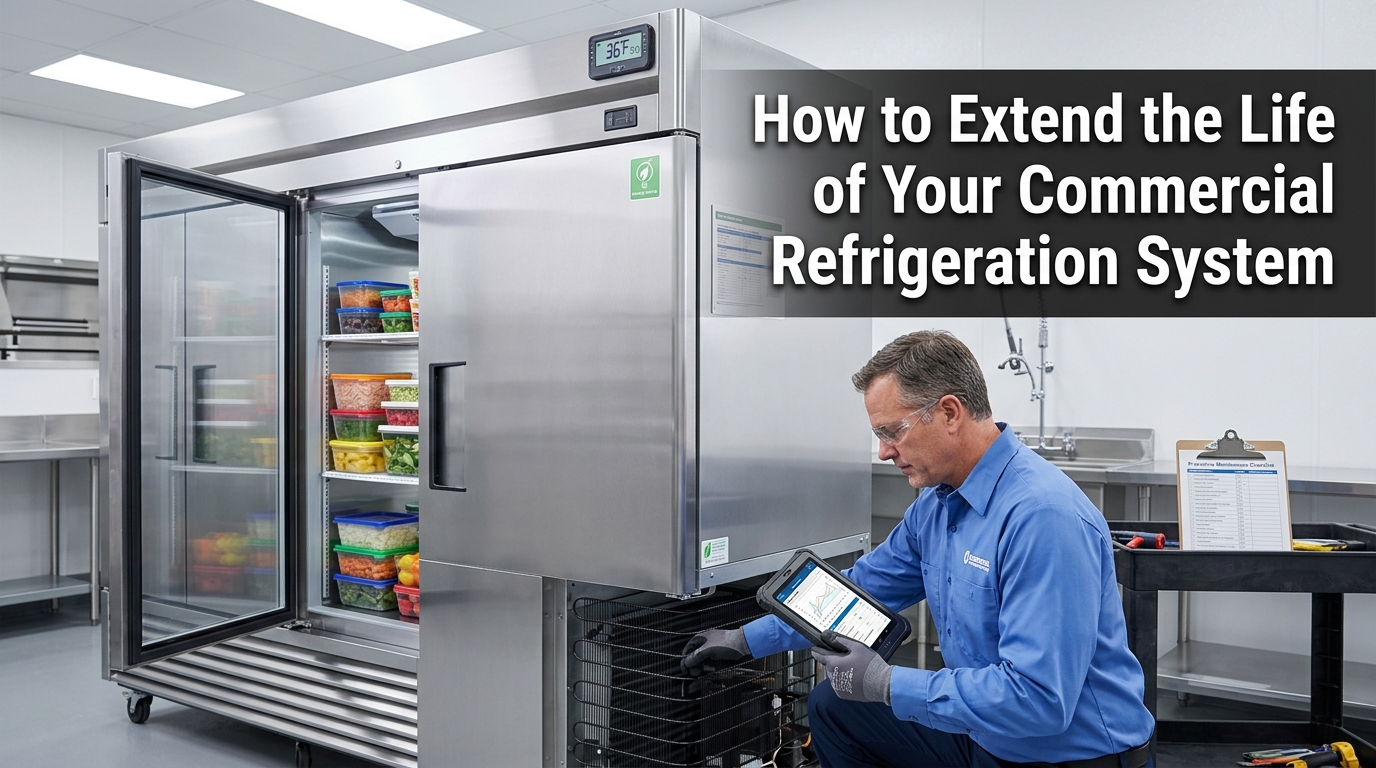
Commercial refrigeration systems are essential for a wide range of industries, including food service, healthcare, and retail. Protecting the longevity of these systems not only helps prevent costly breakdowns but also ensures your operations run smoothly and maintain high standards for product quality and safety. Investing in proper care for your system also protects your financial investment, helping you avoid premature replacements. When pursuing best practices for maintenance and longevity in HVAC systems, many facility managers consult resources like Viking Mechanical Refrigeration experts for insight and ongoing support.
Understanding the right strategies to increase equipment lifespan is vital. Simple, consistent efforts go a long way toward minimizing repairs, reducing downtime, and keeping your energy consumption in check. With the right knowledge, you can make smart choices about daily operations and occasional equipment upgrades, creating a more reliable, cost-effective refrigeration setup.
Whether you operate a bustling restaurant or a busy medical facility, the strategies detailed below will help keep your commercial refrigeration system working efficiently for years to come. Proper care and monitoring ensure the integrity of everything you store—preserving goods, optimizing energy use, and ensuring compliance with health and safety standards.
The result of taking these steps is not only increased equipment life but also improved peace of mind. Owners and managers who actively care for their refrigeration systems typically experience fewer emergency calls and more consistent equipment performance.
Regular Maintenance
Routine maintenance is critical for the longevity of your commercial refrigeration equipment. Clean condenser coils at least twice a year to prevent dirt buildup, which can reduce cooling efficiency and increase energy use—professional deep cleaning may be needed. Inspect door seals regularly and replace gaskets that are cracked or no longer forming a tight seal. Compromised seals can force the compressor to work harder, leading to increased wear and higher energy bills. Lubricate fan motors and other moving parts as recommended by the manufacturer to prevent friction and extend the life of critical components. Developing a regular preventive maintenance schedule is one of the best ways to minimize system failures and avoid unexpected downtime.
Optimal Temperature Settings
Maintaining proper temperature settings is essential to equipment health and energy savings. Setting temperatures lower than recommended may slightly delay spoilage, but will significantly increase electricity use and mechanical wear. In most environments, refrigerators should be set at 5°C (41°F) and freezers at -18°C (0°F). These settings meet food safety guidelines while reducing compressor stress and extending equipment lifespan. Routine verification with accurate thermometers can ensure optimal operation and avoid unintentional fluctuations.
Proper Installation and Placement
An expertly installed refrigeration system will be positioned for maximum efficiency, which has a substantial impact on long-term reliability. Outdoor condensing units need to be shaded from direct sunlight, since exposure can raise internal temperatures and force the system to overexert itself. Always allow adequate clearance on all sides of the unit for unobstructed airflow; blocked vents can lead to overheating and decreased performance. In flood-prone locations, elevating units above typical water lines helps protect sensitive electronics and mechanical parts from damage.
Monitoring and Addressing Issues Promptly
Consistent monitoring is vital for catching minor issues before they become major problems. Watch for signs of refrigerant leaks, such as oil stains, ice buildup, or weak cooling performance; any of these signs merit immediate professional attention to avoid long-term compressor damage. If you notice even slight temperature fluctuations, investigate the cause immediately, as this may indicate sensor issues, defrost problems, or compressor failure. By addressing small inconsistencies early, you minimize the chance of expensive repairs or system failure later.
Upgrading Components
Modernizing outdated components in your refrigeration system can deliver significant improvements in reliability and energy efficiency. Variable speed drives (VFDs) can reduce mechanical stress on fans and compressors, resulting in quieter, lower-stress operation and measurable energy savings. Replacing standard bulbs with LED lighting is a simple upgrade that lowers the internal heat load, reducing the compressor’s workload and saving energy. If your current compressor is getting old, upgrading to a newer, more efficient model may increase cooling capacity and reliability. Component upgrades are especially important for older units that need to meet current performance expectations.
Staff Training
Employees play a crucial role in the day-to-day care of refrigeration equipment. Train staff on proper loading procedures to avoid overfilling shelves, which can restrict airflow and raise interior temperatures. Encourage door management techniques, including limiting how long doors are open and ensuring they latch fully every time. Make sure staff are aware of common warning signs, such as unusual noises, ice buildup, or persistent temperature alarms, so these issues are reported promptly. Investing in ongoing staff education leads to more effective operations and extends the system’s lifespan.
Conclusion
A proactive approach to extending the life of your commercial refrigeration system includes regular preventive maintenance, precise temperature management, strategic placement, vigilant monitoring, timely upgrades, and comprehensive staff training. These concrete strategies reduce operational risks, improve product safety, and reduce energy and repair costs. By implementing these best practices, businesses can ensure reliable refrigeration, maximize their return on investment, and keep their operations running smoothly for the long term.

