
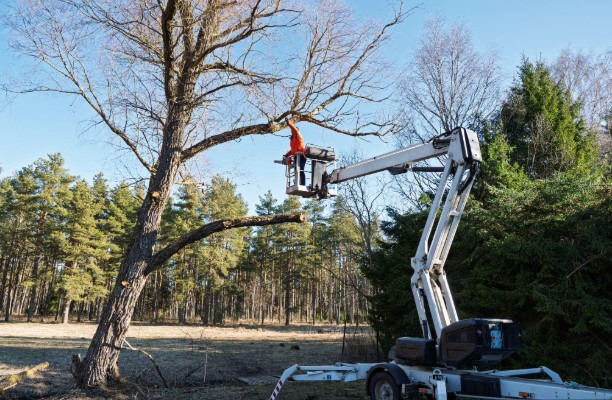
Home improvement projects often require changes to the landscape. A new patio, home addition, driveway, or garden design can place an existing tree in the way of future plans. While removal may seem like the simplest solution, it is not always the best one. In many cases, healthy trees can be relocated with professional tree transplanting services, allowing homeowners to preserve mature trees while creating space for new projects. Understanding when transplanting is possible can help you make a decision that benefits both your property and the environment.
Evaluate the Tree’s Health
The first step is determining whether the tree is healthy enough to survive the move.
Trees with strong growth, healthy leaves, and stable root systems often have a better chance of adapting to a new location. A tree that already struggles with disease, decay, or severe structural damage may experience additional stress during transplanting.
An arborist can inspect the tree and explain whether relocation is likely to support its long-term health.
Consider the Tree’s Size
Not every tree responds to transplanting in the same way.
Young trees usually establish themselves more quickly after relocation because their root systems are smaller and easier to move. Mature trees often require specialized equipment and careful planning to protect as much of the root system as possible.
Large trees can still be transplanted successfully, but the process becomes more complex as the tree grows.
Choose the Right Time
Timing plays an important role in successful transplanting.
Many tree species experience less stress when moved during dormant periods because growth slows and water demand decreases. Weather conditions, soil moisture, and the specific tree species also influence the ideal schedule.
Planning ahead allows homeowners to move trees under favorable conditions instead of rushing the process during active construction.
Select a Suitable New Location
A successful transplant depends on more than moving the tree. The new location should support healthy growth for many years.
Consider sunlight, soil drainage, available space, and the mature size of the tree. Leave enough room for future branch growth and root development without creating conflicts with buildings, sidewalks, utilities, or neighboring plants.
Choosing the right location from the beginning helps avoid the need for another move later.
Protect the Root System
Roots play the most important role in helping a transplanted tree recover.
During relocation, preserving as much of the root system as possible increases the likelihood that the tree will establish itself in its new location. Once planted, proper watering and mulch help reduce transplant stress while supporting new root growth.
Avoid compacting the soil around the tree with heavy equipment or repeated foot traffic during the recovery period.
Prepare for Ongoing Care
Transplanting is only the beginning of the process.
Recently moved trees require regular watering, monitoring, and occasional adjustments while new roots develop. Some trees may also benefit from temporary support if recommended by an arborist.
Watch for signs of stress such as early leaf drop, reduced growth, or unusual discoloration. These changes do not always indicate failure, but they may signal that additional care is needed.
Think Beyond Construction
Tree transplanting is useful for more than large renovation projects.
Homeowners may relocate trees to improve landscape design, create better spacing between plants, increase sunlight for gardens, or preserve a favorite tree during changes to the property.
Moving a healthy tree can also improve the long-term appearance of the landscape while avoiding the loss of a mature plant that has taken years to establish.
Consider the Environmental Benefits
Keeping healthy trees in the landscape offers long-term environmental value.
Mature trees provide shade, improve air quality, reduce stormwater runoff, support wildlife, and help moderate outdoor temperatures. Preserving these benefits through transplanting often makes sense when relocation is practical.
Replacing a mature tree with a new sapling may require many years before similar environmental benefits return.
Work With Qualified Professionals
Successful tree transplanting depends on careful planning and specialized knowledge.
Professional arborists evaluate the species, size, health, soil conditions, and future growing environment before recommending whether relocation is appropriate. They also use equipment and techniques designed to protect the root system throughout the move.
This careful approach improves the chances that the tree will recover and continue growing for many years.
A Long Term Investment in Your Landscape
A healthy tree often represents decades of growth and adds lasting beauty to a property. Before deciding on removal, it is worth considering whether relocation can preserve that investment.
Thoughtful planning, careful timing, and proper aftercare all contribute to successful transplanting. When the tree is healthy and the new location is well suited for future growth, moving it can provide benefits for both the landscape and the homeowner.
By preserving mature trees whenever possible, homeowners can improve their outdoor spaces while protecting the natural features that make a property unique. A successful transplant not only supports future landscaping plans but also allows valuable trees to continue providing shade, beauty, and environmental benefits for many years.

