
A favorite pair of jeans has a way of stretching out right when you’ve finally broken them in. The waistband loosens, the knees bag, and suddenly you’re tugging at the belt loops every time you stand up. Before you toss them in a donation pile, it helps to know how to shrink jeans using nothing more than water, heat, and a little patience.
Denim is a cotton-based fabric, and cotton fibers relax and expand with wear, body heat, and moisture. That’s exactly why jeans that fit snugly in the dressing room often feel loose by the end of the day. The good news is that the same fibers that stretch out can usually be coaxed back into shape at home, as long as you match the method to the fabric and the problem area.
This walks through the most reliable shrinking techniques, from a simple hot wash to targeted spot treatments for a stretched waistband, along with what to expect from stretch denim, cropped hems, and jeans that are simply too big overall.
Why Jeans Stretch Out in the First Place
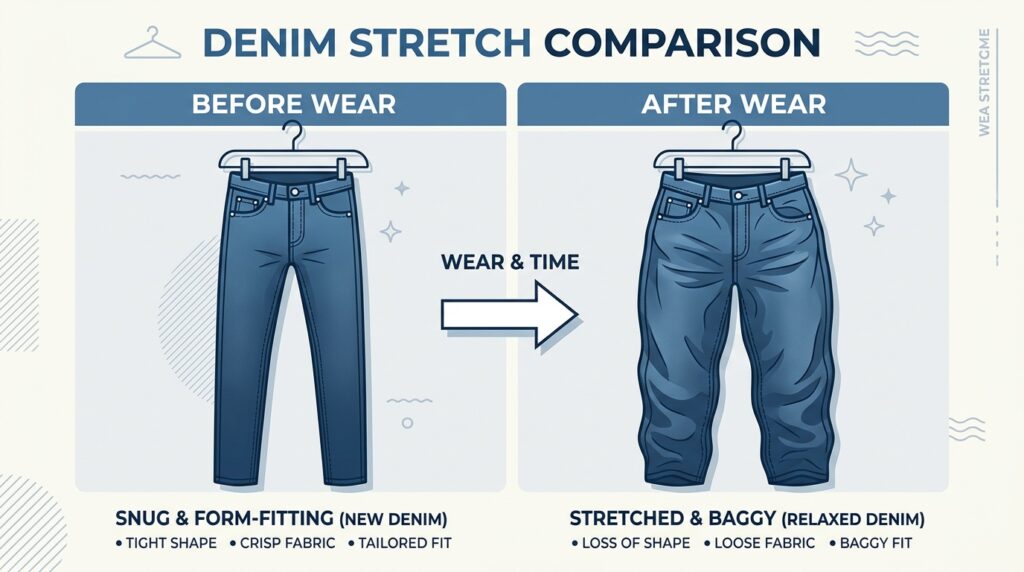
Cotton fibers are naturally absorbent and somewhat elastic when they’re warm and damp. Body heat plus the friction of everyday movement — sitting, walking, bending — slowly pulls those fibers apart. Over weeks of wear, the waistband, knees, and seat loosen even though nothing was technically “wrong” with the jeans to begin with.
This isn’t a flaw in the denim. It’s simply how a natural fiber behaves. Heat and moisture caused the stretch, so heat and moisture are also the tools used to reverse it. That’s the whole principle behind almost every shrinking method on this list.
Weight fluctuations play a role too. Even a small change in body size can leave a waistband that used to sit snug now sliding down an inch or two. Humidity and repeated wear without washing add up in the same way, since moisture in the air and from your skin keeps softening the fibers between laundry days. None of this means the jeans were poor quality to begin with. It just means cotton, unlike synthetic fabric, keeps responding to its environment long after it left the factory.
Understanding this also explains why shrinking works better on jeans that have never been through a hot wash before. The very first hot cycle a pair of denim ever experiences tends to produce the biggest, most noticeable shrink, since the fibers are relaxing back toward their original, unstretched size for the first time. Every cycle after that produces smaller, more incremental results.
Check the Care Label Before You Start
Before attempting to shrink jeans that are too big, flip them inside out and read the tag. Manufacturers are required to list safe washing and drying instructions on every garment, and that label tells you the fabric blend and the highest heat setting the denim can handle.
The fiber content matters more than anything else here. Jeans made from 100% cotton respond well to hot water and high heat. Jeans blended with spandex, elastane, or polyester shrink less predictably and can lose their stretch recovery if you overdo the heat. Knowing what you’re working with before you start saves you from an unpleasant surprise later.
How to Shrink Jeans in the Washing Machine
This is the easiest starting point for anyone learning how to shrink jeans in a washing machine, and it works well for an all-over reduction rather than one specific spot.
- Empty the pockets and zip or button the jeans closed so they hold their shape.
- Turn them inside out to protect the color and any topstitching.
- Wash on the hottest setting the care label allows, using a regular cycle rather than a delicate one.
- Skip fabric softener, since it coats the fibers and can reduce how much they tighten up.
One hot wash usually produces a noticeable difference, especially in the waistband. If the fit still feels loose, a second wash on the same setting can pull it in a little further, though most cotton denim shrinks the most on the very first hot wash it ever sees.
How to Shrink Jeans in the Dryer
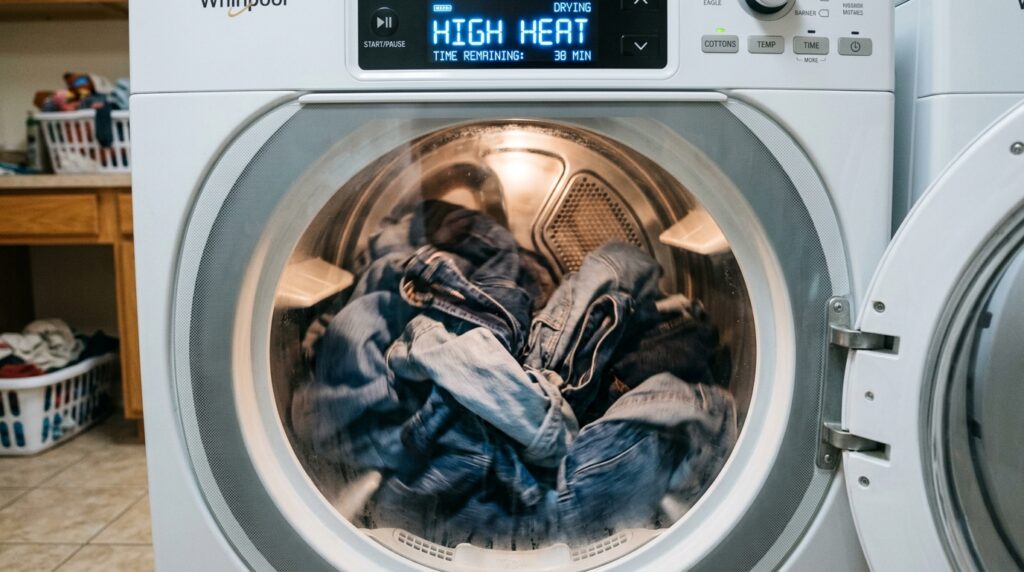
Heat from the dryer is the most aggressive shrinking method available at home, which makes it useful when a wash alone isn’t cutting it. Learning how to shrink jeans in the dryer is really about controlling that heat carefully.
- Wash the jeans in hot water first, then move them straight to the dryer while still damp.
- Use the highest heat setting your dryer offers.
- Run a full cycle, then check the fit. If they’re still loose, tumble dry for another 15 to 20 minutes.
- Pull them out and try them on while they’re still slightly warm, since denim continues to set as it cools.
Repeated hot drying is harder on denim than washing alone. It can fade color faster and wear down the fibers over time, so save this method for jeans that genuinely need a bigger shrink rather than a quick touch-up.
How to Shrink Jeans Without a Dryer
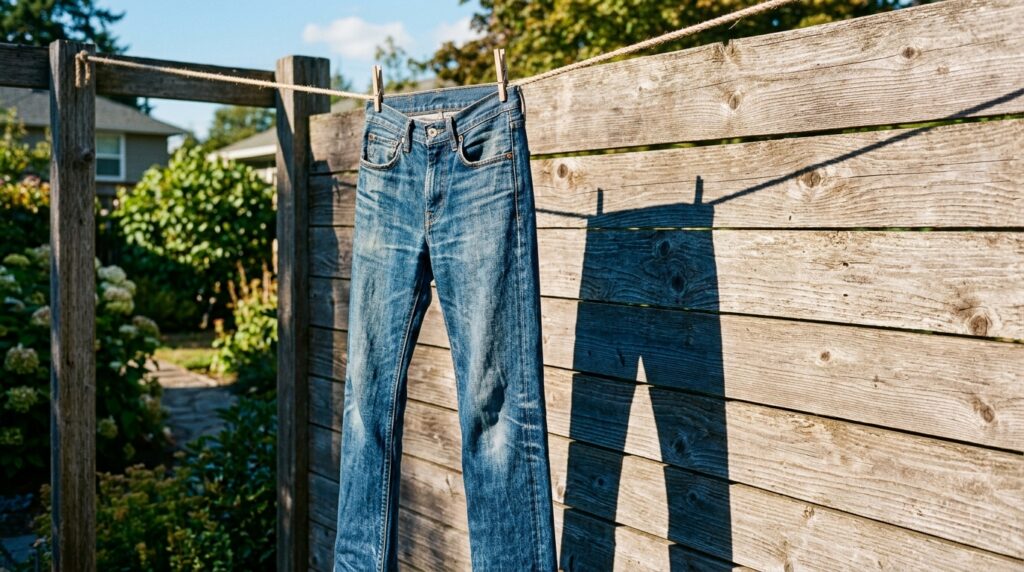
Not everyone has access to a machine dryer, and plenty of people prefer to avoid it to protect the denim’s color and fibers. Here’s how to shrink jeans without a dryer using heat sources you probably already have.
- Hot water soak: Fill a sink or basin with the hottest tap water available, submerge the jeans for 20 to 30 minutes, then wring them out.
- Sun drying: Lay the damp jeans flat or hang them somewhere they’ll get direct, strong sunlight. UV heat combined with the moisture evaporating out of the fibers creates a similar tightening effect to a dryer, just more gradually.
- Iron finishing: Once the jeans are damp rather than soaking, run a hot iron (on the cotton setting) over the waistband, thighs, and any other loose spots to help set the fit.
This route takes longer than a machine dryer, but it’s gentler on the fabric and gives you more control over exactly how much shrinkage you’re getting.
How to Shrink Jeans That Are Too Big
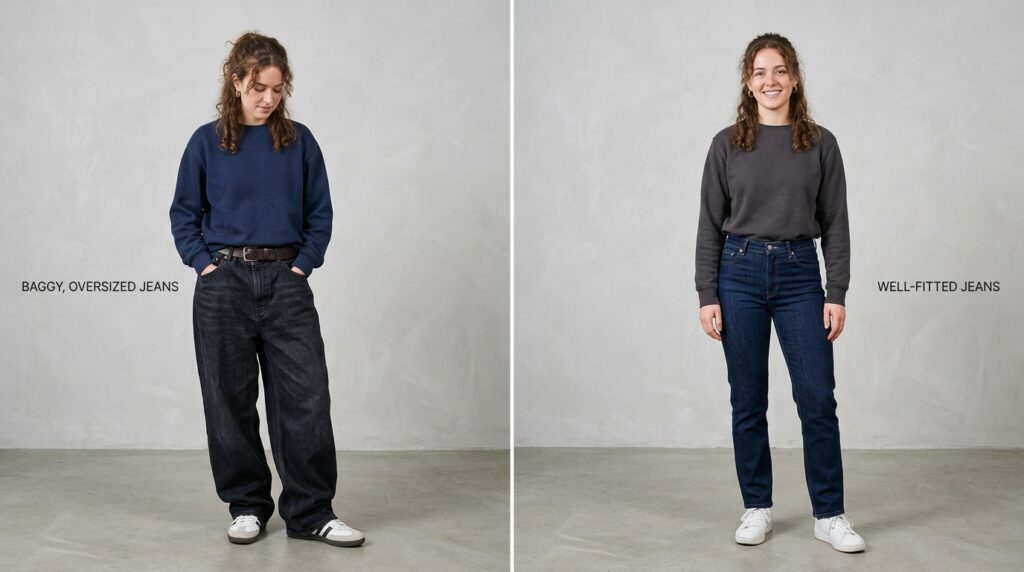
Sometimes the issue isn’t stretch at all. Jeans purchased a size too large, or jeans left over after weight loss, need a more deliberate approach than a single hot wash. If you’re figuring out how to shrink jeans that are too big overall, plan on combining methods rather than relying on just one.
Start with a hot wash and hot dry cycle together, since that combination produces the most significant shrinkage. Check the fit, then repeat once more if needed. For a jean that’s more than one size too big, be realistic. Cotton typically shrinks by 5% to 10% with heat, which usually translates to a snugger fit rather than a complete size change. Anything beyond that is better handled with a tailor who can take in the waist and legs.
Denim has long been treated as a wardrobe workhorse precisely because it can be adjusted this way instead of replaced. For anyone rethinking their everyday rotation of durable, practical pieces, it’s worth browsing what makes a piece of clothing genuinely functional before deciding whether to shrink, tailor, or retire an oversized pair.
How to Shrink Jeans One Size
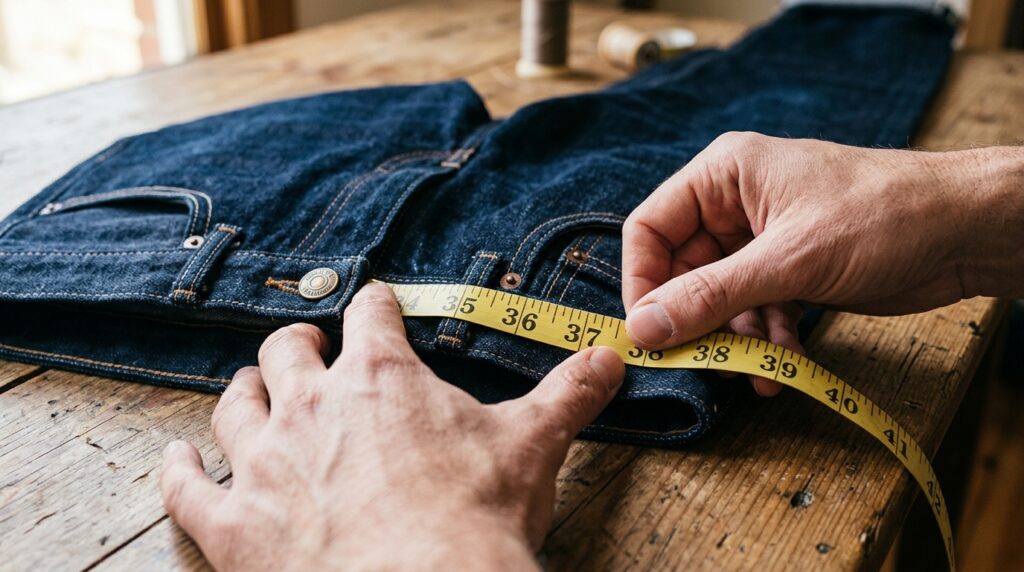
Going down roughly one size is realistic with heat-based shrinking, since it typically falls within that 5% to 10% range cotton fibers can lose. Here’s how to shrink jeans one size with a predictable result:
- Measure the waistband flat before you start and write the number down.
- Wash on hot, then dry on high heat.
- Measure again once they’re completely dry.
- If you haven’t hit your target yet, repeat the hot wash and dry cycle.
Keep in mind that shrinkage isn’t perfectly even. The waistband and thigh area, which see the most stretch from wear, often shrink back more noticeably than the length of the leg.
How to Shrink Jeans Length
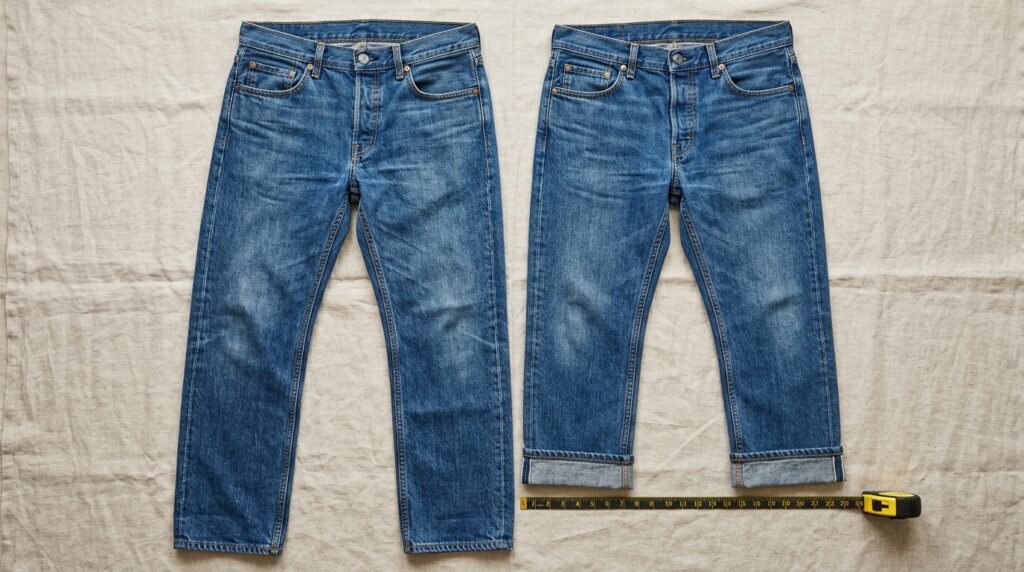
Length is the trickiest dimension to control, since heat shrinks the whole garment somewhat proportionally rather than targeting just the inseam. Still, there are ways to approach how to shrink jeans length specifically.
- Hot wash and dry: A full hot cycle shrinks the length along with everything else, typically by half an inch to an inch depending on the fabric.
- Cuff soaking: For a smaller length adjustment, soak just the hem area in hot water for 15 minutes, then dry that section with a hair dryer on high heat.
- Hemming instead: If you need more than an inch off the length, hemming with a sewing machine gives a cleaner, more predictable result than trying to shrink your way there.
Because full-body shrinking affects the waist and legs at the same time, it’s worth deciding whether length is really your only issue before running a hot cycle that could make the waist uncomfortably tight in the process.
How to Shrink Jeans Waist Permanently Overnight
The bathtub soak is one of the more unusual but genuinely effective methods, and it’s the closest thing to how to shrink jeans waist permanently overnight, since the denim dries directly on your body and molds to your shape as it does.
- Put the jeans on and fill a bathtub with warm to hot water.
- Sit and soak for about 20 to 30 minutes, letting the denim fully saturate.
- Get out, but keep the jeans on.
- Let them air dry on your body for as long as you can manage, then finish drying flat overnight if needed.
Denim brands that specialize in raw, unwashed jeans, including Levi’s own guidance on shrink-to-fit denim, have long recommended this exact soak-and-wear approach for a fit that contours to the body rather than a generic size. It’s uncomfortable for the first ten minutes or so, but the payoff is a waistband that settles in around your actual shape.
Do Jeans Shrink in the Waist? What to Expect
Yes. In fact, the waistband is usually where shrinkage shows up first and most noticeably. So if you’re wondering, do jeans shrink in the waist more than other areas, the short answer is generally yes, and there’s a simple reason for it.
The waistband sits directly against the body and absorbs the most heat and moisture during a normal day of wear, which is also why it’s the first area to stretch out. That same sensitivity to heat means it’s usually the first area to respond when you apply hot water or a dryer cycle. Knees and thighs shrink too, but often by a smaller margin since they flex constantly during walking and sitting.
How to Shrink Jeans With Elastane (Stretch Denim)
Stretch jeans blend cotton with a small percentage of elastane, sometimes labeled spandex, to give the fabric its give. This changes the math on how to shrink jeans with elastane, since that stretch fiber behaves very differently from pure cotton under heat.
- Elastane doesn’t shrink the same way cotton does. Too much heat can actually damage or break down the elastic fibers instead of tightening the fabric, leaving jeans that feel stiff but don’t hold their stretch recovery anymore.
- Use warm water rather than hot, and a medium dryer setting instead of high.
- Expect a smaller, more modest shrink than you’d get from 100% cotton denim. A blend with even 2% elastane will resist shrinking more than rigid denim.
- Check the label for the exact percentage. Anything above roughly 3% elastane means you should be extra conservative with heat.
If a stretch jean has lost most of its recovery and just feels loose and saggy no matter what you do, that’s usually a sign the elastane itself has broken down from age or repeated washing, and shrinking won’t fully solve it.
Spot-Shrinking With Baking Soda and Water
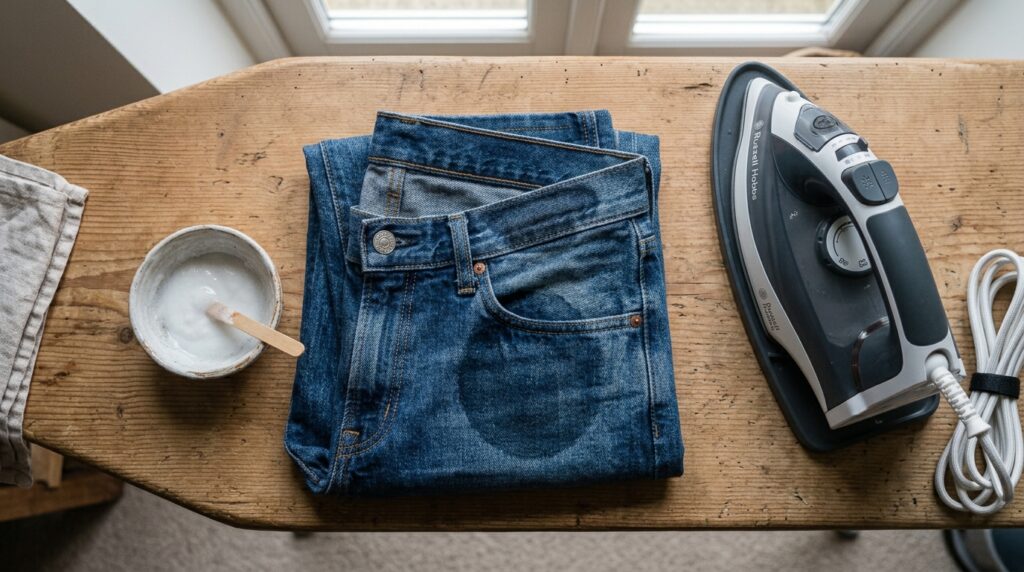
Sometimes only one area needs attention, like a waistband that’s stretched out while the rest of the jeans still fit fine. A full hot wash would shrink everything, which isn’t always what you want.
- Mix two tablespoons of baking soda with one cup of hot water.
- Dampen a cloth with the mixture and apply it directly to the loose area, focusing on the waistband or thigh seams.
- Run a hot iron over the damp spot on the cotton setting, keeping the iron moving so you don’t scorch the fabric.
- Let the area cool and dry completely before checking the fit.
Baking soda raises the pH of the water slightly, which makes the cotton fibers more responsive to heat in that specific spot. It’s a precise, low-risk fix for small adjustments rather than an overall size change.
Pros and Cons of Shrinking Jeans at Home
| Pros | Cons |
|---|---|
| Free, using items already in most homes | Results vary depending on fabric blend |
| Can save a favorite pair instead of replacing it | Repeated heat exposure fades color faster |
| Works on the whole jean or just one problem area | Stretch denim shrinks less predictably |
| No sewing skills required | Shrinking too far can’t be easily reversed |
Weighing these tradeoffs before you start is worth the extra two minutes, especially with jeans that have sentimental value or a fit you can’t easily replace.
Expert Tips for Better Results
- Test the color fastness first. Wash a small hidden area, like the inside hem, in hot water to make sure the dye won’t bleed or fade unevenly before committing the whole garment.
- Go gradual with stretch denim. Warm water and a medium dryer cycle, repeated if needed, beats one aggressive hot cycle that risks the elastane.
- Try them on warm, not cold. Denim continues to tighten slightly as it finishes cooling, so checking the fit immediately after drying can be misleading.
- Don’t skip the zip and button step. Fastening the jeans before washing helps them hold their intended shape instead of twisting in the machine.
- Keep a shrinkage log for favorites. If you have several pairs in the same fabric, note how many hot cycles it took to get the fit right so you’re not guessing next time.
Mistakes to Avoid
- Skipping the care label. Guessing at fabric content is how stretch denim ends up damaged instead of tightened.
- Using fabric softener. It coats fibers and works against the shrinking process.
- Over-drying on high heat repeatedly. Multiple aggressive cycles wear down color and fiber strength faster than they improve fit.
- Expecting a full size change. Heat shrinking realistically moves the fit by about half a size to one size, not two or three.
- Ironing directly on dry denim without dampening it first. This can scorch the fabric instead of helping it shrink.
- Shrinking a jean that’s already thin or worn at the seams. Older denim that’s starting to fray responds unpredictably to high heat and can develop new holes rather than a tighter fit.
- Drying jeans folded instead of loose. Creases that form while the fabric is hot can set into permanent lines, so shake the jeans out before and during the dryer cycle.
Buying With Future Fit in Mind
If you find yourself shrinking the same pair of jeans every few months, it might be worth adjusting what you buy next time rather than repeating the fix indefinitely. Heavier denim, generally listed by weight on the tag, holds its shape longer between washes than lighter, more lived-in fabric. Rigid, unwashed denim also starts life tighter, which gives you more room before it stretches into “too loose” territory.
For anyone building out a small rotation of durable basics rather than constantly replacing pieces that lose their shape, it helps to think about fit and fabric the same way you’d approach any other hardworking wardrobe staple, weighing durability and comfort against how often a piece actually gets worn.
Frequently Asked Questions About Shrinking Jeans
How much can jeans actually shrink?
Most 100% cotton denim shrinks by roughly 5% to 10% with hot water and heat, which usually equals about half a size to a full size. Blended fabrics with elastane or polyester shrink less than that.
Can I shrink only the waist without affecting the legs?
Yes, using a spot treatment like the baking soda and hot iron method targets just the waistband or another loose area without putting the whole garment through a full wash and dry cycle.
Will shrinking jeans ruin the color?
Repeated hot washing and drying can fade denim faster than cool washes, but a single hot cycle is unlikely to cause noticeable fading. Testing a hidden seam first is the safest way to check.
Do all jeans shrink the same amount?
No. Rigid, 100% cotton denim shrinks the most predictably. Stretch denim with elastane shrinks less and requires gentler heat to avoid damaging the elastic fibers.
Is it better to shrink jeans or get them tailored?
For a fit adjustment of half a size or less, shrinking at home is faster and free. For anything more significant, or for jeans with a lot of elastane, a tailor can take in the seams for a more precise and lasting result.
Final Thoughts
Getting a stretched-out pair of jeans back into shape usually comes down to matching the method to the fabric, whether that’s a straightforward hot wash, a slower air-dry in the sun, or a targeted baking soda treatment for just the waistband. Start with the gentlest option that could realistically solve your problem, check the fit, and only step up to more aggressive heat if you need it.

