
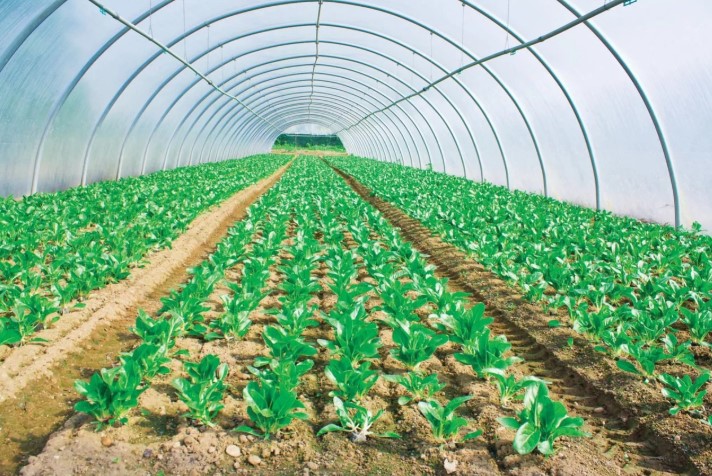
How many times have you seen a greenhouse collapse or crops looking unhealthy simply because the wrong roofing material was chosen? Building your own growing space is an exciting adventure, but before spending a single dollar on seeds or soil, you need to carefully consider the material that will cover everything. The goal is for your plants to receive real sunlight and not end up overheating inside a poorly sealed structure.
The Classic Dilemma: Glass, Plastic, or Polycarbonate
For decades, glass was the undisputed leader in agricultural construction due to its excellent ability to allow sunlight to pass through. However, its extreme fragility when exposed to hailstorms and its heavy supporting structure made it a less practical option.
On the other hand, affordable traditional plastics deteriorate quickly under intense sunlight, forcing you to replace them every few years. This is where innovative brands such as Stabilit America stand out, offering the perfect balance between strength, durability, and thermal efficiency for any growing project.
The Undeniable Advantages of Polycarbonate Over Other Materials
If you are looking for superior performance, polycarbonate is the clear winner for covering modern greenhouses of any size. Its impact resistance is virtually unmatched, withstanding falling branches or heavy hail without suffering structural damage.
It also features built-in UV protection that prevents the material from becoming yellow over time, ensuring exceptional clarity. Its lightweight design makes installation significantly easier, reducing structural costs and optimizing assembly times.
Key Factors Every Grower Should Evaluate Before Buying
Choosing the right panel requires analyzing technical factors that will directly impact the internal microclimate and the development of your crops. Light transmission is essential; you need the maximum amount of natural light to reach the leaves without causing damage.
You should also pay attention to thermal insulation properties to prevent drastic temperature drops during cold nights. Using corrugated greenhouse panels ensures uniform light distribution while maintaining a highly stable and productive indoor environment.
Durability and Weather Resistance: Thinking Long Term
A good greenhouse must be able to withstand severe weather conditions such as hurricane-force winds, heavy rainfall, and sudden temperature changes. Low-quality materials tend to crack or expand excessively, compromising the protection and sealing of the growing environment.
Investing in panels with high structural resistance will save you from unnecessary stress and unexpected repair costs after every storm. The peace of mind that comes from knowing your crops are protected against harsh weather conditions is priceless for any grower.
Practical Maintenance to Extend the Life of Your Greenhouse Roof
Even the most durable material on the market requires regular care to maintain its optimal transparency and solar filtration properties. Accumulated dust, organic debris, and moisture stains can significantly reduce the amount of light entering the greenhouse.
A gentle cleaning with water and mild soap, performed at least a couple of times per year, will keep your coverings clean and fully functional. Avoid using harsh chemicals or metal brushes that could scratch the surface and reduce the durability of the coating.
Strategic Partners in Advanced Agricultural Roofing Solutions
Choosing manufacturers with extensive experience in developing plastic laminates and advanced polymers makes a significant difference in the final quality of your project. Reliable components ensure that your investment translates into successful harvests season after season.
Having cutting-edge technology in your greenhouse covering provides the ultimate support to take your growing operation to the next level. The right choice of materials ensures that your daily efforts are reflected in healthy and abundant crops.

