
Key Takeaways
- Regular pumping and inspection help reduce the risk of backups, odors, and avoidable damage to the drain field.
- Many household septic tanks are pumped about every three to five years, although the right timing depends on the tank, household, water use, and solids level.
- Leaks, excessive water use, grease, wipes, and harsh chemicals can place unnecessary strain on a septic system.
- Drain fields need protection from vehicle traffic, standing water, root damage, and soil compaction.
- Keeping service records makes it easier to plan maintenance and respond to changes in the system.
Why Septic Maintenance Matters
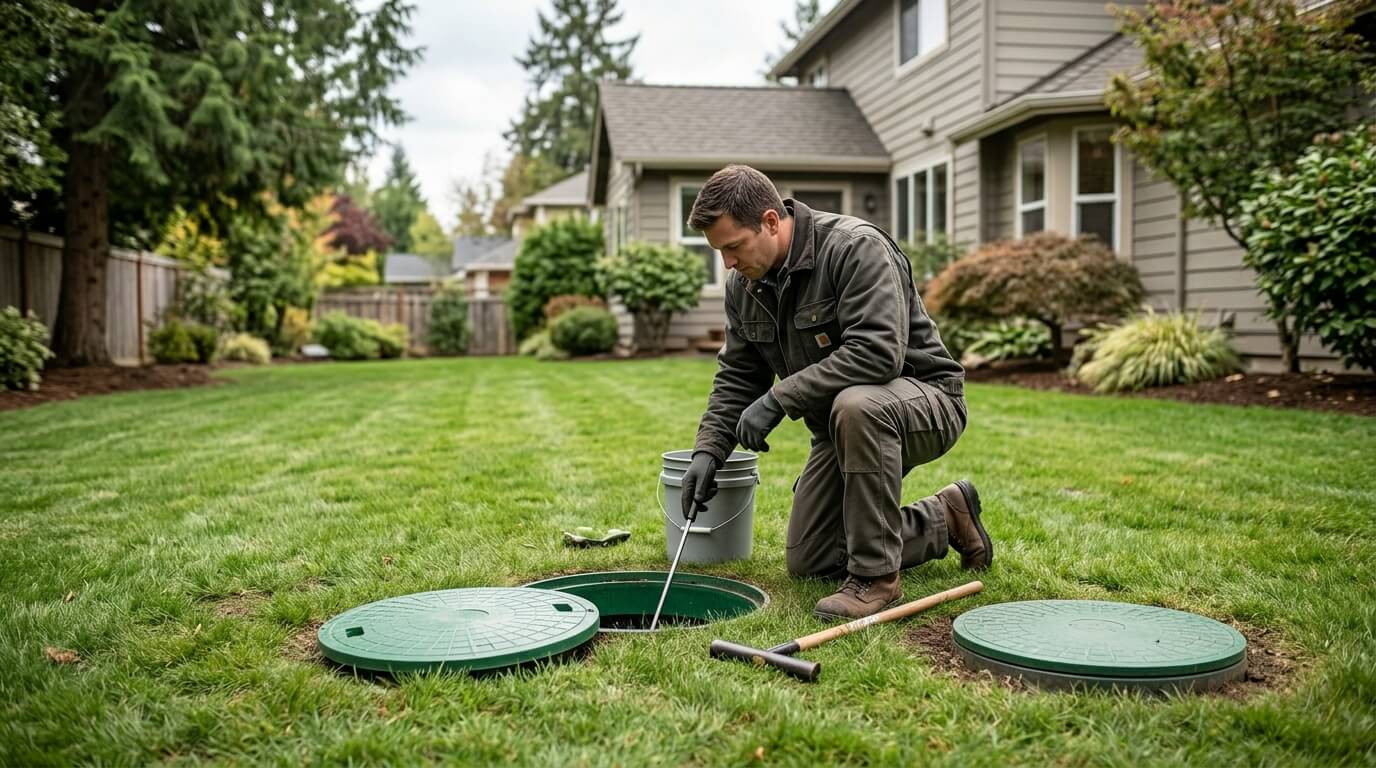
For many homeowners, a septic system is an important part of everyday property care. Scheduling septic tank pumping before problems develop can remove accumulated solids and help keep them from reaching parts of the system that are harder and more expensive to repair.
Septic system maintenance is most effective when it is routine rather than reactive. A tank and drain field handle wastewater every day, so a maintenance plan should be integrated with other household tasks, such as checking for plumbing leaks, maintaining gutters, and servicing heating or cooling equipment. Homeowners unfamiliar with these systems can review this guide to owning a property with a septic tank to understand basic care requirements.
Local conditions also make awareness of drainage important. Central Florida rain events can leave yards saturated, and extra surface water near a drain field may interfere with the soil’s ability to accept and treat wastewater. A persistent wet area deserves attention, particularly if it appears near the treatment area when there has not been significant recent rainfall.
Good maintenance protects both the home and the surrounding environment. The U.S. Environmental Protection Agency notes that septic care centers on regular service, efficient water use, proper waste disposal, and drain field protection in its guidance for caring for septic systems.
Homeowners who want a clearer picture of their tank’s condition, mechanical components, and potential drain field concerns can arrange septic tank inspections as part of a broader maintenance plan. An inspection differs from pumping in that it evaluates the system rather than merely removing material from the tank.
How a Household Septic System Works
Wastewater from toilets, sinks, showers, and appliances flows through a pipe into the septic tank. Inside the tank, heavier solids settle at the bottom as sludge, while lighter materials such as oils and grease rise to form a scum layer. The middle liquid layer moves onward to the drain field.
In the drain field, wastewater receives additional treatment as it moves through soil. This is why pumping alone is not complete septic care. Removing solids helps protect the drain field, but it still requires suitable soil conditions, clear drainage, and freedom from physical damage.
When Should a Septic Tank Be Pumped?
A three-to-five-year pumping interval is a useful starting point for many households, but it is not a universal rule. The EPA generally recommends a professional inspection at least every three years for conventional systems, while systems with pumps, switches, or other mechanical components may require more frequent attention.
The appropriate schedule can change based on:
- The number of people living in the home.
- The septic tank’s capacity.
- Total water use and the presence of plumbing leaks.
- How often a garbage disposal is used.
- The amount of sludge and scum measured during service.
- The age and design of the system.
After each service visit, keep the date, findings, measured levels, repair notes, and recommended next steps in one place. Records can help a homeowner recognize a pattern and provide useful context when the property changes hands.
Warning Signs of a Septic Problem
Early symptoms do not always mean the septic system has failed, but they should not be ignored. Slow drains may stem from an indoor plumbing blockage, while several symptoms occurring at once can point to a larger system issue.
- Slow drains throughout the home.
- Gurgling toilets or toilets that flush poorly.
- Sewage odors indoors or outdoors.
- Wet, spongy, or unusually green areas near the drain field.
- Sewage backing up into tubs, sinks, or toilets.
- Warning lights or alarms on systems with pumps.
During a backup, stop using water fixtures, keep people and pets away from sewage, and seek qualified help. Tank covers and confined spaces can be dangerous, so homeowners should not enter a septic tank or attempt repairs without training. If a water leak is contributing to excessive wastewater entering the system, identifying hidden water leaks can help address the problem.
Daily Habits That Protect the System
- Repair dripping faucets and running toilets promptly.
- Spread laundry across the week instead of running many loads in one day.
- Flush only human waste and toilet paper.
- Put wipes, diapers, paper towels, grease, paint, medications, and chemicals in appropriate disposal containers, not drains or toilets.
- Use water-efficient fixtures when replacing older plumbing fixtures.
- Limit garbage disposal use because food waste adds solids to the tank.
How to Protect the Drain Field
Keep vehicles, trailers, sheds, pools, and heavy equipment away from the tank and drain field. Weight can compact soil or damage buried components. Maintain grass cover where appropriate, but avoid planting trees or large shrubs so close that their roots interfere with pipes.
Roof runoff, sump discharge, and other surface water should be directed away from the treatment area. A homeowner may assume a soggy patch is simply the result of a summer storm. Still, repeated wetness in the same area can be a reason to investigate drainage or septic performance.
What Happens During an Inspection?
An inspection may include locating system components, reviewing maintenance records, measuring sludge and scum layers, checking baffles or filters, and looking for leaks or visible drain field concerns. Systems with pumps or alarms may also require examination of electrical and mechanical parts.
Requirements can vary by system type and local rules. Lake County homeowners planning an addition, a major plumbing change, or a property sale should verify the applicable requirements with the appropriate agencies before work begins.
A Simple Yearly Maintenance Checklist
- January: Review pumping and inspection records.
- Spring: Check the yard for erosion, runoff, odors, or wet areas near the system.
- Summer: Manage high water use during visits, parties, and extra laundry.
- Fall: Keep access covers visible and clear of heavy landscaping materials.
- Any time: Address leaks, alarms, odors, and slow drains promptly.
Common Septic System Questions
Can a septic tank go years without pumping?
It may be possible for some lightly used systems to go longer between pumping visits, but waiting without inspections can allow solids to build up unnoticed. The safest interval is based on the system’s actual condition and use.
Are septic additives necessary?
Routine additives are not a substitute for pumping, inspection, water conservation, or proper waste disposal. Homeowners should be cautious about products that claim to eliminate the need for normal maintenance.
Can too much water affect a septic system?
Yes. Large volumes of water entering over a short time can reduce settling time in the tank and place added demand on the drain field. Staggering water-heavy chores can help manage that load.

