
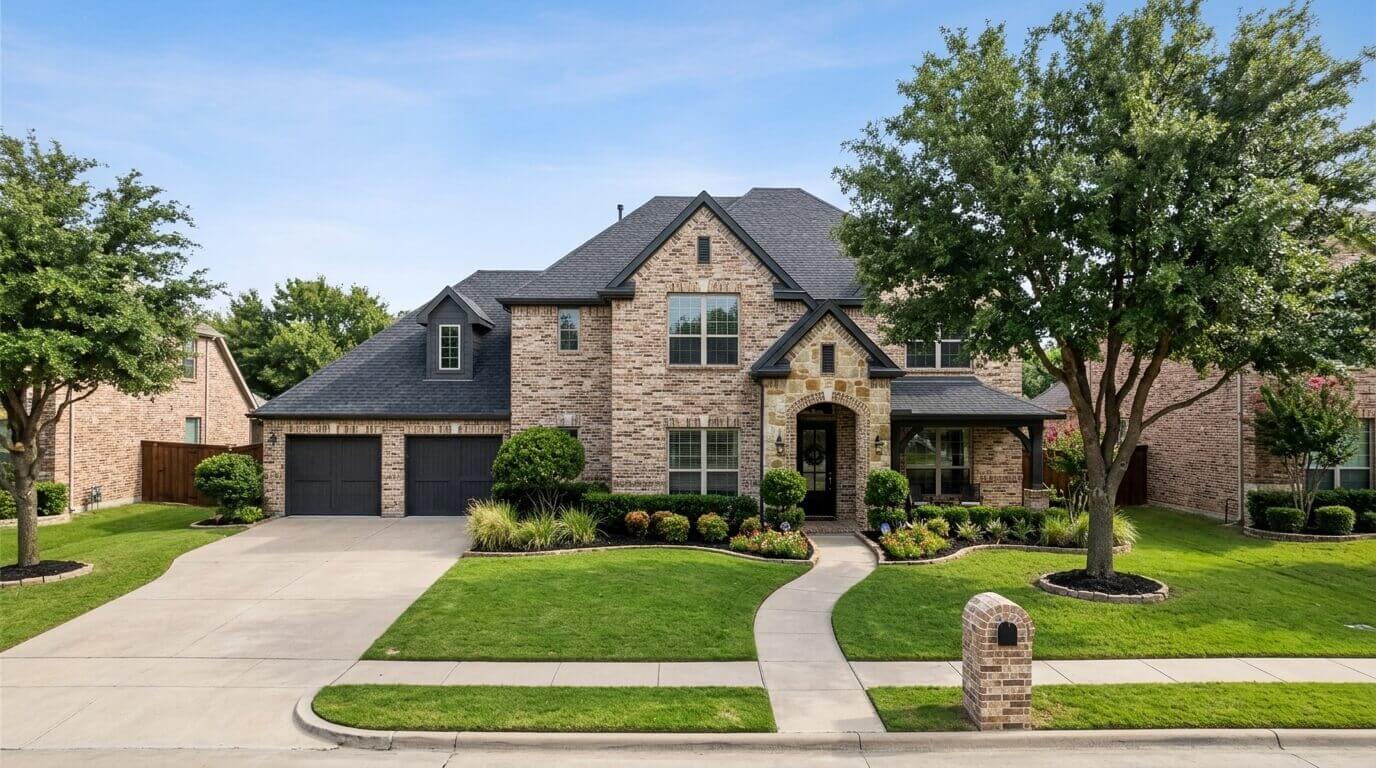
Buying a home in Dallas-Fort Worth involves more than choosing a property that looks appealing in a listing. Across Dallas, Plano, Garland, Mesquite, Fort Worth, and the surrounding suburbs, buyers need to weigh monthly costs, travel patterns, property condition, and financing terms before making an offer. A slower, more balanced market may give buyers more time to compare properties, but careful budgeting remains essential.
For buyers exploring alternatives to a conventional bank mortgage, Cima Real Estate is a Plano-based Dallas-Fort Worth company whose website focuses on owner-financed homes. It explains its process for connecting buyers with available properties. Cima Real Estate local focus includes communities such as Plano, Richardson, Frisco, Garland, Mesquite, Rowlett, DeSoto, Cedar Hill, and Lancaster, making it a relevant reference point for people comparing flexible purchase structures in North Texas. Every buyer should still independently review the property, the title, and the final agreement before committing.
What the DFW Market Means for Buyers
Dallas-Fort Worth is not one uniform market. A home in an established Dallas neighborhood can have a different price, tax bill, insurance profile, commute, and resale outlook from a newer home in a growing outer suburb. More listings and longer decision windows may give buyers room to request repairs or credits, but affordability depends on the complete ownership cost, not simply the asking price.
Interest rates, property taxes, homeowners’ insurance, HOA dues, and maintenance can all change the true cost of ownership. The Dallas-Fort Worth market analysis from the University of Texas at Arlington describes a transition toward a more balanced but slower environment, with affordability pressures still affecting purchasing power. That makes preparation especially valuable for first-time buyers and households working within a fixed monthly budget.
Build a Budget Around the Full Cost of Ownership
Start with a monthly housing figure that remains comfortable after the excitement of closing has passed. The purchase price is only one part of the calculation. A practical DFW budget should account for:
- Down payment and any earnest money or option fee.
- Principal and interest payments.
- County property taxes and potential escrow requirements.
- Homeowners’ insurance premiums, which may be affected by local weather risks, including hail and wind damage.
- HOA dues, transfer fees, and community rules, where applicable.
- Utilities, lawn care, routine maintenance, and unexpected repairs.
- Inspection, appraisal, survey, title, lender, and closing costs.
- Emergency savings left available after closing.
Test the budget before you shop. Consider whether it still works if insurance renews at a higher premium, an air-conditioning system fails during a North Texas summer, or household income is temporarily reduced. A home should support your life, not consume every available dollar.
Compare Financing Before You Fall in Love With a Property
Conventional Loans and Government-Backed Programs
Conventional mortgages generally involve lender reviews of income, credit, debt, assets, appraisal results, and the property itself. FHA and VA loans may offer different qualification paths for eligible buyers. Borrowers should compare mortgage insurance, fees, interest costs, and long-term payment obligations rather than focusing only on the initial cash needed to close.
Builder Incentives
New-construction builders may offer closing-cost credits or temporary or permanent rate buydowns. These offers can be useful, but buyers should compare the total loan terms, purchase price, HOA obligations, tax estimates, and costs associated with selected upgrades. A credit is not automatically the best value if another loan or home offers a lower overall cost.
Owner Financing
Owner financing means the seller or property owner provides financing instead of a traditional bank. It may offer another qualification path for some buyers, but the agreement deserves close attention. Ask whether the structure uses a deed of trust, contract for deed, or another arrangement, and make sure the consequences of default are clearly understood. Have a Texas real estate attorney review the agreement before signing.
Use Texas Due Diligence Time Wisely
A signed contract should begin, not end, your investigation. During the option period and before deadlines expire, schedule a professional inspection and review the findings carefully. Pay particular attention to the roof, foundation, drainage, plumbing, electrical system, HVAC equipment, windows, and signs of water intrusion.
Request seller disclosures and available repair records. Review the survey for boundary lines, easements, encroachments, and access concerns. Read the title commitment and deed restrictions, especially if you plan to add a shed, park a vehicle, operate a home business, or make exterior changes. Buyers should also consider drainage patterns, nearby creeks, and flood exposure by checking official flood map information alongside local observations of the lot after rain. Review what to check before closing on a home to understand additional title and ownership considerations.
Evaluate the Neighborhood as Carefully as the House
Drive the route to work, school, childcare, grocery stores, and medical care at the times you would actually use it. Weekend travel can feel very different from weekday traffic near major corridors, toll roads, rail crossings, and construction zones. Verify school attendance boundaries directly with the relevant district because a mailing address or city name may not identify the assigned campus.
Also, look beyond the front door. Mature trees can provide welcome summer shade, while lot grading and drainage can influence maintenance needs during heavy storms. Visit at different times of day, listen for traffic or train noise, and review HOA rules before assuming a neighborhood fits your routines. A structured neighborhood comparison can help buyers assess costs, commutes, services, and property conditions consistently.
Questions to Ask Before Signing an Owner-Financing Agreement
- Who holds legal title while payments are being made?
- What is the interest rate, payment amount, repayment period, and total amount due?
- Is there a balloon payment, and when does it come due?
- Who pays taxes, insurance, repairs, HOA dues, and late fees?
- Can the buyer prepay or refinance without a penalty?
- What happens after a missed payment or insurance lapse?
- Has a Texas real estate attorney reviewed the final agreement?
Five Steps for a More Confident DFW Purchase
- Set a total monthly housing limit, including taxes, insurance, and HOA dues.
- Compare at least two financing structures using the same property price.
- Research the neighborhood, commute, schools, drainage, and daily conveniences.
- Inspect the property and read every disclosure, survey, title document, and restriction.
- Ask qualified legal, tax, lending, or insurance professionals to explain terms that are unclear before signing.
Conclusion: Better Questions Lead to Better Home Decisions
A successful Dallas-Fort Worth home purchase is not necessarily the one with the lowest list price or fastest closing date. It is the property and financing arrangement that remains manageable when taxes, insurance, repairs, and life circumstances change. Take the time to inspect, compare, question, and verify. In a region as large and varied as DFW, that patience can be one of the most valuable parts of the buying process.

