
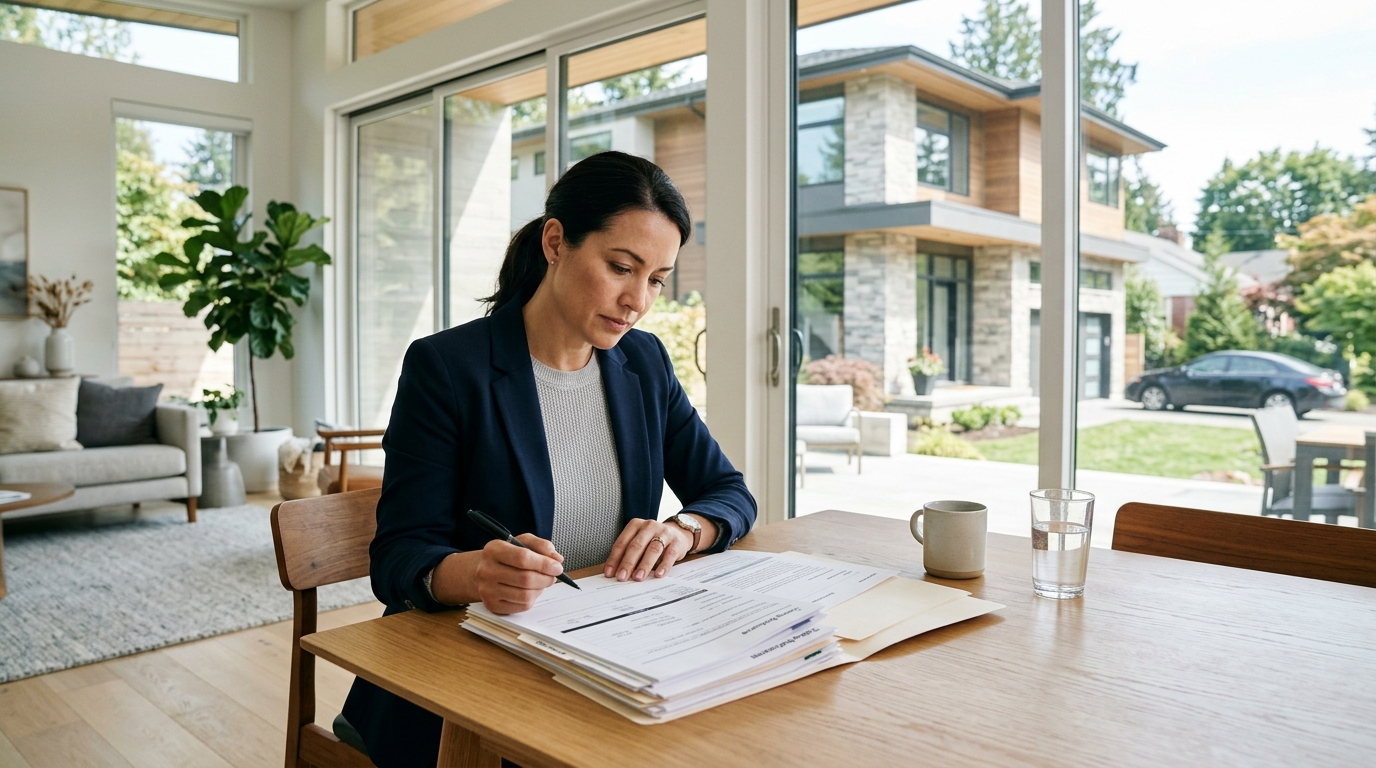
What to check before closing on a home goes beyond agreeing on a price, securing financing, and reviewing the building’s condition. Buyers also need to understand the legal condition of the property, including who owns it, whether claims exist against it, and what rights other parties may have when buying property. Consumer information from title.com can help explain why ownership records deserve attention before closing.
A clean home inspection is important, but it does not confirm that the seller can transfer clear ownership. A house can be structurally sound while still carrying an unpaid lien, a recorded easement, an old mortgage that was never released, or an ownership question tied to a prior transfer.
Why Title Review Belongs in Every Homebuying Plan
Think of the title as the property’s legal history. It addresses whether the seller has the right to convey the property and whether recorded claims or restrictions could affect the buyer after closing. For example, a previous owner may have failed to pay a contractor, leaving a claim that must be addressed before the transaction can proceed.
Title issues can delay a closing, require additional documentation, or change the terms of a deal. Reviewing the title early gives the buyer, seller, lender, title professional, and attorneys time to identify a practical resolution.
What a Title Search Can Reveal
A title search is a review of available public records related to a parcel of real estate. The goal is to trace transfers of ownership and identify recorded matters that may affect the property. The exact records reviewed and the process used can differ by location.
Records commonly reviewed
- Prior deeds and transfers showing the ownership chain.
- Open mortgages, deeds of trust, or recorded loan releases.
- Property tax information and certain recorded tax claims.
- Judgments, contractor liens, and association-related claims when applicable.
- Recorded easements, rights of way, covenants, and restrictions.
- Legal descriptions, parcel numbers, and boundary-related records.
- Probate or estate documents that may affect a deceased owner’s interest.
Common Title Problems
Title concerns do not always mean a purchase must end. Often, they can be corrected or resolved before closing. Still, buyers should understand the issue rather than assuming it is routine.
- Unpaid liens: Taxes, contractor bills, court judgments, or association charges may create a claim against the property.
- Recording errors: Misspelled names, incorrect legal descriptions, and missing documents can create uncertainty.
- Undisclosed heirs: A person with a possible inheritance interest may surface after an estate-related transfer.
- Forgery or impersonation: A false signature or fraudulent seller can undermine a prior transaction.
- Boundary disputes: A fence, driveway, shed, or addition may not align with the legal property line.
- Unreleased mortgages: A loan may have been paid but still appear as open in public records.
How to Read a Preliminary Title Report
The preliminary title report, sometimes called a title commitment or preliminary commitment, can look highly technical. Start with the sections that identify the property, the proposed insured party, and the matters listed as exceptions or requirements.
- Confirm that the named owner matches the seller and contract details.
- Compare the legal description and parcel number with the property being purchased.
- Review listed liens, easements, restrictions, and other exceptions.
- Ask whether prior mortgages will be paid off and formally released.
- Request clarification before any contractual review period expires.
- Keep written copies of questions, responses, and promised resolutions.
Liens, Easements, and Other Restrictions
A lien is a legal claim that may need to be paid, released, or otherwise resolved before a seller can deliver the expected title. An easement is different. It may give a utility provider, neighbor, or public agency limited rights to use part of the land for a stated purpose.
An easement is not automatically a deal breaker, but it can matter if a buyer plans to make home improvements such as building a pool, installing a fence, adding landscaping, or expanding a driveway. Shared-access agreements, recorded restrictions, and rights of way should be understood before the buyer becomes responsible for the property.
How Buyers Can Reduce Fraud Risk
Closing fraud often relies on urgency, impersonation, or altered payment instructions. Industry coverage of real estate-related fraud reflects the importance of treating unexpected emails, changed bank details, and pressure to act immediately as warning signs.
- Do not send funds solely because an email appears to come from a familiar party.
- Call a known contact using a phone number obtained independently to confirm payment details.
- Question last-minute changes to wiring instructions, account names, or closing contacts.
- Use secure document portals when they are available.
- Confirm the identity and role of everyone requesting sensitive information or funds.
Owner’s and Lender’s Title Insurance
Title insurance is distinct from other insurance because it generally addresses covered title defects that existed before the policy date. A buyer’s ownership interest and the lender’s financial interest are typically protected through separate policy types.
- Lender’s policy: Protects the mortgage lender’s interest up to the policy terms and amount.
- Owner’s policy: Protects the buyer’s ownership interest against covered title claims, subject to exclusions, conditions, and limits.
- One-time premium: Title insurance is commonly purchased as part of closing costs rather than renewed annually.
Buyers should ask what the owner’s policy covers, which exceptions apply, whether expanded coverage is available, and how a claim would be handled. The policy itself, not a general summary, controls the available coverage.
A Simple Pre-Closing Checklist
- Review the preliminary title report promptly.
- Confirm the seller’s legal name and ownership interest.
- Ask how each open lien or title requirement will be resolved.
- Review easements, restrictions, and listed exceptions.
- Confirm required payoff and release documents are being prepared.
- Review the owner’s title insurance option and coverage amount.
- Check the final closing disclosure or settlement statement.
- Verify payment instructions by phone before sending funds.
- Save the policy, deed, closing statement, and related records.
Questions to Ask Before Closing
- Are any liens or judgments still open?
- Does the legal description match the property I intend to buy?
- Do easements or restrictions affect my planned improvements?
- Will all prior mortgages be released at or before closing?
- Are there probate, divorce, or estate issues that need resolution?
- What does the owner’s policy cover, and what does it exclude?
- Who should I contact if a title concern appears after closing?
Final Thoughts
A careful title review is a practical part of due diligence, not an unnecessary formality, just as ongoing home maintenance becomes part of responsible homeownership By examining ownership records, asking direct questions, understanding liens and restrictions, verifying payment instructions, and reviewing insurance options, buyers can approach closing with a clearer view of the legal risks connected to their new home.

