
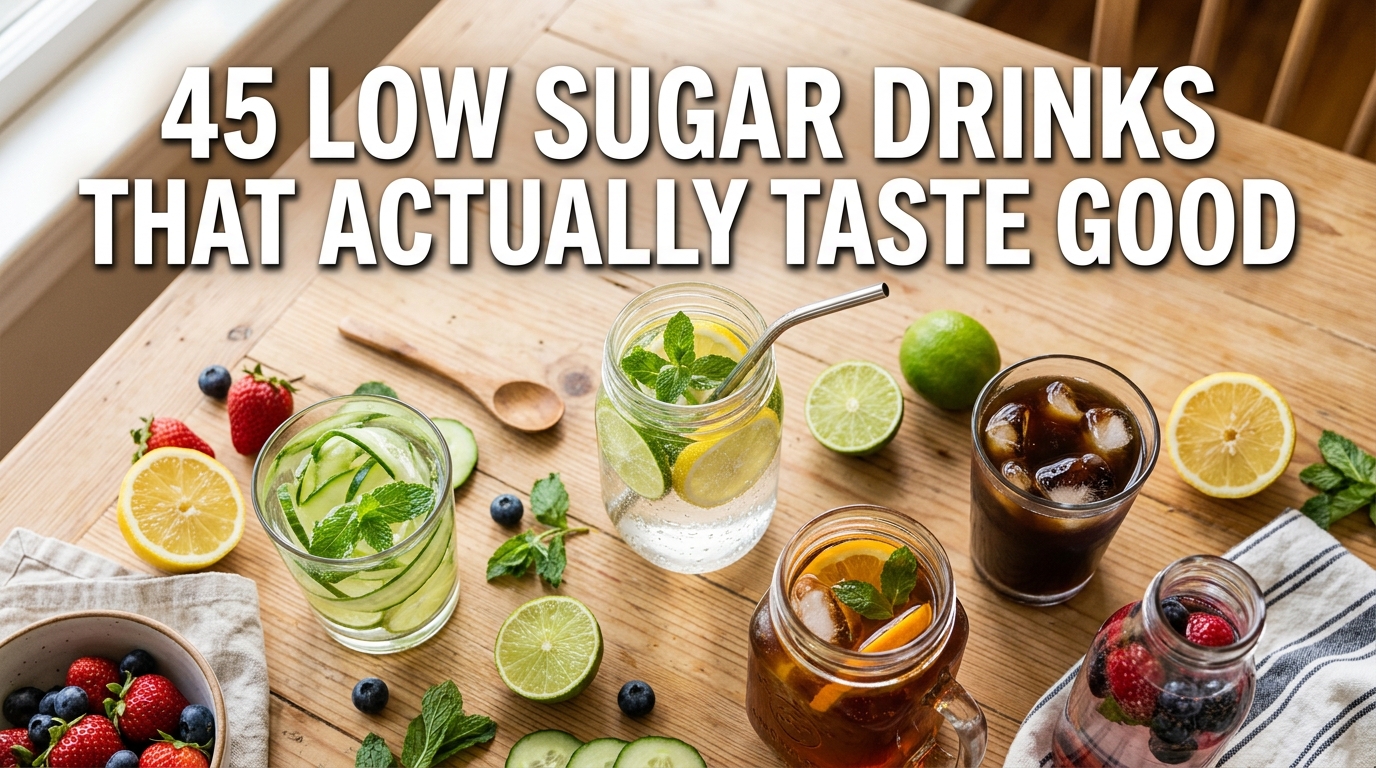
You know that feeling around 3 p.m. when your energy dips and a can of soda starts looking like the answer to all your problems? That’s usually the moment most people reach for something loaded with sugar without even checking the label. Finding low sugar drinks that still feel like a treat is less about willpower and more about knowing which options actually deliver on flavor. This guide walks through what “low sugar” really means, why it matters, and which drinks are worth keeping in your fridge.
This isn’t a lecture about cutting out every sweet thing you enjoy. It’s a practical rundown you can actually use the next time you’re standing in the beverage aisle wondering what to grab.
What Actually Counts as a “Low Sugar” Drink?
There’s no single legal definition of a low sugar drink the way there is for terms like “reduced fat,” but nutrition labels give a useful benchmark. A product with 5% or less of the Daily Value for added sugars per serving is generally considered low, while anything at 20% or more is considered high.
In everyday terms, most people use “low sugar” loosely to describe drinks with somewhere under 5 grams of sugar per serving, while zero sugar drinks and sugar free drinks contain little to none at all, usually because they’re sweetened with a non-nutritive sweetener or nothing at all. The lines get blurry fast, which is exactly why so many shoppers end up confused in the beverage aisle.
Here’s a simple way to think about the categories:
- No sugar drinks: Plain water, black coffee, unsweetened tea. Nothing added.
- Low sugar drinks: A small amount of natural or added sugar, typically under 5 grams per serving.
- Sugar free drinks: Sweetened with a non-caloric sweetener instead of sugar.
- Zero sugar drinks: A marketing term food companies use, functionally similar to sugar free, meaning less than 0.5 grams of sugar per serving.
Why People Are Cutting Back on Sugary Drinks
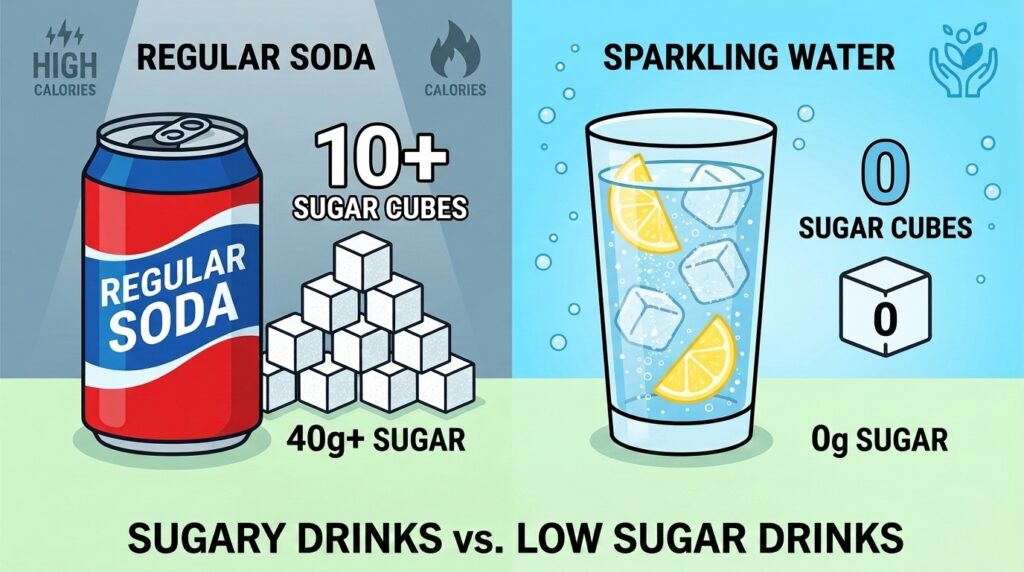
Sugary drinks aren’t just soda. They include sweetened coffee drinks, bottled teas, juice cocktails, sports drinks, and energy drinks, and together they make up a huge share of the added sugar in the average American diet. A single 12-ounce can of regular soda contains more than 10 teaspoons of added sugar, close to 42 grams, which is already more sugar than most adults should have in an entire day.
Official daily sugar limit recommendations call for keeping added sugars under 10% of total daily calories, which works out to about 50 grams for someone eating 2,000 calories a day. A tighter sugar intake target suggests most women cap added sugar around 6 teaspoons (25 grams) a day and most men around 9 teaspoons (36 grams).
That means one regular soda can wipe out most, or all, of your daily sugar budget before you’ve even had breakfast.
Regularly drinking sugar-sweetened beverages has been linked to weight gain, higher risk of type 2 diabetes, and cardiovascular strain, largely because liquid sugar is absorbed quickly and doesn’t fill you up the way solid food does. That’s a big part of why sugar free drinks and zero sugar drinks have become so popular as swaps rather than complete lifestyle overhauls.
What Happens in Your Body When You Drink a Lot of Sugar
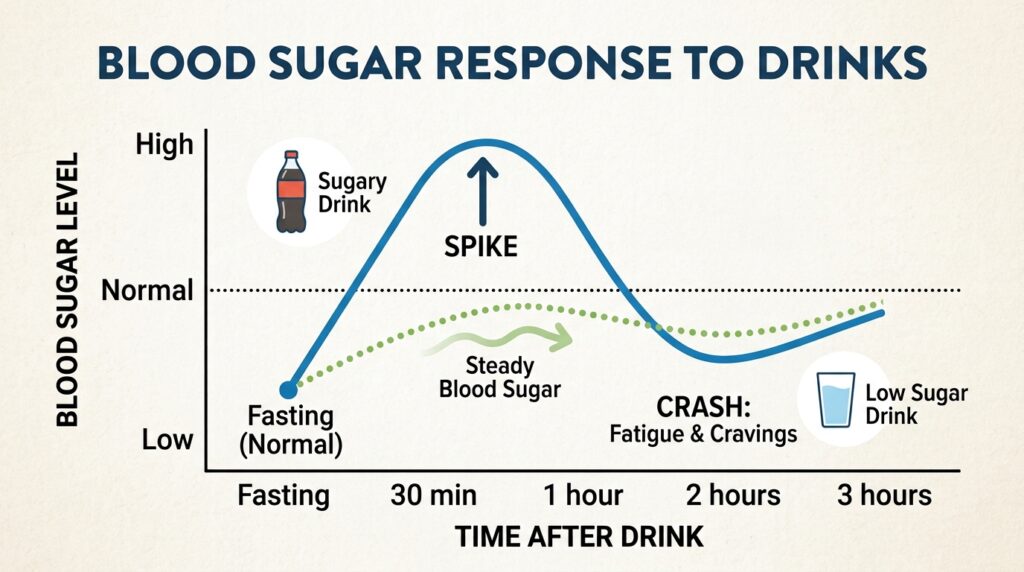
It helps to understand why liquid sugar behaves differently than sugar you eat with food. When you drink something sugary, that sugar hits your bloodstream fast because there’s no fiber, fat, or protein to slow digestion down. Your blood sugar spikes, insulin surges to bring it back down, and not long after, many people feel a crash: fatigue, irritability, or sudden hunger.
Do this often enough and the pattern repeats itself several times a day, which is part of why sugary drinks are so closely tied to weight gain and metabolic issues over time. Unlike solid food, liquid calories don’t trigger the same fullness signals, so it’s easy to drink 200 extra calories in a flavored latte or sports drink without feeling any less hungry for lunch.
This is exactly why low sugar drinks and zero sugar drinks aren’t just a diet trend. Swapping even one or two sugary drinks a day for something without the sugar spike can meaningfully reduce how many “invisible” calories and sugar grams you’re taking in without changing anything else about how you eat.
How to Read a Drink Label Like a Pro
Marketing language on beverage packaging is designed to catch your eye, not necessarily to give you the full picture. A few label-reading habits make it much easier to separate genuinely low sugar drinks from ones that just look healthy.
Check “Added Sugars,” not just “Total Sugars.” Total sugars can include naturally occurring sugar, like the kind found in milk or 100% fruit juice, which isn’t the same concern as added sugar. The added sugars line, required on U.S. Nutrition Facts labels, tells you what was actually mixed in during processing.
Watch for sugar’s many aliases. Ingredient lists don’t always say “sugar.” Cane juice, corn syrup, agave nectar, and anything ending in “-ose,” like fructose, dextrose, or maltose, are all forms of added sugar hiding under a different name.
Don’t assume “natural” means low sugar. Juice concentrates, honey, and agave are natural, but they still count as added or free sugars and can push a drink well past the “low sugar” range even if the label emphasizes how natural the ingredients are.
Look at serving size carefully. Some bottles list nutrition information per 8-ounce serving even though the bottle contains 16 or 20 ounces, quietly doubling or tripling the sugar you’d actually consume if you drink the whole thing.
Scan for sweetener names if you’re avoiding artificial ones. If you’re specifically choosing sugar free drinks made with stevia or monk fruit rather than aspartame or sucralose, the ingredient list, not the front label, is where that distinction actually shows up.
How Much Sugar Is Hiding in Common Drinks?
Some of the worst sugar offenders don’t even taste overly sweet, which makes them easy to underestimate. Here’s a rough comparison of popular drinks and their typical added sugar content per standard serving.
| Drink | Approx. Sugar per Serving | Category |
|---|---|---|
| Regular cola (12 oz) | ~39-42g | Sugary drink |
| Sweetened iced tea (16 oz) | ~30-35g | Sugary drink |
| Fruit punch (12 oz) | ~30g | Sugary drink |
| Flavored latte (16 oz) | ~25-35g | Sugary drink |
| Sports drink (20 oz) | ~30g | Sugary drink |
| 100% fruit juice (8 oz) | ~20-24g (natural, not added) | Moderate |
| Diet soda (12 oz) | 0g | Zero sugar drink |
| Unsweetened iced tea (16 oz) | 0g | No sugar drink |
| Sparkling water (12 oz) | 0g | No sugar drink |
| Black coffee (12 oz) | 0g | No sugar drink |
These numbers vary by brand, so it’s always worth a quick label check, especially with bottled teas and coffee drinks, which often sneak in more sugar than people expect.
Zero Sugar Drinks vs. Sugar Free Drinks: Is There a Real Difference?
Short answer: not much, but the labels aren’t always used consistently. “Sugar free” typically means under 0.5 grams of sugar per serving, according to FDA labeling rules, and the same threshold usually applies to “zero sugar.” Companies often choose one term over the other for branding reasons rather than any meaningful nutritional difference.
Where things get more interesting is in what replaces the sugar. Some sugar free drinks use non-nutritive sweeteners like sucralose, aspartame, or acesulfame potassium. Others lean on newer options like stevia, monk fruit extract, or allulose, which are marketed as more “natural” alternatives. Approved high-intensity sweeteners are generally considered safe for the general population within established intake limits, though people with the rare condition phenylketonuria need to avoid aspartame specifically.
One sweetener worth knowing about is aspartame. In 2023, a global health review classified aspartame as a possible carcinogen based on limited evidence, while at the same time reaffirming that the existing acceptable daily intake level remains safe for typical consumption. In practice, that acceptable limit is high, equivalent to dozens of cans of diet soda a day for an average adult, so occasional sugar free drinks aren’t something most people need to worry about.
If you’d rather avoid artificial sweeteners altogether, stevia and monk fruit based drinks are widely available and don’t carry the same debate around them.
The Best Low Sugar Drinks to Try
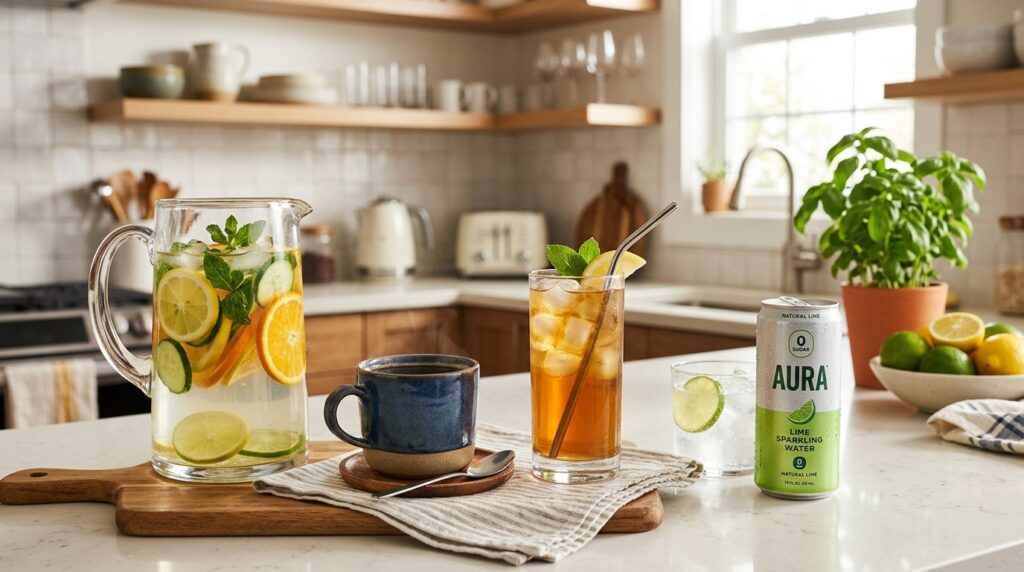
This is the part most people actually came for. Below are real, widely available categories of low sugar drinks worth stocking up on, organized by type so you can find something that fits your routine.
Sparkling and Flavored Waters
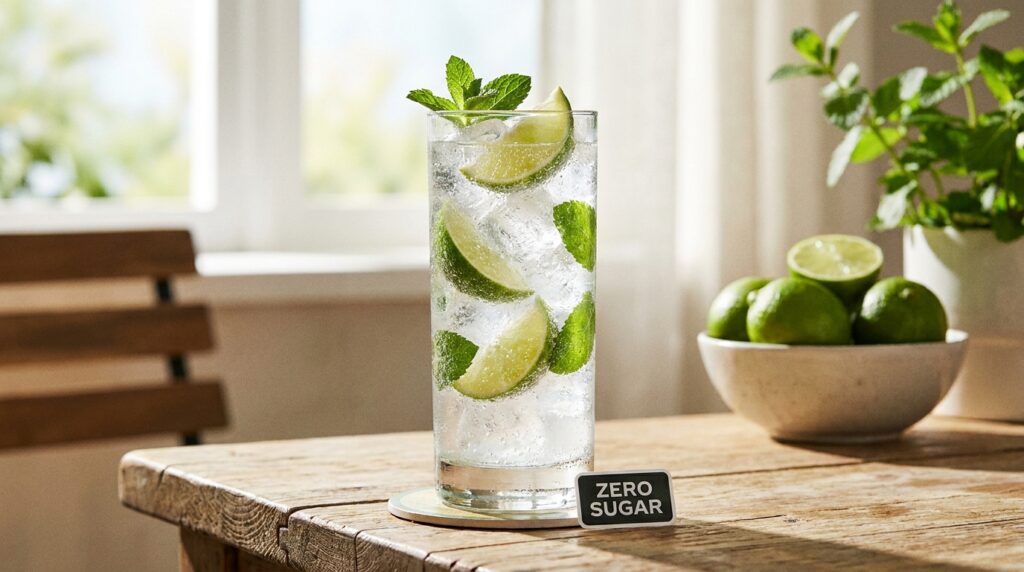
Plain sparkling water is the easiest zero sugar drink swap for soda because it delivers the same fizzy satisfaction without the sugar hit. Look for brands labeled “unsweetened” or “flavored with natural essence,” since some flavored sparkling waters sneak in cane sugar or juice concentrate despite their healthy-sounding names.
A squeeze of fresh lime, a few muddled berries, or a sprig of mint can turn a plain can into something that feels a lot more like a treat.
Unsweetened and Herbal Teas
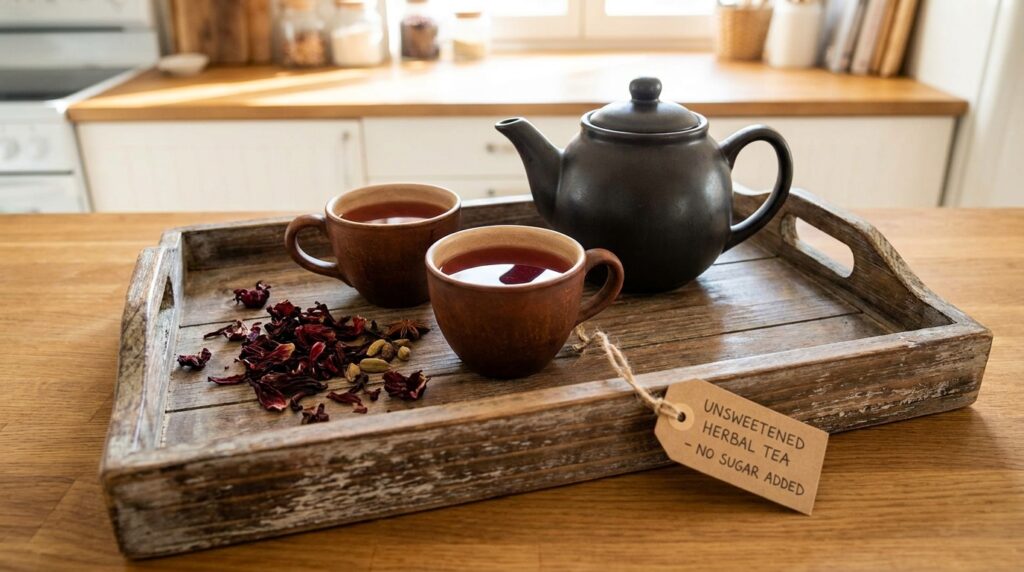
Tea is one of the most versatile no sugar drinks around. Hot or iced, black, green, oolong, or herbal, unsweetened tea has zero grams of sugar on its own and comes with the added benefit of antioxidants. If you genuinely miss sweetness, a small amount of honey or a stevia packet keeps it in low sugar territory rather than pushing it into sugary drink range.
Herbal blends like hibiscus, peppermint, or chamomile also work well served cold over ice, especially in warmer months when a cold glass of something flavorful hits differently than plain water.
Black or Lightly Sweetened Coffee
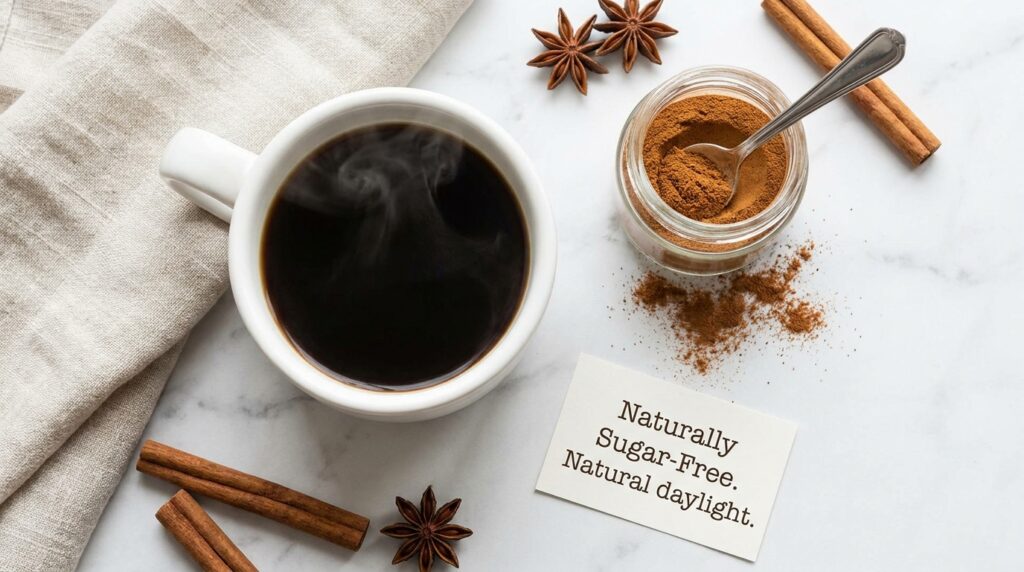
Coffee itself has no sugar. The problem is almost always what gets added to it. Skipping the flavored syrups and swapping regular milk for unsweetened almond, oat, or dairy milk keeps a coffee order in low sugar drink territory. A dash of cinnamon or unsweetened cocoa powder can mimic that dessert-like flavor without the syrup pump.
Zero Sugar and Diet Sodas
For people who genuinely love the taste of soda, zero sugar and diet versions are a straightforward substitute. They’re not necessarily a “health food,” but from a sugar-intake standpoint, they remove the added sugar entirely. If you’re trying to reduce reliance on artificial sweeteners over time, this can still be a useful stepping stone away from full-sugar soda.
Infused and Fruit-Flavored Water
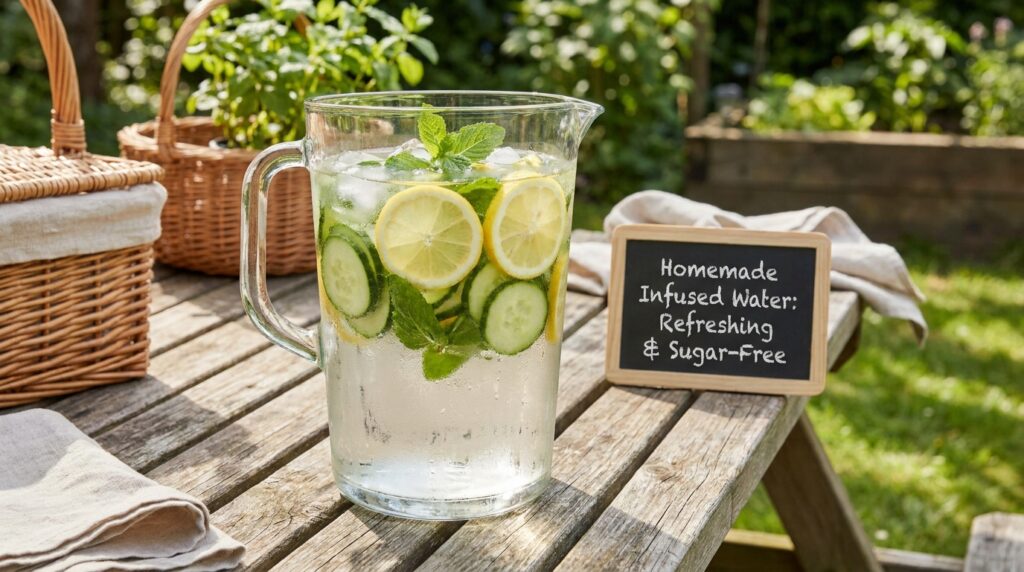
Adding sliced cucumber, citrus, berries, or fresh herbs to a pitcher of water is one of the simplest sugar free drinks you can make at home. It takes almost no effort, costs next to nothing, and gives plain water enough flavor that it doesn’t feel like a punishment to drink more of it throughout the day.
Electrolyte and Sports Drinks (Low Sugar Versions)
Traditional sports drinks are loaded with sugar, but low sugar and zero sugar electrolyte options have become much easier to find, especially ones built around sodium, potassium, and magnesium rather than sweeteners. These are worth reaching for during intense exercise or hot weather when you need replenishment without a sugar crash afterward.
Kombucha (Check the Label)
Kombucha can be a lower sugar alternative to soda, but it’s not automatically low sugar. Fermentation reduces some of the original sugar content, but many bottled brands still land in the 4 to 8 gram range per serving. Checking the nutrition label is worth it here since sugar content varies a lot between brands and flavors.
Milk and Fortified Dairy Alternatives
Unsweetened dairy milk and fortified plant-based alternatives like unsweetened soy or almond milk contain little to no added sugar and can be a satisfying, protein-rich option, especially compared to sweetened flavored milks or milkshake-style drinks.
Three Easy Low Sugar Drinks You Can Make at Home
Store-bought options are convenient, but some of the best low sugar drinks take five minutes to make and cost a fraction of what you’d pay for a bottled version.
Citrus Mint Sparkler Combine chilled sparkling water with a squeeze of fresh lemon or lime, a few torn mint leaves, and ice. If you want a touch of sweetness, add a few muddled fresh berries instead of syrup. This lands well under 5 grams of sugar per glass, all from the fruit itself.
Iced Hibiscus Tea Steep dried hibiscus flowers or a hibiscus tea bag in hot water for five to seven minutes, let it cool, then pour over ice. Hibiscus has a naturally tart, cranberry-like flavor that doesn’t need much sweetener at all, and a small amount of honey or stevia keeps it in low sugar territory.
Iced Coffee with Cinnamon and Oat Milk Brew coffee as usual and let it cool, or use cold brew concentrate. Pour over ice with a splash of unsweetened oat milk and a dash of ground cinnamon. It mimics the flavor of a sweetened coffeehouse drink without the added sugar syrup.
Each of these takes less time than waiting in a drive-through line, and you control exactly how much sweetness goes in.
Simple Swaps to Cut Back on Sugary Drinks
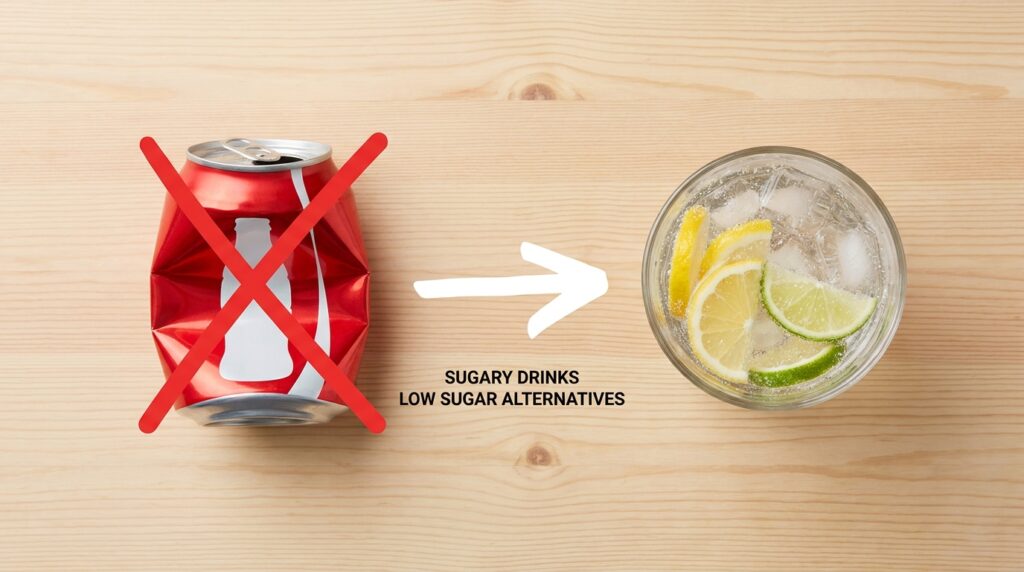
Cutting sugary drinks doesn’t have to mean an abrupt switch to plain water forever. Small, repeatable swaps tend to stick better than an all-or-nothing approach.
- Replace one soda a day with sparkling water and a splash of 100% juice for flavor.
- Order coffee drinks with half the usual syrup pumps, then work down from there.
- Keep a pitcher of infused water in the fridge so it’s the easiest option to grab.
- Choose unsweetened tea and sweeten it yourself in small amounts, rather than buying pre-sweetened bottles.
- Save full-sugar sodas and juices for occasional treats instead of daily habits.
None of this requires cutting out flavor. It’s really about shifting where the sweetness comes from and how much of it you’re consuming without noticing.
Ordering Low Sugar Drinks When You’re Out
Sticking to low sugar drinks gets harder outside your own kitchen, mostly because restaurant and coffee shop menus are built around syrups, sweetened bases, and pre-mixed cocktails. A few practical habits make it easier to navigate without feeling like you’re the difficult person at the table.
At coffee shops: Ask for unsweetened versions of iced tea and cold brew, and request sauces and syrups “on the side” or skipped entirely. Most espresso drinks made with milk and no added syrup are naturally low in sugar, since the sweetness in a plain latte comes only from the lactose in milk.
At restaurants: Unsweetened iced tea, sparkling water with citrus, and soda water with a splash of juice are almost always available, even when they’re not printed on the menu. It never hurts to just ask.
At bars: Spirits mixed with soda water, a splash of fresh citrus, or a sugar free tonic keep a cocktail in low sugar territory, while sweet mixers like regular tonic, cola, and fruit-flavored syrups quickly turn a drink into a sugary one. A vodka soda or a gin and soda with lime, for example, has close to zero grams of sugar compared to a rum and cola or a sugary margarita.
At the grocery store: Sticking to a mental shortlist of two or three trusted low sugar or zero sugar drink brands makes shopping faster and takes the guesswork out of scanning labels every single trip.
None of these require explaining yourself or turning a simple drink order into a production. Most servers and baristas are used to substitution requests, and the swap is usually as easy as saying “unsweetened, please.”
A Note on Sugar and Everyday Habits Beyond the Glass
Sugary drinks don’t just affect weight and blood sugar. They’re also one of the leading contributors to tooth decay, since sugar left on teeth feeds the bacteria that produce enamel-eroding acid. Sipping a sweetened drink slowly over a few hours, which many people do with soda or sweetened coffee, actually increases that exposure time compared to drinking it quickly with a meal.
Switching to low sugar or sugar free drinks, or at least limiting how long a sweetened drink sits in your mouth, is a small change that pays off in more than one area of health at once. It’s a good example of how one simple swap, done consistently, tends to have ripple effects well beyond the original goal.
Expert Tips for Making Low Sugar Drinks a Habit
Registered dietitians and public health groups consistently point to a few practical strategies that make cutting back on sugary drinks easier to sustain:
- Read the label, not the front of the package. Words like “natural” or “vitamin-enhanced” don’t tell you anything about sugar content. Check the actual Nutrition Facts panel.
- Reduce gradually. Cutting sweetened drinks by half before eliminating them entirely helps your palate adjust without feeling deprived.
- Keep alternatives visible and accessible. If sparkling water or iced tea is already in the fridge, you’re far more likely to reach for it than to make a special trip for soda.
- Watch portion sizes on “healthy” drinks. Smoothies and juices can carry as much sugar as soda, even when they feel like a better choice.
- Pay attention to how you feel. Many people notice fewer energy crashes within a couple of weeks of swapping sugary drinks for low sugar or zero sugar drinks, which reinforces the habit naturally.
If you’re also trying to build other small, sustainable routines around your home and daily habits, this approach of making the healthier option the easiest option applies well beyond drinks too. It’s the same logic behind organizing a kitchen so the healthy snacks sit at eye level instead of buried behind the treats.
Pros and Cons of Sugar Free and Zero Sugar Drinks
| Pros | Cons |
|---|---|
| Cuts added sugar and calories significantly | Some contain artificial sweeteners some people prefer to limit |
| Wide variety now available (soda, tea, sports drinks) | Taste can differ from full-sugar versions |
| Helps reduce daily added sugar intake toward recommended limits | Not all “diet” labels mean genuinely low in every ingredient of concern |
| Useful stepping stone away from high-sugar habits | Overreliance on sweet flavors, even sugar free, can keep cravings for sweetness alive |
There’s no single right answer here. For some people, sugar free drinks are a helpful long-term swap. For others, gradually reducing sweetness altogether, even from sugar free sources, feels better. Both approaches are valid depending on your goals.
Frequently Asked Questions
Are zero sugar drinks actually good for you?
Zero sugar drinks remove added sugar and the calories that come with it, which can be helpful if you’re trying to reduce your overall sugar intake. That said, “zero sugar” doesn’t automatically mean the drink is nutritionally ideal. It’s still worth checking the ingredient list for artificial sweeteners, caffeine content, and additives if those matter to you.
What is the healthiest low sugar drink?
Plain water is hard to beat, but if you want something with more flavor, unsweetened tea, black coffee, and sparkling water with fresh fruit are all solid choices. They provide flavor and hydration without added sugar or artificial ingredients.
Is diet soda better than regular soda?
From a sugar standpoint, yes. Diet soda has essentially no added sugar compared to the roughly 40 grams found in a regular can. Whether it’s “better” overall depends on personal factors, including how you feel about artificial sweeteners, since diet soda typically relies on them for sweetness.
How can I make sugary drinks less appealing without feeling deprived?
Gradual reduction tends to work better than going cold turkey. Cutting sweetened drinks by half, diluting juice with sparkling water, or swapping one drink a day for a low sugar option lets your taste buds adjust over time instead of feeling like a sudden restriction.
Do sugar free drinks still count toward daily fluid intake?
Yes. Water, unsweetened tea, black coffee, and sugar free or zero sugar drinks all contribute to daily hydration. Caffeinated drinks were once thought to be dehydrating, but current research shows moderate caffeine intake doesn’t meaningfully affect hydration for most people.
What should kids drink instead of sugary drinks?
Public health guidance generally points to water and plain milk as the go-to options for children, with 100% fruit juice limited to small amounts rather than treated as a daily staple. Offering water, unsweetened milk, or fortified dairy alternatives instead of sugar-sweetened beverages is the general recommendation, and children under two shouldn’t be given any foods or drinks with added sugars at all.
Can switching to low sugar drinks actually help with weight management?
It can play a supporting role. Since liquid calories from sugary drinks don’t tend to make people feel full, cutting them out often reduces total daily calorie intake without requiring any other changes. That said, low sugar drinks work best as one part of an overall eating pattern rather than a standalone fix.
Final Thoughts
Cutting back on sugary drinks isn’t about perfection. It’s about having enough good low sugar drinks on hand that reaching for one doesn’t feel like a compromise. Whether that means a can of sparkling water with a squeeze of lime, an unsweetened iced tea, or a genuinely well-made zero sugar soda, the goal is finding options you’ll actually keep choosing.
Start small. Swap one drink a day, keep a pitcher of infused water within reach, and give your taste buds time to adjust. The habit tends to stick once it stops feeling like a sacrifice.
Disclaimer: This article is for general informational purposes only and is not a substitute for professional medical or nutritional advice. Talk with a doctor or registered dietitian about what’s right for your individual health needs.

