
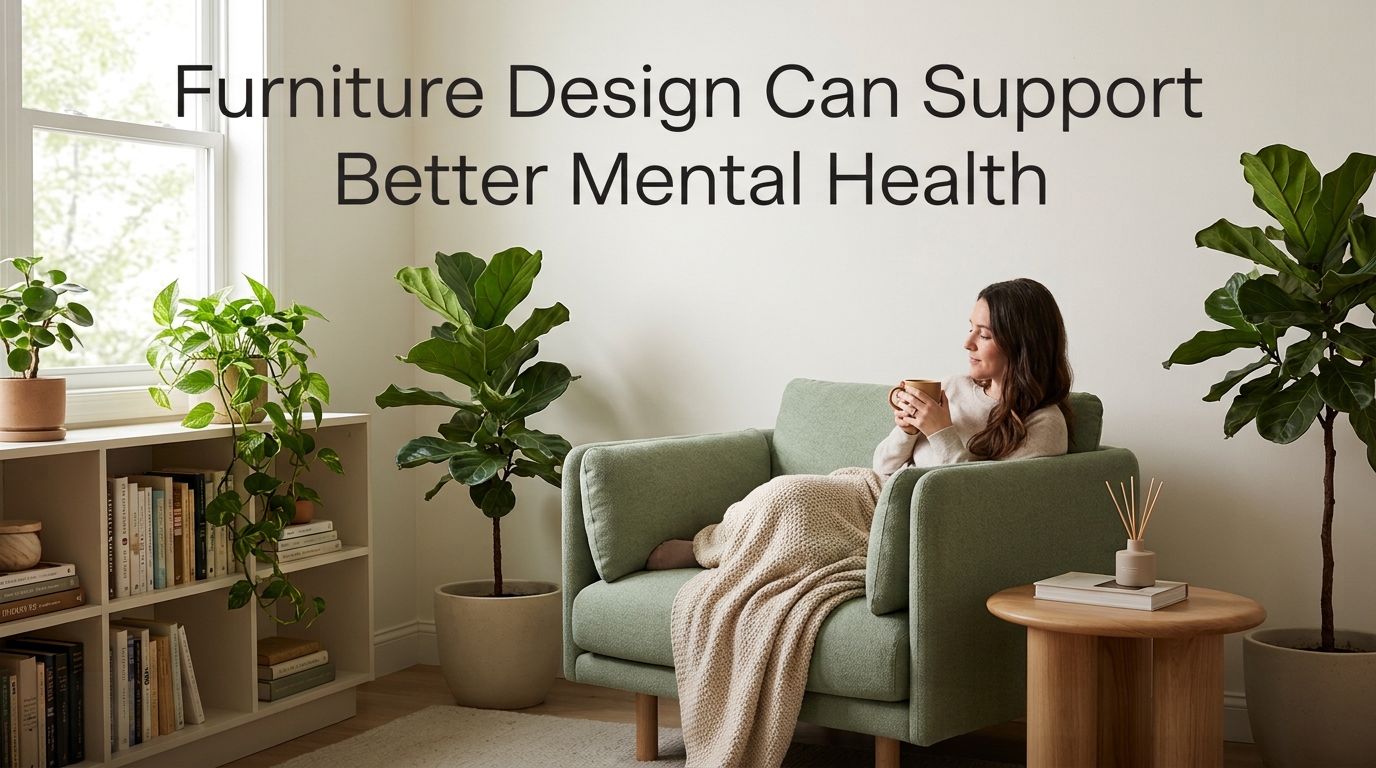
The space we surround ourselves in can have a profound influence on our mental state. If it’s not conducive to our relaxation and peace, it can interfere with our ability to heal and feel whole after a long day. As such, it’s essential to decorate your space intentionally to ensure you feel rejuvenated and refreshed by simply existing in its presence.
That said, this is often easier said than done. The spaces that we frequent—whether it’s our office cubicle or our home—can be quite difficult to decorate, especially if you don’t have a clear creative angle that you can orient yourself towards. This can be even more hampered by factors such as your budget and furniture availability within your area.
The good news is that there are tips and tricks around that can help you create a space that’s inviting and conducive for relaxation. If you’re keen to learn more about how to get started, then you’re in the right place. This article will explain how you can thoughtfully arrange furniture in a way that can keep your mental health in good shape.
Let’s get started.
How Does the Environment Affect Wellbeing?
As previously mentioned, the broader environment and our mental health are directly tied to one another. It not only shapes our feelings, but also how we behave and think throughout the day.
It does this in a number of ways. For one, our surroundings can either increase or reduce stress. If a space is too cluttered or poorly organised, this can make someone feel incredibly overwhelmed. This makes it hard for them to relax or enter a productive frame of mind.
On top of that, our environment also influences our level of physical comfort. If furniture is hard or forces the body into an unnatural position, then this could cause discomfort and reduced concentration. Moreover, certain furniture types could also be hazardous to vulnerable individuals due to their flimsy properties or sharp edges.
On the other hand, if the furniture type is soft, safe, and conducive for all sorts of individuals, then this could elevate the dweller’s moods and improve their concentration within that space. They can also promote heightened restfulness, especially if it’s the case of using heavy-duty mental health mattresses.
Moreover, the aesthetics and setting of the room can also shape our mindset. Small design choices and the overall layout alike can greatly impact how we feel about the space, and whether it can come across as welcoming, spacious, or calming to both dwellers and visitors.
An unideal room setup can be visually overwhelming and feel cluttered. As such, it’s important to be mindful of what you put in your room and home at large to ensure that it’s restorative enough to meet the demands of everyday life.
What Furniture Design Properties Affect Interiors?
Furniture contributes more than just functionality; it can also influence the room’s overall atmosphere.
It achieves this in multiple ways, and understanding the various facets of this influence can help you better narrow down your decision on what furniture to pick for your interior.
Here are some design properties to pay attention to that can affect the way an interior looks and feels to its primary resident:
- Scale and proportion: Concerns itself with the size and scale of the furniture in relation to the room. When it’s too big, it can make rooms feel cramped; if it’s too small, it may make the space feel disconnected. Balance is key.
- Material and texture: Upholstered fabrics, natural wood, and tactile finishes can make a room feel inviting. On the flip side, industrial materials like cement can bring out the opposite effect. High-quality materials also play a role in making furniture feel luxurious and elegant, not to mention safe.
- Colour: The colours of a space—and its respective furniture sets—can greatly affect the vibe of an interior, and as an extension, the way its dwellers and residents feel when entering the space. Some colours exude energy and vitality, whereas others are more muted and calming for the eyes.
- Comfort: Ergonomic, supportive, and flexible features can act to create an interior that feels aesthetically pleasing.
By being aware of these furniture design properties, you’ll be better equipped to create an interior that balances aesthetics with functionality, thereby making a place where you can thrive more easily.
How Does Thoughtful Furniture Design Enhance Livability
Now that you’re aware of the impact of furniture and the environment on your wellbeing, the next question then becomes: how does the furniture design make a space livable? Or more specifically, how does it improve mental health outcomes?
It can achieve this in multiple ways, namely by:
- Prioritising Physical Comfort
Comfortable furniture can make a place feel exponentially more livable.
When your furniture is meticulously picked to enhance your comfort while in the room, it’s easier to rest, get work done, and enjoy leisure activities without your body working against you. This can contribute to a greater sense of well-being and productivity.
- Promoting Organisation
An interior that’s thoughtfully designed also makes it easier for you to organise your belongings and know where all your things are placed. This makes your space feel easier to navigate.
And by being thoughtful about the space-saving and storage solutions you decide to put in your room, you can also design your room in such a way that fits your vibe and doesn’t look cluttered. This, in turn, makes you feel calmer while staying in that space.
- Encouraging Relaxation (or Productivity)
Lastly, properly thought-out furniture can make you feel more relaxed while staying in the space. When you’re relaxed, you can more easily get in the mood to kick back, sleep, and generally feel at home, leaving you feeling refreshed to take on the day ahead.
On the other hand, you can also decorate your space in such a way that your productivity gets a jump. An ergonomic chair and a wide table to hold your desktop or writing instruments can dictate the speed and quality of your output, making them essential considerations when planning your overall layout.
We hope that this article has helped you understand the usefulness of thoughtful furniture design. All the best in picking the right furniture pieces to decorate your home!

