
Painting is one of the simplest ways to transform a home, but getting a polished result takes more than choosing an attractive color and grabbing a brush. Preparation, materials, and technique all influence how good the finished room looks and how well the paint performs over time.
Whether you are refreshing a single bedroom or redecorating several rooms, knowing what to do and what to avoid can save considerable time and frustration. Here are some of the most important right and wrong ways to approach painting your home.
Right: Spend Time Choosing Your Colors
A color that looks perfect on a small sample may appear very different when applied across an entire wall. Natural light, artificial lighting, flooring, and furniture can all change how a shade appears throughout the day.
Test a few colors before committing. If you are searching for Farrow and Ball paint St Albans, exploring different shades and finishes before making your final choice can help you find an option that complements the room rather than competing with its existing features.
Consider the atmosphere you want to create as well, and remember that choosing the right paint color can influence the overall character of a home just as it does with home exterior improvements. Softer colors can produce a calm environment, while richer shades can introduce character and drama.
Wrong: Skip the Preparation
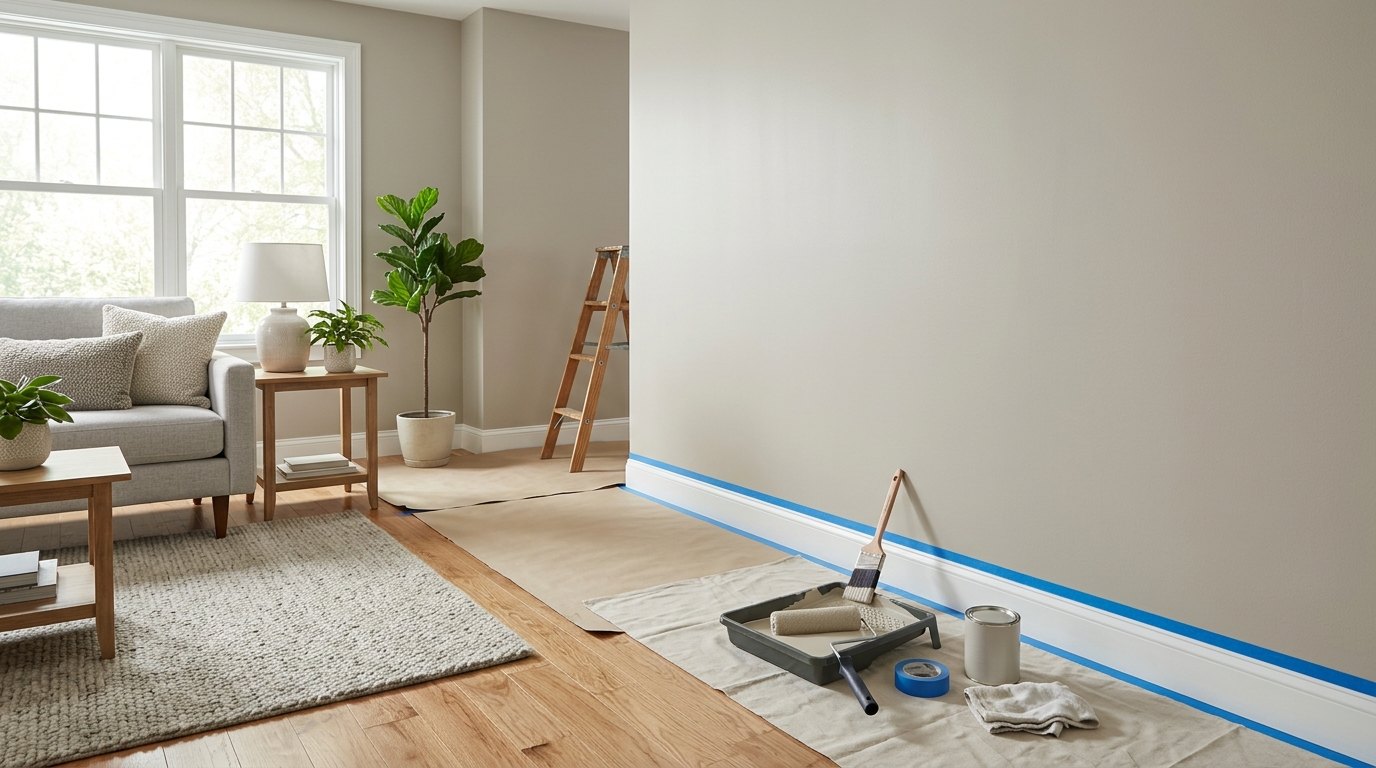
Preparation is rarely the most exciting part of decorating, but skipping it is one of the easiest ways to end up with a disappointing finish, especially when walls have peeling paint, stains, cracks, or visible repairs. Start by cleaning the walls, particularly in kitchens and other areas where grease or dirt can accumulate. Then, fill holes and cracks, sand uneven surfaces, and remove loose or flaking paint. You will also want to protect floors and furniture before opening the paint tin. Taking extra time at this stage can make the actual painting process considerably easier.
Right: Use Appropriate Tools
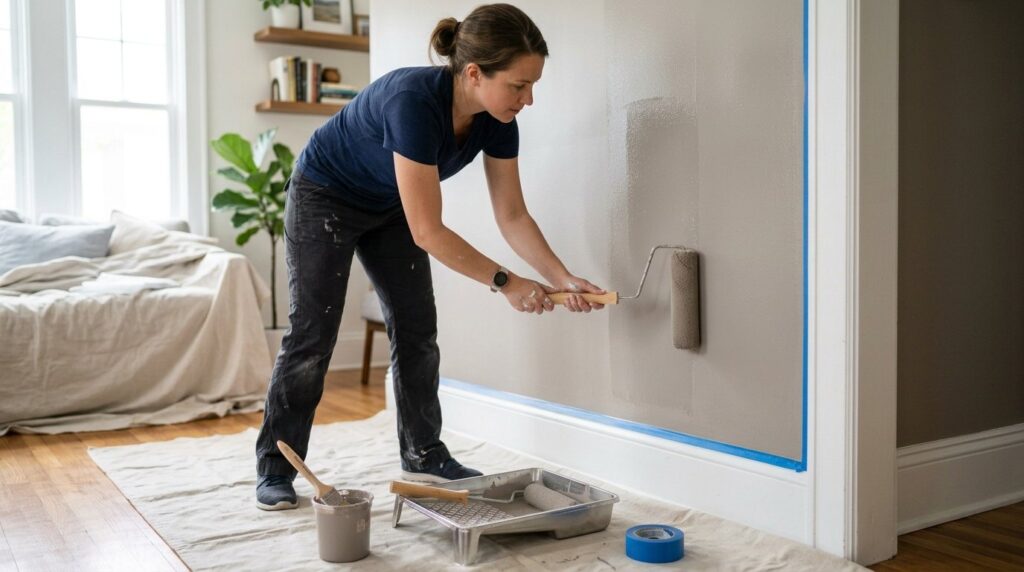
A good finish depends partly on using the correct equipment. Different brushes and rollers are designed for different surfaces, paint types and tasks. A smaller brush can provide greater control around edges, switches and architectural details, while a roller makes covering large wall areas faster. Extension poles can also make ceilings and high walls easier to tackle without constantly moving a ladder.
Wrong: Overload Your Brush or Roller
Applying too much paint at once might seem like a way to finish the job faster, but it can result in drips, uneven coverage, and visible texture. Apply paint in controlled, even layers. Two thinner coats will often produce a more consistent finish than one excessively thick coat. Follow the manufacturer’s guidance regarding drying and recoating times rather than rushing to apply the next layer.
Right: Think About the Paint Finish
Color is only part of the decision. The finish can affect both the appearance and practicality of a painted surface. Some finishes are better suited to walls, while others are intended for woodwork or areas requiring greater durability. Kitchens, hallways, and children’s rooms may benefit from finishes that are easier to clean.
Wrong: Forget the Final Details
Once the walls are painted, inspect the room in good natural and artificial light, paying attention to the small finishing touches that can make a big difference to a home renovation. Small missed areas or uneven edges can become much more noticeable after furniture is returned. Allow surfaces to dry properly before replacing pictures, shelves, or furniture. Removing protective tape carefully and cleaning brushes promptly will also make the end of the project easier.
By avoiding shortcuts and giving each stage the attention it deserves, you can create a refreshed interior that looks good and remains attractive for years to come.

