
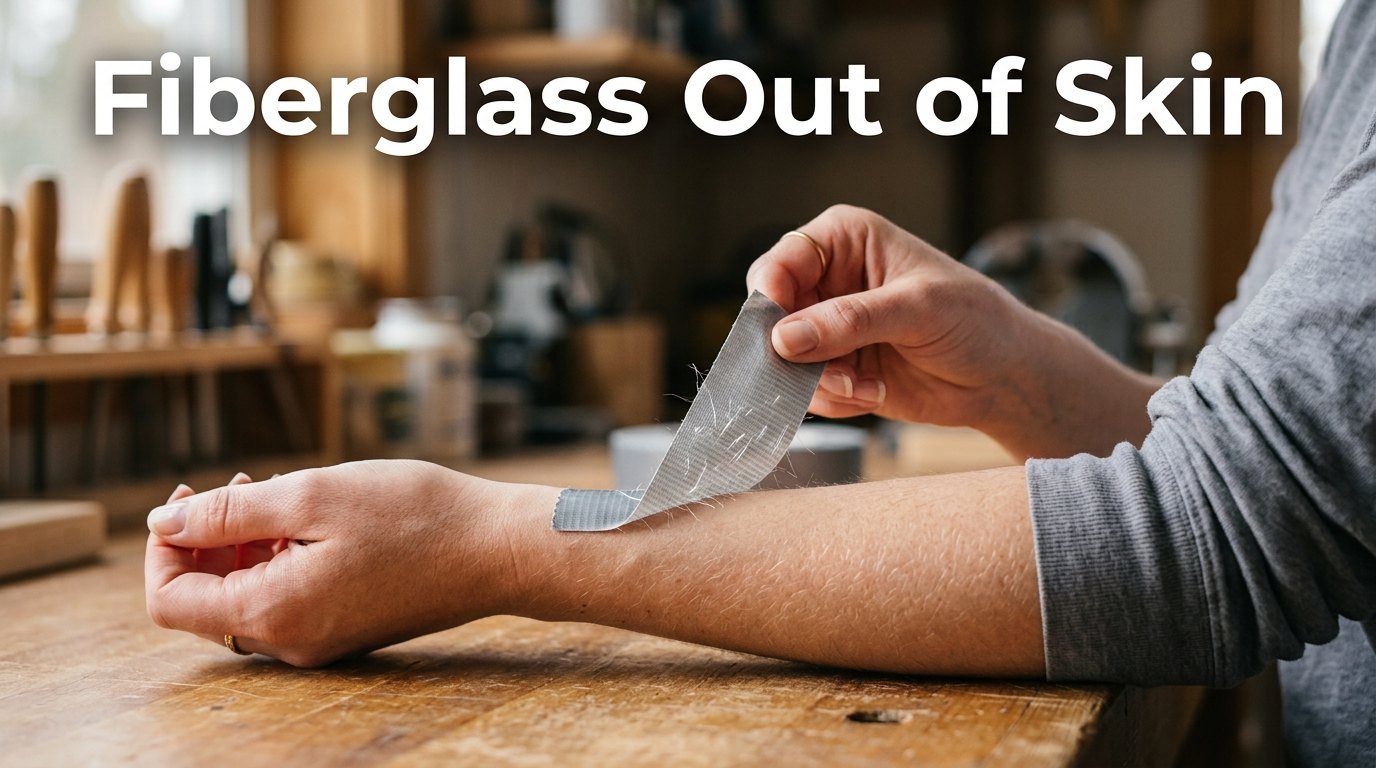
If you have just brushed against insulation, a boat hull, or a fiberglass panel and your skin feels like it is crawling with invisible needles, you already know how miserable this stuff is. Learning how to get fiberglass out of skin quickly is the difference between a few hours of mild irritation and days of itching that gets worse every time you scratch. The good news is that most fiberglass exposure is a surface-level problem you can handle at home with a few household tools, some patience, and a bit of care not to push the fibers in deeper.
This guide walks through exactly what to do in the first few minutes after exposure, the removal methods that actually work, the mistakes that make things worse, and the warning signs that mean it is time to call a doctor instead of reaching for more tape.
What Fiberglass Actually Does to Your Skin
Fiberglass is made from extremely thin strands of spun glass, often woven into insulation, boat hulls, car body panels, roofing shingles, and some plastics. The individual fibers are so small that they are barely visible, but they are stiff and slightly barbed at a microscopic level. When they brush against skin, they do not cut the way a splinter of wood does. Instead, they snag on the outer layer of skin cells and work their way in, especially in areas where skin is thin or where you sweat, such as the inside of the elbow, the neck, or the wrists.
Health agencies that track occupational exposure describe this as a mechanical irritation rather than a chemical burn or an allergic reaction. The Washington State Department of Health explains that direct contact with fiberglass can cause itching, redness, and general irritation of the skin, eyes, nose, and throat, and that these symptoms are usually temporary once the fibers are removed. That distinction matters because it means the itching is not a sign of poisoning. It is your skin’s normal reaction to a foreign object lodged just under the surface.
Quick Answer: How to Get Fiberglass Out of Skin
If you only have a minute to read this, here is the short version. Do not scratch the area. Rinse with cool to lukewarm water to help contract the skin and push fibers toward the surface, then gently wash with soap. Once dry, press a strip of adhesive tape, such as duct tape or packing tape, onto the skin and peel it off to lift out surface fibers. Repeat with a fresh piece of tape until it stops picking anything up, then use sterilized tweezers for any fibers you can clearly see. Finish with a mild moisturizer or hydrocortisone cream to calm the remaining irritation. The full explanation of each step, along with what not to do, follows below.
Step-by-Step: Removing Fiberglass From Skin
Step 1: Stop and Assess Before You Touch Anything
Before you do anything else, resist the urge to rub or scratch the itchy area. Fibers that are only sitting on the surface can get pushed deeper into the skin by friction, which turns a simple irritation into something harder to treat. If you are still wearing the clothing you had on during exposure, remove it carefully rather than pulling it over your head, since that can shake loose fibers onto your face and neck. Set the clothing aside to be washed separately from your regular laundry, ideally in its own cycle, since fiberglass fibers can cling to fabric and transfer to other clothes in the wash.
Step 2: Rinse With Cool to Lukewarm Water
Head to a sink or shower and rinse the affected skin with cool or lukewarm water rather than hot. Hot water opens your pores, which can allow fibers to work deeper into the skin, while cooler water causes the skin to contract slightly, which helps push embedded fibers back toward the surface where they are easier to remove. Let the water run over the area for a minute or two, then gently pat the area dry with a clean towel instead of rubbing.
Step 3: Wash With Mild Soap
Follow the rinse with a gentle wash using mild soap and lukewarm water. Wipe the area with a soft washcloth using light, one-direction strokes rather than scrubbing back and forth, which can drive fibers deeper. This step removes loose dust and surface fibers that rinsing alone may not fully clear.
Step 4: Use the Tape Method to Lift Embedded Fibers
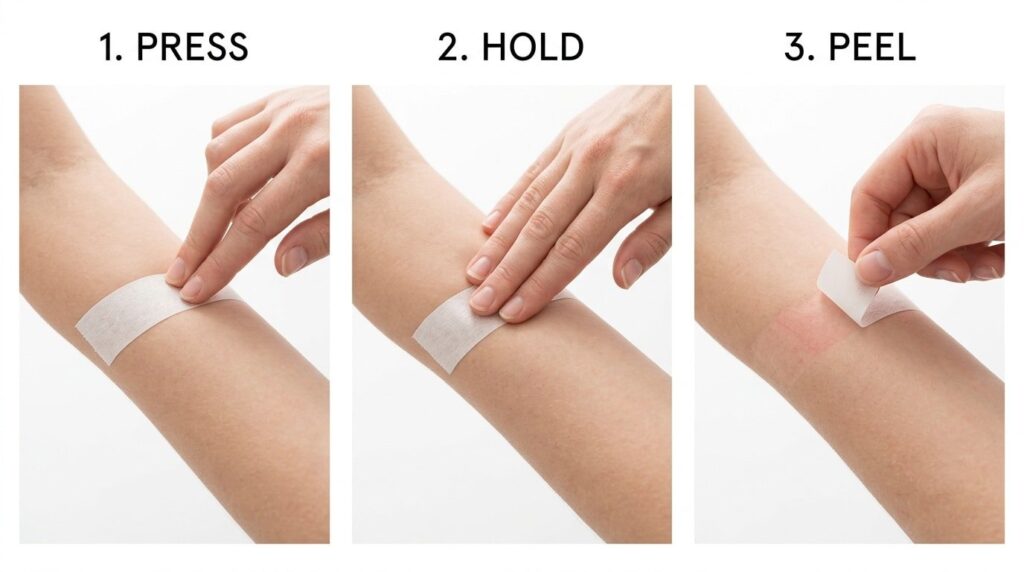
Once the skin is dry, cut a strip of adhesive tape, duct tape, or even strong packing tape, and press it firmly onto the affected area. Let it sit for a few seconds, then peel it off in one smooth motion, similar to how you would remove a bandage. The sticky surface grabs onto the tips of fibers that are close to the surface and pulls them out as you lift the tape away. Use a fresh section of tape for each pass, since a piece that is already covered in fibers loses its grip. Repeat several times over the same area until a new strip comes away clean.
Step 5: Remove Visible Fibers With Tweezers
If you can see individual fibers sticking out of the skin, wash a pair of tweezers with rubbing alcohol or soap and water first. Grasp the visible end of the fiber close to the skin and pull it out at the same angle it entered, rather than straight up, which can snap the fiber and leave part of it behind. Work under good lighting, and consider using a magnifying glass for smaller or hard-to-see fibers, especially on hands and fingers.
Step 6: Soak or Apply a Warm Compress for Stubborn Fibers
For areas where fibers seem to be sitting a little deeper, a warm soak can help draw them closer to the surface so tape or tweezers can catch them. Soaking the affected area in warm water for ten to fifteen minutes, or applying a warm, damp washcloth as a compress, softens the skin slightly and can loosen fibers that resisted the first round of tape. Some people add Epsom salt to the soak on the theory that it helps pull fibers out, though this is a traditional home remedy rather than a medically proven treatment, so treat it as a comfort measure rather than a guaranteed fix.
Step 7: Soothe the Skin Afterward
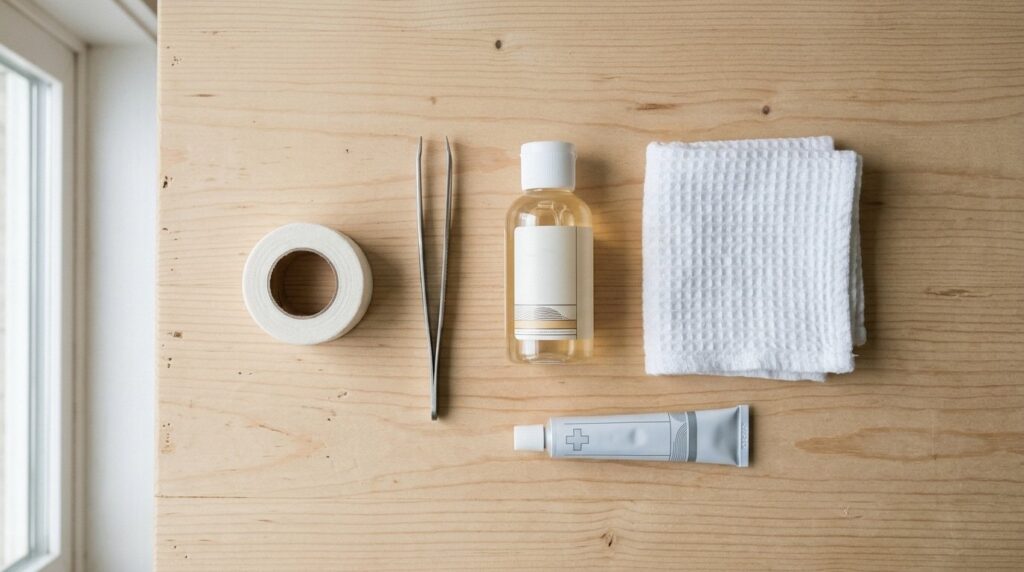
Once you have removed as many fibers as you reasonably can, calm the irritation with a fragrance-free moisturizer, a cool compress, or an over-the-counter anti-itch product containing hydrocortisone or calamine. These will not remove remaining fibers, but they reduce the itching that tempts people to scratch, which is often what causes the real damage. Avoid oily lotions immediately after the tape step, since oil can make the skin too slippery for tape to grip if you need another round.
Comparison of Fiberglass Removal Methods
Different methods work better depending on how deep the fibers sit and how large the affected area is. This table compares the main options so you can choose the right combination for your situation.
| Method | Best For | Difficulty | Time Needed | Limitations |
|---|---|---|---|---|
| Cool water rinse | First response, large areas | Very easy | 2 to 5 minutes | Removes loose dust, not embedded fibers |
| Tape lift | Surface-level fibers, arms, hands | Easy | 5 to 15 minutes | Less effective on very fine hair-covered skin |
| Tweezers | Individual visible fibers | Moderate | Varies by fiber count | Time-consuming for widespread exposure |
| Warm soak or compress | Deeper or stubborn fibers | Easy | 10 to 15 minutes | Softens skin, does not remove fibers on its own |
| Anti-itch cream | Post-removal comfort | Very easy | Ongoing as needed | Does not remove fibers |
Common Mistakes That Make Fiberglass Worse
A few habits tend to turn a manageable fiberglass exposure into a longer, itchier ordeal. Avoiding these can save you several extra days of discomfort.
- Scratching the itch. This is the single biggest mistake, since it pushes fibers deeper and can break the skin, raising the risk of infection.
- Taking a hot shower first. Hot water opens pores and can drive fibers inward instead of drawing them out.
- Rubbing with a rough towel. Vigorous rubbing has the same effect as scratching and can also spread loose fibers to unaffected skin.
- Reusing the same piece of tape. Once tape is covered in fibers, it loses adhesion and stops pulling out new ones effectively.
- Wearing the same contaminated clothes again before washing. Fibers cling to fabric and can reintroduce themselves to your skin.
- Ignoring fiberglass near the eyes or mouth. These areas need extra caution and sometimes professional care, since tape and tweezers are not appropriate there.
Preventing Fiberglass Exposure in the First Place
The easiest way to deal with fiberglass in your skin is to avoid getting it there. This matters most for anyone doing home renovation work, insulating an attic, or handling fiberglass panels for a boat or garage door repair. Long sleeves, gloves, and eye protection go a long way, and the same layered approach to protective gear you would use for yard work applies well to fiberglass jobs, since both involve fine particles that irritate exposed skin.
If your exposure happened while clearing out attic insulation disturbed by squirrels or other wildlife, keep in mind that contaminated insulation can also carry droppings or nesting debris, so gloves and a mask are worth using even for a quick cleanup. The Occupational Safety and Health Administration confirms that irritation from fibrous glass and mineral wool affects the eyes, skin, and lungs, and recommends controlling exposure through protective clothing and good ventilation whenever the material is disturbed.
Cost, Time, and Difficulty of At-Home Removal
Most fiberglass removal at home costs nothing beyond items you likely already own, such as tape, soap, and a washcloth. If you need to buy supplies, a roll of duct tape and a basic pair of tweezers together typically cost under fifteen dollars at any hardware or drugstore. The process itself is not technically difficult, but it does take patience. Light exposure on a small area, such as one forearm, can often be resolved in fifteen to twenty minutes. Heavier exposure covering the arms, chest, and neck, which is common after cutting or sanding fiberglass sheets, may take closer to an hour of rinsing, taping, and rechecking before the itching noticeably eases.
When to See a Doctor
Most fiberglass irritation resolves within a day or two once the fibers are removed and the skin is left alone. However, certain signs mean it is time to move beyond home remedies. MedlinePlus lists warning signs of an infected wound, including warmth and redness spreading around the area, a throbbing or worsening pain, fever, swelling, a red streak extending from the site, or pus-like drainage. Any of these symptoms after fiberglass exposure warrant a call to your doctor rather than continued home treatment.
You should also seek medical attention if fiberglass has gotten into your eyes, if you inhaled a large amount of dust and are having ongoing trouble breathing, or if a large area of skin remains intensely itchy for more than three or four days despite your best removal efforts. A healthcare provider has tools, including a dermatoscope or minor in-office procedures, that can remove fibers your hands cannot reach.
Frequently Asked Questions
Does hot water help get fiberglass out of skin?
No, hot water is generally discouraged because it opens your pores and can allow fibers to sink deeper into the skin. Cool or lukewarm water is recommended instead, since it causes the skin to contract slightly and helps push fibers back toward the surface where tape or tweezers can catch them.
How long does fiberglass itching usually last?
For most people, itching from surface-level fiberglass contact eases within a few hours to a couple of days once the fibers are properly removed and the skin is left to heal. If irritation persists beyond three or four days or seems to be getting worse instead of better, it is worth having a doctor take a closer look.
Can fiberglass work its way out of skin on its own?
Very small or shallow fibers sometimes do work their way out through the skin’s natural shedding process over several days, similar to how a tiny splinter can eventually disappear. Deeper or larger fibers usually need active removal with tape or tweezers, since leaving them in place tends to prolong itching and increases the temptation to scratch.
Is it safe to use duct tape directly on skin to remove fiberglass?
Yes, for most people duct tape or similar adhesive tape is a widely used and generally safe method, as long as you avoid sensitive areas like the eyelids or broken skin and do not leave the tape on for an extended time. If you have particularly sensitive or fragile skin, a gentler alternative like painter’s tape or a lint roller can be tried first.
What does a fiberglass rash look like?
A fiberglass rash typically appears as small red bumps or a patchy area of irritated, sometimes slightly raised skin, often accompanied by intense itching rather than pain. It can resemble a mild allergic rash, but it is caused by physical irritation from the fibers rather than an allergic reaction.
Can fiberglass exposure cause long-term health problems?
Short-term skin, eye, and throat irritation is the most common effect of casual fiberglass contact, and the Agency for Toxic Substances and Disease Registry has found no clear association between typical fiberglass insulation exposure and cancer in humans. Prolonged, high-level occupational exposure without protective equipment carries more risk, which is why safety agencies recommend gloves, long sleeves, and masks for anyone regularly working with the material.
Should I wash clothes that touched fiberglass separately?
Yes, washing contaminated clothing separately from your regular laundry is recommended, since loose fibers can transfer onto other fabrics in the same wash cycle and cause new irritation later. Running an empty rinse cycle afterward can also help clear any residual fibers from the washing machine drum.
Final Thoughts
Fiberglass exposure is unpleasant, but it is rarely dangerous when you handle it correctly. Rinse with cool water, resist scratching, use tape and tweezers to lift out the fibers, and give your skin a little grace afterward with a soothing cream. If you are tackling a bigger project involving insulation, whether that is a renovation, an attic cleanup, or repairing a fiberglass panel, take a few extra minutes to glove up and cover exposed skin before you start. It is a lot easier to prevent the itch than to chase it out fiber by fiber. If irritation lingers past a few days or starts looking infected, do not wait it out. A quick visit to your doctor can clear up what tape and patience could not.

