
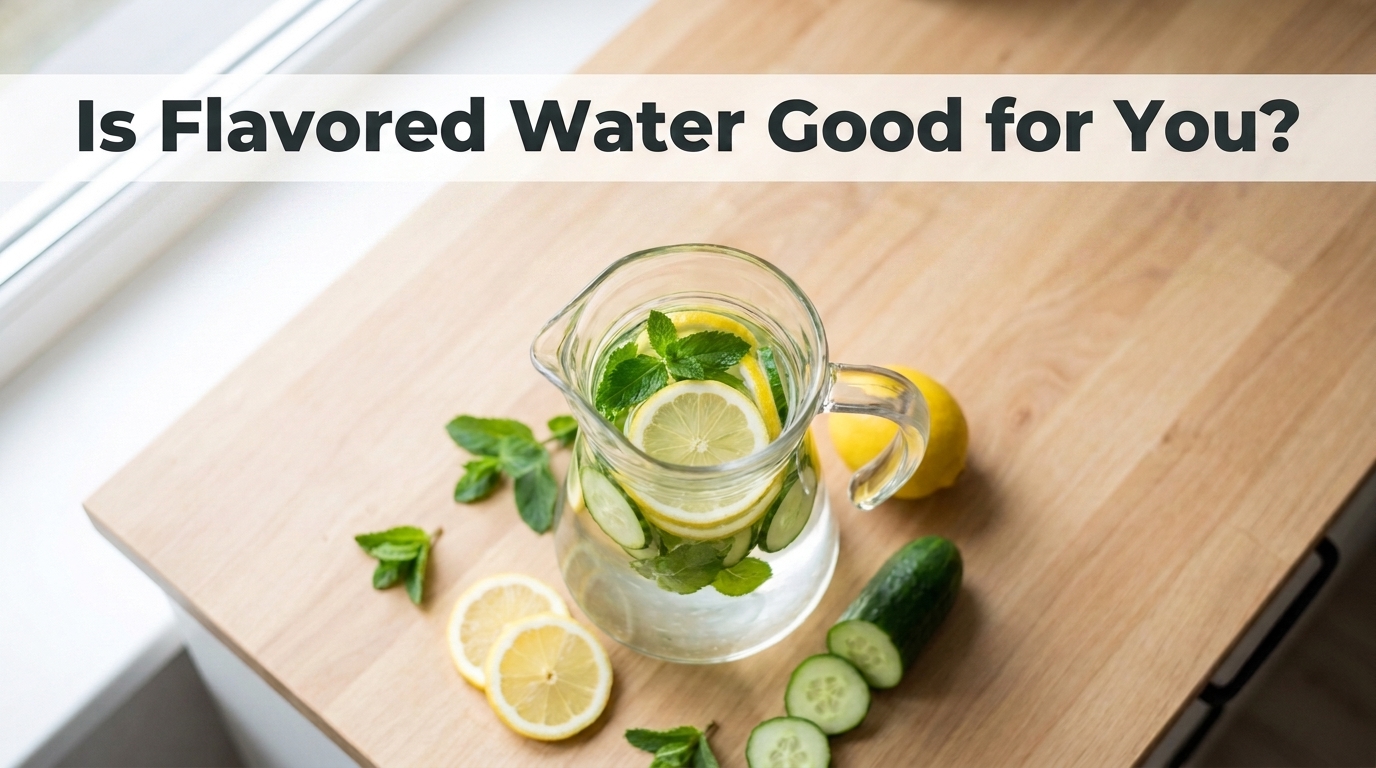
You’re standing in the beverage aisle again, holding a bottle that promises “natural flavors” and “zero sugar,” wondering if it’s actually doing your body any favors or if it’s just soda in disguise. It’s a fair question, and honestly, most people never get a straight answer to it.
So is flavored water good for you? The short version: it depends almost entirely on what’s inside the bottle, not the label on the front. Some flavored waters are genuinely one of the easiest upgrades you can make to your daily routine. Others are closer to candy with bubbles. The trick is knowing how to tell the difference, and that’s exactly what this guide walks through.
Plain water is still the gold standard for hydration, and daily fluid needs vary from person to person based on activity, climate, and overall health. But plain water isn’t always appealing, especially if you’re trying to break a soda habit or you simply forget to drink enough during a busy day. That’s where flavor comes in.
What Counts as Flavored Water, Exactly?
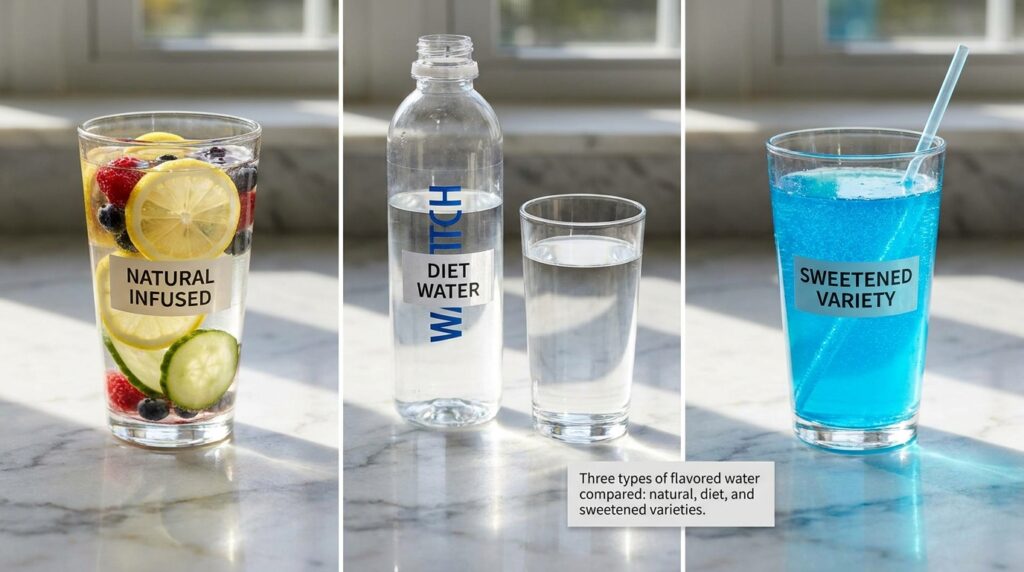
Flavored water is any water product with added taste, whether that’s a squeeze of citrus, a splash of natural fruit extract, or a synthetic flavor compound cooked up in a lab. It can be homemade, bottled, or mixed from a powder or liquid concentrate.
In the United States, flavored bottled water is regulated as a food product, which means manufacturers have to meet safety and labeling standards, list every added ingredient, and follow sanitation rules during production. That’s reassuring from a safety standpoint, but it says nothing about nutrition. A product can be perfectly safe and still be loaded with more sugar than a can of cola.
There are roughly three categories worth knowing:
- Naturally infused water — plain water steeped with real fruit, herbs, or vegetables, either homemade or bottled with no added sugar.
- Diet or “zero sugar” flavored water — sweetened with sugar substitutes like sucralose, stevia, or aspartame instead of actual sugar.
- Sweetened flavored water — contains added cane sugar, high-fructose corn syrup, or fruit juice concentrate, and is nutritionally closer to a soft drink than to water.
Knowing which bucket a product falls into is the single biggest factor in answering whether it’s good for you.
Is Flavored Water Good for You? Breaking Down the Real Answer
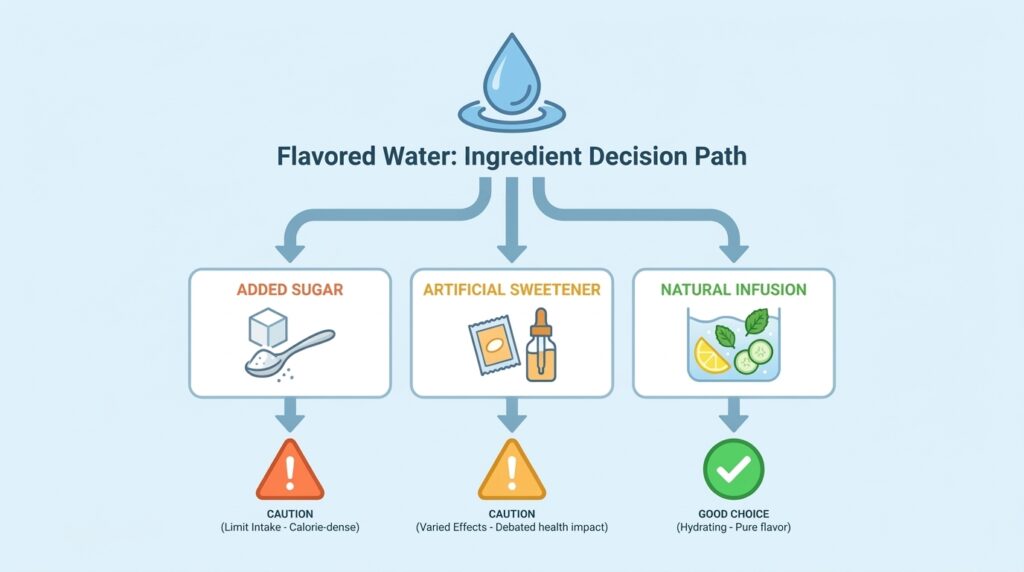
Here’s the part most articles skip: flavored water isn’t one thing. Comparing a lemon-and-cucumber pitcher you made at home to a neon-colored bottle with 34 grams of added sugar is like comparing a salad to a slice of cake and asking if “vegetables” are healthy.
That said, there’s a genuinely useful pattern here. Unsweetened or lightly sweetened flavored water tends to help people drink more fluid overall, and increasing fluid intake is linked to real benefits like clearer thinking, better mood, and steadier energy throughout the day. The flavor isn’t just a gimmick. It’s often the difference between someone drinking their water and leaving it untouched on the desk.
The catch is that flavor almost always comes at a cost, whether that’s added sugar, artificial sweeteners, acidity, or a higher price tag for something you could make at home in five minutes. Weighing that trade-off honestly is the whole game.
The Real Benefits of Drinking Flavored Water
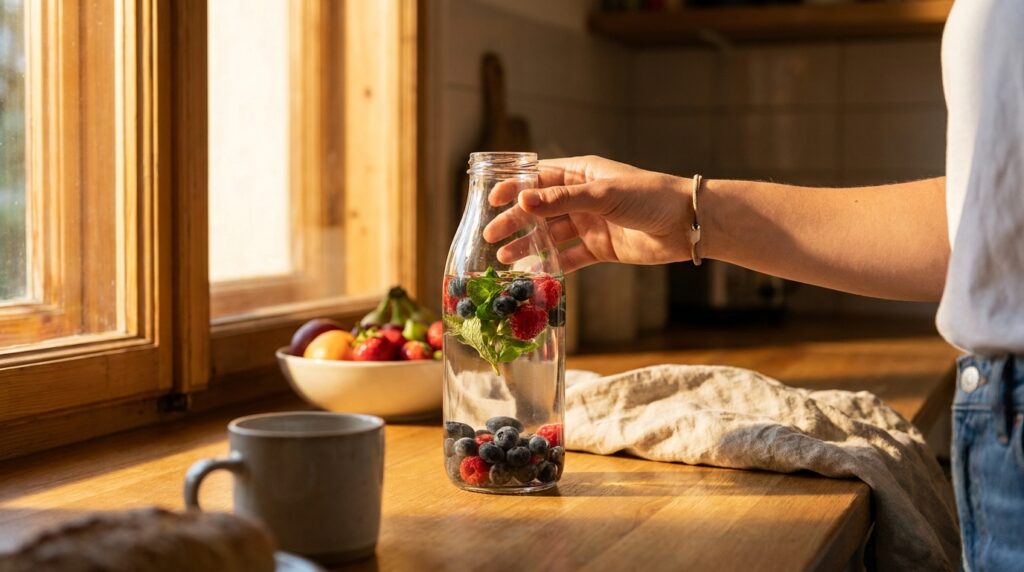
It Makes You Actually Drink More Water
This sounds almost too simple to matter, but it’s the biggest benefit by a wide margin. Most Americans fall short of recommended fluid intake, and dehydration is a genuinely common, mostly invisible problem. Flavored water can be a good step toward staying hydrated as long as you’re paying attention to added sugar and caffeine.
If a splash of citrus or a few muddled berries is the difference between finishing two glasses of water a day and finishing eight, the flavor is doing real work.
It Can Replace Sugary Drinks
This is where flavored water earns its reputation as a healthy swap. Sugar-sweetened beverages are consumed daily by a large share of American adults, and swapping sodas for water infused with fruit slices or herbs is a well-known, low-effort way to cut added sugar.
Swapping even one soda a day for unsweetened flavored water can meaningfully reduce your daily sugar and calorie intake without requiring any real willpower, since the drink still tastes like something.
Real Fruit and Herbs Add More Than Just Taste
When you infuse water with actual produce rather than flavor extract, you get a small bonus of nutrients along for the ride. Citrus fruits contribute vitamin C, berries bring antioxidants like flavonoids, and herbs such as mint or basil add trace plant compounds. It’s not a substitute for eating whole fruit, but it’s not nothing either.
It Can Be Gentler on Your Wallet and Your Habits
Homemade flavored water is dramatically cheaper than bottled versions, and building the habit of infusing a pitcher each morning tends to stick better than buying single-use bottles, which also cuts down on plastic waste over time.
What to Watch Out For (The Downsides Nobody Puts on the Front Label)
Added Sugar Hiding in Plain Sight
This is the number one issue. Many commercial flavored waters use cane sugar or high-fructose corn syrup, and a bottle can contain as much sugar as a soda while still being marketed with words like “refreshing” or “natural.” Some water flavor packets and enhancers lean heavily on added sugar or artificial ingredients purely for taste, with little to no real nutritional upside.
Always flip the bottle around. If sugar, cane syrup, or fruit juice concentrate shows up in the first three ingredients, you’re not drinking a health product.
Artificial Sweeteners Aren’t Automatically the Safe Choice
Diet flavored waters swap sugar for sweeteners like sucralose, aspartame, or acesulfame potassium. These are considered safe by regulatory agencies in typical amounts, but some research has linked heavy, long-term use to changes in appetite, gut bacteria, and metabolic markers. Moderation still applies here, even without the sugar.
Acidity and Your Teeth
Citrus-flavored and carbonated waters tend to be more acidic than plain water. Sipping them constantly throughout the day, rather than drinking them in one sitting, gives that acid more contact time with your enamel. Flavored water still carries oral health risks depending on what’s mixed into it, similar to juice or soda.
A simple fix: drink it with a straw, or rinse your mouth with plain water afterward instead of brushing immediately, since brushing right after acidic exposure can wear down softened enamel.
Sugar Alcohols and Digestive Upset
Ingredients ending in “-ol,” like xylitol, erythritol, and sorbitol, show up in a lot of “sugar-free” flavored waters. In large amounts, they can cause bloating, gas, or a laxative effect for some people, so it’s worth checking labels if you notice stomach discomfort after switching drinks.
The Price Tag
Bottled flavored water, especially premium or vitamin-enhanced versions, can cost significantly more per ounce than plain water or homemade infusions, for a product that in most cases isn’t meaningfully more hydrating.
Store-Bought vs. Homemade Flavored Water: A Quick Comparison
| Factor | Homemade Infused Water | Store-Bought (Unsweetened) | Store-Bought (Sweetened) |
|---|---|---|---|
| Added sugar | None, unless you add it | Usually none | Often 15–35g per bottle |
| Cost | Very low | Moderate | Moderate to high |
| Control over ingredients | Full control | Limited | Limited |
| Convenience | Requires prep | Grab and go | Grab and go |
| Shelf stability | 2–3 days refrigerated | Weeks to months | Weeks to months |
| Best for | Daily hydration habit | Travel, work, gym bag | Occasional treat, not daily use |
How to Make Healthier Flavored Water at Home
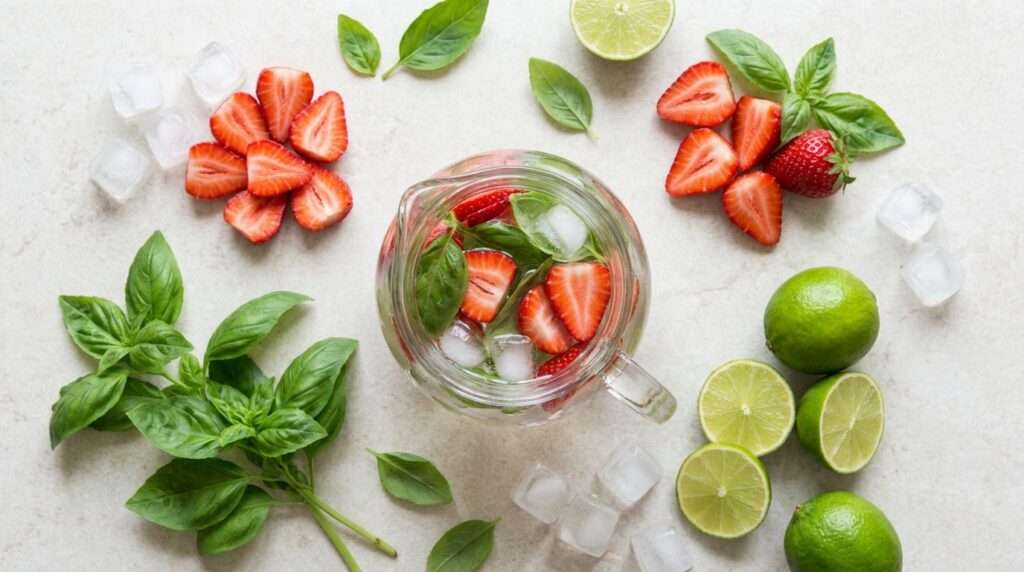
Homemade infused water gives you the most control and the lowest cost, and it takes almost no effort once it’s part of your routine.
- Fill a pitcher or large jar with cold, filtered water.
- Add sliced fruit, cucumber, or fresh herbs. Popular combinations include lemon and mint, strawberry and basil, or cucumber and lime.
- Let it sit in the refrigerator for at least two hours so the flavors have time to infuse.
- Strain or leave the produce in, depending on preference, and refill the pitcher with fresh water once or twice as the flavor fades.
- Use within two to three days for the best taste and food safety.
If you regularly host gatherings or just like your drinks properly cold, a dedicated countertop or under-counter ice maker can make a noticeable difference, since clear, slow-melting ice keeps infused water cold without watering down the flavor as quickly as standard cubes.
A few practical tips that make a real difference in taste:
- Muddle berries or citrus slightly before adding them to release more flavor faster.
- Use sparkling water instead of still water for a soda-like feel without the sugar.
- Freeze fruit into ice cubes so melting ice adds flavor instead of diluting it.
- Add a small pinch of salt if you’ve been sweating heavily, since it can help with fluid balance during hot weather or exercise.
Reading the Label: What Actually Matters
When you’re shopping for bottled flavored water, ignore the front of the label entirely and go straight to the ingredients list and nutrition facts panel. Here’s what to look for:
- Added sugars line: Anything above 0–5 grams per serving starts to add up quickly, especially if you’re drinking more than one bottle a day.
- Sweetener type: Sucralose, aspartame, stevia, and monk fruit all behave differently in the body; if you’re sensitive to any of them, this is where you’ll find out.
- Sodium content: Some electrolyte-style flavored waters add sodium, which is useful after a workout but unnecessary for everyday sipping.
- Caffeine: A handful of “energizing” flavored waters sneak in caffeine, which matters if you’re also drinking coffee or tea and trying to manage your total intake.
- Serving size games: A bottle that looks like a single serving may actually be listed as two, which can hide the true sugar count.
Who Should Be Extra Careful With Flavored Water
Most healthy adults can enjoy flavored water without any issue, but a few groups should pay closer attention:
- People managing diabetes or blood sugar, who need to track added sugar closely and may want to favor unsweetened or naturally infused versions.
- Kids, since artificial sweeteners, caffeine, and dyes affect smaller bodies more noticeably and aren’t well studied in children long term.
- People with sensitive teeth or a history of enamel erosion, who may want to limit acidic citrus and carbonated versions.
- Anyone with IBS or a sensitivity to sugar alcohols, since xylitol and sorbitol are common digestive triggers.
- People on a low-sodium diet, who should check electrolyte-enhanced waters carefully.
Expert Tips for Making Flavored Water Part of a Healthy Routine
- Treat unsweetened, naturally flavored water as your everyday default, and save sweetened versions for occasional treats rather than daily staples.
- Keep a pitcher of infused water visible on the counter or in the fridge door. Simple hydration habits like this genuinely increase how much people drink.
- If you’re using flavored water to cut back on soda, do it gradually. Mixing half soda and half sparkling flavored water for a week or two makes the switch easier to stick with.
- Pay attention to urine color as a rough hydration check. Pale yellow generally means you’re doing fine; consistently dark yellow is a signal to drink more, regardless of what beverage you’re drinking.
- If you’re active or sweating heavily, an electrolyte-enhanced version can be genuinely useful. For everyday sipping, though, most people get enough electrolytes from a balanced diet without needing enhanced drinks.
Pros and Cons at a Glance
Pros
- Encourages higher overall water intake
- Can replace sugary sodas and juices
- Homemade versions are cheap and customizable
- Naturally infused versions add trace vitamins and antioxidants
- Widely available and easy to find unsweetened options
Cons
- Many store-bought versions contain significant added sugar
- Artificial sweeteners aren’t risk-free in large amounts
- Acidic flavors may affect tooth enamel over time
- Some contain sugar alcohols that cause digestive discomfort
- Premium bottled versions cost more than plain water for similar hydration value
FAQs About Flavored Water
Is flavored water as hydrating as plain water?
Yes, in most cases. The water content is what hydrates you, and added flavor doesn’t change that. The exception is very high-caffeine flavored waters, which can have a mild diuretic effect in large amounts, though this effect is smaller than most people assume.
Is flavored water bad for you if it has no sugar?
Unsweetened flavored water, whether homemade or artificially sweetened, is generally fine for daily use. The main things to watch are artificial sweetener sensitivity, acidity affecting your teeth, and any added sodium or caffeine you might not be tracking.
Can flavored water help with weight loss?
It can help indirectly by replacing high-calorie sugary drinks, which reduces total daily calorie intake without much extra effort. Flavored water itself doesn’t burn fat, but swapping soda for it is a well-documented, low-friction change that supports weight management goals.
Is homemade flavored water safer than store-bought?
“Safer” isn’t quite the right word since store-bought versions are regulated and tested, but homemade infused water gives you full control over sugar, additives, and freshness, which many people prefer. Just be sure to refrigerate it and use it within a few days to avoid bacterial growth from the fruit.
How much flavored water is too much in a day?
There’s no universal cutoff, but a reasonable guideline is to make unsweetened or naturally infused water your primary source of fluid, and treat sweetened bottled versions the way you’d treat a soda or juice, meaning occasional rather than constant. If you notice stomach upset, headaches, or dental sensitivity, that’s a sign to dial back.
The Bottom Line
Flavored water isn’t automatically healthy or automatically bad. It’s a spectrum, and where a specific bottle or pitcher falls on that spectrum depends entirely on what’s actually in it. Unsweetened and naturally infused versions are a genuinely smart way to drink more fluid and step away from sugary drinks. Heavily sweetened or artificially loaded versions are closer to soda wearing a disguise.
The simplest rule to walk away with: check the label before you check the flavor. If you’re making it at home with real fruit and herbs, you’re almost certainly in good shape. If you’re buying it, take fifteen seconds to read the ingredients before it goes in your cart, and your daily hydration habit will thank you for it.
This article is for general informational purposes only and is not a substitute for personalized medical or nutritional advice. If you have a specific health condition, such as diabetes, kidney concerns, or a digestive disorder, talk to a doctor or registered dietitian before making major changes to your fluid or sugar intake.

