
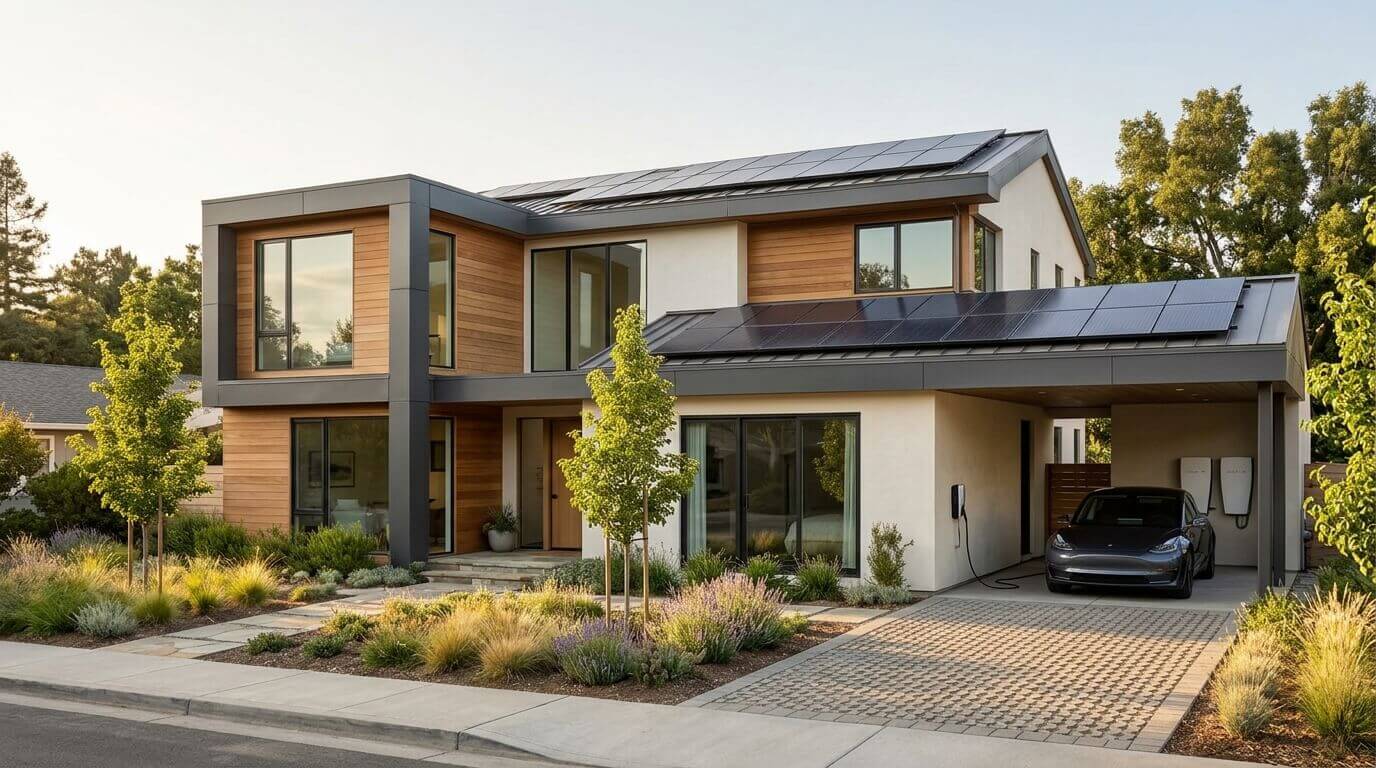
The shift towards sustainable living is changing how homeowners design, renovate, and power their properties. As wholesale energy prices fluctuate and smart home technology advances, reliance on fossil fuels for domestic heating and cooking is gradually declining. Homeowners are increasingly considering cleaner and more efficient energy solutions.
Modernising a property increasingly involves transitioning to an all-electric home. This shift is not just about reducing your carbon footprint. It can also help future-proof your living space, improve indoor air quality, and provide greater control over household energy costs. Undertaking this conversion safely requires proper planning and consultation with experienced professionals, such as Whitelock Electrical, who can assess your home’s electrical capacity before major work begins.
The True Cost of Holding Onto Gas
For decades, gas was considered a relatively cheap and efficient option for domestic heating and cooking. However, ongoing supply charges can make maintaining a gas connection expensive. Even if you rarely use gas appliances, an active residential connection can cost a typical Australian household between $292 and $365 per year in daily supply charges alone. These charges mean households continue paying for gas availability even when their actual consumption is relatively low.
When comparing the running costs of older appliances with modern alternatives, upgrading can offer financial benefits. According to a report by the Climate Council, transitioning to a fully electric home can save households between $803 and $1,899 annually, depending on their city. Homes equipped with rooftop solar panels may achieve additional savings by using generated electricity to power household appliances and reduce reliance on grid electricity.
Essential Upgrades for the Modern Home
Transitioning to an efficient, all-electric home does not have to happen all at once. Many homeowners choose a phased approach, replacing older appliances as they reach the end of their useful life. Several upgrades can make a significant difference:
- Reverse cycle air conditioning: Modern split systems can deliver 300 to 500 percent efficiency under suitable operating conditions. This can outperform traditional gas heaters, which typically operate at around 60 to 90 percent efficiency.
- Heat pump hot water systems: Water heating is one of the major energy uses in many households. Heat pumps can require approximately one-third of the energy used by traditional gas storage units, making them a useful option for improving energy efficiency and using available solar power.
- Induction cooktops: These appliances offer efficient heating, faster cooking times, and improved indoor air quality by eliminating open combustion in the kitchen.
- Electric Vehicle (EV) chargers: With around 80 percent of EV charging in Australia taking place at home, a dedicated wall charger can make regular charging more convenient. Using public fast chargers can cost upwards of $37.50 per charge, making home charging worth comparing over time.
These appliance upgrades work best when combined with foundational home improvements. Proper insulation and draft sealing can help heating and cooling systems maintain comfortable indoor temperatures while reducing unnecessary energy use. Reviewing practical home comfort improvements can also help identify areas where heat loss needs attention.
Why Your Switchboard Needs Attention
While purchasing new appliances is an important part of home electrification, the electrical infrastructure is equally important. Older residential switchboards, particularly those with ceramic fuses or asbestos backing, may lack the capacity and safety features needed for modern induction cooktops, heat pumps, and dedicated EV chargers.
Upgrading an electrical panel can improve household protection by incorporating modern safety switches and appropriate circuit protection. Because switchboard upgrades involve electrical safety requirements and load calculations, a qualified electrician should assess the existing installation. A professional inspection can determine whether consumer mains replacements or a three-phase power upgrade are necessary to support additional electrical demand.
Upgrading an outdated switchboard in Australia generally costs between $1,500 and $4,000, although the final amount depends on the property’s existing installation and the work required. Reviewing a practical home electrical safety guide can also help homeowners understand common electrical risks and basic safety considerations.
Taking Advantage of Available Support
The initial cost of replacing major appliances and upgrading electrical panels can be substantial, but various state and federal programmes are designed to reduce the financial burden. Government initiatives, such as the Victorian Energy Upgrades program and Solar Victoria, offer rebates for eligible households installing reverse cycle air conditioners, heat pump hot water units, and solar systems. Checking available incentives early in the renovation process can help reduce out-of-pocket expenses.
Before purchasing equipment, review the eligibility criteria, approved products, installation requirements, and application deadlines. Some programmes require work to be completed by approved providers, while others have specific conditions for receiving rebates.
By exploring available support, planning upgrades in stages, and ensuring the electrical infrastructure is suitable, transitioning to an all-electric home becomes more manageable. The result can be a safer and more energy-efficient living environment with lower dependence on fossil fuels.

