
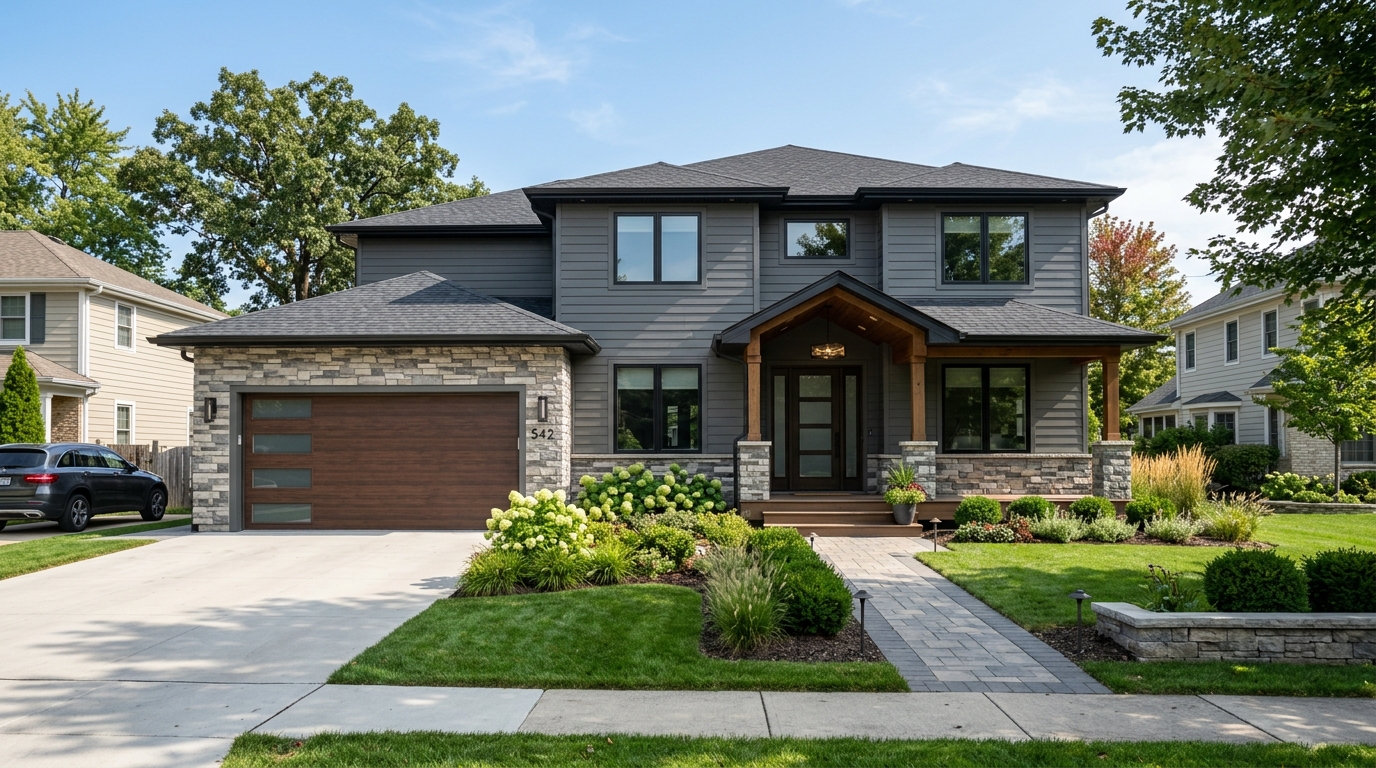
The exterior of your home speaks volumes before anyone even steps inside. It’s the first impression, a reflection of your property’s care, and a significant factor in its overall value. In today’s competitive maMany of the toprket, strategically enhancing your home’s curb appeal and ensuring its structural integrity is paramount.
We understand that embarking on exterior renovations can feel overwhelming. From choosing the right materials to understanding potential returns on investment, there’s a lot to consider. This extensive guide is designed to empower you with the knowledge needed to make informed decisions.
We’ll explore the highest-ROI exterior improvements that genuinely boost resale value, delve into comprehensive cost breakdowns for various scopes of work, and identify upgrades that deliver maximum curb appeal for minimal expense. We’ll also tackle crucial questions like whether to DIY or hire a professional, how to avoid common renovation mistakes, and the best sequence for tackling projects.
Understanding the interplay between critical components like your windows roofing siding and the overall building envelope is essential for a lasting, valuable improvement. Join us as we uncover how to transform your house from simply functional to truly stunning, ensuring every dollar spent contributes to lasting beauty and increased home equity.
When it comes to home improvements, not all projects are created equal in terms of financial return. For homeowners considering selling in the near future, or simply looking to make smart investments, focusing on exterior upgrades often yields the most significant dividends. According to Remodeling Magazine’s 2024 Cost vs. Value Report, a remarkable eight out of the top ten home improvements with the highest return on investment (ROI) are on the outside of the home. This data underscores a crucial point: buyers often form their initial, and most lasting, impressions before even stepping through the front door.
These projects don’t just look good; they actively increase appraisal value and tap into buyer psychology, making a home more attractive and often leading to faster sales and higher offers. The “Joy Score,” a metric that measures homeowner satisfaction with a project, also consistently ranks exterior renovations highly, indicating that these improvements bring significant personal enjoyment alongside financial benefits.
Let’s examine some of the standout projects that consistently deliver exceptional ROI:
Upgrading Entry Doors and Garage Doors
Few exterior updates offer as much bang for your buck as replacing an outdated entry door or garage door, especially when homeowners are comparing custom garage door options for their home. These are high-impact, high-visibility elements that can dramatically alter a home’s façade.
Garage Doors: A garage door replacement stands out as an undeniable winner in the ROI landscape. The 2024 Cost vs. Value Report indicates an average ROI of 194%, meaning a typical investment of $4,500 could see a return of $8,700 at resale. This impressive figure is largely due to the fact that garage doors can constitute 30-40% of a home’s visible front façade. Upgrading to a modern, insulated panel design not only enhances curb appeal but also improves energy efficiency and security. Simple changes like adding decorative hardware or choosing a contemporary style can make a significant difference.
Entry Doors: The front door is the focal point of your home’s entrance, a critical element of its “fifth elevation” – the detailed experience at the threshold. A steel entry door replacement, for instance, boasts an average ROI of 188%, with a $2,300 investment potentially yielding $4,400 back. Beyond the material, the color choice can be surprisingly impactful. A 2022 Zillow study found that homes with black front doors received offers that were, on average, $6,450 more than comparable homes. This highlights how a relatively small change can have a substantial psychological effect on prospective buyers. Consider not just the door slab, but also the surrounding portal framing, sidelights, and transoms to create a truly grand entrance. Upgrading hardware, adding smart locks, and ensuring the door is well-sealed also contribute to both aesthetics and function.
Structural Cladding and Manufactured Stone Veneer
Beyond doors, the materials that clad your home play a pivotal role in its aesthetic appeal, structural integrity, and perceived value.
Manufactured Stone Veneer: Applying manufactured stone veneer to a home’s lower façade or as architectural accents is a powerful way to add texture, sophistication, and a high ROI. This project consistently ranks among the top for cost recoupment, often in the range of 94-153%. It elevates the home’s exterior massing, creating a custom, high-end look. Whether used for wainscoting, around entryways, or on foundation walls, stone veneer adds significant visual weight and perceived value without the higher cost and installation complexity of natural stone. Many modern options are mortarless, simplifying installation while still delivering a durable, attractive finish.
Fiber Cement Siding: While not always boasting the sky-high ROI of doors, fiber cement siding is a highly durable and appealing option that significantly contributes to a home’s appraisal value. A national survey revealed that 91% of builders agree fiber cement siding increases a home’s appraisal value. A vinyl siding replacement has an average national cost of $17,400, with an 80% ROI. Fiber cement offers similar or better durability, fire resistance, and a more premium aesthetic, making it an excellent investment for long-term value and reduced maintenance. It allows for a wide range of styles, from traditional clapboard to modern board-and-batten, ensuring architectural harmony.
| Exterior Improvement | Average Cost (2024) | Average ROI (2024) | Estimated Recoup | Key Benefit |
|---|---|---|---|---|
| Garage Door Replacement | $4,500 | 194% | $8,700 | High visibility, energy efficiency |
| Steel Entry Door Replacement | $2,300 | 188% | $4,400 | Focal point, security, color impact |
| Manufactured Stone Veneer | $10,925 | 153% | $16,647 | Texture, perceived luxury |
| Vinyl Siding Replacement | $17,400 | 80% | $13,900 | Durability, low maintenance |
| Vinyl Window Replacement | $21,200 | 67% | $14,200 | Energy efficiency, comfort |
| Asphalt Shingle Roof Replacement | $30,600 | 57% | $17,400 | Critical protection, structural integrity |
Planning Essential Building Envelope and Weatherproofing Upgrades
Beyond aesthetics, the core function of your home’s exterior is to protect its inhabitants and structure from the elements. This is where the concept of the “building envelope” becomes paramount. A well-maintained and properly installed exterior acts as a comprehensive barrier against moisture, air infiltration, and thermal transfer. Prioritizing these essential weatherproofing and structural integrity upgrades is not just about curb appeal; it’s about preserving your investment, enhancing comfort, and improving energy efficiency. Neglecting these areas can lead to costly hidden damage down the line, eroding both your home’s value and your peace of mind.
Coordinating Windows, Roofing, and Siding Replacement
When undertaking major exterior renovations, a coordinated approach to windows, roofing, and siding is crucial. These elements are intrinsically linked, forming a protective shell for your home.
The Building Envelope: Think of your home as a system. The roof sheds water, the siding protects the walls, and windows provide light and ventilation while maintaining a seal. Issues in one area can quickly compromise another. For example, improper flashing around windows can lead to water intrusion behind new siding, negating your investment. Similarly, an old, leaky roof can cause damage to fascia boards and lead to premature siding deterioration.
Sequencing and Integration: Ideally, major envelope components should be replaced in a logical sequence to ensure proper integration and weatherproofing. Roofing typically comes first, followed by windows, and then siding. This allows each component to properly overlap and seal against the one below it. When replacing windows, opting for full-frame replacements (which involve removing the entire window unit down to the rough opening) rather than insert replacements provides an opportunity to inspect and repair the wall sheathing, weather-resistant barrier (WRB), and insulation behind the window. This comprehensive approach ensures a complete and durable seal.
Ignoring the substrate beneath the surface can be a costly mistake. The first square foot of siding removed often reveals the true condition of the wall assembly, potentially uncovering rotten sheathing, compromised WRB, or even framing decay. Addressing these hidden issues during the renovation process, rather than simply covering them up, is essential for long-term structural integrity and moisture management. Collaborating with professionals who understand building science and the intricate details of flashing integration is key to a successful, leak-free exterior.
Essential Home Exterior Improvements for Energy Efficiency
Beyond protection, your home’s exterior plays a significant role in its energy performance. Investing in energy-efficient upgrades can lead to substantial savings on utility bills, enhance indoor comfort, and increase your home’s marketability.
Windows: Upgrading to ENERGY STAR-rated windows is one of the most impactful energy-saving exterior improvements. Features like low-E (low-emissivity) coatings, argon or krypton gas fills between panes, and insulated frames significantly reduce heat transfer. A vinyl window replacement, with an average national cost of $21,200, offers a 67% ROI, but the energy savings contribute to ongoing value. These windows keep your home cooler in summer by blocking solar heat gain and warmer in winter by retaining indoor heat, potentially reducing heating and cooling costs by 12-33%.
Siding and Insulation: When replacing siding, consider adding an insulated backing or opting for insulated siding panels. This adds R-value to your wall assemblies (typically R-2 to R-5), providing an extra layer of thermal protection. This is particularly beneficial during a full siding tear-off, as it’s the opportune moment to upgrade wall insulation without additional demolition costs.
Attic Ventilation and Roofing: Proper attic ventilation is critical for energy efficiency and roof longevity. It helps to regulate attic temperatures, preventing heat buildup in summer and moisture accumulation in winter. Reflective roofing materials or lighter-colored shingles can also lower attic temperatures by 20-30°F, reducing the load on your air conditioning system. Ensuring all exterior penetrations, from electrical conduits to dryer vents, are properly sealed and weatherstripped prevents air leaks that can compromise your home’s thermal envelope.
Low-Cost Aesthetic Refreshes and Outdoor Living Spaces
You don’t always need a massive budget to make a significant impact on your home’s curb appeal. Many low-cost aesthetic refreshes can dramatically improve your home’s first impression, while strategic outdoor living spaces can add both enjoyment and value. In August 2026, design trends lean towards warm neutrals and natural palettes, making it easier than ever to achieve a sophisticated look without breaking the bank.
Budget-Friendly Home Exterior Improvements for Immediate Curb Appeal
These projects are often DIY-friendly or require minimal professional assistance, making them excellent choices for homeowners looking for quick, impactful changes.
Cleanliness and Paint: The simplest and often most effective upgrade is a thorough cleaning. Pressure washing your siding, driveway, walkways, and porch can instantly remove years of grime, mildew, and dirt, making everything look fresh and new. Following this, a fresh coat of paint on your front door can be transformative. While black doors are statistically proven to increase offers, warm neutrals, sage greens, or deep moody tones are also trending for accent colors in 2026. A small investment in paint can yield a massive visual return.
Hardware and Shutters: Outdated hardware can detract from even the most beautiful door. Replacing old house numbers, mailboxes, and exterior light fixtures with modern, cohesive styles can elevate the entire entryway. If your home has shutters, ensure they are properly sized (traditionally, half the width of the window) and in good repair. Modern decorative shutters offer more flexibility in styling, but proportion is still key. A fresh coat of paint or replacement with composite materials can dramatically improve their appearance.
Porch and Entryway: Spruce up your porch with inviting seating, potted plants, and a new welcome mat. These small touches create an inviting atmosphere. For homes with a flat, uninspired facade, even adding a small portico or decorative columns can provide architectural interest without major structural work.
Designing Pathways, Lighting, and Strategic Plantings
Thoughtful landscaping and lighting are often the unsung heroes of curb appeal, guiding the eye and enhancing the home’s features. Homes with high curb appeal sell 7% faster and for 7% more than comparable homes, according to a 2023 University of Texas at Arlington study.
Landscaping: Strategic landscaping can soften architectural lines, add color, and create visual interest. When planning, consider mature plant sizes to avoid future issues like overgrown shrubs blocking windows or damaging foundations. Layered flora, with low ground cover in front, mid-height shrubs, and taller accent plants or trees at the back, creates depth and visual appeal. Homes with nice landscaping sell for 2% more and about a day faster, according to Zillow’s research. For comprehensive planning and execution, consider consulting a full-service landscaping company to ensure your outdoor spaces are designed for both beauty and sustainability.
Pathways and Hardscaping: Well-defined pathways not only improve accessibility but also add structure and elegance to your landscape. Ensure walkways are at least 4 feet wide for comfortable passage and are properly graded for drainage. Adding decorative pavers, stepping stones, or even a simple gravel path can enhance the aesthetic. Stamped or textured concrete is another option worth weighing alongside pavers, it delivers the same custom, high-end look (flagstone, slate, or brick patterns) at a lower material cost and with far less long-term upkeep, since there are no individual joints for weeds, ants, or shifting to work through over time. In warmer, sun-heavy climates especially, homeowners are turning to professional resurfacing rather than a full tear-out; contractors like San Diego Decorative Concrete specialize in stamped and resurfaced concrete walkways and patios that hold up to years of foot traffic and UV exposure without cracking or fading.
Exterior Lighting: Outdoor lighting serves multiple purposes: safety, security, and ambiance. Homes with outdoor lighting sold for 1.2% more than similar homes without. Layer your lighting with pathway lights, uplights to highlight architectural features or trees, and sconces at entryways. Low-voltage LED lighting is energy-efficient and creates a warm, inviting glow. When adding or replacing exterior lighting, always hire a qualified electrician to ensure safety and proper installation, eliminating fire hazards and electrocution risks.
Project Sequencing, Budgeting, and Contractor Management
Embarking on exterior home improvements requires careful planning, not just in terms of design, but also in project sequencing, budgeting, and contractor selection. A well-managed project avoids costly mistakes, ensures structural integrity, and delivers the desired aesthetic outcome efficiently. Understanding the nuances of trade coordination, defining the scope of work, and planning for contingencies are critical for success.
Exterior Remodel Cost Tiers and Hidden Repairs
The cost of an exterior remodel can vary dramatically based on its scope, from a cosmetic refresh to a major structural overhaul. It’s crucial to understand these tiers and, more importantly, to budget for the unexpected.
Cost Tiers:
- Cosmetic Refresh: ($3,000–$8,000) This typically includes painting, minor landscaping, updating light fixtures, and perhaps a new front door.
- Targeted Upgrade: ($10,000–$25,000) Focuses on one major element, like new siding or a full window replacement.
- Full Exterior Makeover: ($25,000–$50,000) A comprehensive update involving multiple elements like siding, windows, doors, garage door, lighting, and landscaping.
- Major Whole-House Exterior Remodel: ($40,000–$90,000) This tier involves more extensive work, potentially including structural modifications, roof replacement, or complex material changes. Complex projects with premium materials can easily exceed $100,000 to $150,000+.
Hidden Repairs: One of the most significant budget pitfalls in exterior renovations is hidden damage. When siding is removed, it often reveals underlying issues like rotten sheathing, compromised weather-resistant barriers (WRB), or even structural framing decay due to past water intrusion. The first square foot of siding removed can be the most expensive because it uncovers these conditions. Carrying a contingency budget is not just wise; it’s essential. For straightforward homes without a history of leaks, a 10% contingency may suffice. However, for older homes, complex designs, or properties with known moisture issues, a 15% to 20% contingency is highly recommended. This reserve prevents project delays and unexpected costs from derailing your budget.
Quote Normalization: It’s common for contractor quotes to vary by tens of thousands of dollars, even for the same project. This isn’t always due to price gouging; it often reflects legitimate differences in what’s included. A lower bid might only cover surface-level application, while a higher one includes tear-off, proper weather barrier installation, flashing, and allowances for potential hidden repairs. Always normalize quotes by ensuring they detail demolition, disposal, flashing, trim substrate, permits, and repair allowances.
Phasing Order, Permitting, and Architectural Cohesion
Strategic phasing, adherence to local regulations, and maintaining architectural cohesion are paramount for a successful exterior renovation.
Phasing Order: The sequence of projects can significantly impact cost and efficiency. Generally, structural and envelope changes should precede cosmetic ones. A recommended order is:
- Roofing: Always address the top first to ensure a watertight seal for everything below.
- Structural Repairs: Any necessary framing or foundation work.
- Windows/Doors: Full-frame window replacement is best done before siding for proper flashing integration.
- Siding/Cladding: This protects the wall assembly.
- Porches/Decks/Additions: These often tie into the main structure.
- Paint/Finishes: The final aesthetic touches.
- Landscaping/Lighting: The last elements to enhance curb appeal.
Attempting to replace windows after new siding, for example, might mean cutting into brand-new cladding, leading to rework and additional expense. Grouping physically overlapping scopes, such as siding and full-frame windows, into one phase can save money on duplicate labor and ensure proper integration.
Permitting and Regulations: Most significant exterior renovations require municipal permits. Cosmetic updates like painting, minor landscaping, or replacing a door with the same size typically do not. However, structural changes, new window openings, porch additions, fence installations, or any alteration to the building’s footprint or structural integrity almost always do. Always check with your local planning or building department. Additionally, if you live in a community with a Homeowners Association (HOA), you’ll need to review their specific guidelines and obtain approval before starting any exterior work. For projects like fence installation, a property boundary survey is often required to confirm property lines and account for uneven ground leveling.
Architectural Cohesion: When planning your renovations, consider your home’s existing architectural style and the surrounding neighborhood. The goal isn’t to erase character but to elevate it. Choose materials, colors, and design elements that complement your home’s inherent style. For instance, a 1970s ranch home will look more authentic and appealing with mid-century or craftsman adaptations rather than trying to force a Mediterranean villa aesthetic. Using pre-construction 3D renderings can help visualize your exterior makeover before starting construction, ensuring balance, proportion, and material harmony.
Frequently Asked Questions About Exterior Home Renovations
We often hear similar questions from homeowners embarking on exterior improvement projects. Here, we address some of the most common inquiries to help clarify your renovation journey.
What exterior home improvement adds the most value?
Based on the 2024 Remodeling Magazine Cost vs. Value Report, the exterior improvements that consistently deliver the highest return on investment (ROI) are:
- Garage Door Replacement: Averaging 194% ROI. This project offers a significant visual upgrade for a relatively modest cost, impacting a large portion of your home’s façade.
- Steel Entry Door Replacement: Averaging 188% ROI. A new front door not only enhances curb appeal but also improves security and energy efficiency.
- Manufactured Stone Veneer: Averaging 153% ROI. Adding stone accents to your façade provides a luxurious, high-end look that significantly boosts appraisal value.
These projects are often referred to as the “Curb Appeal Power Trio” because their combined visual impact and high return rates make them exceptionally valuable for homeowners looking to maximize resale value.
How much does a full exterior home remodel cost?
The cost of a full exterior home remodel varies widely depending on the scope of work, materials chosen, regional labor costs, and the existing condition of your home. We can categorize costs into general tiers:
- Cosmetic Refresh: ($3,000 – $8,000) Focuses on paint, landscaping, and minor hardware upgrades.
- Targeted Upgrade: ($10,000 – $25,000) Involves one major element, like new siding or a window replacement.
- Full Exterior Makeover: ($25,000 – $50,000) A comprehensive update including siding, windows, doors, garage door, lighting, and landscaping.
- Major Whole-House Exterior Remodel: ($40,000 – $90,000) Includes more extensive work, potentially structural modifications or a full roof replacement.
- Premium Transformations: ($100,000+) Complex projects with high-end materials, custom architectural changes, or significant structural work.
It’s crucial to obtain detailed quotes from multiple contractors and budget an additional 10-20% for contingency to cover unforeseen issues like hidden water damage or structural repairs.
Do exterior renovations require building permits?
Whether you need a building permit depends on the specific type and extent of your exterior renovation:
- Typically NO Permit Needed: Cosmetic updates such as painting, minor landscaping, replacing light fixtures, or replacing a door or window with one of the exact same size and location generally do not require a permit.
- Permit ALMOST ALWAYS Needed: Any project involving structural changes, alterations to the building’s footprint, new window or door openings, porch additions, deck construction, roof replacement (in many jurisdictions), new siding (especially if it changes the wall assembly), or fence installation (depending on height and location) will require a municipal building permit.
Always check with your local city or county building department before starting any project. Failing to obtain necessary permits can lead to fines, project delays, and difficulties when selling your home in the future. Additionally, if you live in a community with a Homeowners Association (HOA), you will need to consult their specific guidelines and obtain approval for most exterior changes.
Conclusion
Transforming your home’s exterior is one of the most impactful investments you can make, offering both immediate enjoyment and significant long-term value. By adopting a holistic planning approach, homeowners can ensure that every improvement contributes to a cohesive design, enhanced envelope performance, and lasting curb appeal.
We’ve explored how prioritizing high-ROI projects like garage door and entry door replacements, alongside strategic use of manufactured stone veneer, can dramatically boost your home’s resale value. We’ve also emphasized the critical importance of foundational upgrades to your building envelope—coordinating windows, roofing, and siding—to ensure structural integrity, weatherproofing, and energy efficiency. Even budget-friendly aesthetic refreshes, when thoughtfully executed, can make a world of difference.
Successful exterior renovations are a blend of smart financial decisions, informed design choices, and meticulous project management. By understanding cost tiers, planning for contingencies, and adhering to proper sequencing and permitting, you can avoid common pitfalls and achieve stunning results. Embrace the power of exterior improvements to not only enhance your home’s beauty and functionality but also to build substantial home equity.

