
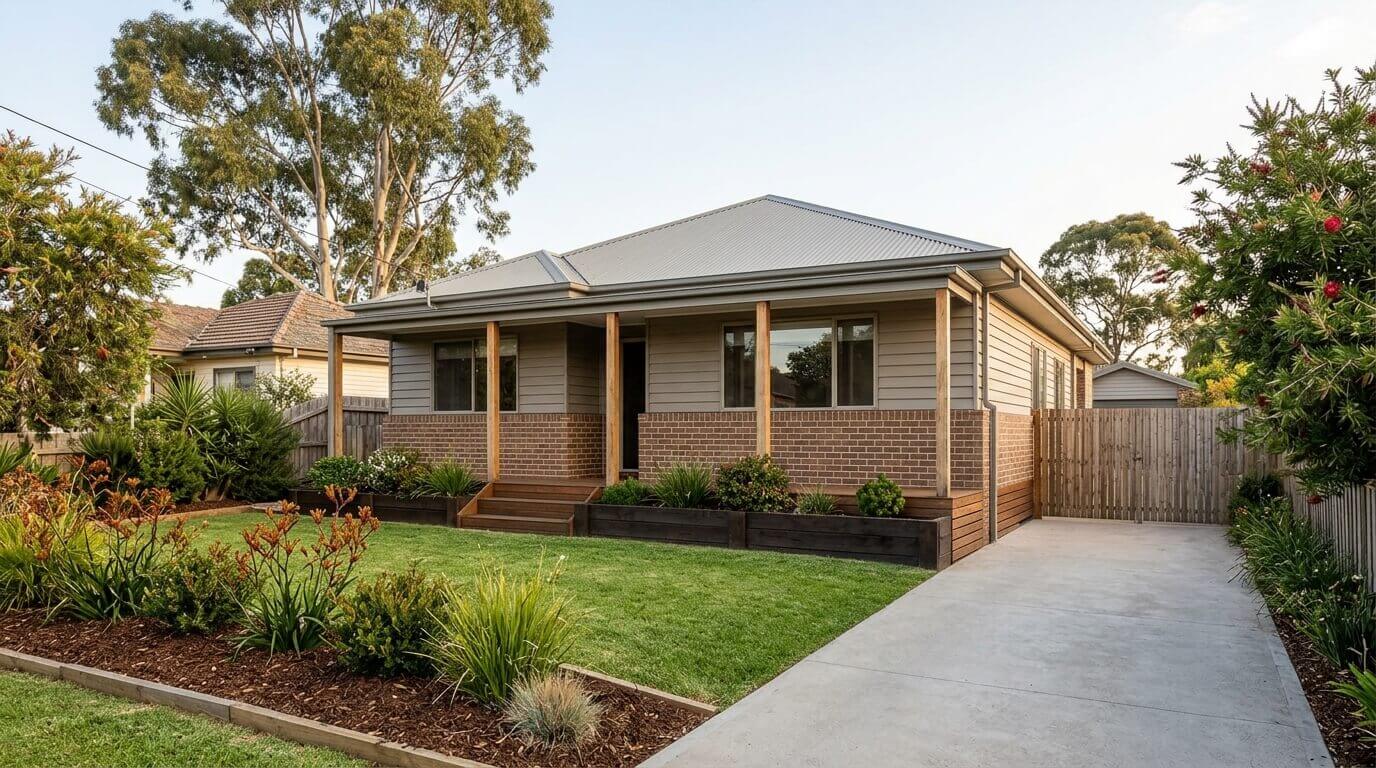
Termite damage prevention is essential for protecting a home’s structural integrity and long-term value. Termites can quietly damage timber frameworks before homeowners notice an infestation. The financial toll is significant, with termite damage costing Australian property owners approximately $1.5 billion annually. Discovering damaged walls or structural timber can also cause considerable stress for families.
Data from the Commonwealth Scientific and Industrial Research Organisation (CSIRO) suggests that roughly 32 percent of Australian houses will experience termite activity during their lifespan. With many homes affected each year, the risk deserves attention. Standard home insurance policies generally exclude termite damage, leaving property owners responsible for treatment and structural repairs.
Understanding Regional Climate Risks
Termite activity is influenced by environmental conditions. Warm, humid climates can support active colonies throughout the year, while spring temperatures and rising humidity may trigger swarming events. During these periods, reproductive termites known as alates leave their nests to establish new colonies.
Because termites thrive in favourable conditions, local pest management strategies are important for protecting structural timber. Homeowners dealing with subtropical weather may require specialised termite protection in Gold Coast to address local risks. Understanding seasonal activity and arranging appropriate inspections can help identify infestations before significant damage occurs.
Common Vulnerabilities in Modern Homes
Newer homes are not necessarily immune to termites. Concrete slabs, limited ground clearance and timber framing can create conditions that allow subterranean termites to enter unnoticed. Species such as Coptotermes acinaciformis can travel underground and damage structural timber internally, sometimes leaving the surface apparently intact.
Several areas around a property deserve regular attention:
- Concealed slab edges where concrete foundations meet the soil.
- Subfloor spaces with poor ventilation and excess moisture.
- Leaking plumbing, outdoor taps and hot water system overflows.
- Timber retaining walls or garden beds placed against the house.
- Firewood or loose timber debris stored near the foundation.
Identifying these vulnerabilities early can help reduce termite access and favourable nesting conditions. Moving firewood away from external walls and addressing moisture problems are useful preventive measures. Regular home maintenance checks can also help homeowners identify conditions that attract pests.
Proactive Maintenance and Professional Standards
Preventing termite damage requires regular maintenance rather than waiting for visible signs of an infestation. Physical or chemical soil barriers can help deter termites from entering a building. Although installation can cost thousands of dollars, the expense may be lower than the cost of extensive structural repairs.
When choosing a pest control provider, look for qualified professionals who follow recognised industry guidelines. The Australian Environmental Pest Managers Association (AEPMA) has established a Code of Practice for termite management to promote consistent professional standards. Homeowners should ask about qualifications, inspection procedures, treatment options and applicable warranties before work begins.
Regular inspections, moisture management and professional treatment where necessary can help reduce the risk of termite damage. Addressing leaks promptly and maintaining drainage systems are also important parts of protecting a property. For additional guidance, basement moisture control and waterproofing explains how managing damp conditions can help protect vulnerable areas of a home.

