
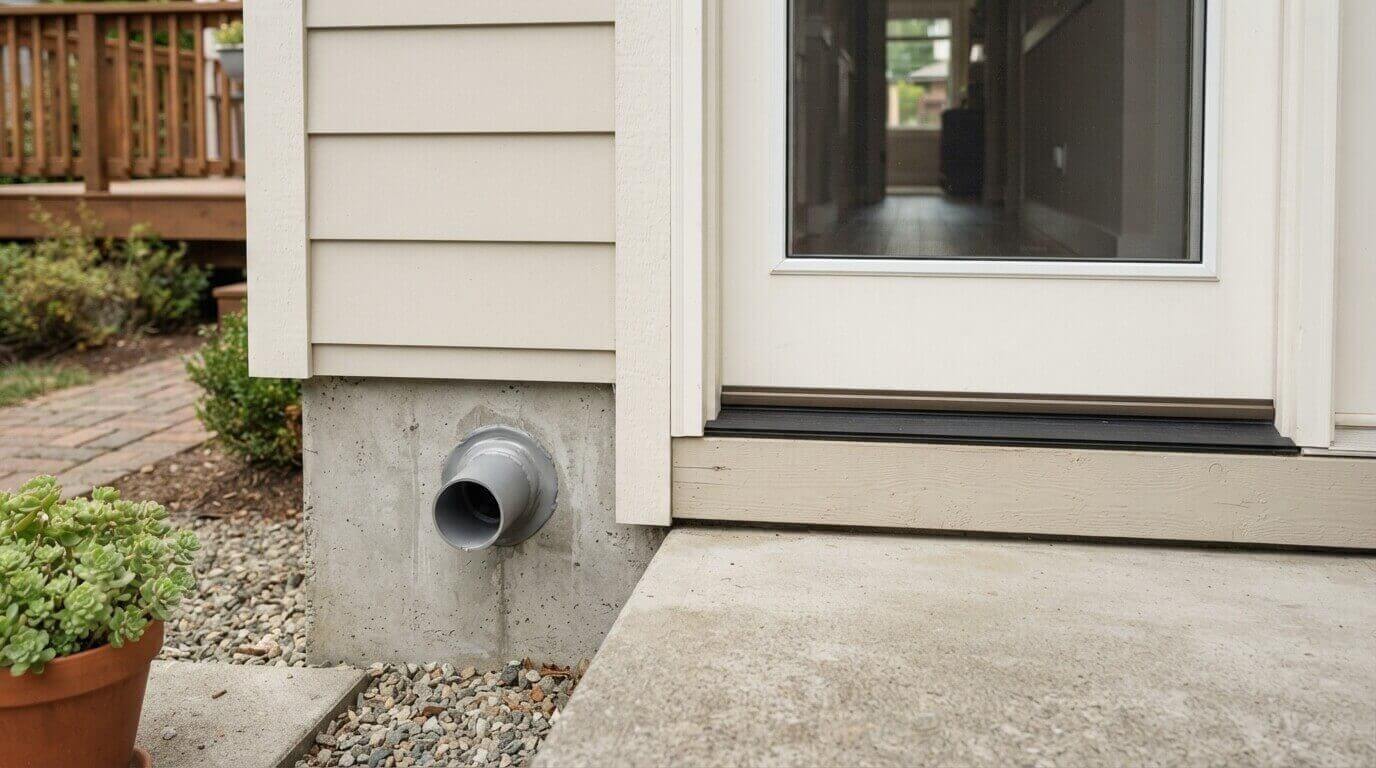
In Seattle, Washington, wet weather, leafy neighborhoods, older housing details, and busy indoor-outdoor living can all create opportunities for unwanted pests. The good news is that effective prevention usually starts with ordinary home care: removing food and moisture, sealing openings, and noticing changes before a small issue becomes a recurring problem.
For persistent activity or signs that pests are already established, homeowners may need pest control in Seattle. The appropriate approach depends on the pest involved, where activity is occurring, and whether the underlying conditions that attract pests have also been addressed.
Why Pest Prevention Works Best as a Routine
Pests enter homes looking for the same basics people need: food, water, warmth, and a protected place to stay. A few crumbs behind the toaster, a slow drip below the sink, or a narrow gap beside a utility pipe can be enough to make a home more appealing.
Prevention does not require an elaborate daily schedule; consistent home maintenance can make small problems easier to notice and address. It works best as a repeating habit that combines cleaning, minor repairs, outdoor upkeep, and quick responses to new signs. This approach supports the principles of integrated pest management, which emphasizes prevention and careful monitoring before relying on treatments.
For example, regular cleaning and proper food storage can help reduce conditions that attract flies and other insects. Simple habits such as keeping food covered, cleaning drains, and removing standing water are also useful parts of routine household pest prevention.
The Three Conditions That Attract Pests
A practical pest-prevention plan addresses three conditions at once:
- Food: Crumbs, unsealed pantry goods, pet food, open garbage, grease residue, and fallen fruit can attract insects and rodents.
- Water: Dripping pipes, damp basements, clogged gutters, condensation, and standing water create usable moisture.
- Shelter: Clutter, dense shrubs, wall voids, wood piles, mulch, and cracks around the home provide hiding places and access routes.
Removing just one attractant can help, but pests may remain if other conditions remain available. For example, a clean kitchen is important, but it may not solve rodent activity caused by an open crawl-space vent or a leaking exterior faucet.
Seal the Entry Points Pests Use Most
Take a slow walk around the exterior of your home at least a few times each year. Look closely at areas where building materials meet, where utilities enter, and where doors or screens no longer fit tightly.
- Replace worn door sweeps and weather stripping.
- Repair torn window and vent screens.
- Seal small cracks around siding, foundations, and trim with an appropriate exterior sealant.
- Check openings around pipes, cables, vents, and utility lines.
- Inspect garage doors, crawl-space doors, and attic access points for gaps.
Choose repair materials based on the opening and the pest concern. Caulk can work well for narrow cracks, while metal mesh or hardware cloth may be a better choice where rodents could chew through softer materials.
Keep Kitchens and Pantries Less Inviting
Kitchens often provide the most dependable food source in a home. Store cereal, flour, rice, snacks, birdseed, and pet food in sealed containers. Wipe counters after meals, clean spills promptly, and vacuum along baseboards and beneath appliances where crumbs collect unnoticed.
Empty indoor trash regularly, keep outdoor bins covered, and inspect pantry items stored for a long time. Webbing, small holes in packaging, insect fragments, or unusual clumping may indicate that a product should be discarded.
One overlooked pet-food bowl can become a repeat feeding spot. If dry food is left out overnight and the surrounding floor is sticky or covered in crumbs, ants, cockroaches, or rodents may return to the same area. Serving measured portions and cleaning around the bowl reduces that opportunity.
For additional guidance on reducing common indoor insect attractants, see practical fly-prevention habits, including better food storage, cleaner drains, and prompt removal of waste and standing water.
Control Moisture Inside and Around the Home

Seattle’s rainy periods make moisture control especially important. Check beneath sinks, around toilets, near laundry connections, and in basements or garages for leaks, dampness, or musty odors. Repair drips promptly and use bathroom and kitchen exhaust fans to reduce lingering humidity.
Outside, keep gutters clear enough to carry water away from the roofline, and make sure downspouts direct runoff away from the foundation. Empty water from planters, toys, trays, buckets, and other containers after rain. Improve airflow in damp storage spaces, and avoid storing cardboard or fabric directly against a wet wall.
Recurring moisture problems can also contribute to other household issues. Checking plumbing connections, outdoor faucets, and areas around water heaters as part of regular maintenance can help identify leaks before they create larger problems. Homeowners can also review common plumbing and water-related warning signs as part of a broader maintenance routine.
Make the Yard Less Friendly to Pests
A tidy Seattle yard does not need to be bare or overly manicured. The goal is to reduce protected hiding places and easy pathways leading to the structure. Trim shrubs and tree branches back from walls, windows, and roof edges, especially when vegetation touches the home.
- Keep firewood and lumber raised off the ground and away from the foundation.
- Remove leaf piles, unused containers, and excess yard debris.
- Pick up fallen fruit before it becomes overripe.
- Keep mulch and soil from resting directly against siding or structural wood.
- Check decks, sheds, eaves, and fences for nests or protected voids.
Outdoor maintenance is also easier when garden materials and tools are kept organized and protected from unnecessary moisture. Seasonal garden winterizing and storage practices can help keep outdoor areas from becoming cluttered with unused materials and debris.
Use a Seasonal Pest Check
Winter
Inspect garages, basements, attics, and storage areas for droppings, nesting material, or gnaw marks. Check exterior door seals and move stored items slightly away from walls so signs are easier to spot.
Keeping storage areas organized also makes it easier to identify new pest activity. Reducing unnecessary items and keeping boxes off damp floors can improve visibility during routine inspections.
Spring
Look for cracks after winter weather, clean gutters, examine screens, and watch for early ant trails. This is also a good time to inspect drainage near the foundation.
Summer
Reduce standing water, cover food and drinks during gatherings, and inspect roof edges, eaves, decks, and sheds for stinging-insect activity.
Fall
Sealing gaps before colder weather encourages rodents to seek indoor shelter. Store seasonal decorations in sealed plastic containers and clear leaves or debris that build up around the home.
Know When a DIY Fix Is Not Enough
Seeing one insect does not always mean there is an infestation. Repeated sightings, however, deserve closer attention. Consider professional help if pests appear in multiple rooms, fresh droppings or nesting material are present, bait and traps provide only short-term results, or there is damage to wiring, insulation, wood, or stored food.
It is also wise to seek guidance for stinging insects, bed bugs, termites, or pest-related allergy concerns. Identifying the pest first matters because different species require different inspection methods and control plans.
If pest activity is accompanied by damaged outlets, exposed wiring, burning smells, or other electrical warning signs, avoid disturbing the affected area and address the electrical concern separately. A basic electrical safety guide can help homeowners recognize situations that require professional attention.
A Simple Monthly Checklist
- Walk around the exterior and check for new gaps or damaged screens.
- Look for standing water, leaks, and damp areas.
- Inspect pantry goods and clean food debris from floors and counters.
- Move clutter away from walls in garages, basements, and storage rooms.
- Check for droppings, webbing, nesting material, or gnaw marks.
- Write down the recurring activity and the exact location where it appears.
Keeping storage areas organized can make this monthly inspection much easier. A simple home decluttering approach can help reduce piles, improve access to walls and corners, and make signs of pest activity easier to spot.
Conclusion
Keeping pests out of a Seattle home is usually a matter of steady maintenance rather than one dramatic solution. Seal openings, remove food and water sources, manage moisture, maintain the yard, and complete quick seasonal inspections. When activity persists despite these steps, a qualified pest professional can help identify the source and develop a targeted plan for the property.
These habits also fit into broader home-maintenance planning. Keeping important household systems maintained, knowing where potential problems can develop, and having a response plan for unexpected issues can make it easier to address pest-related conditions before they become larger home problems. A general home emergency-preparation plan can complement these routine maintenance habits.

