
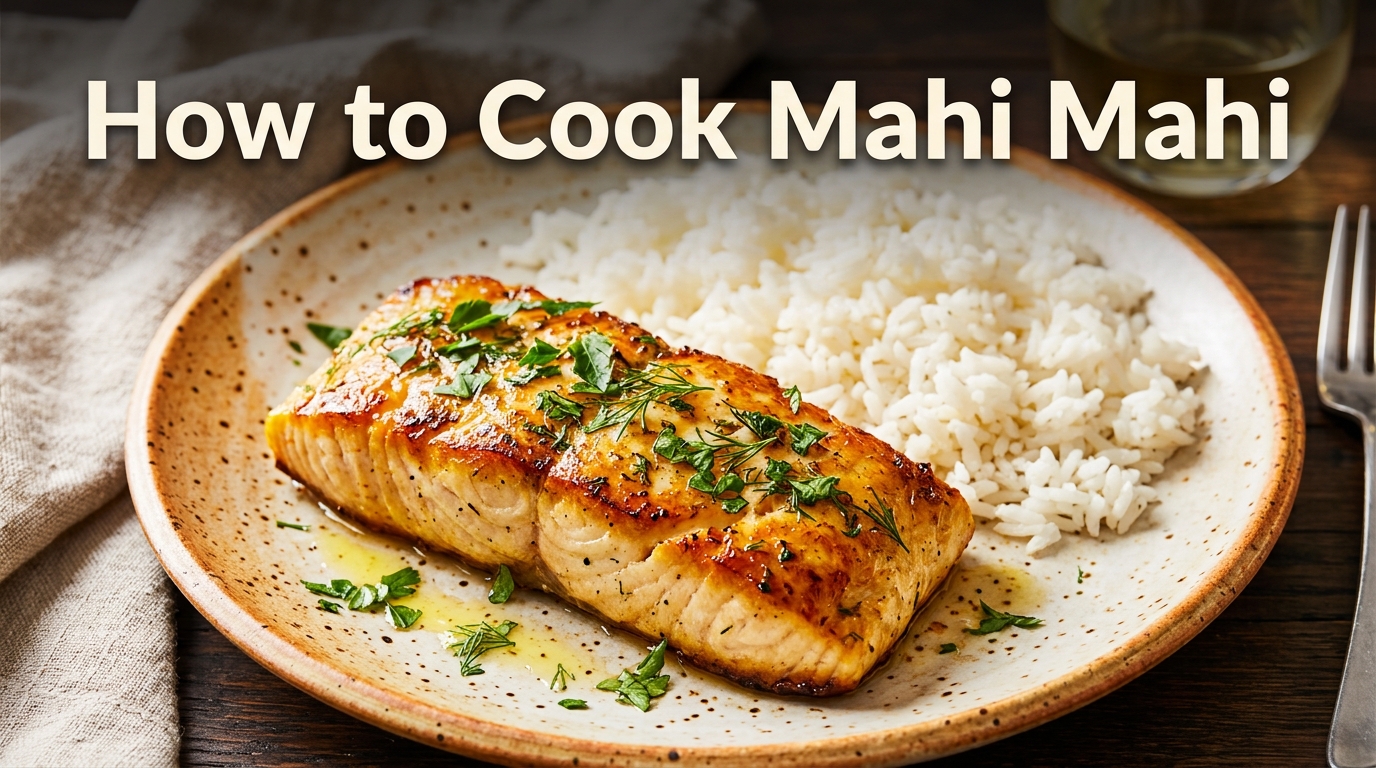
Mahi mahi has a reputation problem. Cooked wrong, it turns into a dry, rubbery mess that makes people swear off fish entirely. Cooked right, it’s sweet, flaky, and one of the easiest proteins you’ll ever put on a plate.
If you’re wondering how to cook mahi mahi without drying it out, the fix usually comes down to two things: heat control and timing. This fish cooks fast, often in under ten minutes total, and it punishes anyone who walks away from the stove or grill for “just a minute.”
Below is everything you need, from picking the right fillet at the store to plating it up with a side that actually complements it.
What Makes Mahi Mahi Different From Other Fish
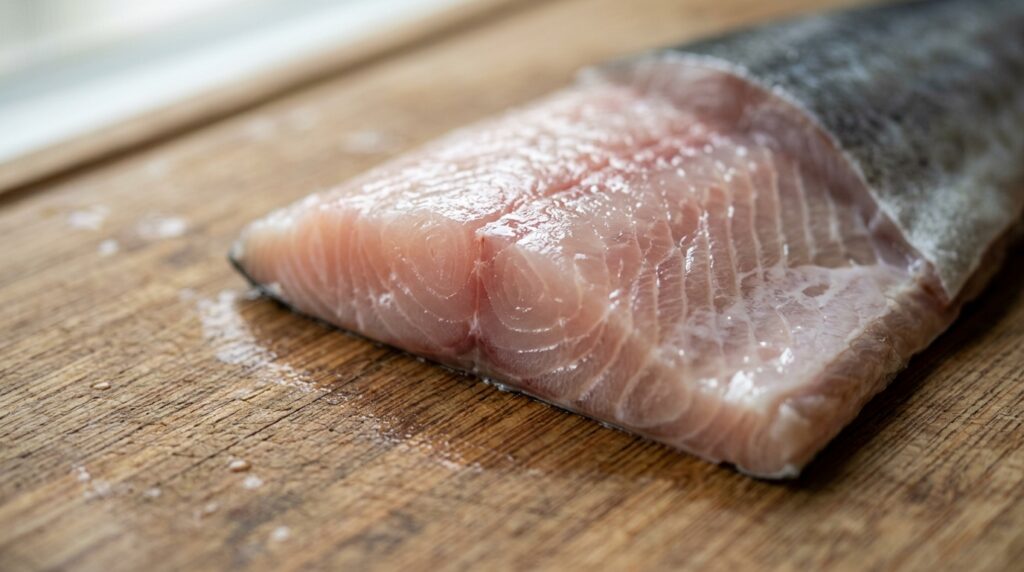
Mahi mahi (also called dorado or dolphinfish, though it’s unrelated to dolphins) is a lean, firm, white-fleshed fish with large flakes. Because it’s so lean, it doesn’t have the fat cushion that salmon or mackerel have, which is exactly why it dries out so easily if it’s left on the heat too long.
The raw flesh runs pinkish to grayish-white, turning off-white once cooked, and the texture stays firm with large, moist flakes when it’s done right. That firmness is actually an advantage. It holds up well on a grill grate without falling apart, and it takes on marinades and spice rubs beautifully because the flesh isn’t oily.
Picking Good Mahi Mahi at the Store
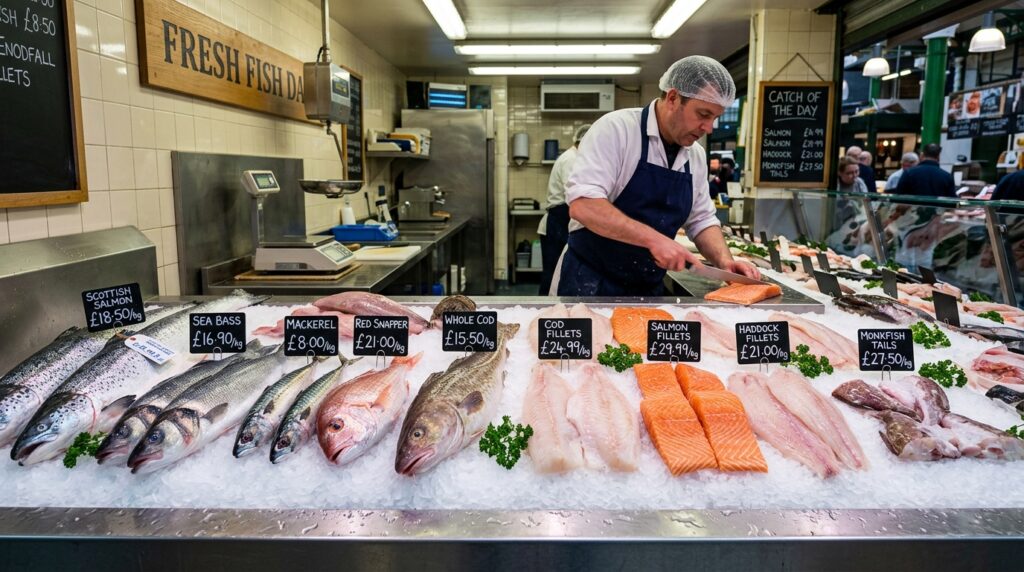
You can follow every technique in this article and still end up with a bad meal if the fish itself wasn’t fresh to begin with. A few things to check before it goes in your cart:
- Smell — fresh mahi mahi smells like the ocean, not “fishy” or sour.
- Color — look for that pinkish-gray tone without any brown or yellowing edges.
- Texture — the flesh should spring back when pressed, not leave a dent.
- Packaging — if it’s frozen, avoid bags with visible ice crystals or freezer burn, which usually mean it’s been sitting a while.
Mahi mahi is also a fish worth thinking about from a sourcing standpoint. U.S. wild-caught mahi mahi is considered a smart seafood choice because it’s sustainably managed and responsibly harvested under U.S. regulations, and the species grows quickly and reproduces at just four to five months old, which is part of why it hasn’t faced the overfishing pressure that slower-growing species deal with.
Prepping Mahi Mahi Before It Hits the Heat
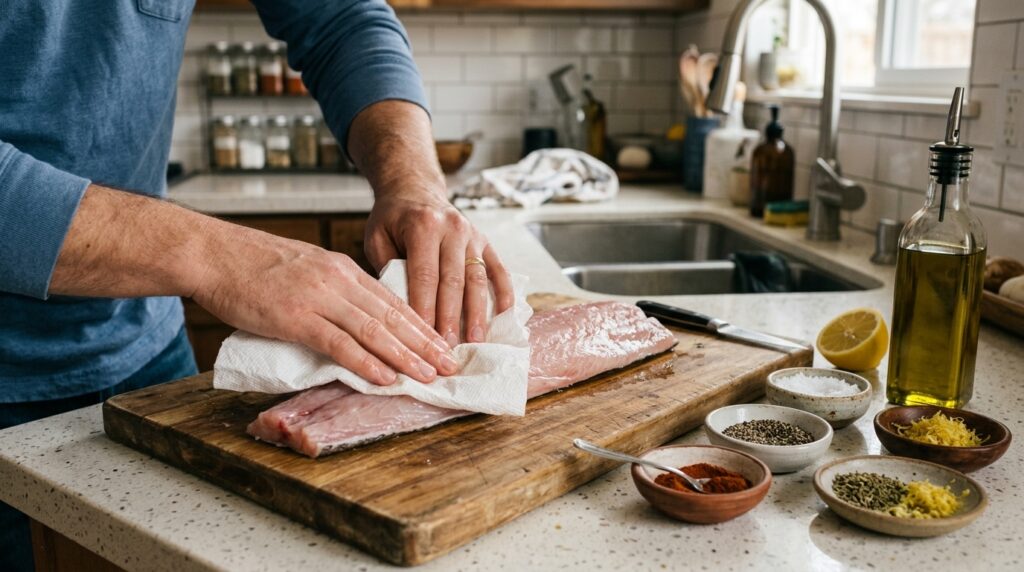
Good prep is half the battle. Skip this step and even a perfect cooking method won’t save the fillet.
- Pat it completely dry. Moisture on the surface steams the fish instead of searing it, which means no golden crust.
- Bring it to room temperature. Fifteen to twenty minutes on the counter helps it cook evenly instead of staying cold in the center while the outside overcooks.
- Trim the bloodline if needed. That darker strip of flesh along the center has a stronger, slightly fishier taste. Slicing it away gives you a milder result.
- Season simply. Salt, pepper, and a neutral oil are enough. Save heavier marinades for right before cooking since acidic ingredients like citrus can start to “cook” the fish if left too long, similar to ceviche.
How to Cook Mahi Mahi on the Stovetop (Pan-Seared)
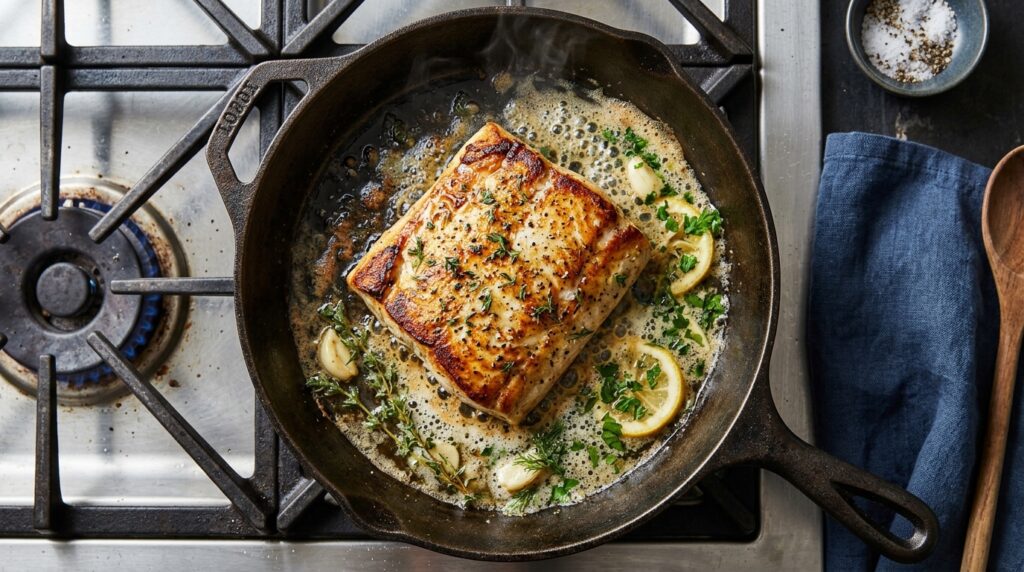
Pan-searing is the fastest way to get a restaurant-style crust with almost no equipment. Here’s the process:
- Heat a heavy skillet (cast iron or stainless works best) over medium-high heat for two to three minutes.
- Add a tablespoon of oil with a high smoke point, like avocado or grapeseed oil.
- Lay the fillet in the pan away from you to avoid splatter, and don’t touch it for three to four minutes.
- Flip once, and cook for another three to four minutes depending on thickness.
- Add a pat of butter, a squeeze of lemon, and let it baste for the final thirty seconds.
For that same shatter-crisp exterior you’d want from fried chicken tenders, the same rule applies here: a hot pan, a dry fillet, and patience are what create the crust. Moving the fish around too soon is the number one reason people end up with a pale, steamed piece of fish instead of a seared one.
How to Cook Mahi Mahi on the Grill
Because mahi mahi is firm, it’s one of the more forgiving fish for grilling, meaning it’s less likely to fall apart than something delicate like tilapia or flounder.
- Preheat the grill to medium-high and oil the grates well.
- Brush the fillet lightly with oil so it doesn’t stick.
- Grill for four to five minutes per side, flipping only once.
- Use a fish spatula to avoid tearing the flesh when you flip it.
If you’re worried about sticking, grilling on a cedar plank or a piece of foil with a few holes poked in it gives you the smoky flavor without the risk of losing half the fillet to the grates.
Image Prompt: Mahi mahi fillets grilling on an outdoor barbecue with visible grill marks, smoke rising, summer backyard setting. Alt Text: grilled mahi mahi fillets on outdoor barbecue grill
How to Cook Mahi Mahi in the Oven (Baked)
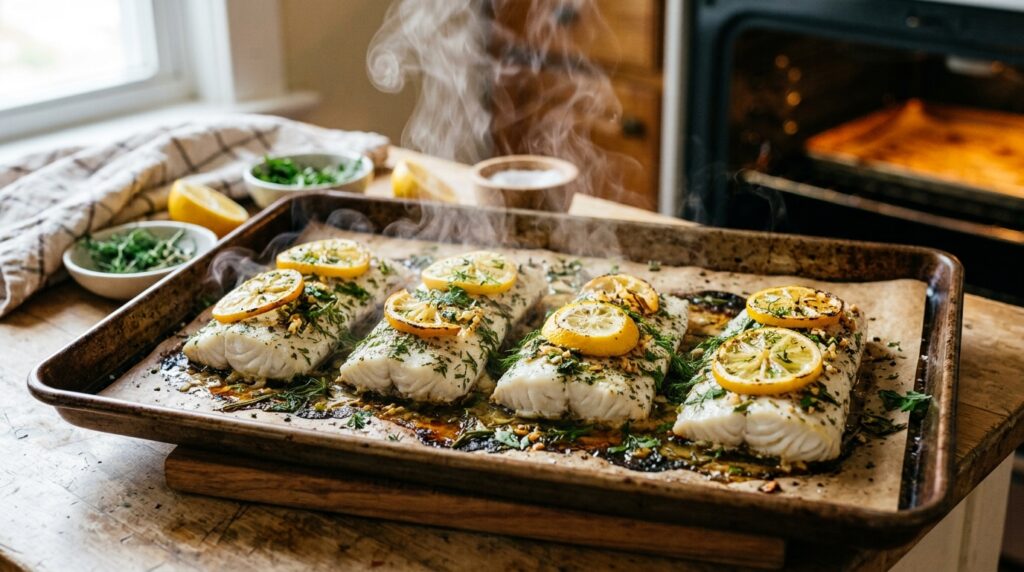
Baking is the most hands-off method and the easiest for beginners since there’s less risk of overcooking if you’re watching the clock.
- Preheat the oven to 400°F.
- Place the fillet on a lined baking sheet, brush with oil, and season.
- Add lemon slices or a few pats of butter on top for extra moisture.
- Bake for twelve to fifteen minutes depending on thickness, checking at the ten-minute mark.
A simple trick: if the fillets are thin (under half an inch), start checking for doneness a few minutes early. Thin cuts overcook fast in a hot oven.
How to Cook Mahi Mahi in an Air Fryer
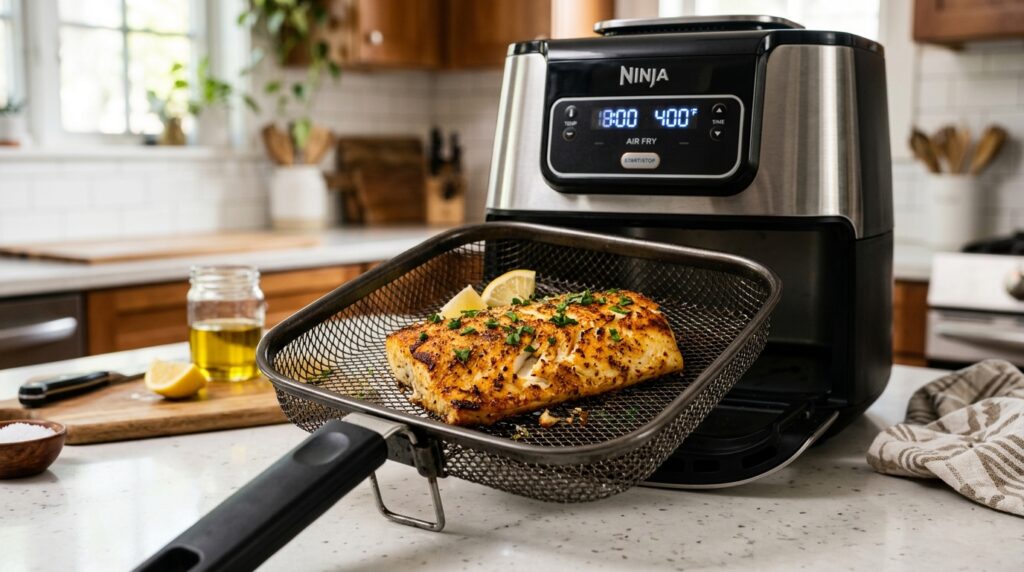
The air fryer has become a go-to for weeknight fish dinners because it delivers a crisp exterior without much oil or cleanup.
- Preheat the air fryer to 375°F.
- Lightly coat the fillet with oil and seasoning.
- Cook for eight to ten minutes, flipping halfway through.
- Let it rest for a minute or two before serving.
This method works especially well if you’re breading the fish, since the circulating air crisps up panko or cornmeal coatings almost like deep frying.
The Safe Internal Temperature for Mahi Mahi
No matter which method you choose, doneness comes down to internal temperature, not just how long it’s been on the heat. Fin fish is considered safely cooked at 145°F or once the flesh is opaque and separates easily with a fork.
A quick way to check without a thermometer: press the thickest part of the fillet with a fork. If it flakes apart cleanly and the center looks opaque rather than translucent, it’s done. If you want to be precise, an instant-read thermometer inserted into the thickest part is the most reliable way to confirm.
Because mahi mahi is lean, it keeps cooking a little after you remove it from the heat, a phenomenon called carryover cooking. Pulling it off the heat a few degrees early and letting it rest for two to three minutes usually lands you right at that safe, juicy target.
Simple Seasoning and Marinade Ideas
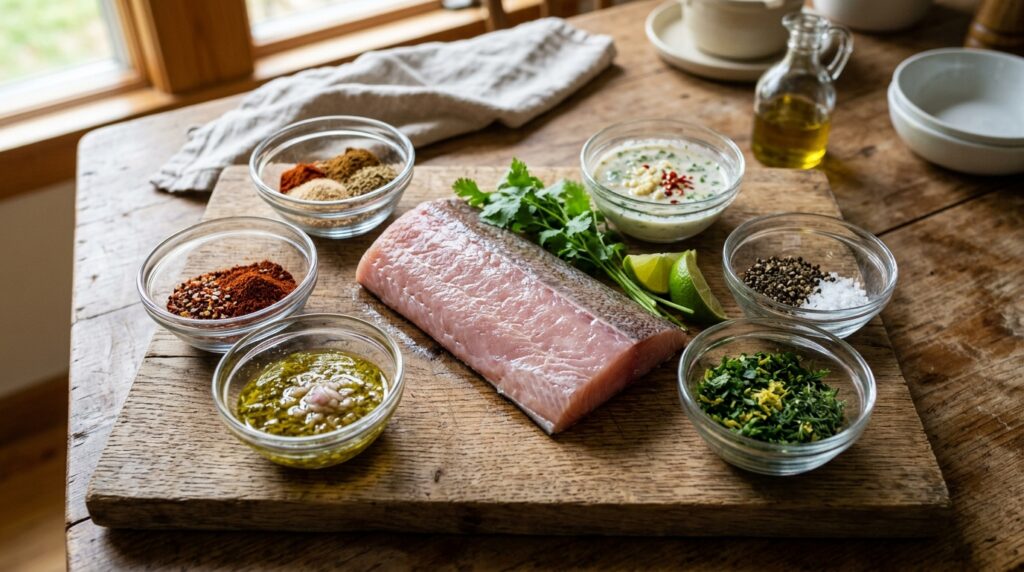
Mahi mahi’s mild, slightly sweet flavor makes it a blank canvas. A few combinations that work well without overpowering the fish:
| Flavor Profile | Ingredients | Best Cooking Method |
|---|---|---|
| Citrus and Herb | Lemon, garlic, parsley, olive oil | Baked or grilled |
| Cajun-Spiced | Paprika, cayenne, garlic powder, thyme | Pan-seared |
| Tropical | Pineapple juice, soy sauce, ginger | Grilled |
| Blackened | Blackening seasoning blend, melted butter | Pan-seared |
| Mediterranean | Oregano, lemon zest, olives, feta | Baked |
Keep marinating time short, around fifteen to thirty minutes. Because the fish is lean and doesn’t have much fat to protect it, long soaks in acidic marinades can start breaking down the texture before it even hits the pan.
What to Serve With Mahi Mahi
Since the fish itself is mild, sides are a good place to add contrast, whether that’s something creamy, acidic, or crunchy.
- Mango or pineapple salsa for a tropical pairing
- Garlic butter rice or coconut rice
- Grilled asparagus or zucchini
- A simple slaw with lime dressing
- Roasted potatoes with fresh herbs
A cold, crunchy side balances the warm, flaky texture of the fish, which is part of why fish tacos with slaw are such a popular way to serve mahi mahi.
Common Mistakes That Ruin Mahi Mahi
- Cooking it cold. Fish straight from the fridge cooks unevenly.
- Overcrowding the pan. This traps steam and prevents browning.
- Flipping too often. Let it develop a crust before touching it.
- Skipping the pat-dry step. Wet fish never sears properly.
- Walking away. This fish goes from perfect to overcooked in under two minutes.
- Not letting it rest. A short rest lets the juices settle back into the flesh instead of running out onto the plate.
Storing and Reheating Leftover Mahi Mahi
Leftover mahi mahi keeps in an airtight container in the refrigerator for up to three days. For reheating without drying it out further:
- Use a low oven (around 275°F) covered loosely with foil for about ten minutes.
- Avoid the microwave if possible, since it tends to make already-cooked fish rubbery.
- If you’re repurposing leftovers, flaking the fish into a salad, taco, or pasta dish is often better than reheating it whole.
Expert Tips for Restaurant-Quality Mahi Mahi at Home
- Buy fillets of similar thickness so they finish cooking at the same time.
- Use a fish spatula, it’s thin and flexible enough to slide under delicate fillets without tearing them.
- Finish with an acid, whether that’s lemon, lime, or a splash of vinegar, right before serving to brighten the flavor.
- If you’re new to cooking fish, start with the oven method. It’s the most forgiving while you learn how the fish behaves.
- Save the pan drippings or grill marinade as a base for a quick sauce instead of tossing them.
Pros and Cons of Each Cooking Method
| Method | Pros | Cons |
|---|---|---|
| Pan-Seared | Fast, crispy crust, great flavor | Needs close attention |
| Grilled | Smoky flavor, minimal cleanup | Risk of sticking or falling apart |
| Baked | Hands-off, forgiving for beginners | Less crust, more gentle texture |
| Air Fryer | Crispy with less oil, quick | Smaller batches at a time |
There’s no single “best” method here. It really depends on what equipment you have and how much attention you want to give the stove while it cooks.
Frequently Asked Questions
How long does it take to cook mahi mahi?
Most methods take between six and fifteen minutes total, depending on thickness and technique. Pan-searing and air frying are the fastest, while baking takes slightly longer.
Is mahi mahi supposed to be pink in the middle?
No. Unlike tuna or salmon, mahi mahi should be fully opaque and flake easily when done. The safe internal temperature is 145°F.
Why does my mahi mahi turn out dry?
Overcooking is almost always the cause. Because it’s a lean fish, mahi mahi has very little fat to keep it moist once it passes the ideal internal temperature, so timing matters more than it does with fattier fish.
Can you cook mahi mahi from frozen?
It’s best to thaw it first in the refrigerator overnight for even cooking. Cooking from frozen usually leads to an overcooked exterior before the center catches up.
What’s the best oil for cooking mahi mahi?
A neutral, high smoke point oil like avocado, grapeseed, or canola oil works best for pan-searing and grilling, since it can handle higher heat without burning.
Bringing It All Together
Mahi mahi doesn’t need a complicated recipe to taste good. It needs a hot pan or grill, a short cook time, and a thermometer if you’re not confident reading doneness by eye yet. Once you’ve cooked it once or twice, you’ll start to recognize exactly when it’s ready just by how it looks and feels.
Pick one method from this list, whether that’s the stovetop for a quick weeknight dinner or the grill for a weekend cookout, and give it a try this week. Once you nail the timing, mahi mahi might just become one of the easiest proteins in your regular rotation.

