
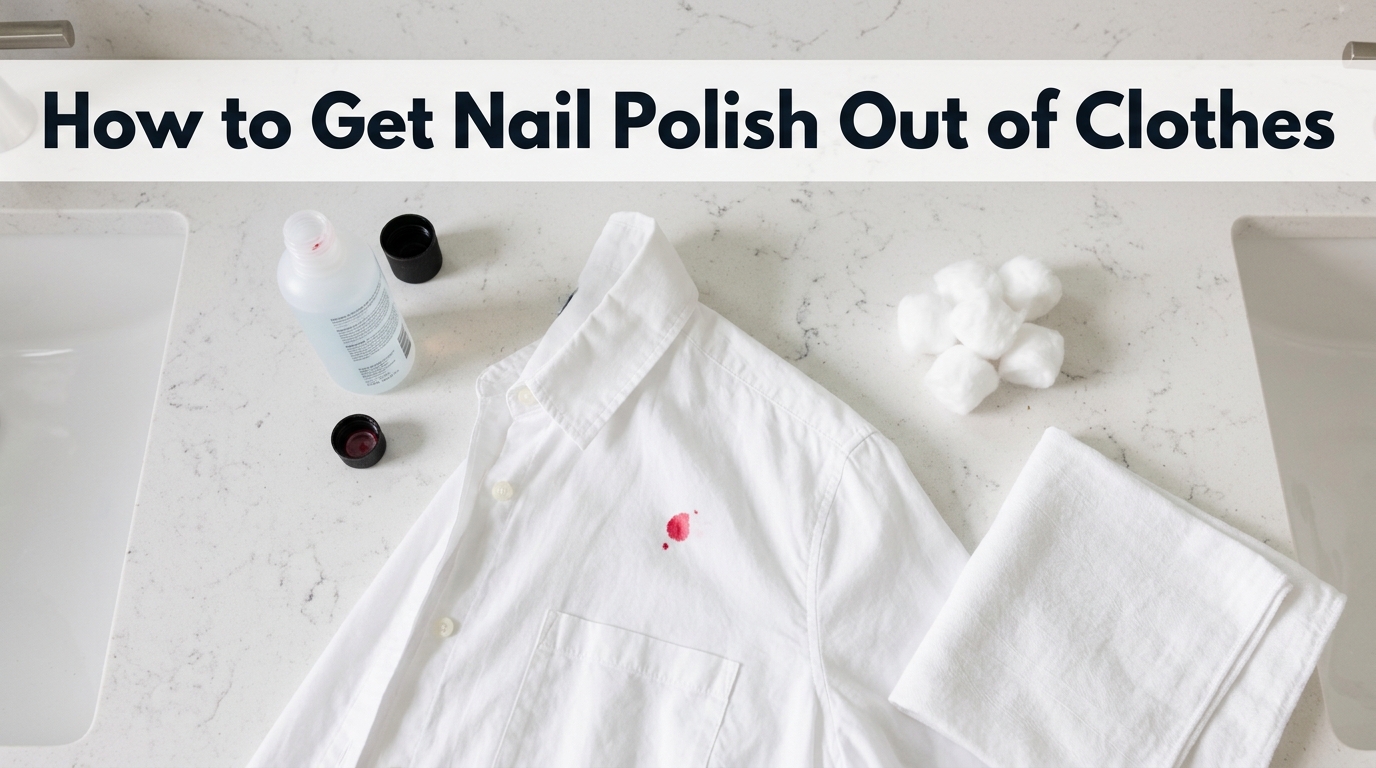
A wobbly hand during an at-home manicure, a bottle knocked off the bathroom counter, a toddler who found the polish drawer. However it happens, that bright splash of color on your favorite shirt feels like a disaster in the moment.
The good news is that if you’re wondering how to get nail polish out of clothes, most fresh stains can still be saved with things already sitting in your cabinet. The catch is that speed and the right method matter more than any fancy product on the shelf.
Why Nail Polish Stains Are So Stubborn
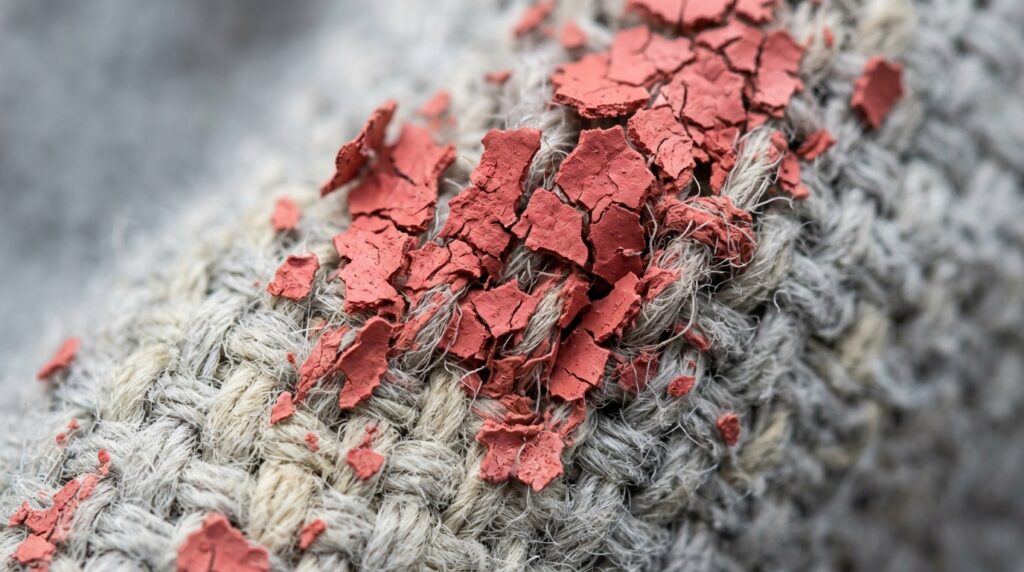
Nail polish isn’t like a coffee spill or a grass stain. It’s formulated to dry fast and cling to whatever surface it lands on, which is exactly why it’s so hard to lift once it sets into fabric fibers.
Once dry, the pigment and resin bond to the threads of the material instead of sitting on top of it. That’s why acting within the first few minutes gives you a much better shot at a full recovery than waiting until the polish has hardened overnight.
What You’ll Need Before You Start
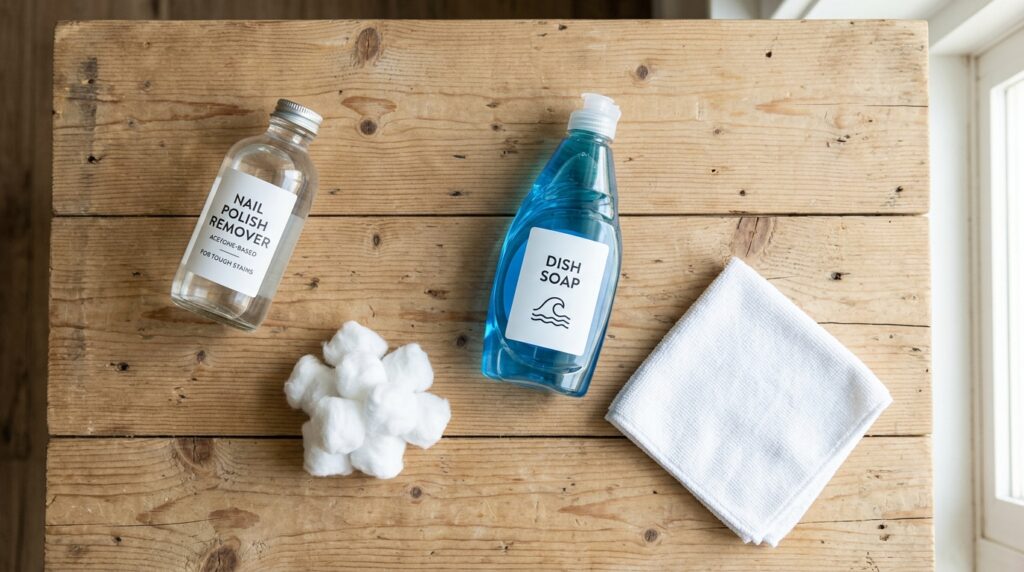
Gather these before touching the stain so you’re not scrambling mid-treatment:
- Acetone-based nail polish remover
- A dull knife, spoon, or old credit card
- White paper towels or a clean white cloth
- Cotton balls or swabs
- Dish soap
- Cold water
Skip colored cloths and towels. Dyes from a colored rag can transfer onto light fabrics and create a second stain on top of the first one.
Step-by-Step: Treating a Fresh Nail Polish Stain
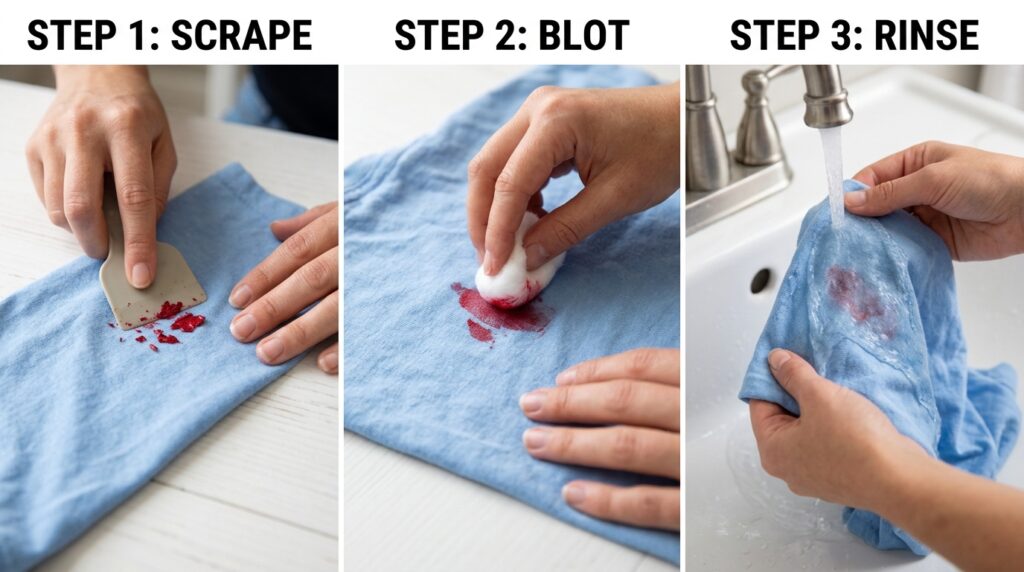
- Scrape off the excess. Use a dull knife or the edge of a credit card to lift away any wet polish sitting on top of the fabric. Work gently so you don’t push it deeper.
- Place a towel underneath. Slide a folded paper towel or white cloth under the stained section, so the polish has somewhere to transfer as it dissolves.
- Blot with acetone. Soak a cotton ball in acetone-based remover and dab, don’t rub, from the outer edge of the stain toward the center.
- Switch cotton balls often. As soon as one picks up color, swap it for a clean one so you’re not just smearing dissolved polish back into the fibers.
- Treat with dish soap. Once the color has mostly lifted, work a small amount of dish soap into the spot with a cotton swab to break down any leftover residue.
- Rinse and wash. Rinse the area under cold water, then launder as usual using the hottest temperature the care label allows.
Working from the outside in and swapping the cotton swab as it picks up color helps avoid spreading the stain further, and washing on the hottest cycle your care label allows gives the best chance of full removal.
Dealing With Dried or Old Nail Polish Stains
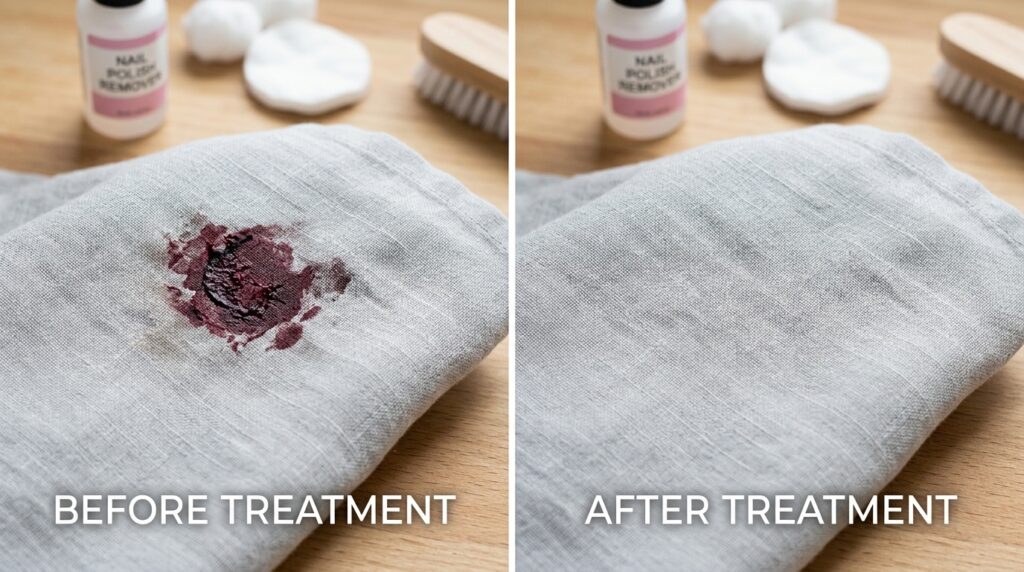
Dried stains take more patience, but they’re not automatically a lost cause. The process is nearly identical, just slower.
- Soften the polish first by soaking the area in warm, soapy water for about thirty minutes before treating it.
- Gently scrape away any flaking or cracked polish once it’s softened.
- Repeat the acetone-blotting process a few times, since old stains rarely come out in one pass.
- Check progress after every attempt rather than continuing blindly, since some fading takes a few rounds to notice.
One long-standing method involves placing the stain face down on a paper towel and sponging the back of it with acetone, rotating the towel as it absorbs the stain, and repeating until it disappears before laundering as usual. If a faint mark remains after that, a mix of alcohol with a few drops of ammonia can be sponged on before one final wash.
How to Handle Nail Polish on Delicate Fabrics
Not every fabric can handle straight acetone, and using it on the wrong material can do more damage than the original stain.
Fabrics like silk, acetate, triacetate, and modacrylic should avoid acetone-based polish remover altogether, since the chemicals in it can dissolve or discolor those materials, meaning a professional dry cleaner is the safer option for those pieces. For anything you’re unsure about, checking the garment’s care label before starting is worth the extra thirty seconds.
If you’re dealing with something machine washable but still delicate, like a lightweight blouse, a non-acetone remover is a gentler starting point before reaching for the stronger stuff. Test it on a hidden seam first, wait a few minutes, then check for any color change before moving to the visible stain.
Testing for Colorfastness First
This step gets skipped more often than it should, and it’s the one that prevents a small stain from turning into a bigger problem.
- Pick a hidden spot, like an inside seam or hem.
- Apply a small amount of remover with a cotton swab.
- Wait two to three minutes.
- Blot with a clean white cloth and check whether any color transferred.
If the fabric holds its color and doesn’t feel weakened or sticky, you’re clear to move on to the visible stain. If color lifts onto your cloth, stop and switch to a gentler method or take the item to a professional cleaner instead.
Alternative Methods If You Don’t Have Acetone
Not everyone keeps a bottle of nail polish remover on hand, and a few household substitutes can work in a pinch, especially on smaller or lighter stains.
| Alternative | Best For | Notes |
|---|---|---|
| Rubbing alcohol | Fresh, small stains | Test first, works slower than acetone |
| Hairspray | Light traces after main treatment | Older aerosol formulas work better than newer ones |
| Dry-cleaning solvent | Delicate fabrics | Best left to a professional |
| Dish soap and water | Final residue cleanup | Gentle, safe as a last pass |
None of these are as fast as acetone, so expect to repeat the process a couple of times before the stain fully lifts.
Mistakes That Make Nail Polish Stains Worse
- Rubbing instead of blotting. This spreads the pigment deeper into the weave.
- Tossing the item in the dryer too soon. Heat sets stains permanently, so always confirm the polish is fully gone before drying.
- Skipping the colorfastness test. A rushed step here can leave a bleached patch worse than the original stain.
- Using acetone on the wrong fabric. Silk and acetate blends can be permanently damaged in seconds.
- Waiting too long to treat it. The longer polish sits, the more it bonds to the fibers.
If the stained item can also handle a heavier laundry treatment afterward, following the same care you’d use for other tough marks, like sweat stains on fabric, can help finish the job once the bulk of the polish is gone.
Expert Tips for Better Results
- Keep a small stain-removal kit in your bathroom cabinet so you’re never scrambling when an accident happens.
- Work in a well-ventilated room since acetone fumes build up quickly in small spaces.
- Layer paper towels underneath the fabric and change them as they soak through, rather than letting the dissolved polish sit against the stain.
- For carpet or upholstery instead of clothing, the same blotting principle applies, but always check the manufacturer’s cleaning instructions first.
- If a stain has been through the wash already and dried, treat it as a set stain and expect to repeat the process more than once.
Pros and Cons of Common Removal Methods
| Method | Pros | Cons |
|---|---|---|
| Acetone-based remover | Fast, effective on most fabrics | Not safe for silk, acetate, or triacetate |
| Non-acetone remover | Gentler on delicate fabrics | Slower, may need repeat treatments |
| Rubbing alcohol | Widely available, low cost | Less effective on dried stains |
| Professional dry cleaning | Safest for delicate or valuable items | Costs money, takes longer |
Choosing the right method upfront saves time and reduces the risk of turning a stain into a bigger repair job.
Frequently Asked Questions
Does nail polish remover ruin clothes?
It can, depending on the fabric. Acetone can bleach fabrics or strip garments of their dye, so testing an inconspicuous area first before applying it to any visible stain is always recommended. Cotton and most synthetics generally tolerate it fine when tested first.
Can old, dried nail polish stains still be removed?
Yes, though it takes more effort. Softening the polish with warm soapy water before treating it, then repeating the acetone process a few times, usually gets most or all of the color out.
What if I don’t have acetone at home?
Rubbing alcohol, hairspray, or dish soap can work as milder substitutes, especially on fresh or small stains, though they typically require more patience and repeat applications.
Is it safe to use acetone on all clothing?
No. Non-oily nail polish remover can be used on most apparel, but it should be avoided on acetate, triacetate, or modacrylic fabrics. Always check the fabric content label first.
Should I wash the item before or after treating the stain?
Always treat the stain before washing. Putting a stained item through a full wash cycle first, especially with heat, can set the stain permanently and make it much harder to remove afterward.
Wrapping It Up
Nail polish spills are frustrating, but they’re rarely a reason to throw out a favorite shirt. Act quickly, scrape off the excess, test a hidden spot, and work the stain from the outside in with steady, patient dabbing rather than scrubbing.
The next time a bottle tips over mid-manicure, you’ll already know exactly what to reach for instead of panicking. Keep a small stain kit stocked in your bathroom, and future spills will feel like a minor inconvenience instead of a wardrobe emergency.

