
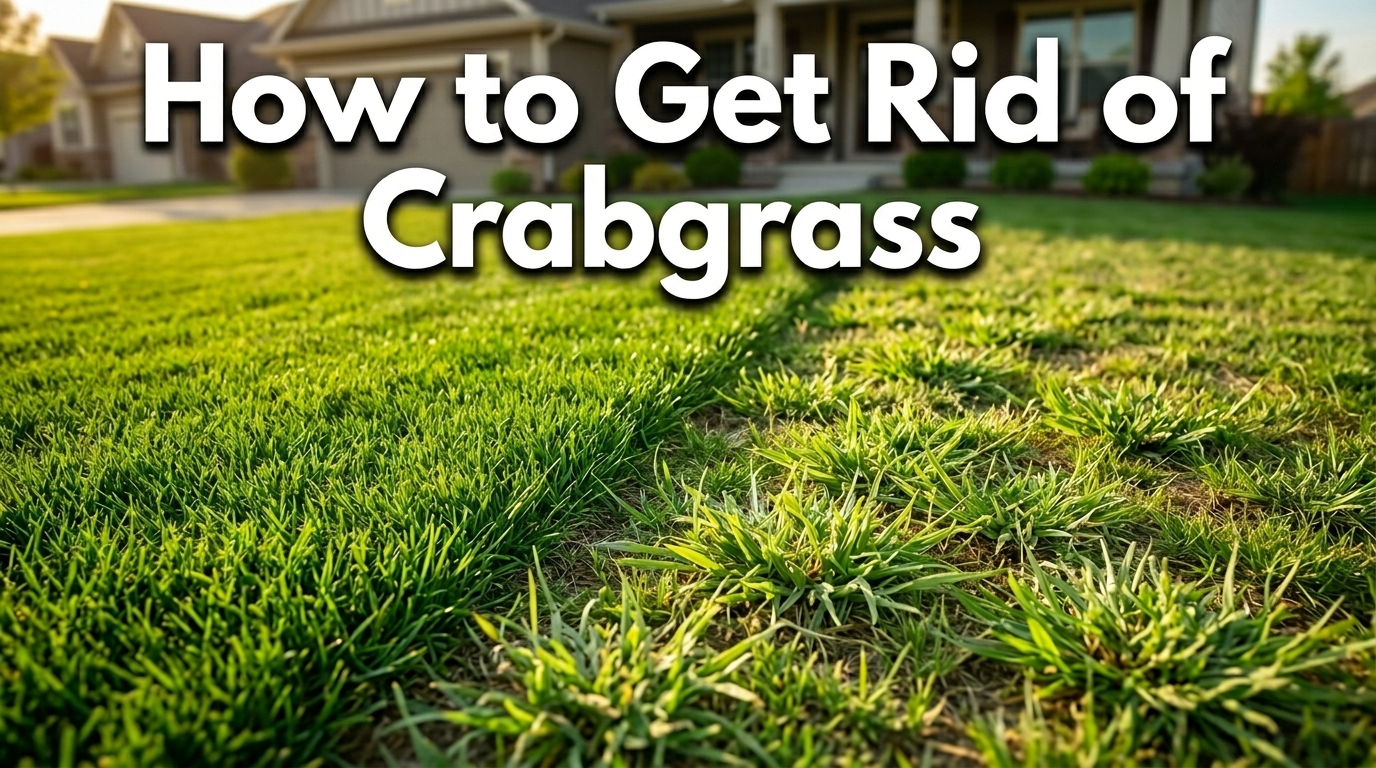
Crabgrass shows up right when your lawn is finally looking good, low, sprawling, and stubborn, spreading out in patches that choke off the grass around it. If you’re standing in your yard right now wondering how to get rid of crabgrass before it takes over completely, the good news is that it’s a very fixable problem once you understand why it’s there in the first place.
This isn’t a plant that shows up randomly. It’s a warm-season annual that germinates from seed every year, which means every method for controlling it revolves around one thing: timing.
Why Crabgrass Keeps Coming Back Every Year
Crabgrass isn’t a perennial weed that lives year after year from the same root system. It germinates fresh from seed each spring, grows through summer, and dies completely at the first hard frost. But before it dies, a single plant can drop tens of thousands of seeds into the soil, and those seeds can sit dormant for years waiting for the right conditions.
That’s the part most homeowners miss. You’re not just fighting the plant you see, you’re fighting a seed bank that’s been building underground for seasons. Large crabgrass, known scientifically as Digitaria sanguinalis, is the most common species found across lawns in the United States. It thrives in thin, stressed turf, compacted soil, and spots that get mowed too short.
Identify It Before You Treat It
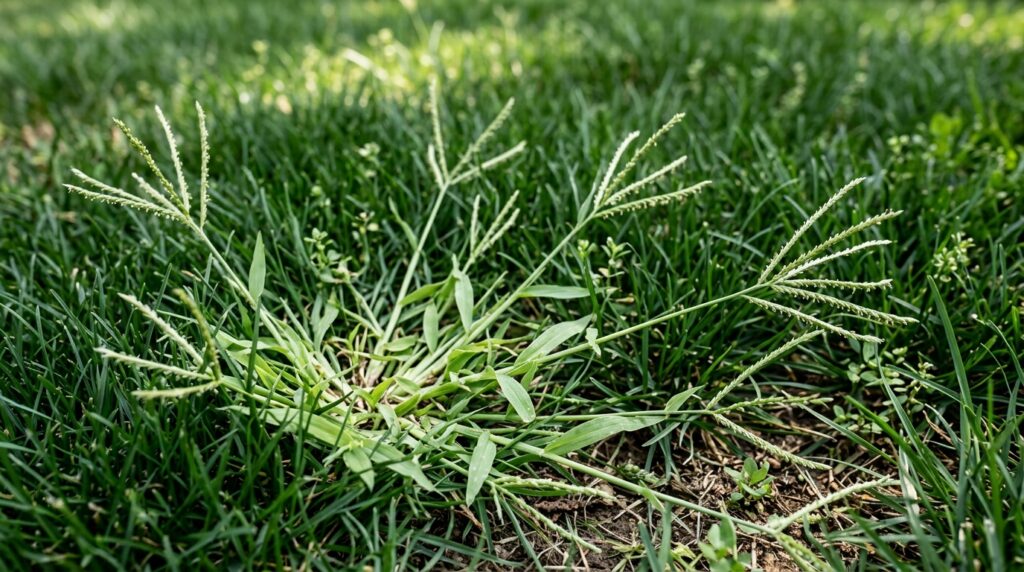
Before reaching for any product, it helps to know exactly what you’re dealing with. Crabgrass has a low, sprawling growth habit with thick, light green blades that radiate outward from a central point, almost like the legs of a crab (hence the name).
It’s often confused with goosegrass and other spreading grassy weeds, so a quick visual check before treatment saves you from buying the wrong product. Look for these traits:
- Pale, yellow-green color that stands out against darker turfgrass
- Coarse, wide blades compared to your lawn grass
- A star-shaped pattern where stems radiate from one center point
- Seed heads that look like thin fingers branching from the top of the stem
If your patches are still small and isolated, hand-pulling young plants before they set seed is one of the most effective non-chemical options available, especially while the plants still have just two to four sets of leaves and no splayed seed heads.
The Timing Window That Actually Matters
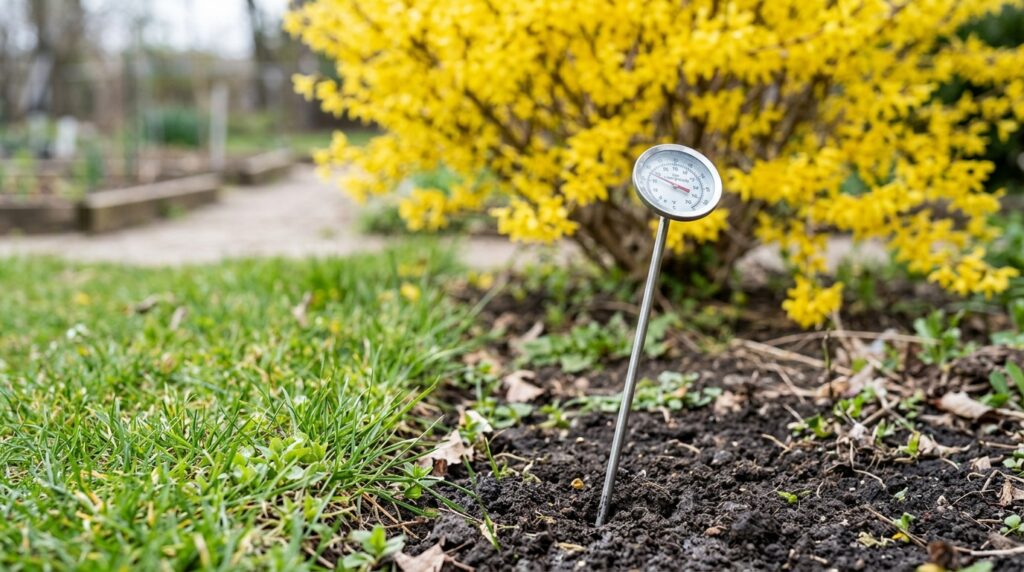
If there’s one thing that determines whether your crabgrass treatment works or fails, it’s timing the application to soil temperature rather than the calendar.
Pre-emergent herbicides should be applied in the spring when soil temperatures reach approximately 55°F, since that’s roughly when dormant seeds start to germinate. Miss that window and a pre-emergent product becomes far less useful, because it only works by blocking seeds before they sprout, not by killing plants that are already up and growing.
A simple trick many gardeners use as a natural cue: forsythia and lilac bushes tend to bloom right around the same 50 to 55°F soil temperature range that triggers crabgrass germination. When you see those yellow blooms open up nearby, it’s a reasonable signal that your application window is arriving.
| Soil Temperature | What’s Happening | What to Do |
|---|---|---|
| Below 50°F | Seeds still dormant | Plan your application, buy product |
| 50–55°F | Ideal pre-emergent window | Apply pre-emergent herbicide now |
| 55–60°F | Germination beginning | Last chance for pre-emergent |
| Above 60°F | Active growth | Switch to post-emergent treatment |
Choosing Between Pre-Emergent and Post-Emergent Treatment
This is where a lot of people waste money and time; they buy the wrong type of product for the stage their lawn is actually in.
Pre-emergent herbicides create a chemical barrier in the top layer of soil. They don’t kill existing plants, they stop new seeds from successfully sprouting. This only works if it’s applied before germination starts.
Post-emergent herbicides target plants that have already emerged and are actively growing. Fighting crabgrass most effectively also comes down to shading it out with a thick, healthy lawn that keeps a dark canopy over the soil so fewer seeds get the sunlight they need to sprout in the first place.
If you already have visible crabgrass in your yard, a pre-emergent won’t touch it. You’ll need a post-emergent product labeled specifically for crabgrass, applied while the plants are still young and before they’ve developed those splayed seed heads.
A Quick Pros and Cons Breakdown
Pre-Emergent Pros:
- Prevents the problem before it starts
- One application often covers the full season
- Less risk to surrounding grass when used correctly
Pre-Emergent Cons:
- Won’t touch crabgrass that’s already growing
- Timing window is narrow and easy to miss
- Can interfere with overseeding for several weeks
Post-Emergent Pros:
- Kills existing plants directly
- Works any time crabgrass is actively growing
- Good for spot-treating isolated patches
Post-Emergent Cons:
- Less effective on mature plants with seed heads
- Some formulas can stress surrounding turf
- Usually needs more than one application
Natural and Cultural Methods That Actually Work
Chemical treatments get most of the attention, but the underlying cause of a crabgrass problem is almost always a lawn that’s thin, stressed, or mowed incorrectly. Fixing those habits does more long-term work than any single herbicide application.
Mow higher. Keeping your lawn mowed to a height of two to three inches instead of scalping it short gives your grass enough leaf surface to shade out germinating weed seeds. Cutting shorter than that weakens the grass and opens up bare soil that crabgrass loves.
Water deeply, not often. Watering thoroughly once a week encourages deeper grass roots, while frequent shallow watering promotes a weak, shallow root system that struggles to compete with weeds.
Reduce compaction. Compacted soil deprives grass roots of the air and water circulation they need, which gives weeds like crabgrass an opening to move in. Core aeration once a year in fall opens up dense soil so your turf can outcompete weeds naturally.
Leave clippings behind. Grass clippings left on the lawn act as a natural fertilizer, feeding the soil and keeping the turf thick enough to resist bare patches where seeds settle in. If your broader outdoor space includes food-producing beds, applying the same soil-health principles when you’re starting a vegetable garden helps keep weed pressure down there too.
Overseed thin spots. Bare patches are an open invitation. Overseeding in early fall, when cooler temperatures favor your lawn grass over warm-season weeds, fills in gaps before crabgrass gets a chance the following spring.
Step-by-Step: Treating an Active Infestation
If crabgrass has already established itself, here’s a realistic sequence to work through:
- Identify the extent of the problem. Walk your lawn and note whether it’s scattered patches or a widespread takeover. This affects whether spot-treatment or full-lawn treatment makes sense.
- Choose the right herbicide for your grass type. Not all lawn herbicides are made the same, and some will damage your regular grass along with the crabgrass, so read the label carefully before applying anything.
- Apply during active growth, not heat stress. Spraying during a drought or extreme heat can stress both the weed and your lawn without giving good results.
- Follow label rates exactly. More product doesn’t mean faster results, it usually just means more risk to surrounding grass.
- Water in granular products as directed, and avoid mowing for a few days before and after treatment so the herbicide has time to translocate through the plant.
- Reassess after two to three weeks. Some regrowth from missed seeds is normal, especially with a large seed bank in the soil.
Preventing Next Year’s Crabgrass Now
The single biggest mistake homeowners make is treating crabgrass reactively every summer instead of building a lawn that resists it in the first place. A dense, well-fed lawn with deep roots outcompetes crabgrass for light, water, and nutrients before it ever gets a foothold.
Fall is actually the most overlooked season for crabgrass prevention. Aerating compacted soil, overseeding bare patches, and applying a fall fertilizer builds a thicker canopy heading into winter. A healthy lawn maintained through proper spring practices keeps crabgrass and other weeds at bay far more reliably than repeated spot treatments.
If you’re in a region with a longer growing season, keep an eye on soil temperature again in late spring or early summer. In warmer climates, a second germination flush can happen once temperatures climb into the mid-60s, which sometimes calls for a split pre-emergent application rather than a single spring treatment.
Expert Tips for Long-Term Control
- Test your soil pH every couple of years. Grass that’s fighting nutrient imbalances is weaker and more vulnerable to weed pressure.
- Sharpen mower blades regularly. Torn grass blades from a dull mower heal slower and create more entry points for weeds.
- Don’t bag every clipping. Leaving short clippings behind returns nitrogen to the soil naturally.
- Keep an eye on lawn edges near driveways and sidewalks, crabgrass often establishes there first because of reflected heat and thinner turf.
- Reapply pre-emergent products according to their labeled residual window, since most only last 8 to 12 weeks.
FAQs
Does vinegar actually kill crabgrass?
Household vinegar can burn back the visible top growth of young crabgrass on contact, but it typically doesn’t kill the root system, especially once the plant is established. It also isn’t selective, so it can damage surrounding grass if it drifts.
How long does it take to get rid of crabgrass completely?
A single post-emergent application usually shows visible browning within one to two weeks, but full control across a lawn, especially one with a heavy seed bank, often takes a full season or two of consistent pre-emergent timing plus good mowing habits.
Will crabgrass die on its own in winter?
Yes, crabgrass is an annual plant and dies completely after the first hard frost. The problem is the seeds it dropped beforehand, which stay dormant in the soil and germinate again the following spring.
Can I use pre-emergent and grass seed at the same time?
Generally no. Pre-emergent herbicides block seed germination indiscriminately, meaning they’ll also stop your new grass seed from sprouting. Most labels recommend waiting several weeks to months between application and overseeding.
What’s the difference between crabgrass and regular grass in a lawn?
Crabgrass has a lighter, yellow-green color, coarser and wider blades, and a low, sprawling growth pattern that spreads outward from a central point, while most lawn grasses grow upright in a more uniform, finer-textured pattern.
Bringing It All Together
Getting rid of crabgrass isn’t about finding one miracle product, it’s about matching the right treatment to the right stage of the plant’s life cycle and backing it up with lawn habits that make your turf harder to invade in the first place. Time your pre-emergent to soil temperature, treat active patches with the correct post-emergent, and keep mowing height, watering, and soil health working in your favor year-round.
Start with whichever step matches where your lawn is right now, and build the rest of the routine in as the seasons change.

