
If you’ve ever stepped outside in spring and found your once-tidy lawn dotted with cheerful yellow flowers, you already know the feeling. Dandelions have a way of showing up uninvited and multiplying fast. Figuring out how to get rid of dandelions is one of the most common lawn care questions homeowners search for every spring, and for good reason. A single plant can release thousands of seeds, and those fluffy white seed heads don’t just sit still, they ride the wind straight into your neighbor’s yard and back again.
The good news is that dandelions are manageable once you understand how they grow and what actually works against them. This guide walks through everything from simple hand-pulling to homemade sprays, lawn-safe herbicides, and long-term prevention, so you can pick the approach that fits your yard, your timeline, and your comfort level with chemicals.
This article is for informational purposes only and is not a substitute for professional lawn care or pesticide guidance. Always read and follow product labels before applying any herbicide.
Why Dandelions Are So Hard to Get Rid Of
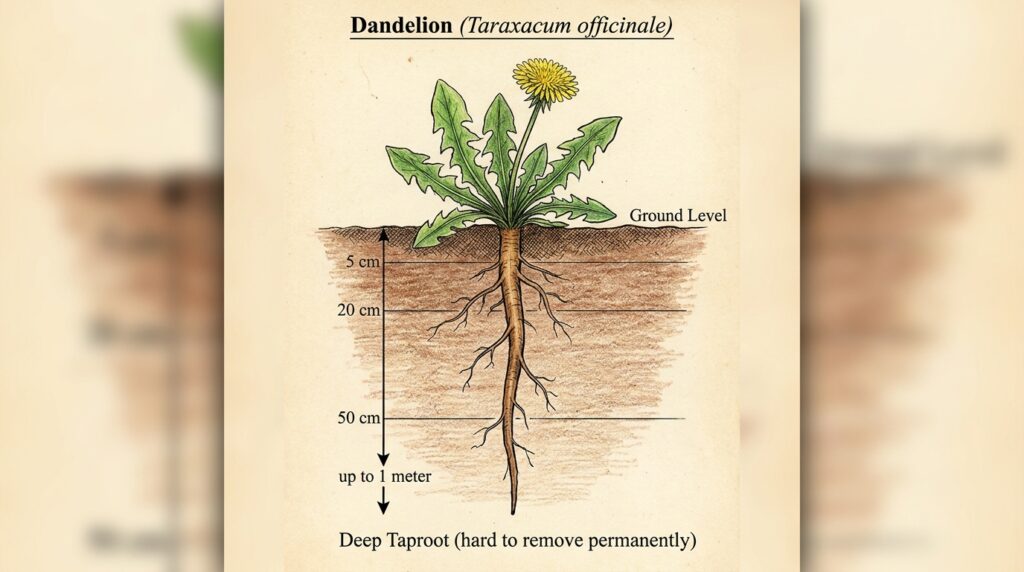
Before jumping into solutions, it helps to understand why this particular weed is so stubborn. Dandelions aren’t just another lawn nuisance, they’re built to survive.
According to UC IPM the dandelion’s deep taproot is the real problem. The plant can regrow from just an inch of root left in the soil, which is why pulling the leaves off without removing the root rarely solves anything. The taproot itself can reach six to eighteen inches deep, sometimes more, anchoring the plant firmly in place.
On top of that, a single dandelion can produce up to 20,000 seeds in its lifetime. Those seeds attach to the fluffy white “blowball” and travel on wind currents for surprisingly long distances, which is why even a weed-free yard can end up with new dandelions seemingly out of nowhere.
A few other traits that make dandelions tough opponents:
- They’re perennials, meaning the same plant can live and regrow for several years.
- They tolerate low mowing heights, so cutting them short doesn’t kill them since the rosette grows below the blade’s reach.
- They thrive in compacted, thin, or stressed lawns where grass can’t compete for space and sunlight.
Once you understand that, the strategy becomes clearer: you either need to remove the entire root system, or you need to make the lawn itself so thick and healthy that dandelions struggle to get a foothold in the first place.
How to Get Rid of Dandelions Naturally
If you’d rather avoid synthetic chemicals, there are several effective ways to handle dandelions without reaching for a bottle of herbicide. Learning how to get rid of dandelions naturally usually comes down to two things: physical removal and natural acid-based sprays.
Hand-Pulling and Digging
This is the oldest method in the book, and it still works, especially for small infestations. The trick is timing and tools.
Extension horticulturists at Iowa State University recommend pulling dandelions after a soaking rain or deep watering, when the soil is loose enough to release the taproot more easily. A fishtail weeder, sometimes called a dandelion digger or asparagus knife, lets you slide along the root and lift the entire plant without leaving fragments behind.
A similar approach is echoed by Nebraska Extension, which suggests cutting the taproot four to five inches below the crown if you can’t pull the whole thing out, since this reduces the plant’s ability to resprout.
Steps for effective hand removal:
- Water the area deeply the day before, or wait for rain.
- Use a dandelion digger or sturdy garden knife to loosen soil around the root.
- Grip the base of the plant and pull steadily, working the tool deeper if you feel resistance.
- Fill the small hole left behind with soil or grass seed to prevent new weeds from moving in.
- Repeat regularly, since a few missed taproots will keep producing new plants.
This method takes patience, but it’s free, chemical-free, and surprisingly satisfying once you get the technique down.
Homemade Dandelion Killer That Won’t Kill Grass
Plenty of people search for a homemade dandelion killer that won’t kill grass, and while no homemade spray is perfectly selective, a few options come close when used carefully.
Horticultural vinegar is the most researched home remedy. It’s important to note this is not the same as the vinegar in your kitchen. Regular white vinegar contains only about 5% acetic acid, while horticultural vinegar used for weed control contains 20% or more. As University of Illinois Extension explains, studies show acetic acid concentrations of 10 to 20% can provide 80 to 100% control of weed foliage, while kitchen-strength vinegar is generally too weak to do much beyond cosmetic damage.
According to the National Pesticide Information Center, acetic acid works as a contact herbicide. It doesn’t travel through the plant the way systemic herbicides do, it only damages the parts it actually touches. That means it’s excellent at burning down the visible leaves of a dandelion but often leaves the taproot alive underground, which is why regrowth is common with this method.
A few important safety notes if you try this approach:
- Horticultural vinegar is corrosive at high concentrations. UC’s Pests in the Urban Landscape program warns it can permanently damage your eyes and irritate your skin, so gloves and eye protection are a must.
- Spray on a hot, sunny day for the best results, since heat speeds up the leaf-burning effect.
- Apply directly to the dandelion leaves only. Vinegar is non-selective, meaning it will damage grass blades it touches too, so a small handheld sprayer with a narrow stream works better than a broad mist.
- Plan on repeat applications, since vinegar mainly kills top growth rather than the root.
If you’re looking for a slightly stronger DIY mix, some gardeners add a small amount of dish soap to help the vinegar stick to the waxy dandelion leaves. Just keep in mind that Oregon State University Extension notes there’s no solid scientific evidence that dish soap and Epsom salt mixtures actually kill dandelions, and these concoctions can harm beneficial insects and soil organisms without delivering reliable results.
Boiling Water
This is about as simple and chemical-free as it gets. Pouring boiling water directly onto a dandelion’s crown and leaves scalds the plant tissue and can kill smaller, younger plants. It works best on dandelions growing in cracks, gravel, or driveway edges where you don’t need to worry about harming surrounding grass, since boiling water will also damage any turf it touches.
Corn Gluten Meal for Prevention
Corn gluten meal isn’t a killer for existing dandelions, but it’s worth mentioning because it’s a popular organic option for stopping new ones from sprouting. It works as a natural pre-emergent, applied in early spring before dandelion seeds germinate. It won’t help with dandelions already established in your lawn, but it’s a useful tool as part of a long-term natural prevention plan.
What Kills Dandelions Permanently
If natural methods aren’t cutting it and you want something more reliable, it’s worth understanding what kills dandelions permanently, or at least what comes closest to it. The honest answer is that no single treatment guarantees a dandelion never returns, since new seeds can blow in from neighboring yards at any time. But certain methods do a much better job of killing the entire plant, root included, so existing dandelions don’t come back.
Selective Broadleaf Herbicides
For lawns specifically, selective broadleaf herbicides are the most effective tool extension experts recommend. These products are designed to kill broadleaf weeds like dandelions while leaving grass unharmed.
The most common active ingredients include 2,4-D, MCPP (mecoprop), MCPA, dicamba, and triclopyr. Iowa State University Extension notes that combination products containing two or three of these herbicides tend to work better than single-ingredient products, since no one compound controls every broadleaf weed on its own.
These herbicides are systemic, meaning the plant absorbs them through its leaves and transports the chemical down into the root system, which is exactly what’s needed to kill the taproot rather than just the visible leaves. This is the key difference between something like vinegar, which only burns what it touches, and a systemic herbicide, which travels through the entire plant.
Research from South Dakota State University Extension, citing a two-year university study, found that pre-bloom applications of 2,4-D-based products achieved more than 90% control after 30 days. However, that same research found control often dropped below 50% by November if the application wasn’t followed up with a fall treatment, which highlights an important point: timing matters just as much as the product you choose.
Why Fall Applications Work Best
Multiple extension sources agree on this point. West Virginia University Extension both point to fall, particularly September through October, as the most effective time to apply systemic herbicides.
The reasoning makes sense biologically. As temperatures cool, dandelions shift their energy reserves down into the root system to prepare for winter. A systemic herbicide applied at this time gets pulled along with those nutrients straight into the taproot, delivering a much more thorough kill than a spring application, when the plant is busy growing leaves and flowers instead.
A Simple Comparison Table
| Method | Kills Root? | Grass-Safe? | Best Season | Effort Level |
|---|---|---|---|---|
| Hand-pulling/digging | Yes, if done fully | Yes | Spring or after rain | High |
| Horticultural vinegar | Rarely | No (contact damage) | Hot, sunny days | Medium |
| Boiling water | Sometimes | No | Anytime, non-lawn areas | Low |
| Selective broadleaf herbicide | Yes | Yes | Fall (best), Spring (good) | Low to Medium |
| Glyphosate spot spray | Yes | No (kills grass too) | Spot treatment only | Low |
How to Get Rid of Dandelions in the Spring
Spring is when most people notice dandelions in the first place, since that’s when the bright yellow flowers pop up everywhere. Knowing how to get rid of dandelions in the spring specifically matters because spring treatment behaves differently than fall treatment.
According to the same South Dakota State University Extension research, the timing of a spring herbicide application relative to the dandelion’s bloom stage makes a real difference:
- Pre-bloom (leaves present, no flowers yet): Best timing for spring control, with studies showing over 90% control at 30 days.
- Peak-bloom (flowers open): Still effective but slightly less reliable long-term.
- Post-bloom (flowers fading or gone to seed): Provides strong short-term control but the weeds have likely already spread seeds by this point.
The practical takeaway is to treat dandelions as early as possible in spring, ideally before you see flowers, rather than waiting until the lawn looks like a sea of yellow. If you miss that early window, treating during peak bloom is still better than doing nothing, since it stops the plant from going to seed and spreading further.
It’s also worth keeping spring lawn care in mind alongside weed control. Nebraska Extension recommends applying pre-emergent herbicides about three to four weeks earlier in unusually warm springs, since soil temperature, not the calendar, actually triggers weed seed germination.
A few spring-specific tips:
- Mow regularly to remove flower heads before they turn into seed puffs, which limits how far the weed can spread that season.
- Avoid mowing right before a herbicide application, since you want enough leaf surface for the product to absorb.
- Water the lawn a day or two before treatment so the dandelions are actively growing and able to take up the herbicide efficiently.
- Hold off on fertilizing with nitrogen during the same window as a weed-killer application, since the SDSU research notes this combination can interfere with root development in young grass.
Best Dandelion Killer That Won’t Kill Grass
When people search for the best dandelion killer that won’t kill grass, they’re really asking for a selective herbicide, something that targets broadleaf weeds specifically while leaving turfgrass undamaged.
As mentioned earlier, products containing 2,4-D, triclopyr, dicamba, or MCPP are designed to do exactly this. Oregon State University Extension confirms that selective herbicides like 2,4-D and triclopyr can be applied over an entire lawn or spot-sprayed without harming the grass, as long as label directions are followed.
A non-chemical alternative worth mentioning is iron-based herbicide, sometimes labeled as iron HEDTA or chelated iron. UC IPM lists this as a biopesticide option (though not technically certified organic) that has shown promise for quick burn-down of broadleaf weeds, including dandelions, while remaining grass-safe when used according to the label. It tends to be a gentler option for households wanting to minimize synthetic herbicide use without going fully homemade.
What to avoid: glyphosate-based products, even though they’re widely available, are non-selective and will damage or kill your grass along with the dandelions. These are better suited for spot-treating weeds in gravel paths, driveway cracks, or garden beds where there’s no turf to protect.
A quick checklist for choosing a grass-safe dandelion killer:
- Look for “selective” or “broadleaf herbicide” on the label, not “non-selective” or “total vegetation control.”
- Check that 2,4-D, triclopyr, dicamba, or MCPP appears in the active ingredients.
- Confirm the product specifies it’s safe for your particular grass type, since some herbicides like triclopyr aren’t recommended for certain warm-season turfgrasses.
- Avoid anything listing glyphosate as the active ingredient if your goal is to protect the lawn.
How to Get Rid of Dandelions in Your Yard Naturally (Long-Term Strategy)
A one-time treatment, whether it’s pulling, spraying, or an herbicide application, only solves part of the problem. Learning how to get rid of dandelions in your yard naturally for the long haul really comes down to prevention through a healthier lawn.
Nearly every extension source mentioned in this guide circles back to the same point: a thick, well-maintained lawn is the best natural defense against dandelions. Weeds need bare soil and sunlight to germinate, and a dense stand of grass simply doesn’t give them the opportunity.
Build a Thicker Lawn
- Mow higher. Cutting grass at a taller height, generally around three inches, shades the soil and makes it harder for dandelion seeds to germinate. North Dakota State University Extension specifically recommends letting grass grow tall to shade out emerging weeds before they get established.
- Leave the clippings. According to the same NDSU source, grass clippings left on the lawn can smother weed seedlings while returning nutrients to the soil, helping grass grow thicker over time.
- Overseed thin spots. Bare or thinning patches are prime real estate for dandelion seeds. SDSU Extension recommends overseeding these areas as part of a regular maintenance routine.
- Water deeply but infrequently. This encourages deep grass roots that can outcompete shallow weed seedlings for moisture.
- Fertilize appropriately. A consistent nitrogen fertility program, applied at the right times of year, keeps turf dense and competitive.
Stay Ahead of Seed Spread
Since dandelion seeds can travel for miles on the wind, as noted by UC IPM, complete prevention isn’t realistic. But mowing before the yellow flowers turn into white seed puffs significantly cuts down on how many new seeds get the chance to spread in the first place.
Decide If You Need to Remove Them at All
It’s also worth pointing out, as Iowa State University Extension mentions, that there’s no rule requiring a dandelion-free lawn. Some homeowners genuinely enjoy the early spring color, and dandelions serve as one of the first pollen sources for bees each year. If your lawn is otherwise healthy and the population stays manageable, leaving them alone is a perfectly valid choice too.
How to Get Rid of Dandelions in Grass: A Step-by-Step Plan
Putting it all together, here’s a practical, season-by-season plan for how to get rid of dandelions in grass without guessing at timing or wasting effort on the wrong method.
Step 1: Assess the size of the problem. A handful of scattered dandelions can be hand-pulled. A lawn covered edge to edge probably needs a broader herbicide application.
Step 2: Treat in early spring if dandelions are already flowering. Apply a selective broadleaf herbicide before or during early bloom, or begin hand-pulling once the soil is moist.
Step 3: Mow regularly through the season. Keep flower heads from turning into seed puffs, and maintain a taller mowing height to shade out new seedlings.
Step 4: Apply a follow-up treatment in fall. This is the single most effective window for killing the taproot, according to multiple extension sources, since the plant is actively moving nutrients downward.
Step 5: Overseed and fertilize. Fill in any bare spots left behind and keep the lawn’s fertility program consistent to build long-term resistance to new weeds.
Step 6: Stay consistent year after year. Dandelion control isn’t usually a one-and-done project. Combining spring and fall treatments with good lawn care habits is what leads to noticeably fewer dandelions over two to three growing seasons.
Expert Tips for Better Dandelion Control
- Treat young weeds first. Smaller, younger dandelions respond better to both natural and chemical treatments than mature, deeply rooted plants.
- Apply on calm, dry days. Wind causes herbicide drift that can damage nearby plants, and rain shortly after application can wash products away before they’re absorbed.
- Don’t mix herbicide types carelessly. Combining products without reading labels can damage grass or reduce effectiveness.
- Protect garden beds separately. Selective lawn herbicides shouldn’t be used near vegetables or flower beds. For those areas, hand-pulling or a careful spot application of natural alternatives is safer.
- Be patient with natural methods. Vinegar and similar treatments often require multiple applications spaced a couple of weeks apart, especially on established plants.
Pros and Cons of Each Approach
Hand-Pulling Pros: Free, no chemicals, immediately satisfying results. Cons: Time-consuming, requires repeated effort, hard on large lawns.
Homemade Vinegar Spray Pros: Low-cost, avoids synthetic herbicides, fast visible results on leaves. Cons: Often doesn’t kill the taproot, can damage grass it touches, requires protective gear.
Selective Broadleaf Herbicide Pros: Kills the root system, safe for grass when used correctly, longer-lasting results. Cons: Synthetic chemical exposure, must be timed carefully, not suitable near gardens.
Improving Lawn Health Pros: Long-term prevention, benefits the whole lawn, no chemicals required. Cons: Slower to show results, won’t remove existing dandelions on its own.
Frequently Asked Questions
Does pulling dandelions actually work?
Yes, but only if the entire taproot comes out. Leaving even an inch of root behind can allow the plant to regrow, so it’s most effective when the soil is moist and you use a tool designed to lift the root cleanly.
Will regular vinegar from my kitchen kill dandelions?
Not reliably. Household vinegar is only about 5% acetic acid, which is too weak to do more than lightly scorch the leaves. Horticultural vinegar at 20% acetic acid is far more effective, though it still tends to leave the taproot alive.
What time of year is best for killing dandelions permanently?
Fall, generally September through October, is considered the most effective window because the plant is sending nutrients down into its root system, allowing systemic herbicides to reach and kill the taproot more thoroughly.
Can I use a dandelion killer that won’t harm my grass?
Yes. Selective broadleaf herbicides containing 2,4-D, triclopyr, dicamba, or MCPP are formulated to target broadleaf weeds like dandelions while leaving turfgrass unharmed when applied according to label directions.
Do I really need to remove every dandelion from my yard?
Not necessarily. A few scattered dandelions in an otherwise healthy lawn aren’t harmful, and they provide early-season food for bees. Removal becomes more worthwhile if the population is spreading quickly or affecting how the lawn looks and functions.
Final Thoughts
Dealing with dandelions doesn’t have to mean choosing between a chemical-heavy lawn or a yard full of yellow flowers every spring. Whether you lean toward hand-pulling, a homemade vinegar spray, or a properly timed broadleaf herbicide, the real key is matching the method to the size of the problem and following through with consistent lawn care afterward. Combine an early treatment in spring with a follow-up in fall, keep the grass mowed and well-fed, and you’ll likely notice a real difference within a season or two.
If your lawn still feels overwhelmed by dandelions after trying these steps, consider reaching out to a local extension office. They can offer guidance specific to your soil, grass type, and climate, which can make the difference between a one-time fix and lasting results.

