
Emergencies have an inconvenient habit of arriving without much warning. Severe weather, power outages, HVAC and plumbing problems, fires, and other unexpected events can quickly disrupt everyday life at home. While it is impossible to prepare for every situation, a little planning can make it considerably easier to respond calmly and protect the people and property that matter most.
Learning how to prepare your home for an emergency does not have to involve turning the basement into an emergency bunker. Instead, focus on a few practical measures that can help your household cope when normal services are temporarily unavailable.
Have A Plan For Losing Power
Electricity is one of the first things households notice during an emergency. A prolonged outage can affect lighting, refrigeration, heating or cooling, communications, and the ability to charge essential devices. For households that experience outages regularly or simply want another layer of preparedness, an electric power generator may be worth considering. Think carefully about which appliances and systems would actually need electricity during an outage so you can determine the appropriate power requirements.
Generators must always be operated according to the manufacturer’s safety instructions. Portable generators should never be used inside a home, garage, or other enclosed area because of the risk of carbon monoxide poisoning.
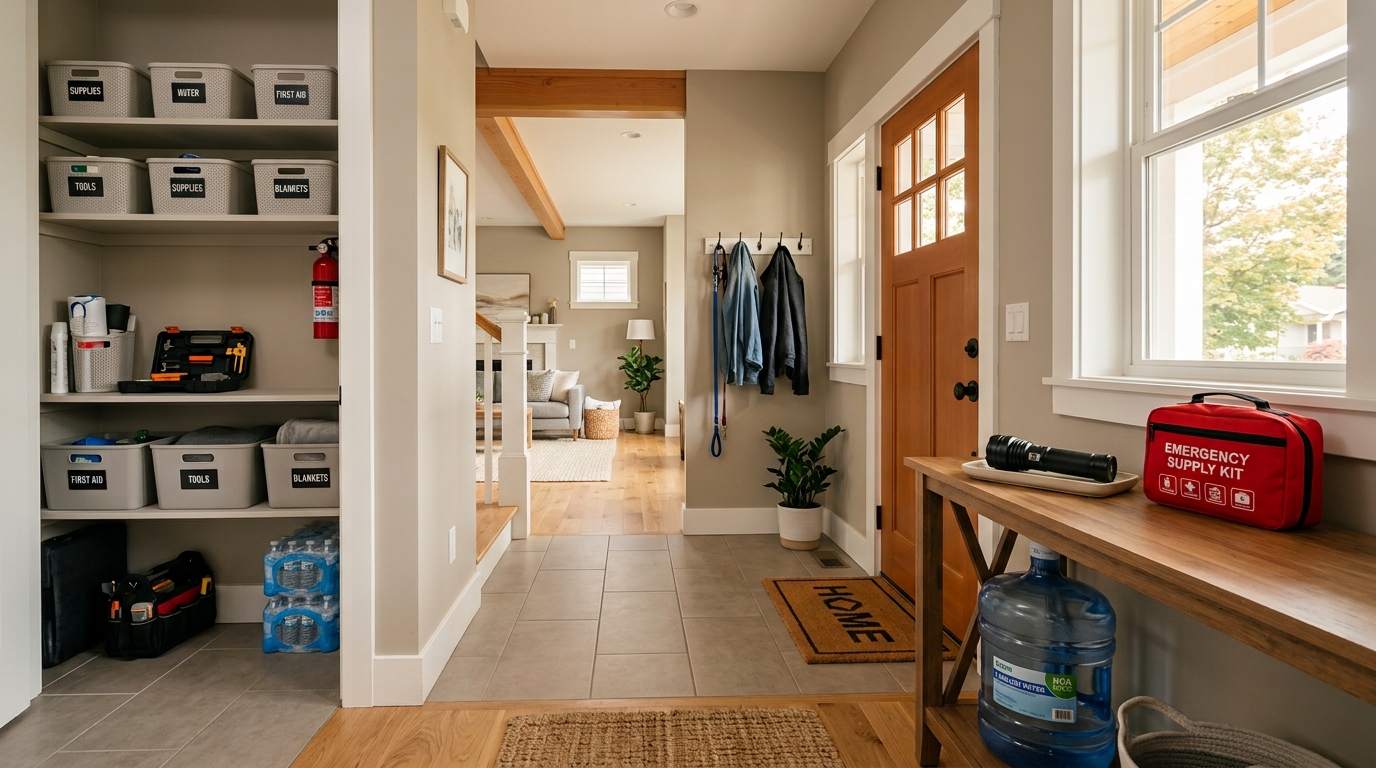
Put Together An Emergency Kit
A basic emergency kit can be invaluable if you need to remain at home without normal utilities or leave at short notice, but just make sure to keep supplies together somewhere that everyone in the household can access easily.
Useful items can include flashlights, spare batteries, bottled water, nonperishable food, a first-aid kit, necessary medications, phone charging equipment, basic tools, and copies of important information. Check the kit periodically and replace expired food, medications, and batteries when necessary.
Know How Your Home Works
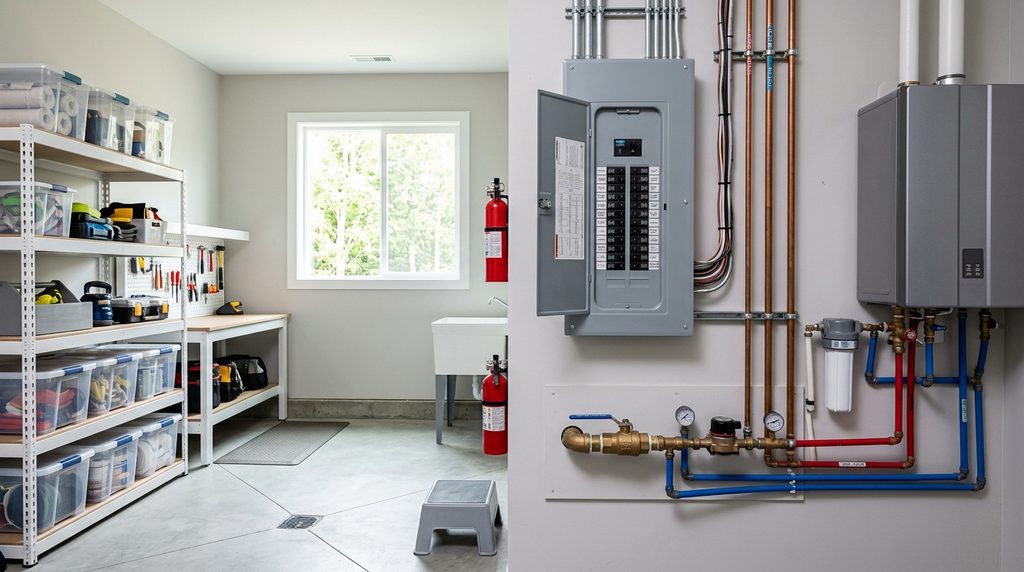
An emergency is not the ideal time to discover that nobody knows where the main water shutoff valve is located or how to respond to plumbing emergencies. Every adult in the household should understand how to shut off essential utilities when it is safe and appropriate to do so. It is also useful to understand electrical safety, know the location of the electrical panel, and understand which breakers control major areas or appliances. Gas-related problems should be treated particularly seriously, with suspected leaks reported to the appropriate utility or emergency service rather than investigated independently.
Prepare For Local Risks
Emergency planning should reflect where you live. A household in an area prone to hurricanes may have different priorities from one where winter storms, wildfires, flooding, or extreme heat are more common.
Consider how local conditions could affect access to your property, communications, electricity, water, and transportation. Appropriate home maintenance can also reduce certain risks. Clearing gutters, maintaining trees, servicing heating and cooling systems, and addressing leaks before they become serious can all contribute to a more resilient home.
Review Your Plan Regularly
Households change, so emergency preparations should change with them. New pets, children, older relatives, medications, vehicles, or home improvements can all affect what you might need during an emergency.
Review your supplies and household plan at least periodically, making sure everyone knows what to do and how to contact one another. Emergency preparedness is ultimately about making sensible decisions before they become urgent ones. A few straightforward precautions today can make an unexpected disruption much easier to manage tomorrow.

