
Key Takeaways
- Mild Jacksonville Beach winters still require reliable, safe home heating.
- Heat pumps, furnaces, and ductless systems serve different home layouts and comfort goals.
- Proper sizing, airflow, clean filters, and sealed ducts all affect system performance.
- Salt air, moisture, storms, and outages require extra attention around outdoor equipment.
- Replacement decisions should consider long-term comfort, maintenance, and operating needs, not just purchase price.
A home heating plan can help homeowners stay comfortable, maintain reliable equipment, and respond to changing weather without making rushed decisions. Homeowners may spend much of the year thinking about cooling, but a dependable heating plan still matters when damp winter mornings and sudden cold fronts arrive. A house can feel chilly even when temperatures are well above freezing, especially when drafts, moisture, weak insulation, or uneven airflow are involved. Working with a provider of expert AC repair and installation can help homeowners evaluate both the equipment and the home conditions that influence year-round comfort.
Why Mild-Winter Homes Still Need Reliable Heating
Jacksonville Beach does not experience long stretches of severe winter weather, but brief cold snaps can still make bedrooms, bathrooms, and living areas uncomfortable. A home may feel cold at daybreak because humid air, leaky windows, cool flooring, and air movement affect how people experience indoor temperatures. If one room stays noticeably colder than the rest of the house, the cause may be insulation, ductwork, a blocked vent, or system capacity rather than the thermostat alone. Bathrooms, rooms over garages, spaces with many windows, and recently added rooms can be especially likely to reveal these comfort differences.
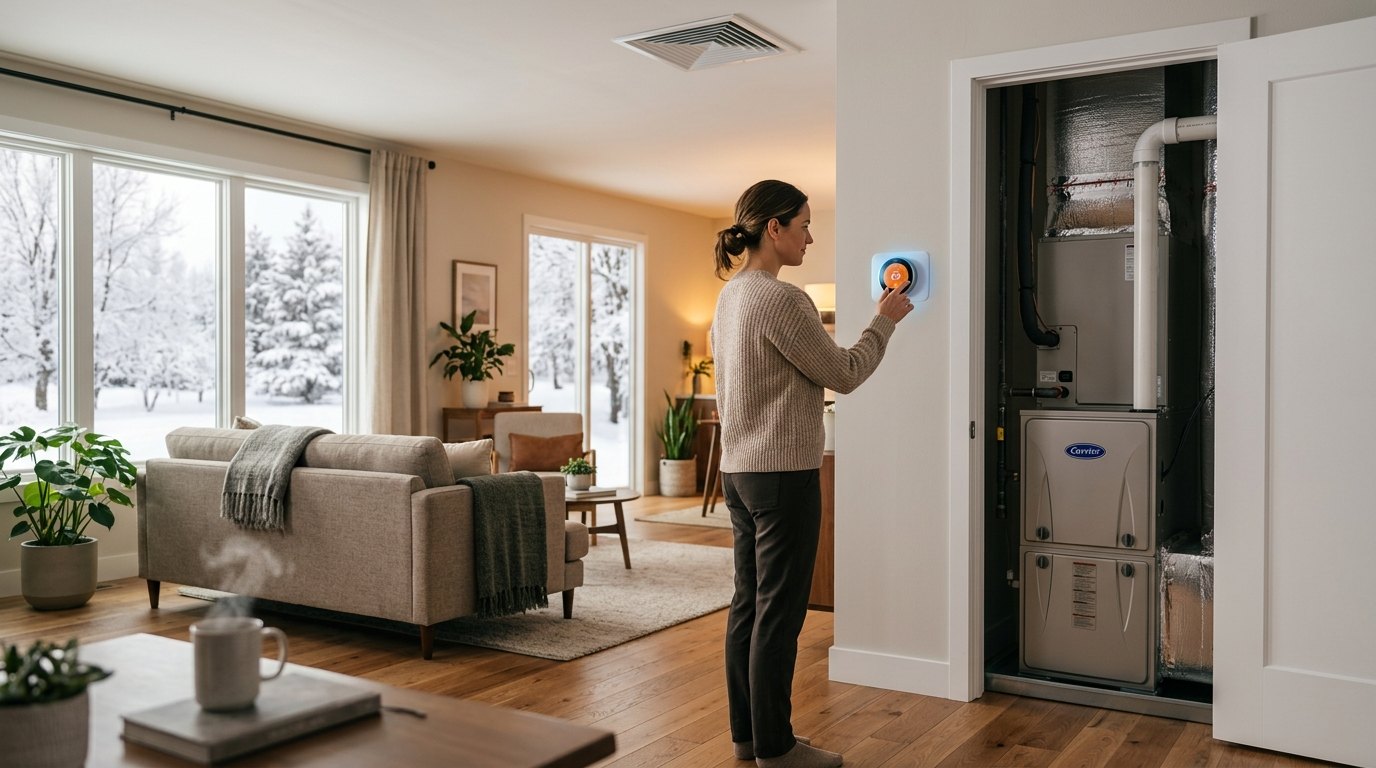
Reliable heat also supports a more practical response when weather changes quickly, while seasonal heating maintenance can help keep the system dependable before colder conditions arrive. Testing the system before the first chilly period gives homeowners time to address unusual sounds, weak airflow, or inconsistent temperatures while following practical steps for cold-weather home comfort. It also gives residents an opportunity to confirm that the thermostat changes modes correctly and that warm air reaches the areas where it is needed.
Start With a Home Comfort Check
Before selecting new equipment, review the home itself. Installing a larger system will not automatically fix air leaks, damaged ducts, or rooms with inadequate insulation. A basic comfort check can reveal improvements that support better heating system performance and can help an installer recommend appropriate equipment. Notes from this review can be valuable during an in-home estimate, particularly if comfort problems occur only in certain rooms or at particular times of day.
- Check doors, windows, and attic access panels for noticeable drafts.
- Look for visible damage, loose connections, or insulation problems around accessible ductwork.
- Confirm that supply vents and return grilles are open and unobstructed.
- Make note of rooms that are consistently colder or warmer than nearby spaces.
- Check whether furniture, rugs, or curtains are limiting airflow.
- Look for signs of moisture around accessible equipment or duct connections, since water intrusion can require prompt attention.
Compare Common Heating System Types
Heat Pumps
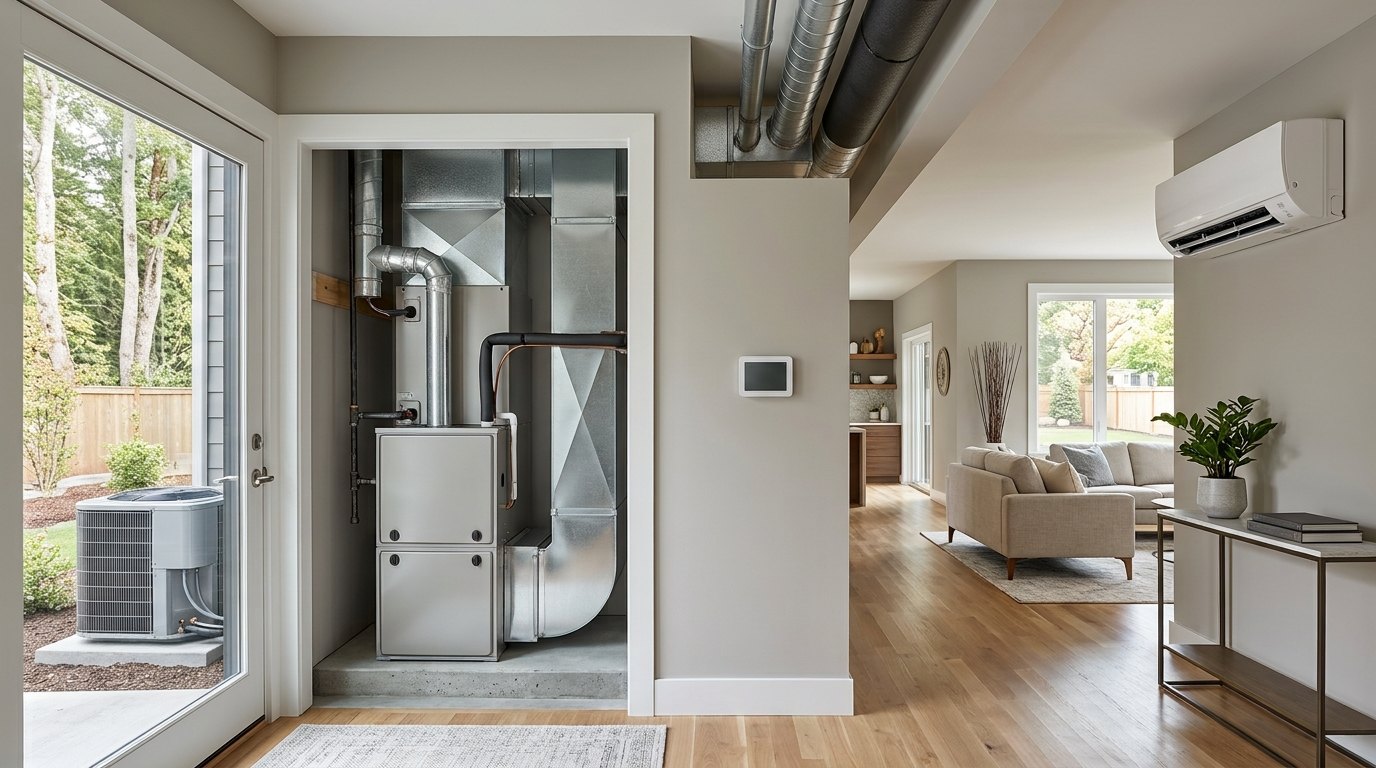
Heat pumps provide heating and cooling by transferring heat between indoors and outdoors rather than producing it through combustion. That dual-purpose design can be especially appealing in Jacksonville Beach, where cooling needs are important for much of the year. This approach also makes heat pumps a common option for homes seeking one central system for both seasons. Some systems include supplemental electric heat for conditions when additional heating support is needed, so homeowners should understand how their particular equipment is configured and operated.
Gas and Electric Furnaces
Furnaces generate heat and distribute warm air through ductwork. A gas furnace requires an appropriate fuel supply and venting arrangement, while an electric furnace relies on the home’s electrical system. Existing equipment, utility access, duct condition, installation requirements, and homeowner preference all factor into whether a furnace is a sensible choice. With any furnace, routine professional service and clear airflow around indoor equipment help support safe, dependable operation.
Ductless Mini-Splits
Ductless mini-splits can heat and cool individual zones without relying on central ductwork. They may suit additions, converted garages, enclosed porches, or older homes where adding ducts would be difficult. Indoor heads should be kept clean, and the system design should place each unit where it can distribute air effectively throughout the intended space. Because each indoor unit serves a defined area, homeowners should consider doors, room layout, ceiling height, and how often the space is occupied when planning a ductless installation.
Match the System to the Home
There is no single best heating system for every home, so homeowners should compare options based on layout, efficiency, equipment requirements, and the benefits of an energy-efficient HVAC system. A compact beach cottage, a newer two-story home, and a remodeled property with an added living area may have very different needs. The best option should reflect the home’s layout, insulation, electrical capacity, duct condition, and how each room is used. It should also account for practical considerations such as where indoor and outdoor components can be placed for service access and unobstructed airflow.
- Whole-home comfort: A ducted system may be practical when existing ducts are in good condition and properly designed.
- Room-by-room control: A ductless system can provide separate temperature control for distinct spaces.
- Heating and cooling in one system: A heat pump can serve both functions.
- Older or drafty homes: Improve air sealing and insulation before assuming more capacity is the answer.
- Home additions: Consider whether the new space can be served effectively by the existing system or needs its own heating and cooling solution.
Why Proper Sizing Matters
Equipment should be sized for the home rather than selected by square footage alone. A system that is too large can cycle on and off frequently, while a system that is too small may run for long periods without maintaining the desired comfort level. Both situations can affect comfort and place unnecessary stress on equipment. Square footage is only one starting point, since ceiling height, shade, window area, building orientation, and recent renovations can all influence heating and cooling loads.
During an estimate, homeowners should ask whether a room-by-room load calculation was completed and whether the contractor considered windows, insulation, ductwork, household occupancy, and electrical service. The sizing guidance for air-source heat pumps also emphasizes matching equipment to the home’s heating and cooling requirements. A clear discussion of sizing can help homeowners compare proposals based on system design rather than relying only on equipment capacity or initial cost.
Focus on Airflow and Indoor Comfort
A heating system can be mechanically sound and still leave rooms uncomfortable if air does not move through the house as intended. Filters, blower performance, return-air pathways, duct connections, and register placement all influence the result. Uneven temperatures deserve attention, particularly when one room consistently feels stuffy, cold, or weakly ventilated. Closing too many supply vents is not usually a reliable solution, because it can interfere with the airflow the system was designed to deliver.
- Replace or clean filters according to the manufacturer’s instructions.
- Keep supply vents and return grilles clear of furniture and curtains.
- Pay attention to rattling, whistling, unusual odors, or reduced airflow.
- Ask about duct leakage or balancing when comfort problems persist.
- Use ceiling fans appropriately to support air circulation, while remembering that they do not replace needed heating capacity.
Plan for Coastal Moisture and Salt Exposure
Outdoor HVAC equipment near Jacksonville Beach faces humid conditions, wind-driven debris, and salt in the air. Over time, these conditions can affect metal components, coils, fasteners, and electrical connections. Keep the area around the outdoor unit free of leaves, standing water, stored items, and overgrown landscaping so the equipment has adequate clearance and can be inspected. Homeowners should also avoid piling mulch, beach gear, or yard equipment against the unit, since those items can restrict airflow and make maintenance more difficult.
Avoid using harsh chemicals or high-pressure water on delicate coils and electrical components. A qualified technician can recommend cleaning and maintenance steps that fit the unit’s condition and location. Regular visual checks can help identify debris buildup, corrosion concerns, or physical damage before those issues become more disruptive.
Build a Storm-Ready Heating Plan
Severe weather preparation should include the heating and cooling system. Before a storm, clear loose items from around outdoor equipment, keep important service records in a dry place, and know how to shut the system off safely if water damage is suspected. After heavy rain or wind, do not operate visibly damaged equipment until it has been inspected. If an outage occurs, follow utility and equipment guidance when power returns rather than repeatedly changing thermostat settings while the system is unavailable.
Know When Repair May Make More Sense Than Replacement
A repair can be reasonable when equipment is relatively new, has a dependable service history, and needs a straightforward fix. Replacement may be worth considering when breakdowns recur, repair costs continue to rise, or the system no longer provides dependable comfort. Request a written explanation of the diagnosed issue, repair scope, expected maintenance needs, and available replacement options. It can also be helpful to compare the expected remaining usefulness of the current system with the benefits and installation requirements of a new one.
A Simple 2026 Heating Checklist
- Test heating before the first cold snap.
- Clean or replace the filter.
- Check vents, registers, and visible ductwork.
- Clear debris around outdoor equipment.
- Review thermostat settings.
- Schedule service for unusual sounds, odors, leaks, or uneven temperatures.
- Keep service paperwork and warranty information in an accessible location.
Make Comfort a Year-Round Plan
Comfortable winter mornings in Jacksonville Beach begin with preparation, not guesswork. Match the system to the home, correct airflow concerns, protect outdoor equipment from coastal conditions, and keep up with routine maintenance. Looking beyond equipment size and upfront price can support better decisions for comfort, efficiency, safety, and long-term reliability. A thoughtful heating plan can also make it easier to address smaller comfort concerns early, before a cold morning or weather event makes dependable operation more important.

