
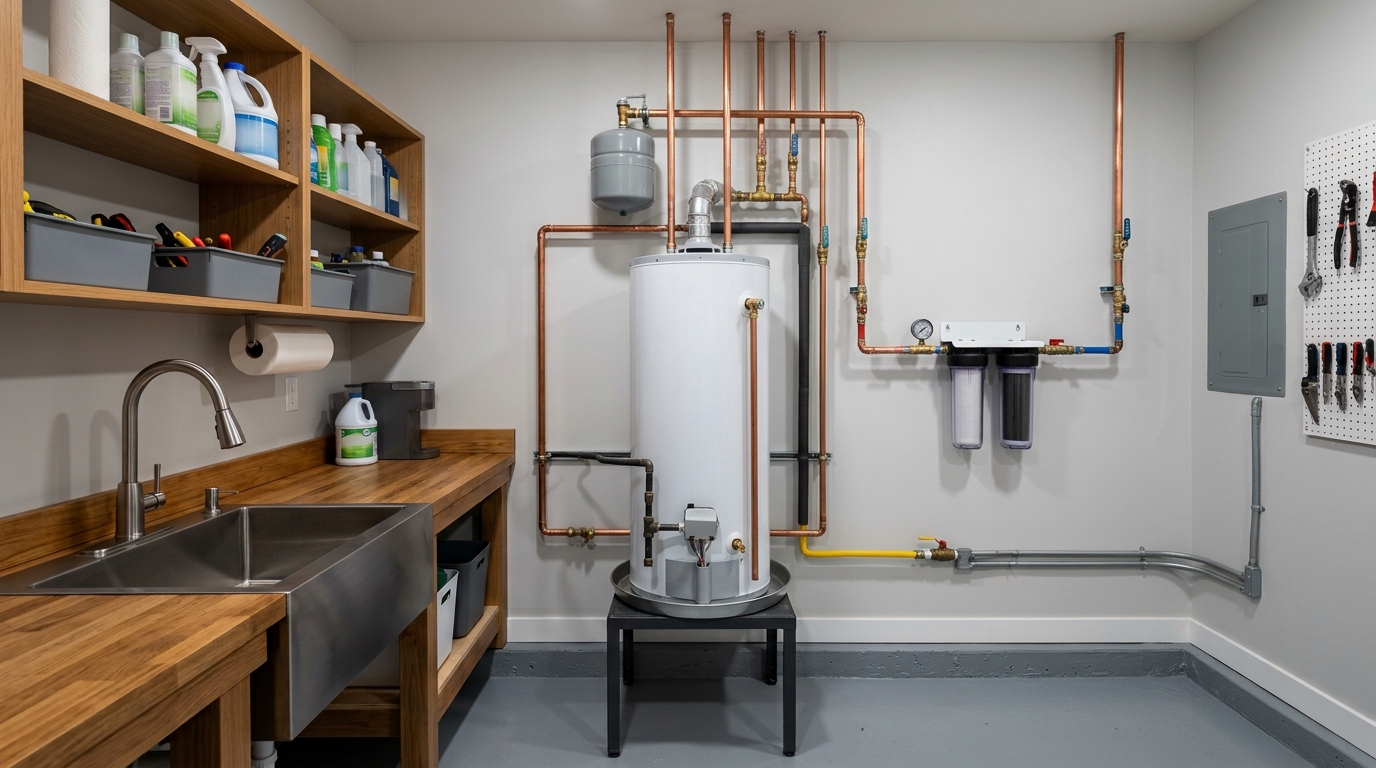
Few things disrupt daily comfort like a malfunctioning water heater. The sudden absence of hot water for showers, laundry, or dishes can quickly turn a routine day into a frustrating challenge. When your water heater acts up, the immediate concern often shifts to finding a solution that is both effective and budget-friendly. This guide is designed to help Fort Myers, FL homeowners navigate the complexities of affordable water heater repair without sacrificing quality or peace of mind. We understand the stress unexpected home repairs can bring, especially when it involves essential systems.
To dive deeper into home system care, explore our comprehensive guide, or if you need immediate assistance, reach out to us today.
In this guide, we will explore the common signs that indicate your water heater needs attention. We will discuss the benefits of repair versus replacement and the different types of water heaters that can be fixed. Understanding the factors that affect repair costs and following proper water heater maintenance practices are key to making informed decisions and extending your unit’s useful life.
We will also provide practical tips for finding reliable and affordable repair services in Fort Myers, FL. Learn about preventative maintenance to extend your unit’s life and what to look for in a qualified technician. Our goal is to empower you with the knowledge to keep your hot water flowing efficiently and economically.
Maintaining a comfortable home environment in Fort Myers, FL, goes beyond just having a working air conditioner or a functional water heater. It involves a holistic approach to your residential infrastructure, focusing on the synergy between various systems to ensure optimal energy conservation, utility synchronization, and equipment longevity. A proactive strategy for home comfort solutions considers how heating, ventilation, air conditioning (HVAC), and plumbing systems interact, recognizing that an issue in one area can often impact another. By viewing your home’s utilities as an interconnected network, homeowners can better anticipate needs, prevent costly breakdowns, and ultimately achieve greater efficiency and comfort. This integrated perspective is crucial for long-term savings and sustained peace of mind.
Integrating Heating and Plumbing Systems with Comprehensive Home Comfort Solutions

The interplay between your home’s heating and plumbing systems is more significant than many homeowners realize. For instance, a well-maintained water heater directly contributes to the efficiency of your plumbing, while issues like leaks or poor water pressure can strain heating elements. Achieving cross-system performance means ensuring that each component operates harmoniously, preventing undue stress on other parts of your residential infrastructure. This is where preventive diagnostics become invaluable. Regular inspections can identify potential problems before they escalate, allowing for timely interventions that preserve the health of your entire home system.
Routine servicing is not just about fixing what’s broken; it’s about optimizing performance and extending the operational life of your equipment. For homeowners in Fort Myers, FL, understanding the interconnectedness of these systems is a crucial step toward cost reduction and enhanced home comfort. By adopting a unified approach to maintenance, you can avoid unexpected failures and ensure that your home remains a sanctuary regardless of the season. For those interested in a deeper dive into maintaining optimal home performance and understanding the nuances of various utility systems, exploring resources on comprehensive HVAC and plumbing can provide invaluable insights into keeping your entire home running smoothly and efficiently. Coordinating HVAC and plumbing services can simplify maintenance across interconnected home systems while helping reduce utility costs and the likelihood of major, disruptive repairs.
Modern Water Heating Technologies
The landscape of water heating has evolved considerably, offering homeowners a range of options beyond the traditional storage tank. Understanding these technologies is key to both repair and replacement decisions.
- Conventional Storage Tank Water Heaters: These are the most common type, storing and heating a large volume of water in a tank. They come in various sizes and are typically powered by electricity or natural gas. While generally reliable, their efficiency can decline over time as sediment builds up.
- Tankless Water Heaters: Also known as on-demand water heaters, these units heat water directly without the use of a storage tank. They provide hot water only as needed, which can lead to significant energy savings. They are compact and have a longer lifespan than traditional tanks but often come with a higher initial installation cost.
- Hybrid Heat Pump Water Heaters: These innovative systems capture heat from the air and transfer it to the water, making them highly energy-efficient. They combine a conventional storage tank with a heat pump, offering an eco-friendly alternative with reduced operating expenses.
- Gas Water Heaters: Whether conventional or tankless, gas-powered units often heat water faster than electric models and can be more economical to operate, depending on local utility costs. They require proper ventilation for safe operation.
Each type has its own set of repair considerations and benefits. For instance, tankless units, due to their complex internal components, might require specialized technicians for certain repairs. Hybrid models, while efficient, have unique diagnostic needs related to their heat pump technology. Understanding these differences helps homeowners make informed decisions when faced with repair needs or considering upgrades.
A comparison between tankless and storage water heaters often highlights key differences in energy efficiency, initial investment, lifespan, and space requirements. Tankless models generally offer superior energy efficiency by heating water on demand, leading to lower operating costs over time. However, their upfront purchase and installation can be a more substantial investment. Storage tank heaters are typically less expensive initially but consume more energy due to standby heat loss. In terms of lifespan, tankless units often outlast traditional tanks, though both benefit significantly from regular maintenance. Space-wise, tankless heaters are compact and wall-mounted, freeing up valuable utility space, whereas storage tanks require a dedicated area. The choice between them often depends on household hot water demand, budget, and long-term efficiency goals.
Diagnosing Water Heater Issues Before System Failure
Identifying problems with your water heater early can save you from significant inconvenience and potentially costly repairs or replacements. Homeowners in Fort Myers, FL, should be vigilant for signs of performance degradation, which often manifest as temperature inconsistency or unexpected utility spikes. A proactive approach to diagnostic protocols can prevent minor issues from escalating into major system failures. Recognizing these indicators allows for timely intervention, preserving the lifespan of your unit and maintaining the comfort of your home.
Early Warning Signs of Mechanical Breakdown
Your water heater often provides subtle clues when it’s beginning to falter. Paying attention to these early warning signs can help you address issues before they become critical:
- Discolored Water: If your hot water appears rusty, murky, or otherwise discolored, it could indicate corrosion inside the tank. This is a serious sign that the tank’s integrity is compromised and could lead to leaks.
- Rumbling Sounds: A rumbling or popping noise coming from your water heater often signals a buildup of sediment at the bottom of the tank. As the heating element attempts to warm the water, it heats the sediment, causing these sounds. This buildup reduces efficiency and can damage the tank over time.
- Pressure Irregularities: Fluctuations in hot water pressure, or a noticeable drop in pressure specifically from hot water taps, can point to issues within the water heater, such as sediment accumulation restricting flow or a faulty pressure relief valve.
- Valve Weeping: Any visible moisture or dripping around the pressure relief valve or other connections on the water heater is a red flag. A weeping valve might indicate excessive pressure within the tank, a faulty valve, or a loose connection that could eventually lead to a larger leak.
Ignoring these symptoms can lead to more severe problems, including complete system failure or extensive water damage. Early detection and professional assessment are crucial.
Critical Hazards and Flood Prevention
Beyond the inconvenience of no hot water, a failing water heater can pose critical hazards, including the risk of flooding and significant property damage. Understanding these risks is vital for Fort Myers homeowners.
- Tank Corrosion: As mentioned, discolored water is a primary indicator of internal tank corrosion. Once the tank’s protective lining is compromised, rust can eat through the metal, leading to pinhole leaks that gradually worsen. Eventually, this can result in a catastrophic leak or rupture.
- Catastrophic Leaks: A sudden, large leak from the water heater tank can quickly flood basements, utility closets, or garages, causing extensive damage to flooring, walls, and personal belongings. The warm water can also create an ideal environment for mold growth.
- Pressure Relief Valve Failure: The temperature and pressure relief (TPR) valve is a critical safety component designed to release excess pressure and temperature from the tank. If this valve is faulty or blocked, internal pressure can build to dangerous levels, potentially causing the tank to explode. This is a rare but extremely dangerous scenario.
- Structural Damage: Long-term, undetected leaks can lead to structural damage to your home, weakening wooden beams, subflooring, and foundations.
- Emergency Shutoff: Homeowners should know how to perform an emergency shutoff of their water heater. This involves turning off the water supply to the unit (usually a valve on the cold water inlet pipe) and either turning off the gas supply (for gas heaters) or shutting off power at the circuit breaker (for electric heaters). Knowing these steps can mitigate damage in the event of a sudden leak.
Regular inspections and basic water heater emergencies prevention practices can help identify these potential hazards early, allowing for preventative measures or timely repairs to avoid a disaster.
Evaluating Repair Versus Replacement Options
When your water heater begins to show signs of trouble, a crucial decision arises: should you repair the existing unit or invest in a new one? This evaluation involves a lifecycle assessment of your current system, considering factors like component wear, the economics of replacement, and potential efficiency gains. For homeowners in Fort Myers, FL, making the right choice can significantly impact both immediate expenses and long-term utility costs. Understanding when repair is the more beneficial path versus when replacement offers a better return on investment is key to managing your home’s comfort system effectively.
Financial Considerations and Longevity
Several financial and longevity factors play a role in the repair-versus-replacement decision:
- Unit Age: The typical lifespan of a conventional tank water heater is generally around 8-12 years, while tankless models can last 20 years or more with proper maintenance. If your unit is approaching or has exceeded the ten-year threshold for tank models, replacement often becomes a more sensible option, especially if repairs are frequent or substantial. An older unit is more likely to experience future breakdowns, making repeated repairs less economical.
- Repair Cost Ratios: A common rule of thumb is that if the cost of repair approaches 50% of the cost of a new unit, replacement should be strongly considered. For example, if a repair is substantial, it might be more prudent to put that money towards a new, more efficient model that comes with a fresh warranty.
- Warranty Coverage: Check if your water heater is still under warranty. If a major component fails and is covered, repair might be the most affordable option. However, if the warranty has expired, you’ll be responsible for the full cost of parts and labor.
- Financing Options: Some companies offer financing options for significant repairs or new water heater installations. This can make the upfront cost of a replacement more manageable, allowing you to upgrade to a more efficient unit without a large immediate outlay. Exploring these options can alleviate financial strain and enable a decision based on long-term value rather than just immediate cost.
- Installation Capital: Consider the initial capital required for a new installation. While a repair might seem cheaper upfront, a new, more energy-efficient model could lead to substantial savings on utility bills over its lifespan, effectively offsetting the installation capital over time. This is particularly true for older, less efficient units.
The decision balances the immediate cost of repair against the long-term benefits and potential savings of a new, more efficient water heater. A qualified technician can provide a detailed assessment to help you weigh these factors.
Maximizing Efficiency via Comprehensive Home Comfort Solutions
Regardless of whether you choose to repair or replace, maximizing the efficiency of your water heater is paramount for reducing energy consumption and extending its operational life. Incorporating preventative maintenance into your comprehensive home comfort solutions strategy is the most effective way to achieve this.
- Annual Flushing: For traditional tank water heaters, sediment buildup at the bottom of the tank is a major efficiency killer. Annually flushing the tank helps remove these mineral deposits, ensuring the heating element can operate efficiently and preventing the rumbling sounds mentioned earlier. This simple procedure can significantly extend the life of your unit.
- Anode Rod Replacement: The anode rod, often called the “sacrificial rod,” is designed to corrode before the steel tank does. Regularly inspecting and replacing this rod (typically every 3-5 years, depending on water quality) is crucial for preventing tank corrosion and extending the life of your water heater.
- Thermostat Calibration: Ensuring your water heater’s thermostat is accurately calibrated to your desired temperature (typically 120°F for most households) prevents it from overheating water unnecessarily, which wastes energy. A technician can verify and adjust this during routine maintenance.
- Sediment Prevention: Beyond flushing, installing a water softener can significantly reduce mineral buildup in areas with hard water, benefiting not just your water heater but your entire plumbing system. This proactive measure can prevent the need for frequent sediment removal and reduce wear on components.
By adhering to these preventative maintenance tips, homeowners can not only avoid costly emergency repairs but also ensure their water heater operates at peak efficiency, contributing to overall home comfort and lower utility bills.
Selecting Qualified Technicians for Home System Maintenance
Finding a reliable and affordable water heater repair service in Fort Myers, FL, requires careful consideration. The expertise of the technician can significantly impact the quality and longevity of the repair. When entrusting your home’s essential systems to a professional, it’s crucial to look for specific qualifications and service attributes.
- Trade Licensing and Certifications: Always verify that the technicians are properly licensed and certified to perform plumbing and water heater repair services in Florida. This ensures they have met industry standards for knowledge and safety. Reputable companies will readily provide proof of their technicians’ qualifications.
- Emergency Availability: Water heater issues often arise unexpectedly and can require immediate attention, especially if there’s a leak or a complete loss of hot water. Inquire about their emergency service availability and response times. Knowing that help is available quickly can provide immense peace of mind.
- Upfront Pricing and Transparency: A trustworthy repair service will offer transparent, upfront pricing before any work begins. They should provide a detailed estimate that outlines parts, labor, and any potential additional costs. Avoid companies that are vague about their pricing or pressure you into immediate decisions without a clear cost breakdown.
- Verified Credentials and Reputation: Look for companies with strong local reputations, backed by positive customer reviews and testimonials. Online platforms, local business directories, and word-of-mouth recommendations can be excellent resources for vetting potential service providers. A company’s track record of customer satisfaction is a strong indicator of their reliability and quality of service.
Choosing a qualified technician ensures that your water heater repair is performed correctly, safely, and efficiently, ultimately providing long-term value and preventing future complications.
Frequently Asked Questions About Home Comfort Systems
Homeowners often have similar questions when it comes to maintaining their water heaters and other essential home comfort systems. Addressing these common inquiries can help clarify expectations and guide decision-making.
How often should residential water heaters undergo preventative maintenance?
For optimal performance and longevity, residential water heaters should undergo preventative maintenance annually. This routine service typically includes a thorough inspection of all components, a sediment flush for tank models, and testing of safety features like the temperature and pressure relief valve. Regular water heater maintenance helps identify minor issues before they escalate, improves efficiency, and extends the lifespan of the unit, ultimately saving homeowners from unexpected and potentially costly repairs.
What indicates that a water heater needs replacement instead of repair?
Several factors suggest that replacing a water heater might be a more prudent decision than repairing it. The most significant indicator is the unit’s age; if a traditional tank water heater is over 10-12 years old, or a tankless unit is over 20 years old, its components are likely nearing the end of their useful life. Other critical signs include persistent tank corrosion, indicated by rusty-colored hot water, which signals a high risk of catastrophic leaks. Frequent breakdowns, especially within a short period, and repair costs that approach or exceed half the price of a new unit also strongly point towards replacement as the more economical long-term solution.
How quickly can emergency plumbing repairs be completed?
The speed at which emergency plumbing repairs, including water heater issues, can be completed largely depends on the service provider and the nature of the emergency. Many reputable plumbing companies in Fort Myers, FL, offer same-day response for urgent situations like major leaks or a complete lack of hot water. Some even provide rapid isolation services to minimize water damage while a full repair plan is developed. While the actual repair time can vary based on the complexity of the problem and availability of parts, the goal of emergency services is to address the immediate hazard and restore functionality as quickly and safely as possible. Homeowners should inquire about estimated response times when contacting an emergency service.
Conclusion
Navigating the complexities of water heater repair, especially when seeking affordable solutions in Fort Myers, FL, can feel daunting. However, by understanding the common signs of trouble, the benefits of timely repairs, and the importance of preventative maintenance, homeowners can make informed decisions that protect their comfort and their budget. Prioritizing proactive maintenance and selecting qualified technicians are fundamental steps toward ensuring system reliability and extending the life of your water heater.
Investing in the care of your home’s essential systems is an investment in your long-term comfort and financial well-being. By following the guidance provided in this article, you are empowered to maintain a reliable supply of hot water, avoid unexpected disruptions, and safeguard your home against potential damage. A well-maintained water heater is a cornerstone of comprehensive home comfort solutions, contributing to overall operational efficiency and peace of mind for years to come.

