
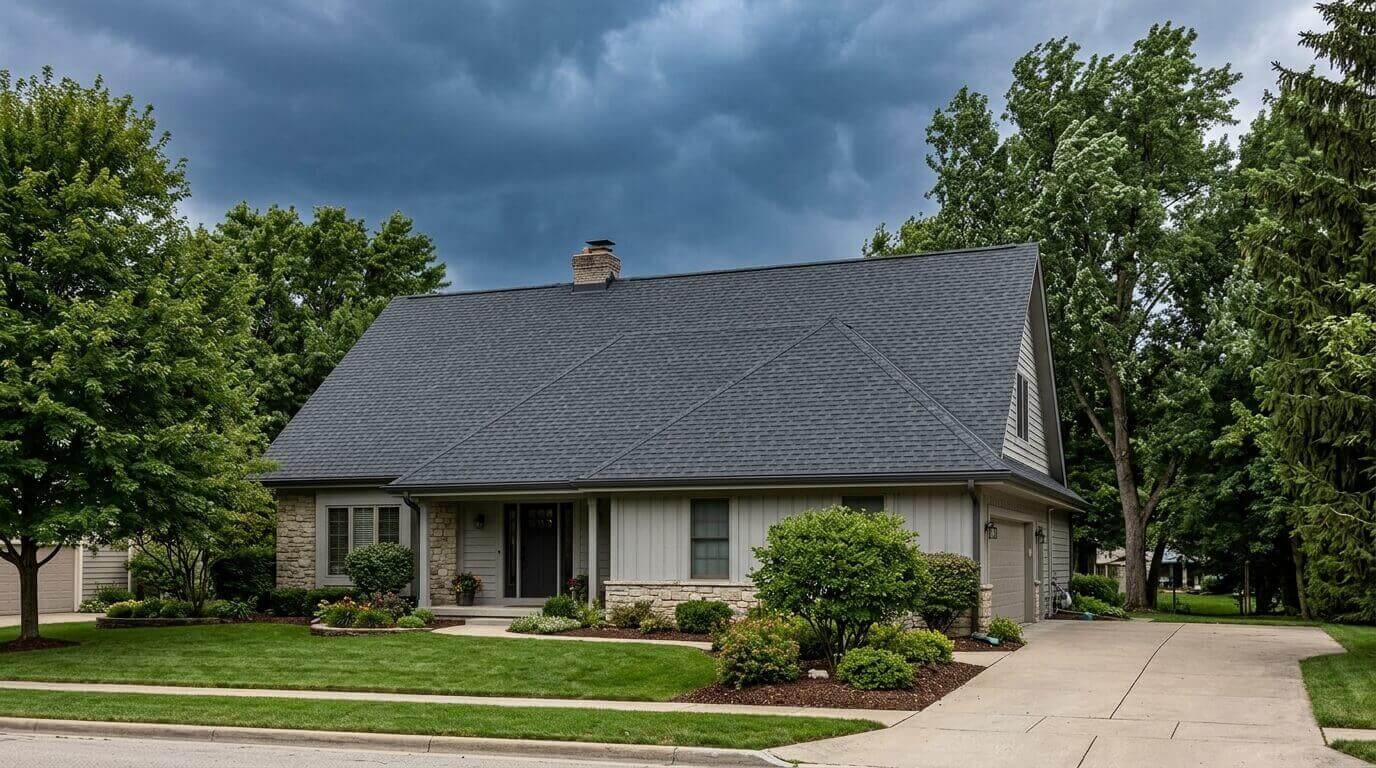
How to prepare your roof for severe weather is an important question for homeowners who want to identify potential problems before heavy rain, strong winds, hail, or thunderstorms arrive. A roof can develop vulnerabilities through aging materials, damaged flashing, blocked gutters, weak tree branches, and neglected maintenance. Addressing these issues early may reduce the risk of water intrusion and make storm damage easier to identify.
Roof preparation involves more than checking the visible shingles. It also includes maintaining drainage, inspecting the attic for moisture, securing outdoor items, and knowing when professional assessment is necessary. Although no maintenance routine can guarantee that a roof will withstand every storm, regular checks can help homeowners recognize warning signs and address avoidable risks.
Key Takeaways
- Loose shingles, damaged flashing, and blocked gutters can allow water to enter a home during heavy rain.
- Ground-level inspections can identify visible warning signs without requiring homeowners to climb onto the roof.
- Clear drainage paths, maintained trees, and secured outdoor objects can reduce certain storm-related hazards.
- Attic stains, damp insulation, and musty odors may indicate moisture intrusion or ventilation problems.
- Dated photographs and written inspection notes can help document roof conditions before and after severe weather.
Why Roof Preparation Matters
Heavy rain and wind can expose weaknesses that may go unnoticed during ordinary weather. A lifted shingle, cracked pipe boot, or damaged flashing joint can provide an entry point for water. Once moisture passes beneath the roof covering, it may affect the underlayment, roof decking, insulation, framing, or interior ceilings.
Severe thunderstorms can produce large hail, damaging wind gusts, lightning, and tornadoes. The National Weather Service defines a severe thunderstorm by criteria that include hail at least one inch in diameter or wind gusts of at least 58 mph, as well as the potential for tornadoes. Its guidance on severe thunderstorm safety explains why preparation should take place before hazardous conditions develop.
Roof condition also affects how homeowners should plan for maintenance. A relatively new roof with isolated damage may need a limited repair, while an older roof with recurring leaks or widespread deterioration may require a broader assessment. The decision should be based on the condition of the roofing materials, flashing, decking, ventilation, and drainage rather than on a single visible problem.
Start With a Safe Ground-Level Inspection
A homeowner can spot many warning signs without stepping onto the roof. Walk around the property during daylight and use binoculars if necessary to examine visible roof surfaces.
Look for:
- Missing, curled, cracked, or lifted shingles.
- Uneven roof lines or sections that appear to sag.
- Damaged vent covers or loose metal components.
- Dark patches or areas that look different from the surrounding roofing.
- Branches, leaves, or other debris resting on the roof.
- Pieces of roofing material or excessive shingle granules near downspouts.
These observations do not always confirm roof damage, but they can identify areas that deserve closer attention. A more detailed roof inspection can help identify concerns involving shingles, flashing, drainage components, and other parts of the roofing system.
Never climb onto a roof to investigate a suspected problem without appropriate training and safety equipment. Avoid ladder inspections during rain, high winds, or lightning. If a roof appears unstable or has visible structural damage, keep away and arrange a professional assessment.
Complete a Pre-Storm Roof Checklist
Use the following checklist before periods of severe weather, provided the conditions are safe for outdoor maintenance.
Pre-storm checklist
0 of 7Inspect visible roof surfaces, ridge lines, vents, and flashing from the ground.Remove leaves and debris from gutters and downspouts when safe.Check that downspouts direct water away from the foundation.Identify weak or overhanging branches near the roof.Secure patio furniture, grills, planters, toys, and trash containers.Look inside the attic for stains, damp insulation, or unusual odors.Take dated photos of the roof, gutters, and exterior.
Reset checklist
This checklist is a starting point rather than a substitute for a professional inspection. Conditions such as loose roofing materials, damaged flashing, or recurring moisture may require additional evaluation.
Keep Gutters, Downspouts, and Drainage Clear
Gutters collect rainwater from the roof and direct it toward downspouts. When debris blocks this pathway, water can overflow near exterior walls, collect around the foundation, or back up along roof edges.
Watch for sagging gutter sections, loose fasteners, peeling paint, soil erosion below downspouts, and standing water near the house after rainfall. Clear leaves and twigs before periods of frequent storms and check drainage again after a major weather event.
Downspouts should discharge water away from the foundation without creating drainage problems elsewhere on the property. If gutters are pulling away from the house or have damaged joints, repairs may be necessary before the next storm.
Understanding roof drainage and water damage prevention can also help homeowners recognize how blocked outlets, deteriorated flashing, and poor water flow contribute to moisture problems.
When using a ladder to clean gutters, place it on firm, level ground and follow appropriate ladder safety practices. Postpone the task when conditions are wet or windy. Hire a qualified professional if the gutters are difficult to reach or the work presents a fall risk.
Protect the Roof From Trees and Flying Debris
Trees provide shade and can improve a property’s appearance, but weak branches and unstable limbs may threaten roofing materials during high winds. Dead, split, diseased, or overextended branches are particularly important to assess before storm season.
Walk around the property and look for branches touching the roof, limbs extending over the house, visible cracks, and signs of tree decline. Preparing trees for summer storms includes checking for weak branches and other warning signs that may require professional attention.
Large limbs near power lines or high above the roof should be assessed by a qualified tree professional. Do not attempt elevated chainsaw work or cut branches close to electrical equipment yourself.
Outdoor objects also deserve attention. Patio furniture, lightweight decorations, sports equipment, grills, and unsecured bins can become airborne during strong winds. Bring movable items indoors when possible or secure them in a protected location before hazardous weather arrives.
These precautions cannot eliminate storm damage, but they can reduce some preventable hazards around the property.
Check Flashing, Vents, and Attic Conditions
Water intrusion often begins around roof transitions and openings rather than in the middle of an uninterrupted roof surface. Areas to pay attention to include:
- Chimney flashing and chimney caps.
- Skylight edges and surrounding seals.
- Roof-to-wall connections and valleys.
- Plumbing vent boots and other roof penetrations.
- Ridge vents, soffits, and visible ventilation openings.
Cracked sealant, displaced flashing, or damaged vent boots may indicate a maintenance issue. Surface patches should not replace a proper assessment when the underlying cause is unclear.
The attic can provide additional clues. When it is safe to enter, look for damp insulation, water stains on framing, rusty nails, daylight around roof penetrations, or persistent musty odors. Do not enter an attic with structural concerns, exposed electrical hazards, or unsafe access.
Ventilation is another important consideration. Proper airflow helps manage heat and moisture within the attic. Guidance on attic ventilation and clear soffit vents explains why insulation should not block airflow at the eaves.
If active leaks or damp insulation are present, address the moisture source before adding insulation or making ventilation changes. Simply covering a stain may leave the underlying problem unresolved.
Choose Roofing Materials With Weather Conditions in Mind
Roofing materials vary in weight, durability, installation requirements, appearance, and resistance to specific weather conditions. Asphalt shingles, metal panels, tile, and synthetic products each have different performance characteristics.
In areas exposed to hail, homeowners may want to compare impact-resistant roofing options. However, a product rating alone does not determine how well an entire roof system will perform during severe weather. Installation quality, underlayment, flashing, roof decking, ventilation, and drainage all influence overall performance.
Before approving major roofing work, review the written inspection findings, material specifications, warranty terms, project timeline, and proposed approach to ventilation and water management.
For an existing roof, the appropriate next step depends on its actual condition. Isolated damage may be repairable, while widespread deterioration or recurring leaks may justify evaluating replacement options. Avoid making that decision based solely on the roof’s age or appearance from the street.
What to Do Before and After a Storm
Preparation should include both roof maintenance and general household safety.
Before severe weather:
- Monitor official weather alerts and follow local emergency instructions.
- Close windows and doors.
- Move vehicles away from trees when practical.
- Secure outdoor furniture and loose objects.
- Keep flashlights, medications, chargers, and essential emergency supplies accessible.
- Avoid starting roof or ladder work when hazardous weather is approaching.
A broader home emergency preparedness plan can help household members prepare for power outages, temporary disruptions, and other storm-related problems.
After the storm has passed, wait until conditions are safe before checking the property. From the ground, look for missing shingles, damaged vents, fallen branches, exposed underlayment, and bent gutters. Inside the home, check ceilings, walls, and accessible attic spaces for fresh stains, dripping water, or damp materials.
Photograph visible damage and note the storm date. Documenting water damage with dated photos, written observations, and repair records can help maintain an organized record for insurance discussions.
Never walk on a wet or damaged roof. If the structure appears unstable, keep away from the affected area and arrange professional assistance.
When to Request Professional Help
Professional assistance is appropriate when there are active leaks, widespread shingle loss, exposed roof decking, sagging roof sections, damaged skylights, chimney damage, or large debris on the roof. Any suspected damage near electrical equipment requires particular caution.
A qualified roofer can assess areas that cannot be inspected safely from the ground and help determine whether repairs or further investigation are needed. The assessment should consider the condition of the roofing materials, flashing, ventilation, decking, and drainage rather than focusing only on visible surface damage.
A repair may be appropriate when the damage is isolated and the surrounding roofing system remains in sound condition. Replacement may warrant consideration when leaks recur, deterioration is widespread, or the underlying roof deck has been compromised.
Understanding available roofing installation methods can help homeowners compare material options, installation requirements, and the work involved in replacing an existing roof. Written assessments and clearly defined scopes of work make it easier to understand the proposed repairs and compare alternatives.
Should Roof Damage Be Reported to Insurance?
Review the insurance policy and contact the insurer promptly when storm damage is suspected. Coverage depends on the policy terms, the circumstances of the damage, and the insurer’s assessment.
Keep dated photographs, inspection notes, repair estimates, receipts, and records of temporary measures taken to limit further damage. Ask the insurer how damaged materials should be handled before discarding them.
If immediate protective measures are needed, prioritize personal safety. Do not climb onto the roof or attempt temporary repairs in dangerous conditions. Arrange qualified assistance when necessary.
Final Checklist for Roof Storm Preparation
Before severe weather arrives, review these essential tasks:
- Inspect visible roof surfaces safely from the ground.
- Clear gutters and verify that downspouts direct water away from the home.
- Identify weak or overhanging branches and arrange appropriate tree maintenance.
- Secure loose outdoor furniture and other objects.
- Check the attic for signs of moisture when access is safe.
- Photograph the roof and exterior before a storm.
- Monitor official weather alerts and follow safety instructions.
- After the storm, look for damage from a safe location.
- Arrange a professional inspection when damage is visible or uncertain.
Conclusion
Preparing your roof for severe weather starts with regular inspections, effective drainage, and practical maintenance before a storm arrives. Checking visible roofing materials, clearing gutters, maintaining nearby trees, securing outdoor objects, and monitoring attic conditions can help homeowners identify potential problems early.
After severe weather, inspect the property from the ground and check interior spaces for signs of water intrusion when it is safe to do so. Keep photographs and written records, and seek professional assistance when damage requires a closer assessment. A consistent preparation routine cannot prevent every storm-related problem, but it can help homeowners recognize vulnerabilities, respond to damage more effectively, and make informed decisions about roof repairs or replacement.

