
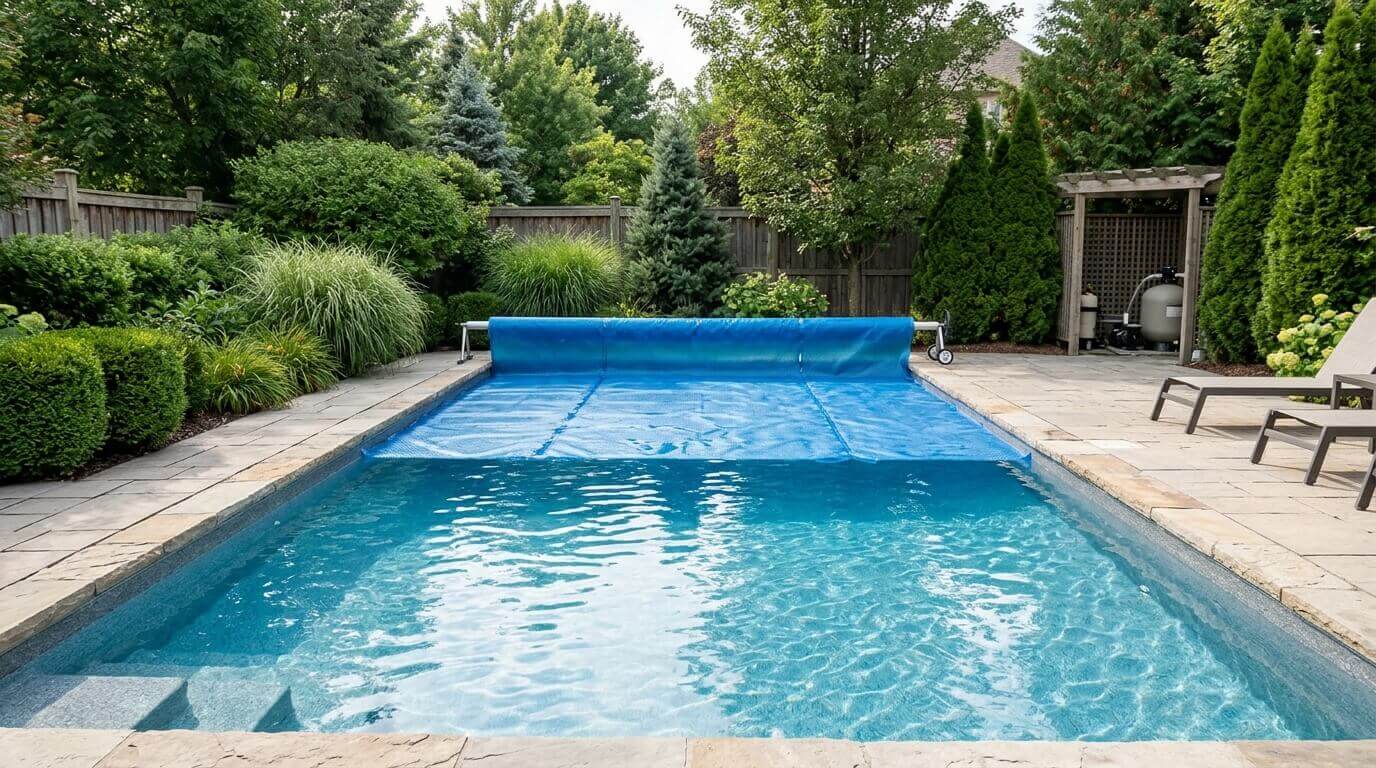
Owning a swimming pool involves several responsibilities, from keeping the water clean to maintaining the heating system. Some common maintenance mistakes, however, can increase energy use without being obvious.
Even if you clean your pool regularly and monitor chemical levels, inefficient heating, unnecessary pump operation, and neglected filters may increase running costs. Here are five mistakes to avoid and practical ways to improve pool efficiency.
1. Leaving the Pool Uncovered Overnight
Leaving a swimming pool uncovered when it is not in use can increase heat loss. Water loses heat through evaporation, particularly when air temperatures fall overnight. The heating system may then need to use more energy to restore the water temperature.
A suitable pool cover helps retain heat and reduces evaporation. It can also keep leaves, insects, and other debris out of the water, reducing cleaning needs. Cover the pool after each swimming session, following the cover manufacturer’s instructions.
2. Overlooking Heat Loss Through the Pool Structure
Heat can escape not only from the water’s surface but also through a pool’s walls and floor into the surrounding ground. The amount of heat transferred depends on the pool’s construction, materials, and ground conditions.
For new installations or major renovations, swimming pool insulation may help reduce heat transfer and improve thermal efficiency. Adding structural insulation to an existing pool can involve substantial work, so it is worth considering during the design stage. When planning a new pool, thoughtful custom swimming pool design can also help account for equipment access and long-term maintenance needs.
3. Running the Pump Longer Than Necessary
A pool pump circulates water through the filtration system, but running it longer than necessary can waste electricity. More operating time does not automatically mean cleaner water.
The appropriate schedule depends on pool size, equipment, usage, and water quality. Follow the manufacturer’s guidance and adjust the schedule when appropriate. A variable-speed pump may also reduce electricity consumption when configured to provide adequate circulation and filtration.
If you want to understand equipment power consumption more generally, this guide to calculating watts and volts for home appliances explains the basic electrical measurements.
4. Forgetting to Clean the Filter
A dirty or blocked filter can restrict water flow and make the circulation system work less effectively. Inspect and clean the filter according to the manufacturer’s instructions.
Avoid cleaning it more often than necessary. Some filters operate best within a particular pressure range, and unnecessary backwashing can waste water. Monitor the pressure gauge where fitted and follow the recommended cleaning procedure for your filter type.
5. Heating the Pool Without Checking the Temperature
Turning up the thermostat without considering energy use can increase running costs. Even a small increase in pool temperature may require additional energy, especially in cooler weather.
Choose a comfortable temperature based on how often you use the pool, and check the controls regularly. Avoid heating an unused pool unnecessarily, and consider how outdoor temperatures and a pool cover affect heat retention.
Small Maintenance Changes Can Make a Difference
Reducing swimming pool energy costs does not always require replacing equipment. Everyday habits can have a meaningful effect on heat loss, electricity consumption, and water use.
Cover the pool when it is not in use, maintain the pump and filter according to manufacturer guidance, and manage heating settings carefully. These practical steps can help limit unnecessary energy use while keeping your pool clean and comfortable.

