
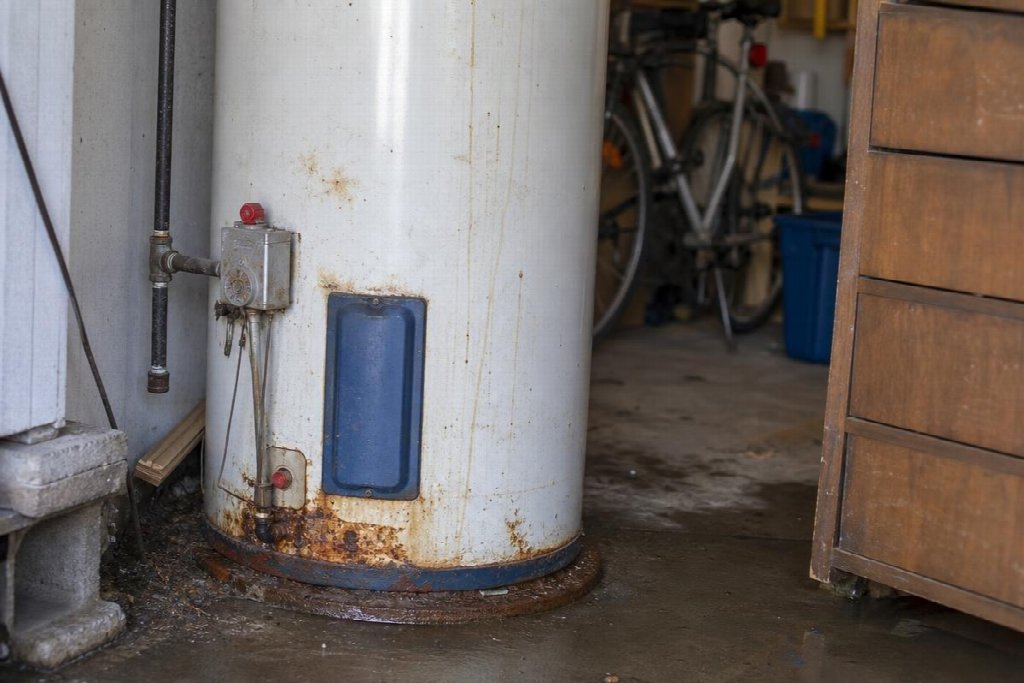
Your water heater works quietly in the background every day, and it’s easy to ignore the warning signs until a cold shower forces the issue. Phoenix Valley homeowners face a tougher challenge than most, because the region’s hard tap water speeds up sediment buildup and shortens tank life below the national average. Penguin Air, Plumbing & Electrical, serving the Phoenix Metro Area since 2011 with a BBB A+ Rating, helps homeowners figure out when repair stops making sense and replacement becomes the smarter call.
Is Your Phoenix Valley Water Heater Worth Fixing, or Is It Time to Let Go?
Many homes in areas like Laveen, Buckeye, and Goodyear were built in the mid-2000s, meaning their original water heaters are now at or past their typical service life. Add in the Valley’s hard tap water and aggressive sediment buildup, and the math on repair versus replacement shifts fast.
Clear Signs It’s Time to Replace, Not Repair
When several of these signs appear together, especially on a unit past the 8-year mark, replacement almost always beats another repair bill.
- Rusty or discolored hot water. Brown or reddish water at the hot tap points to interior tank corrosion. Once the steel tank is rusting from the inside, no repair reverses it.
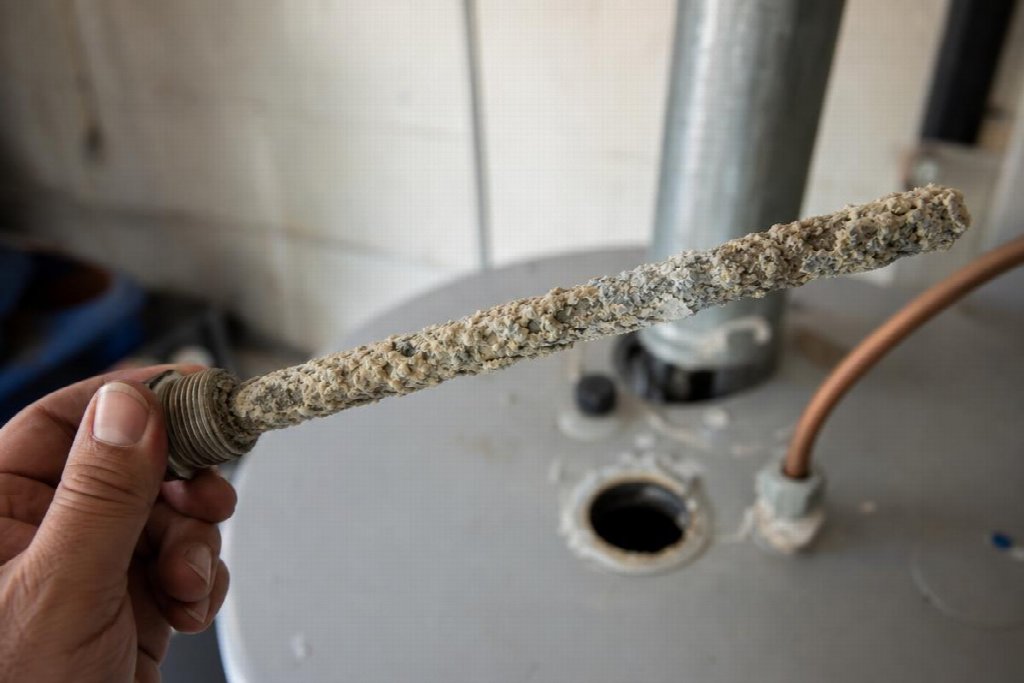
- A failed or depleted anode rod. Phoenix mineral content can eat through a sacrificial anode rod in as little as three to five years. A rod worn to bare wire means the tank itself has started absorbing the corrosion.
- Rumbling, popping, or crackling noises. Those sounds are the burner heating through hardened mineral scale on the tank floor, which overheats the steel and shortens tank life.
- Water pooling around the base. Seepage from the tank body signals wall failure and is not repairable. A slow drip today becomes a flooded garage tomorrow.
- Running out of hot water faster than before. Sediment displaces usable water volume, so a 50-gallon tank can behave like a 35-gallon one.
- Repeated repairs or a unit past 10 years. Two or three service calls in a single year, or a tank older than its expected lifespan, means spending good money on a failing appliance.
How Long Should a Water Heater Last in Phoenix?
Most tank water heaters last 8 to 12 years nationally; tankless units typically reach 15 to 20 years with regular maintenance. Phoenix changes that picture significantly.
Phoenix Valley tap water carries roughly 16 to 25 grains of hardness per gallon, among the hardest municipal supplies in the country. Minerals settle on the tank floor and coat heating elements faster than in soft-water cities, grinding away efficiency and accelerating anode rod degradation. A 10-year-old tank in a hard-water district may be in worse shape than a 12-year-old tank elsewhere, so local water conditions matter as much as the unit’s age. Summer garage temperatures regularly top 120°F, which also drives up standby heat loss in traditional tank units, making tankless water heater installation worth considering.
What a Proper Water Heater Installation Covers in Phoenix
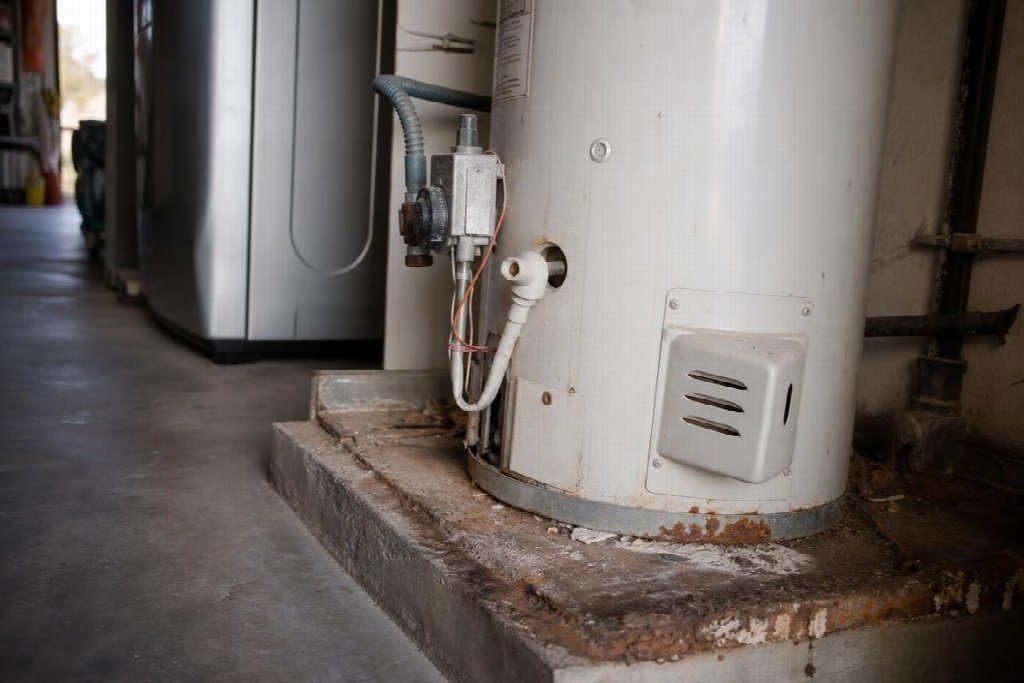
A tank that is oversized, undersized, or improperly vented will waste energy or fail early regardless of brand. Licensed technicians size each system to actual hot water demand, verify gas and electrical requirements, and ensure every installation meets current Phoenix and Maricopa County code, including expansion tank and pan-and-drain requirements many older homes never had. Because hard water is what wears units out early, water softening and anode rod maintenance are part of every installation conversation, helping new heaters reach their full rated life. Water heater installation from Penguin Air, Plumbing & Electrical covers sizing, code compliance, and water treatment recommendations in a single visit.
Frequently Asked Questions
Should I Repair or Replace My Water Heater in Phoenix?
Apply the 50% rule: if the unit is over 10 years old and the repair estimate exceeds half the cost of a new installation, replacement is the smarter financial move. A unit needing two or three fixes in a single year signals deeper failure regardless of individual repair costs.
How Long Do Water Heaters Last in the Phoenix Area?
Nationally, tank water heaters average 8 to 12 years. In Phoenix, hard water compresses that to roughly 8 to 10 years for many homeowners. Tankless units can reach 15 to 20 years with proper water treatment. Homes in Chandler, Gilbert, and Surprise built between the mid-2000s and early 2010s may have original units now past their typical service life.
Does Phoenix Hard Water Really Shorten Water Heater Life?
Yes. Mineral scale builds up on heating elements and the tank floor, forcing the unit to work harder and speeding up corrosion of both the tank and the anode rod. A water softener installed alongside a new unit can meaningfully extend its service life.
How Much Does Water Heater Replacement Cost in Phoenix?
A standard 50-gallon tank installation typically runs $900 to $1,800, depending on unit size, fuel type, and code upgrades. Tankless installation usually falls between $2,500 and $4,500 due to higher unit price and venting or gas-line work. Tankless carries a higher upfront cost but lowers long-term energy bills, especially given Phoenix’s extreme garage temperatures. A flat-rate estimate from a licensed plumber is the only reliable number for a specific home.
Is a Tankless Water Heater a Good Choice for Phoenix Homes?
Tankless units are a strong fit for the Phoenix Valley, particularly for smaller households or homes with high energy bills. The on-demand model avoids standby heat loss in hot garages. However, hard water management through a pre-filter or softener is essential. Without it, mineral buildup will shorten a tankless unit’s life well before the 15-to-20-year mark.
My Water Heater Has a Small Leak. Can I Just Repair It?
A leak from the tank body signals wall failure and is not repairable. Even a slow drip can damage flooring, drywall, and cabinetry. During Phoenix’s monsoon season (July–September), humidity spikes create conditions where mold can take hold quickly around a leaking unit. A pressure relief valve or fitting leak may be repairable, but any seepage from the tank itself warrants replacement.
About Penguin Air, Plumbing & Electrical
Penguin Air, Plumbing & Electrical is a Phoenix-based home services company founded in 2011, serving homeowners throughout the Greater Phoenix Valley with HVAC, plumbing, and electrical services. The company holds a BBB A+ Rating and has maintained BBB Accreditation since 2011, along with a Business Ethics Award. Their office is located at 3710 East University Dr Suite 1, Phoenix, AZ 85034.

