
You brought home a beautiful plant, placed it by the window, watered it a few times, and then… it started drooping. Or yellowing. Or just silently dying for no apparent reason.
You are not alone. Millions of people struggle with keeping plants alive, and most of them are not doing anything “wrong” in the traditional sense. They are simply missing a few key principles that make all the difference.
This guide breaks everything down in plain, simple language. Whether you are a first-time plant owner or someone who has killed more succulents than they can count, you will walk away with real, actionable knowledge that actually works.
Why Plants Die (And How to Stop It)
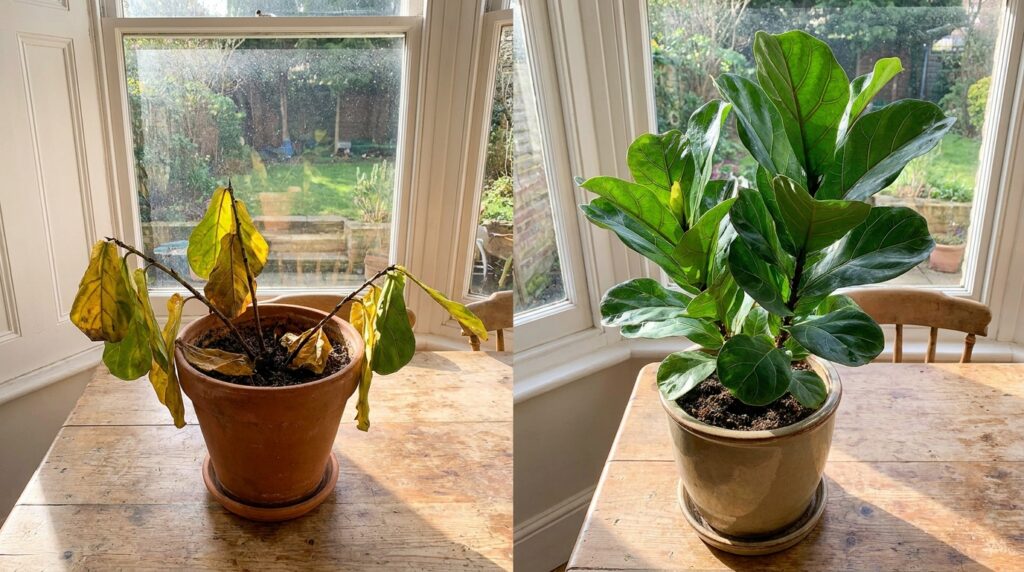
Most plants do not die from neglect alone. They die from the wrong type of care. Overwatering, for example, kills far more houseplants than underwatering does. Giving a plant “too much love” in the form of daily watering is one of the most common culprits.
Plants need four basic things: light, water, nutrients, and the right temperature. When any one of these gets thrown off, the plant begins to struggle.
Understanding plant stress signals is the first step. Yellowing leaves often mean overwatering or nutrient deficiency. Brown, crispy edges usually point to underwatering or low humidity. Leggy, stretched growth means the plant needs more light.
The Most Common Plant-Killing Mistakes
- Watering on a fixed schedule instead of checking soil moisture
- Placing plants in low-light areas without adjusting care
- Using pots without drainage holes
- Ignoring seasonal changes in temperature and light
- Never repotting or refreshing old soil
Once you understand what plants actually need, keeping them alive becomes much more intuitive.
The Basics of Watering
Water is both the lifeline and the most misunderstood part of plant care. The goal is never to keep the soil constantly wet. Instead, you want to water deeply and then let the soil partially dry out before watering again.
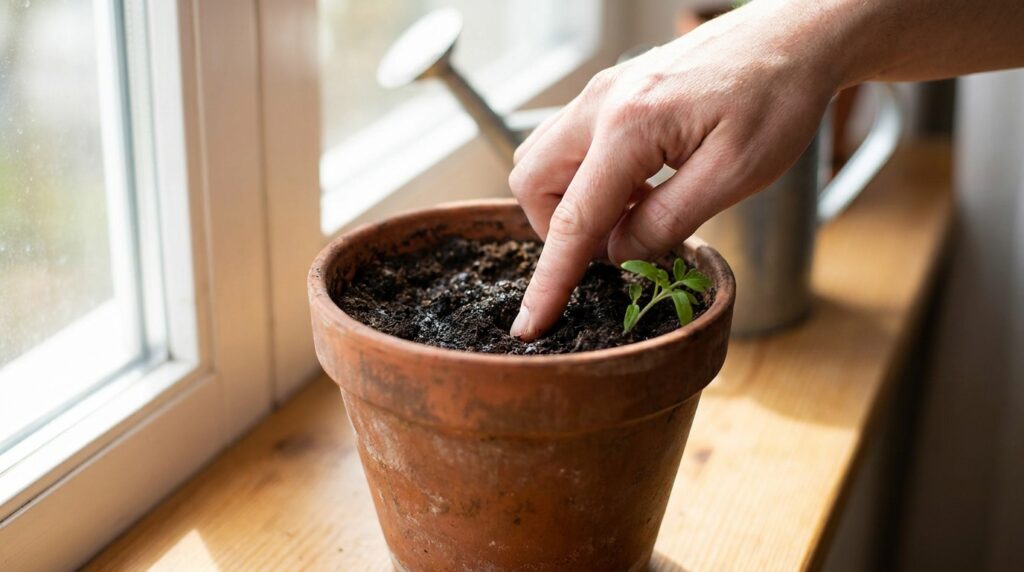
The best method? Stick your finger about an inch into the soil. If it feels dry, water thoroughly until it drains from the bottom. If it still feels moist, wait another day or two.
Proper watering technique involves watering at the base of the plant, not from above. Wet leaves create a breeding ground for fungal diseases, especially in plants that prefer dry foliage.
Watering Frequency by Plant Type
| Plant Type | Watering Frequency | Soil Preference |
|---|---|---|
| Succulents and Cacti | Every 2 to 4 weeks | Very well-draining |
| Tropical Houseplants | Every 1 to 2 weeks | Moist but not soggy |
| Ferns and Moisture Lovers | Every 3 to 5 days | Consistently moist |
| Herbs | Every 2 to 3 days | Moderately moist |
| Outdoor Perennials | Weekly or as needed | Varies by species |
Signs You Are Overwatering
- Yellowing leaves, especially lower ones
- Soft, mushy stems at the base
- Mold or fungus gnats in the soil
- A sour or rotten smell from the pot
Signs You Are Underwatering
- Dry, brittle leaves that crumble easily
- Soil pulling away from the edges of the pot
- Wilting that does not bounce back after watering
- Slow or stunted growth
Light Requirements Every Plant Owner Must Know
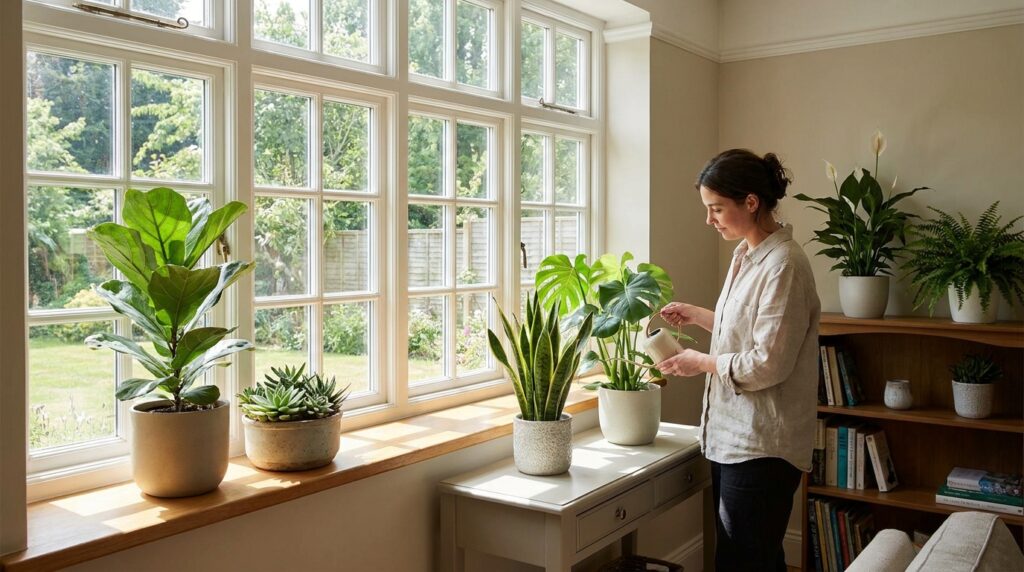
Light is arguably more important than water. Without adequate light, a plant cannot photosynthesize, which means it cannot produce the energy it needs to grow and stay healthy.
Different plants have radically different light needs. Understanding light levels for indoor plants can feel complicated at first, but it simplifies quickly once you know the basics.
Light Level Categories
Bright Direct Light: Full sun through a window, usually south or west-facing. Best for cacti, succulents, herbs, and some flowering plants.
Bright Indirect Light: Near a window but not in the direct beam. Ideal for most popular tropical houseplants like pothos, monsteras, and fiddle-leaf figs.
Medium Light: A few feet from a window with natural light. Good for snake plants, ZZ plants, and peace lilies.
Low Light: Far from windows, dimly lit rooms. Only a handful of plants truly tolerate this, including cast iron plants and certain ferns.
Pro Tip on Light Direction
In the northern hemisphere, south-facing windows get the most consistent sun year-round. East-facing windows offer gentle morning light, which is ideal for sensitive plants. West-facing windows provide strong afternoon sun. North-facing windows receive the least light and suit only the most shade-tolerant varieties.
Rotate your plants a quarter turn every week or two. This ensures all sides receive even light exposure, preventing the plant from leaning or developing uneven growth.
Soil and Potting: The Foundation of Plant Health
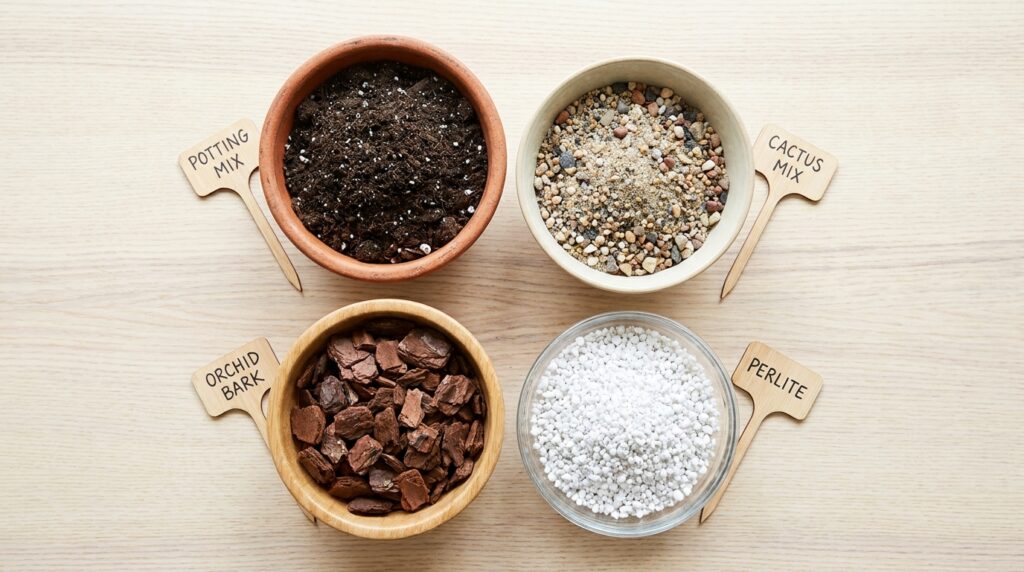
Soil is not just dirt. It is the living medium that holds nutrients, manages water, and supports root health. Using the wrong soil type can doom even the most resilient plant.
Most general-purpose potting mixes work well for tropical houseplants. However, succulents need a grittier, faster-draining mix, and orchids require a bark-based medium that allows plenty of airflow around the roots.
When to Repot
Plants should generally be repotted every one to two years, or when you notice roots growing out of the drainage holes, the plant drying out unusually fast after watering, or the plant becoming top-heavy and unstable.
Choose a new pot that is only one to two inches larger in diameter than the current one. Going too large too fast can lead to waterlogged soil around the roots, which causes root rot.
Always use pots with drainage holes. If you love the look of a decorative pot without holes, use it as a cachepot by placing the planted pot inside it, and empty any standing water from the bottom after watering.
How to Keep Plants Alive While on Vacation
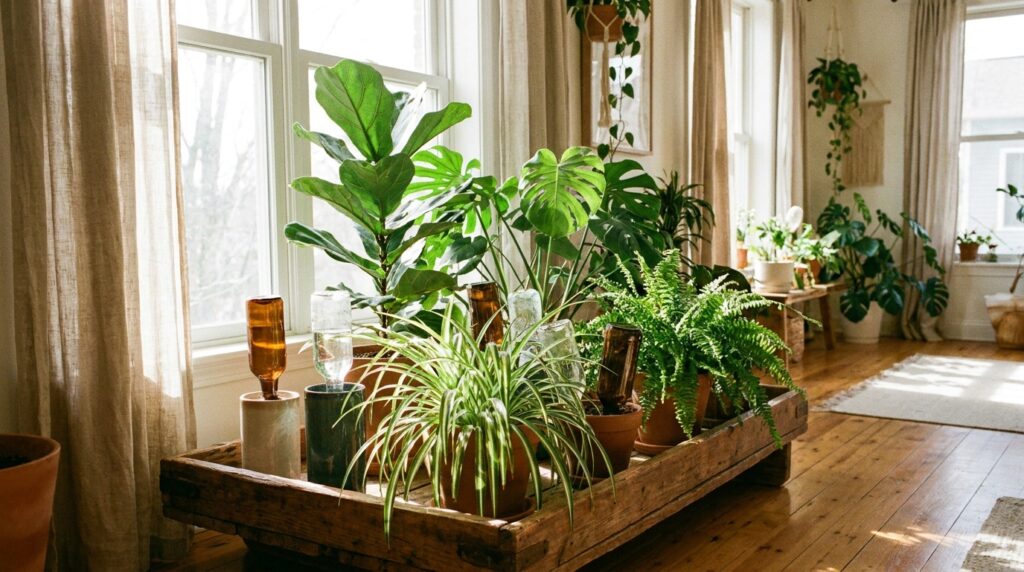
One of the most common plant care questions is how to keep plants alive while on vacation. The good news is that with a little preparation, your plants can survive and even thrive while you are away.
For Trips Up to Two Weeks
If you are wondering how to keep plants alive for 2 weeks or how to keep plants alive while away for 2 weeks, these strategies work reliably:
Group Your Plants Together Plants release moisture through their leaves in a process called transpiration. Grouping plants increases the local humidity around all of them, reducing how quickly they dry out.
Self-Watering Spikes Terracotta or ceramic watering spikes connect to a water bottle or reservoir and slowly release water into the soil as it dries. They are inexpensive and highly effective for short trips.
The Bathtub Method Fill your bathtub with a few inches of water and place your plants (in pots with drainage holes) on top of a towel or rack in the tub. The plants will wick up water as needed. This works particularly well for moisture-loving plants.
Plastic Bag Greenhouse Place a clear plastic bag over smaller plants to trap humidity and slow moisture loss. Ensure the bag does not touch the foliage directly, and poke a few small holes for airflow.
Move Plants Away from Direct Sun Before leaving, move your plants to a slightly shadier location. Lower light means lower water demand, giving them a better chance of staying hydrated longer.
How to Keep Plants Alive While Away for 2 Months
Figuring out how to keep plants alive while away for 2 months requires a more serious strategy. A two-month absence calls for one or more of the following:
Automated Drip Irrigation: Small drip systems connected to a timer can water your plants on a consistent schedule. These are available at most garden centers and are easy to set up.
Ask a Plant Sitter: A trusted neighbor, friend, or family member who can stop by once or twice a week is often the best solution. Leave clear written instructions for each plant, including how often to water, where to find the watering can, and which plants are more sensitive.
Self-Watering Pots: These pots have a built-in reservoir at the bottom that the plant draws from as needed. They are a worthwhile long-term investment for any plant owner who travels frequently.
Wicking Systems: Thread cotton rope or shoelace material from a bucket of water directly into the soil of each pot. The rope draws water slowly and steadily through capillary action.
How to Keep Plants Alive in Winter
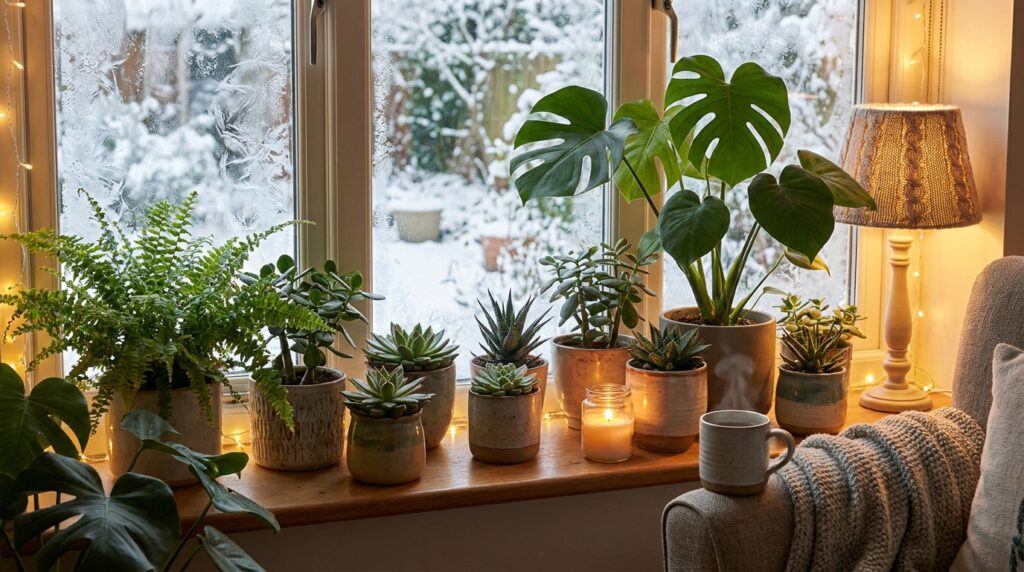
Winter is one of the hardest seasons for plant owners because it brings reduced light, dry indoor air from heating systems, and cold drafts near windows. Knowing how to keep plants alive in winter means adjusting your care routine rather than maintaining the same approach year-round.
Indoor Plant Care in Winter
Reduce Watering Frequency Most houseplants enter a semi-dormant phase during winter. Their growth slows dramatically, which means they need significantly less water. Water only when the top inch or two of soil is dry.
Increase Humidity Central heating strips moisture from indoor air, and many houseplants suffer as a result. Use a humidifier for plants near your plant collection, mist foliage lightly every few days, or place a pebble tray filled with water beneath your pots.
Add a Grow Light Winter days are shorter, and windows that provided adequate light in summer may no longer be enough. A simple LED grow light used for 10 to 12 hours per day can make a dramatic difference in plant health during the darker months.
Keep Plants Away from Drafts Cold air from windows, doors, and HVAC vents can shock tropical plants. Move sensitive plants at least a foot away from windows during frigid nights.
Hold Off on Fertilizing Plants in winter dormancy cannot process fertilizer efficiently. Feeding them during this period can cause nutrient burn. Resume fertilizing in early spring when new growth begins to appear.
How to Keep Plants Alive in Winter Outside
For gardeners dealing with how to keep plants alive in winter outside, the approach depends heavily on your climate zone.
Mulch Heavily: Apply a thick layer of mulch around the base of perennials and shrubs. This insulates roots from freezing temperatures.
Use Frost Cloth or Burlap: Wrap vulnerable shrubs and young trees in frost cloth or burlap before a hard freeze. Remove it on milder days to allow airflow.
Bring Containers Indoors: Potted plants are far more vulnerable to freezing than in-ground plants because the roots are exposed to cold air on all sides. Move outdoor containers into a garage, shed, or enclosed porch when temperatures drop below freezing.
Water Before a Freeze: A well-hydrated plant is more freeze-resistant than a dry one. Water outdoor plants deeply before an expected frost, especially evergreens.
How to Keep Plants Alive in a Fish Tank or Aquarium
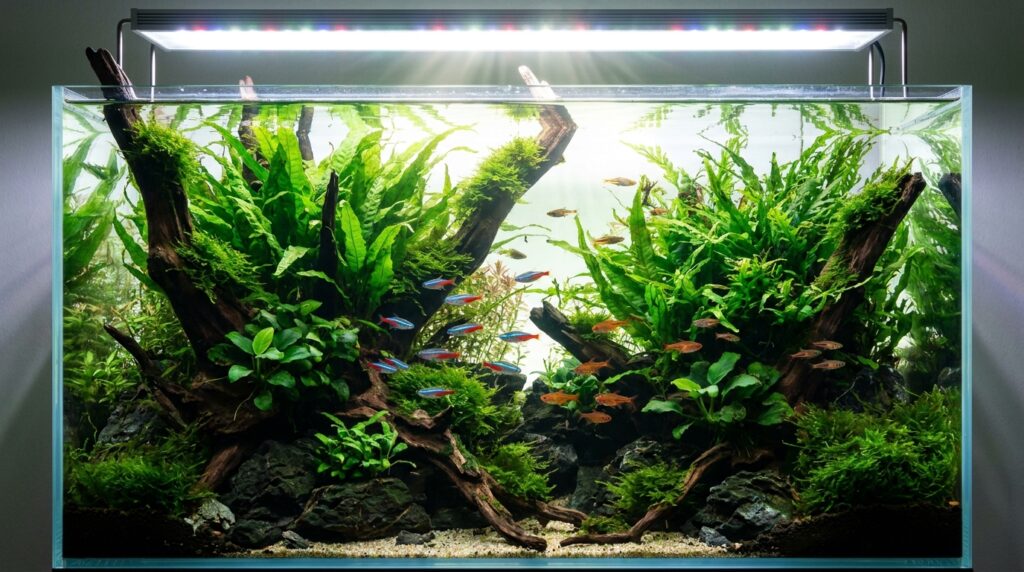
Whether you are searching for how to keep plants alive in a fish tank or specifically how to keep plants alive in an aquarium, aquatic plants have their own unique set of needs that differ significantly from terrestrial houseplants.
Key Requirements for Aquarium Plants
Lighting: Aquatic plants need specific lighting that penetrates water and supports photosynthesis. LED aquarium lights designed for planted tanks are the most energy-efficient and effective choice. Aim for 8 to 10 hours of light per day using a timer.
CO2 Injection: Carbon dioxide is essential for aquatic plant photosynthesis. In a lightly planted tank, CO2 from fish and fish food may be sufficient. In a heavily planted tank, a CO2 injection system dramatically improves plant growth and health.
Substrate: Not all aquarium gravel supports plant growth. Nutrient-rich substrates like aqua soil provide essential minerals for root development. For plants that attach to surfaces, like anubias and java fern, anchor them to driftwood or rocks rather than planting them in substrate.
Water Parameters: Most aquatic plants prefer slightly acidic to neutral water with a pH of 6.5 to 7.5. Regular water changes help maintain stable water chemistry, which benefits both plants and fish.
Fertilizer: Liquid fertilizers and root tabs provide the nutrients aquatic plants need when the substrate alone is insufficient.
Best Beginner Aquarium Plants
- Java Fern: Hardy, low-light tolerant, attaches to hardscape
- Anubias: Extremely tough, slow-growing, ideal for beginners
- Hornwort: Fast-growing, no substrate needed, excellent for water quality
- Amazon Sword: A classic centerpiece plant for medium to large tanks
- Cryptocoryne: Adaptable and diverse, great mid-ground plant
Expert Tips for Long-Term Plant Survival
Over time, caring for plants stops feeling like work and starts feeling like a rhythm. Here are the expert-level insights that separate thriving plant collections from struggling ones.
Read the Plant, Not the Calendar
The biggest shift any plant owner can make is to stop watering on a schedule and start reading the plant. Touch the soil. Look at the leaves. Check if the pot feels heavy or light. A heavy pot means moisture is still present. A lightweight pot usually means it is time to water.
Use Rainwater or Filtered Water
Tap water in many areas contains chlorine, fluoride, and minerals that can build up in soil over time. If you notice brown tips on leaves or crusty deposits on the soil surface, your water may be the issue. Let tap water sit overnight in an open container before using it to allow chlorine to off-gas, or switch to filtered or collected rainwater for sensitive plants.
Feed Lightly and Regularly
Fertilizer is plant food, but too much of it burns roots. Use a balanced liquid fertilizer at half the recommended strength once a month during the growing season. Never fertilize a stressed or newly repotted plant.
Inspect for Pests Monthly
Common pests like spider mites, fungus gnats, mealybugs, and scale can devastate a plant collection if left unaddressed. Make it a habit to turn over leaves and check the stems of your plants at least once a month. Catching infestations early makes them far easier to treat.
Prune Regularly
Removing dead or dying leaves and spent flowers is not just cosmetic. It redirects the plant’s energy toward new, healthy growth and prevents disease from spreading to healthy tissue. Use clean, sharp scissors or pruning shears, and wipe the blades with rubbing alcohol between plants to avoid transferring pathogens.
Common Mistakes and How to Fix Them
Even experienced plant owners make mistakes. Here is a quick reference guide for identifying and correcting the most common ones.
Mistake 1: Using a Pot That Is Too Large
A pot that is too big holds excess moisture in the areas where roots cannot reach, leading to root rot. Fix it by repotting into a container only slightly larger than the root ball.
Mistake 2: Placing Plants in Low Light Out of Habit
Many people put plants in dark corners because they “look nice there.” Most plants cannot survive in low light for long. If a space has no natural light, choose plants specifically rated for low light, or use a grow light to supplement.
Mistake 3: Ignoring Drainage
A beautiful planter without drainage holes is essentially a water trap. Always either use pots with drainage or insert a draining liner pot inside a decorative one.
Mistake 4: Never Dusting Leaves
This one surprises people. A thick layer of dust on leaves blocks light and reduces the plant’s ability to absorb light for photosynthesis. Wipe large leaves gently with a damp cloth every few weeks.
Mistake 5: Using the Same Care Routine Year-Round
Seasons change, and so should your care routine. Watering more in summer and less in winter, adjusting light exposure as days shorten, and pausing fertilizer in the dormant season all make a measurable difference in plant health.
FAQs: How to Keep Plants Alive
How do I know if I am watering my plants correctly?
The finger-test is the simplest and most reliable method. Push your finger about an inch into the soil. If it feels dry, it is time to water. If it still feels moist, wait another day or two. Most plants prefer a slightly dry period between waterings rather than constantly wet soil.
Can I keep plants alive when I go on holiday?
Absolutely. For short trips of one to two weeks, group your plants, use self-watering spikes, or try the bathtub method. For longer trips, a plant sitter, automated drip system, or wicking setup can reliably handle watering in your absence. The key for how to keep plants alive when you go on holiday is planning at least a day or two before you leave.
Why do my plants keep dying even when I water them?
Overwatering is often the answer. Signs include yellowing leaves, soft stems, and a sour smell from the soil. Other possibilities include inadequate light, root-bound pots, pest infestations, or soil that has broken down and is no longer draining properly. Diagnose the specific issue rather than assuming more water is the solution.
What is the easiest plant to keep alive for beginners?
Snake plants, pothos, ZZ plants, and spider plants are among the most forgiving plants for beginners. They tolerate low light, irregular watering, and varying humidity. Any of these make an excellent starting point for building confidence in plant care.
How often should I fertilize my plants?
During the growing season, which typically runs from spring through early fall, fertilize once a month using a diluted balanced fertilizer. In winter, most plants are in a resting phase and should not be fertilized. Over-fertilizing is a common mistake that causes root burn and weakened plants.
Keeping Plants Alive: A Quick Summary
Plants are remarkably resilient when given what they truly need. It is not about following a rigid watering schedule or buying expensive supplies. It is about paying attention.
Here is a quick recap of the core principles covered in this guide:
- Water based on soil moisture, not a fixed schedule
- Match light levels to each plant’s specific needs
- Use well-draining soil and pots with drainage holes
- Adjust your care routine with the seasons
- Prepare plants properly before vacations and trips
- Protect outdoor and indoor plants from winter cold and dry air
- For aquarium plants, focus on light, CO2, and the right substrate
- Inspect for pests regularly and prune dead growth promptly
Whether you are trying to figure out how to keep plants alive while away, keeping aquatic plants thriving in a tank, or simply trying to get through your first winter without losing a single leaf, the strategies in this guide give you a real foundation.
Start small. Choose one or two plants that match your lifestyle and living conditions. Build your confidence with those before expanding your collection. Most importantly, treat plant care as an ongoing conversation between you and your plants. They will tell you what they need. Your job is simply to listen.
Final Thoughts
Every plant owner has lost a plant or two along the way. Even professional horticulturists have moments where something goes wrong. What separates successful plant owners from the rest is not a green thumb. It is knowledge, observation, and the willingness to adjust.
You now have everything you need to give your plants a fighting chance, whether they are sitting on your windowsill, submerged in your aquarium, braving the cold outside, or waiting patiently for you to return from a vacation.
Take what you have learned here, apply it consistently, and watch your plants transform.

