
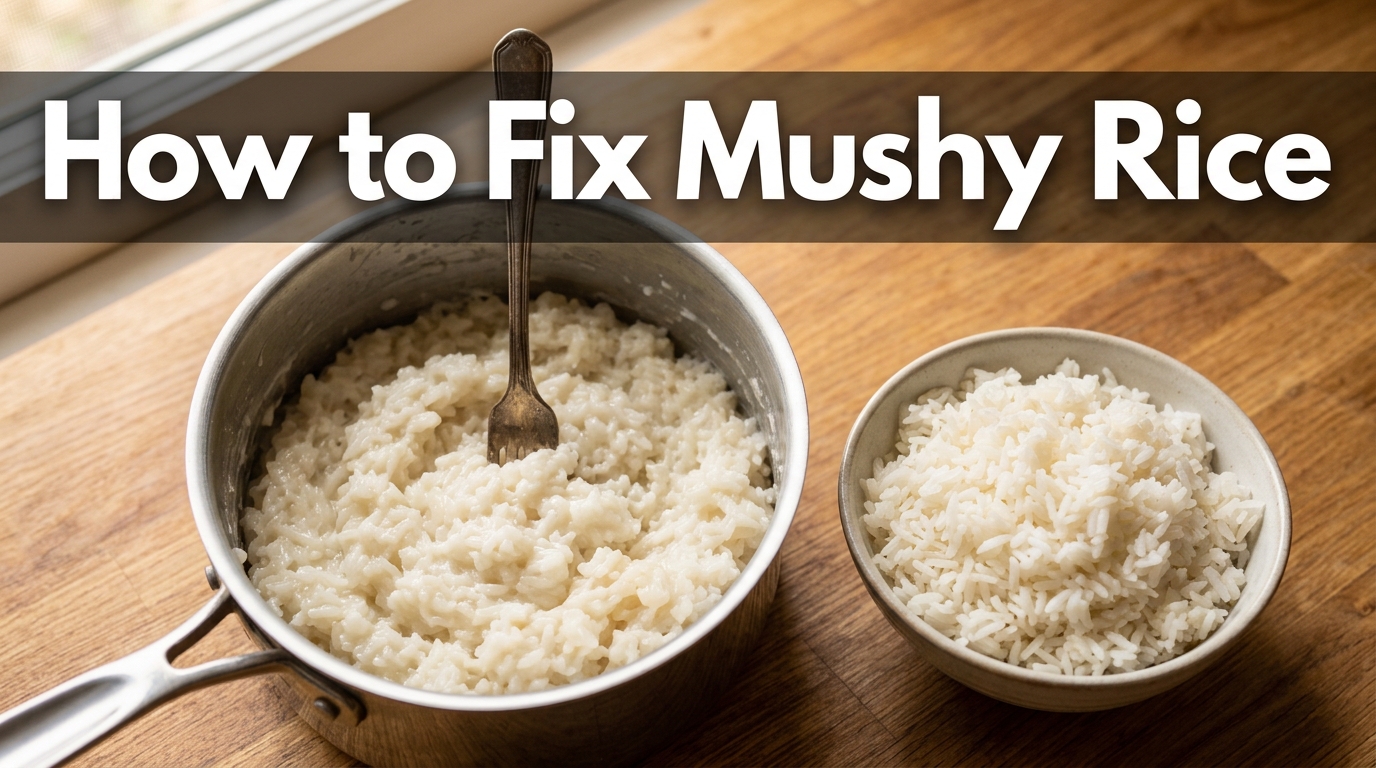
Rice is supposed to be one of the easiest things in the kitchen. Add water, add heat, wait. Yet somehow it still turns into a soft, clumpy paste more often than anyone likes to admit. If you’re standing over a pot right now wondering how to fix mushy rice before dinner is ruined, the short answer is: you probably can, and there are several ways to do it depending on how far gone it is.
Why Rice Turns Mushy in the First Place
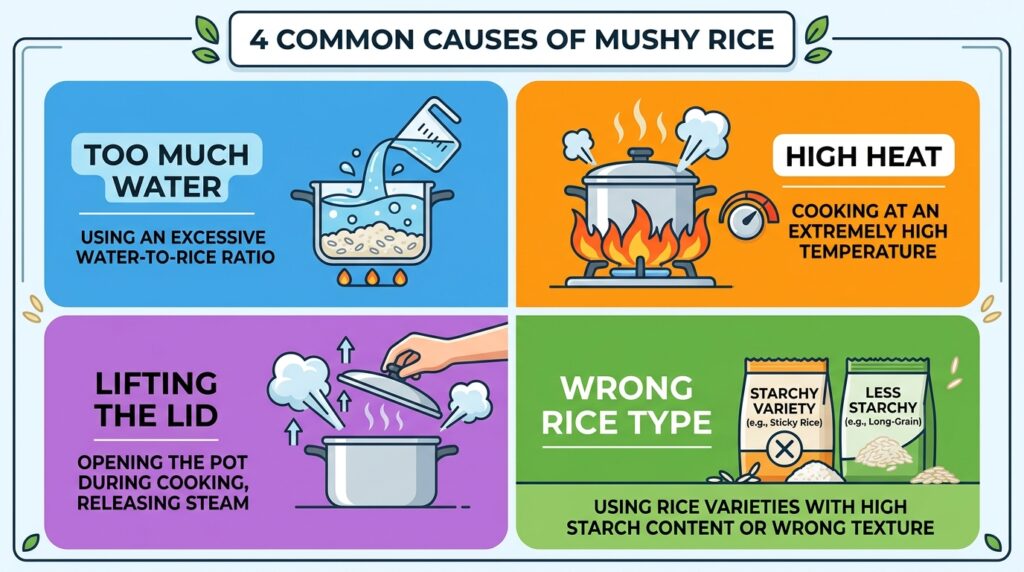
Before jumping into fixes, it helps to know what actually went wrong. Mushy rice almost always comes down to one of four things, and usually it’s a combination of two.
Too Much Water
This is the number one culprit. Every type of rice has its own ideal water ratio, and going even a quarter cup over can push the texture from fluffy to gluey. Long grain white rice generally wants about 1¾ cups of water per cup of rice, while short grain and sushi rice need less.
Cooking on Too High Heat
When the burner runs too hot, the outside of each grain overcooks and starts to break down before the inside has finished absorbing water evenly. That uneven cooking is what creates that gummy, starchy coating on the outside of the grains.
Lifting the Lid Too Often
It’s tempting to peek, but every time the lid comes off, steam escapes and the internal temperature drops. That forces you to cook longer to compensate, which usually means more moisture gets pulled into the grains than intended.
Using the Wrong Ratio for the Rice Type
Not all rice behaves the same. Basmati, jasmine, arborio, and sushi rice all have different starch content and absorb water differently. Treating every bag of rice the same way is one of the fastest routes to a mushy pot.
How to Tell If Your Rice Is Mushy or Just Sticky
Sticky rice and mushy rice are not the same problem, and it’s worth telling them apart before you start fixing anything.
- Sticky rice still has individual grains, they just cling together because of surface starch. This is normal for short grain and sushi rice.
- Mushy rice has grains that have partially broken down, lost their shape, and turned soft or pasty throughout.
If you can still see distinct grains, a quick fluff with a fork might be all you need. If the rice looks more like porridge, you’re dealing with true mushy rice and will need one of the fixes below.
Fixing Rice That’s Already Mushy
Here’s where things get practical. These methods work whether the rice is mildly overcooked or fully waterlogged.
Spread It Out and Let Steam Escape
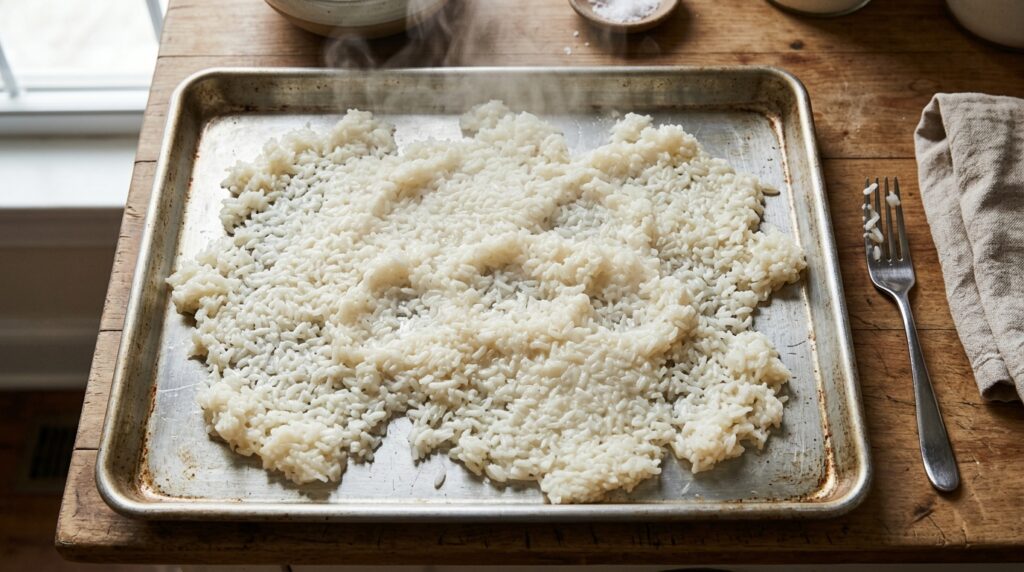
For rice that’s only slightly overcooked, spreading it in a thin layer on a large plate or baking sheet lets excess steam escape quickly. Leave it uncovered for 10 to 15 minutes, gently separating clumps with a fork every few minutes. This works best on rice that’s still warm.
Dry It Out in a Low Oven
If spreading it out on the counter isn’t cutting it, a low oven speeds things up considerably. Spread the rice on a sheet pan and place it in an oven set to around 300°F for 10 to 15 minutes, checking and fluffing halfway through. This pulls out excess moisture without cooking the rice any further.
Give It a Quick Pan Fry
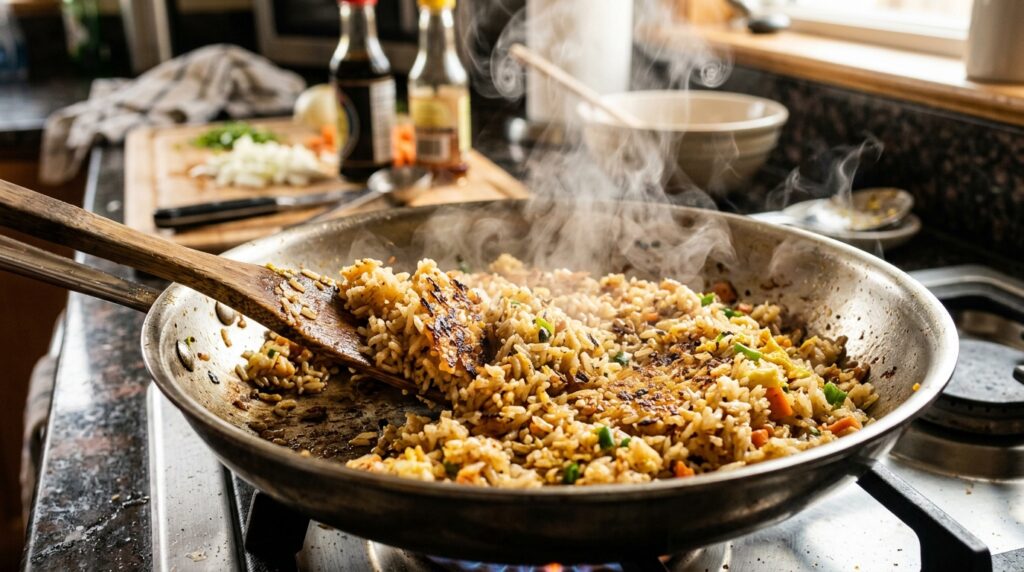
A hot, dry or lightly oiled skillet can rescue rice that’s gone soft. Spread the rice in a single layer, let it sit undisturbed for a minute or two so the bottom layer crisps slightly, then stir and repeat. The direct heat evaporates surface moisture fast and adds a bit of texture back.
Turn It Into Fried Rice
This is genuinely one of the best uses for rice that’s too soft to serve on its own. The high heat of a wok or large skillet, combined with oil, eggs, vegetables, and soy sauce, masks any textural issues while adding flavor. Day-old, slightly dry rice is traditionally preferred for fried rice, but overly soft rice that’s been dried out a bit first works surprisingly well too.
Use It in Soups, Porridge, or Stuffed Dishes
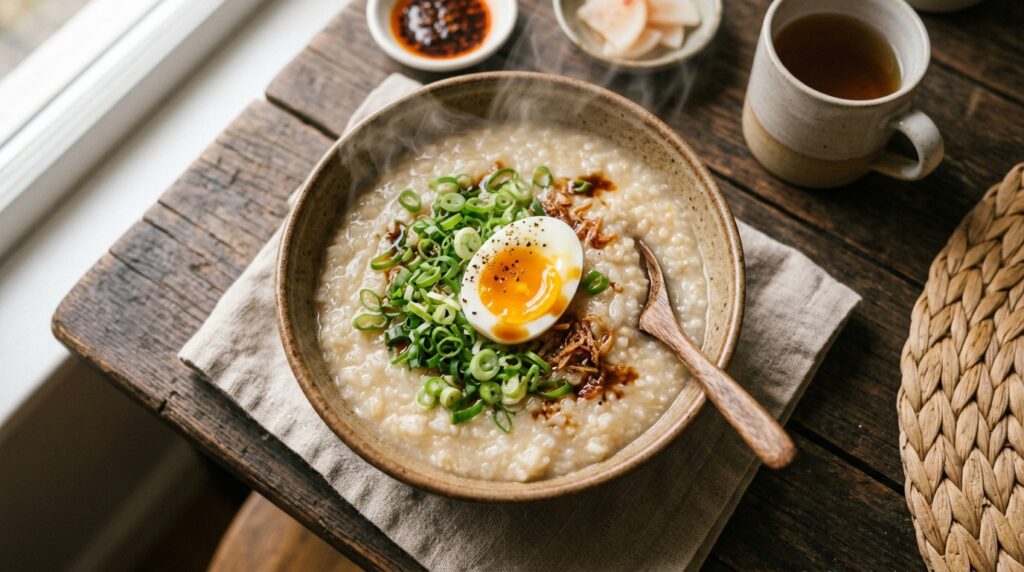
Sometimes the smartest fix is not fighting the texture at all. Mushy rice blends seamlessly into congee, rice soup, or as a binder in stuffed peppers and meatballs, where a softer texture is either expected or doesn’t matter. This turns a mistake into a completely different, intentional dish.
What Not to Do When Rice Turns Mushy
A few common instincts can actually make things worse.
- Don’t add more heat and keep cooking it. This just breaks the grains down further.
- Don’t stir it constantly while trying to fix it. Stirring releases more starch and makes it gummier.
- Don’t add cold water to “loosen” it up. This usually creates a soupy, unevenly textured mess rather than fixing anything.
How to Prevent Mushy Rice Next Time
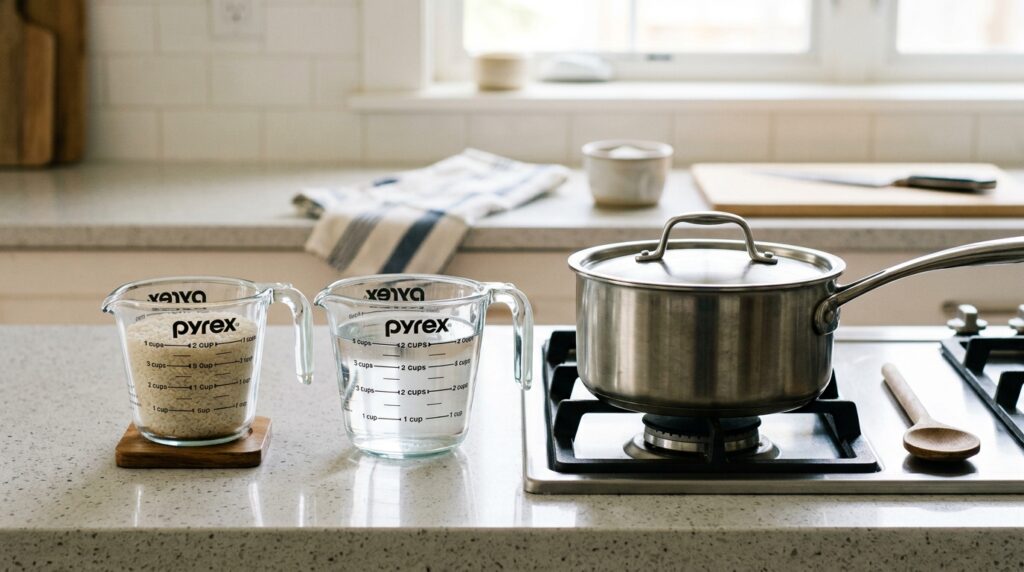
Fixing rice after the fact is useful, but getting the ratio and method right from the start saves the trouble entirely.
Measure With a Proper Ratio
A reliable starting point for long grain white rice is 2 cups of water for every cup of rice, simmered covered for about 18 minutes. Short grain rice generally needs slightly less water and a shorter cook time. Checking the ratio on the package before cooking is always worth the extra ten seconds.
Rinse Before Cooking
Rinsing rice under cold water until it runs clear removes surface starch that would otherwise make the rice clump and turn gummy as it cooks. This one step alone prevents a lot of texture problems before they start.
Keep the Lid On
Once the rice is simmering, resist the urge to check on it. Keeping the lid on traps steam evenly and lets the rice cook at a consistent temperature, which is one of the simplest ways to avoid both undercooked and overcooked results.
Let It Rest Before Fluffing
Pulling the pot off the heat and letting it sit, covered, for five to ten minutes allows the moisture to redistribute evenly through the grains instead of pooling at the bottom. Fluffing too early is a common reason rice ends up wet and clumpy even when the cook time was correct.
Match the Method to the Rice Type
Basmati and jasmine rice behave differently than short grain or arborio rice. If you regularly cook different varieties, it’s worth learning the specific ratio and timing for each one rather than relying on a single method for everything.
Expert Tips for Better Rice Every Time
- Toast the rice briefly in a dry pan or with a little oil before adding water. This firms up the outer layer of the grain and helps it hold its shape during cooking.
- Use a wide, heavy-bottomed pot rather than a narrow one. Even heat distribution matters more than most people expect.
- If you’re cooking rice regularly, a rice cooker with a “keep warm” setting removes most of the guesswork, since it automatically adjusts once the water is absorbed.
- Fixing a batch of mushy rice is a lot like rescuing other kitchen mishaps. If you’ve ever had a pot of stew turn out thinner than expected, the same problem-solving mindset applies, and there are several reliable ways to thicken a watery stew that follow a similar logic of removing excess liquid or adding texture back in.
Pros and Cons of Common Mushy Rice Fixes
| Fix | Pros | Cons |
|---|---|---|
| Spread and air dry | Simple, no extra equipment | Slow, works best on mild cases |
| Low oven drying | Faster than air drying | Requires monitoring to avoid drying too much |
| Pan frying | Adds texture and flavor fast | Can brown or stick if pan is too hot |
| Turning into fried rice | Fully masks texture issues | Changes the dish, not a plain rice fix |
| Using in soup or porridge | Zero waste, minimal effort | Not useful if you specifically needed plain rice |
Frequently Asked Questions
Can mushy rice be saved once it’s already cooked?
Yes, in most cases. Spreading it out to release steam, drying it briefly in a low oven, or pan frying it are all effective ways to remove excess moisture and improve the texture.
Why does my rice turn out mushy even when I follow the package instructions?
Package instructions are a general guideline, but factors like your specific pot, stove heat, and how often you lift the lid all affect the outcome. Slightly reducing the water by a tablespoon or two per cup of rice is a common adjustment.
Is mushy rice safe to eat?
Yes, mushy rice is safe to eat as long as it was cooked and stored properly. The texture is off, but there’s no food safety issue tied to overcooking rice itself.
What’s the best rice-to-water ratio to avoid mushy rice?
For most long grain white rice, 2 cups of water per 1 cup of rice is a reliable starting point. Short grain and sushi rice typically need slightly less water, closer to a 1 to 1.25 ratio.
Can I refrigerate mushy rice and fix it later?
Yes. Refrigerating it overnight actually helps, since chilled rice loses excess surface moisture. The next day, a quick pan fry works especially well and is essentially how fried rice gets its texture.
Final Thoughts
Mushy rice is annoying, but it’s rarely a lost cause. Whether it’s spreading it out to let steam escape, giving it a few minutes in a hot pan, or repurposing it into fried rice or soup, there’s almost always a way to bring it back or turn it into something else worth eating. And once the ratio, heat, and resting time are dialed in, it becomes a lot easier to avoid the problem altogether.
If tonight’s pot turned out soft, try the pan-frying method first. It’s fast, doesn’t need extra ingredients, and works on nearly every type of rice.

