
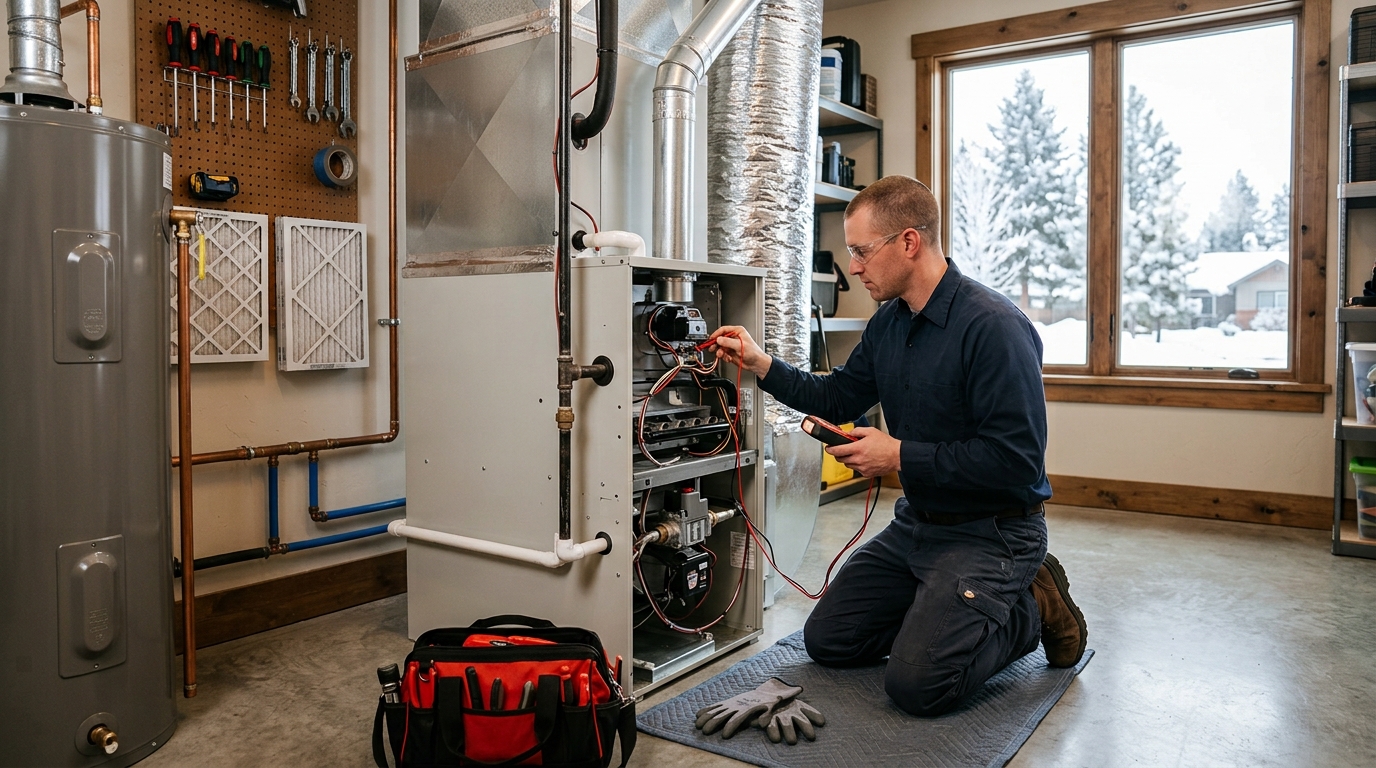
The elevation in Bend, OR, significantly influences how gas furnaces operate. At higher altitudes, the air contains less oxygen, which can impact the fuel-to-air mixture necessary for efficient and clean combustion. This means that gas burners need to be calibrated specifically for these conditions to ensure they burn fuel completely and safely. Without proper calibration, a furnace might operate inefficiently, produce more soot, or even generate dangerous levels of carbon monoxide.
During a professional heating tune-up, technicians pay close attention to these elevation effects. They perform precise burner calibration to optimize the air-fuel ratio, ensuring efficient combustion. Crucially, they also conduct draft testing to verify that exhaust gases are safely vented out of your home. Any issues with venting can lead to a buildup of carbon monoxide, a colorless, odorless gas that poses a serious health risk. These safety checks are paramount in Bend, where the nuances of elevation can exacerbate potential hazards if systems are not properly maintained. Regular maintenance becomes a vital aspect of home safety, mitigating the risks associated with combustion and venting at our specific altitude.
The Core Pillars of Reliable Heating and Cooling Systems
Ensuring a reliable heating and cooling system in Bend hinges on several core pillars, primarily preventative care, equipment safety, and optimal performance. Preventative care, including regular heating system maintenance, is the foundation, allowing us to proactively address minor issues before they escalate into costly repairs or system failures. This is particularly important given the heavy workload our heating systems endure during Bend’s long, cold winters.
Equipment safety is another non-negotiable pillar. Heating systems involve electrical components, gas lines (for furnaces), and refrigerants (for heat pumps), all of which require careful inspection to prevent hazards. Technicians meticulously check wiring, connections, gas pressure, and refrigerant levels to ensure everything operates within safe parameters.
Optimizing system performance involves ensuring efficient airflow and proper static pressure. Restricted airflow, often caused by dirty filters or blocked ductwork, forces the system to work harder, consuming more energy and leading to uneven heating. A professional tune-up includes checks and adjustments to ensure air moves freely throughout your home, contributing to consistent temperatures and lower energy bills. For comprehensive information on maintaining your home’s comfort, including expert advice on these critical aspects, exploring dedicated heating and cooling services can provide valuable insights.
Key Diagnostic Steps for Reliable Heating and Cooling Performance
During a professional heating tune-up, technicians employ a series of key diagnostic steps to identify and address potential issues before they become major problems. These steps are crucial for ensuring your system’s reliability and efficiency:
- Flame Sensor Inspection and Cleaning: For gas furnaces, intermittent ignition is a common problem. Technicians diagnose this by testing the flame sense current and cleaning the flame sensor. A dirty or faulty flame sensor can prevent the furnace from igniting or cause it to short cycle, leading to inconsistent heating.
- Temperature Rise Measurement: If you’re experiencing reduced heat output, technicians measure the temperature rise across the heat exchanger. This helps identify airflow restrictions, which could be due to a clogged filter, a dirty blower wheel, or blocked ductwork. Addressing these restrictions ensures your system delivers the intended warmth efficiently.
- Heat Exchanger Inspection: A critical safety check involves a thorough inspection of the heat exchanger for cracks or corrosion. A compromised heat exchanger can leak carbon monoxide into your home, posing a severe health risk. Early identification of such issues is paramount.
- Defrost Control and Refrigerant Level Checks (for Heat Pumps): Heat pumps in Bend’s cold climate are susceptible to defrost issues. Technicians perform a defrost control test and check refrigerant levels. Low refrigerant can impair heating performance and lead to the outdoor unit freezing over, while a malfunctioning defrost cycle can cause the system to run inefficiently or even fail.
- Static Pressure and Thermostat Placement Evaluation: Excessive cycling or short runs can often be traced back to issues with static pressure or improper thermostat placement. Technicians evaluate these factors to ensure your system operates smoothly and maintains consistent temperatures without overworking.
These diagnostic steps are not just about fixing immediate problems; they are about predicting and preventing future failures, extending the life of your system, and ensuring your family’s safety and comfort throughout the winter.
What to Expect During a Professional HVAC Tune-Up
A professional HVAC tune-up is a comprehensive service designed to optimize your heating system’s performance, enhance safety, and extend its lifespan. When a technician arrives for your tune-up in Bend, you can expect a thorough and systematic approach.
The process typically begins with a visual inspection of the entire heating system, including the furnace or heat pump unit, ductwork, and thermostat. This initial assessment helps identify any obvious signs of wear, damage, or potential issues.
Next, the technician will move on to specific components:
- Filter Check and Replacement: The air filter is inspected for dirt and debris. In Bend’s dusty and sometimes smoky environment, filters can clog quickly. The technician will advise on cleaning or replacement, often replacing it on the spot if needed.
- Combustion System Service (for Furnaces): This includes cleaning and adjusting the burners, checking the pilot light or igniter, and verifying proper gas pressure. This ensures efficient fuel combustion and prevents issues like incomplete burning.
- Heat Exchanger Inspection: As mentioned, this is a critical safety check for cracks or corrosion that could lead to carbon monoxide leaks.
- Blower and Motor Service: The blower motor and fan are inspected, cleaned, and lubricated (if applicable) to ensure efficient airflow. A dirty blower can significantly reduce system efficiency and increase energy consumption.
- Electrical Checks: All electrical connections, wiring, and safety controls are inspected for wear, corrosion, or loose connections. This prevents electrical failures and ensures safe operation.
- Thermostat Calibration: The thermostat is tested and calibrated to ensure it accurately reads and controls your home’s temperature, contributing to consistent comfort and energy savings.
- Heat Pump Checks (if applicable): For heat pumps, the technician will inspect the outdoor coil, check refrigerant levels, test the defrost cycle, and examine the compressor and fan motor.
- System Performance Tests: The technician will measure airflow, temperature rise, and other operational parameters to ensure the system is running efficiently and delivering the expected heating capacity.
- Safety Tests: This includes crucial carbon monoxide (CO) checks to detect any leaks from combustion appliances, providing peace of mind regarding your family’s safety.
- Indoor Air Quality/Duct Assessment: While not always a full duct cleaning, the technician will often assess the general condition of your ductwork and indoor air quality, offering recommendations if issues are observed.
Throughout the process, the technician should communicate their findings clearly and answer any questions you may have.
Finally, a crucial part of the tune-up is the written service report. This report details all the checks performed, any issues found, recommended repairs or adjustments, and the system’s overall condition. It often includes an estimated impact of recommended work on comfort, reliability, and the life expectancy of your system. This transparency gives you a clear understanding of your heating system’s health and a path forward for any necessary repairs or upgrades.
Practical Maintenance Steps Homeowners Can Take Between Visits
While professional annual tune-ups are indispensable, there are several simple yet effective steps homeowners in Bend can take to protect their heating system’s performance between professional visits. These actions can significantly contribute to efficiency, longevity, and overall comfort.
The most critical and frequent task is filter replacement or cleaning. Given Central Oregon’s dry, dusty air and occasional wildfire smoke, filters can become clogged much faster than in other regions. We recommend checking your air filter monthly and replacing or cleaning it every 1 to 3 months, or more frequently if you have pets, allergies, or notice increased dust. Pay attention to the MERV (Minimum Efficiency Reporting Value) rating, as higher MERV filters capture more particles but can also restrict airflow if not changed regularly.
Another simple step is to keep returns and registers clear of obstructions. Furniture, rugs, or curtains blocking these vents can impede airflow, making your system work harder and reducing heating efficiency. Ensure there’s at least a few inches of clear space around all registers and return vents.
For homes with heat pumps, it’s important to clear 2 to 3 feet around outdoor units. Snow, leaves, or debris can block the outdoor coil, hindering its ability to transfer heat. Keeping this area clear ensures optimal operation, especially during heavy snowfall.
Utilizing programmable or smart thermostats effectively can also make a difference. Setting back temperatures when you’re away or asleep can reduce energy consumption. Avoid excessive short-cycling by using appropriate settings that allow the system to run for longer, more efficient periods.
Finally, be attentive to your system’s operation. Note and report odd noises, smells, or cycling patterns early. These can be indicators of developing problems that, if addressed promptly, can prevent more significant and costly repairs down the line. Don’t ignore a sudden increase in your energy bill without a corresponding change in usage, as this can also signal an efficiency issue.
Here’s a monthly heating checklist to help you stay on top of your system’s health:
- Check and/or replace air filter.
- Ensure all supply and return vents are unobstructed.
- Inspect the area around your outdoor unit (if applicable) for debris or snow.
- Verify your thermostat is set correctly and functioning as desired.
- Listen for any unusual noises or detect any strange odors from your heating system.
- Monitor your energy bills for any unexplained spikes.
Frequently Asked Questions About HVAC Maintenance
Understanding the nuances of heating system maintenance can empower homeowners to make informed decisions about their home comfort and safety. Here, we address some common questions we receive regarding HVAC care in Bend.
How often should residential heating systems be serviced?
For most residential heating systems in Bend, an annual tune-up is recommended. The ideal time is in the late summer or early fall, before the cold weather truly sets in. This pre-season inspection ensures your system is prepared for the demands of winter, maximizing reliability and efficiency when you need it most. For homes with heat pumps, a bi-annual check is often recommended, with one tune-up in the fall for heating performance and another in the spring for cooling performance. Adhering to these schedules not only keeps your system running optimally but also helps maintain manufacturer warranties, as many require proof of regular professional maintenance.
How does a heating tune-up lower utility bills?
A heating tune-up significantly contributes to lowering utility bills by enhancing your system’s energy efficiency. Over time, components can become dirty, misaligned, or worn, forcing the system to work harder to achieve the desired temperature. During a tune-up, technicians perform tasks like cleaning the blower and coils, which improves heat transfer and ensures air moves freely. They also optimize burner performance, ensuring fuel is burned efficiently. When a system operates efficiently, it consumes less energy to produce the same amount of heat, directly translating to reduced energy consumption and, consequently, lower monthly utility bills. Identifying issues like a high blower amp draw or restricted airflow during a tune-up can prevent your system from wasting energy.
What qualifications should a heating technician hold?
When selecting a heating technician in Bend, it’s crucial to look for specific qualifications and certifications that demonstrate their expertise and commitment to safety. We recommend seeking technicians who hold NATE (North American Technician Excellence) certification. NATE is the leading certification program for HVACR technicians, signifying that they have passed rigorous, industry-recognized exams. Additionally, technicians working with refrigerants should possess an EPA 608 certification. It’s also important that the company and its technicians are properly licensed by the state of Oregon and carry adequate liability insurance. These credentials ensure that the technician is knowledgeable, adheres to industry best practices, and that you are protected in case of any unforeseen issues during service.
Conclusion
In Bend, OR, where extended cold spells and unique environmental factors challenge home heating systems, a professional heating tune-up is far more than routine maintenance; it’s an indispensable investment. It’s an investment in your long-term comfort, ensuring your home remains a warm sanctuary even on the coldest nights. It’s an investment in winter preparedness, preventing unexpected breakdowns that can leave your family in the cold. It’s an investment in system protection, extending the life of your equipment and safeguarding against costly emergency repairs.
Most importantly, it’s an investment in overall home safety. Through meticulous checks of combustion, venting, and carbon monoxide levels, tune-ups protect your household from unseen dangers. By prioritizing regular maintenance, homeowners in Bend can confidently face the winter, knowing their heating system is operating safely, efficiently, and reliably. The detailed service report provided after each tune-up makes the condition of your system transparent and gives you a clear path forward for any necessary repairs or upgrades, ensuring peace of mind throughout the season.

