
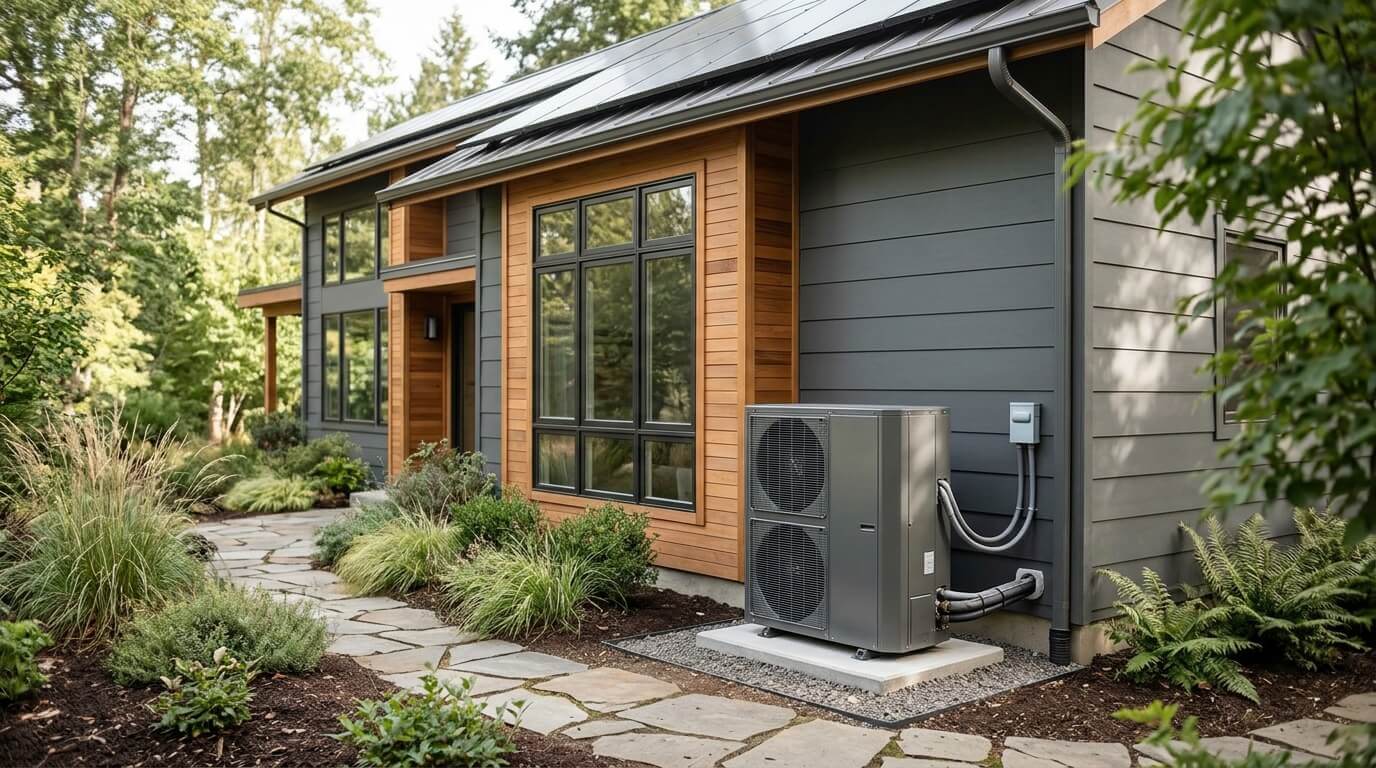
Understanding residential heating and cooling system upgrades can help homeowners improve indoor comfort, manage energy consumption, and choose equipment suited to their homes. Replacing an air conditioner or heating system involves more than selecting a new unit. Equipment efficiency, insulation, ductwork, installation quality, and available utility incentives can all influence the overall cost and performance.
Heat pumps are one option for homeowners considering an upgrade because they can provide both heating and cooling. Unlike conventional air conditioners, which primarily cool indoor spaces, heat pumps transfer heat between the home and the outdoors. They move heat outside during summer and bring heat indoors during winter.
The most suitable system depends on the home’s layout, local climate, existing equipment, electrical capacity, and heating requirements. Comparing efficiency ratings, installation costs, and expected operating expenses can help homeowners decide which improvements are appropriate for their properties.
Understanding Residential Heating and Cooling System Options
Several types of systems provide indoor temperature control, and each has different installation requirements and operating characteristics.
Heat Pumps
An electric heat pump transfers heat rather than generating it through combustion. During cooling, it removes heat from indoor air and releases it outside. During heating, the refrigeration cycle reverses to bring heat from outdoors into the home.
Heat pumps can provide efficient heating and cooling, although performance varies with outdoor temperatures, equipment design, and installation quality. Cold-climate models are designed to operate more effectively in lower temperatures.
Traditional Air Conditioning and Furnaces
A conventional central air conditioner removes heat from indoor air and releases it outside. A separate furnace or another heating system provides warmth during colder weather.
This arrangement may remain suitable when existing equipment is in good condition or when replacing the entire heating system is not practical. Homeowners should compare the cost of replacing individual components with the potential benefits of upgrading the complete system.
Dual-Fuel Systems
A dual-fuel system combines an electric heat pump with a fuel-burning furnace. Depending on the equipment and control settings, the system can use the heat pump under suitable conditions and switch to the furnace when additional heat or lower operating costs make it preferable.
The most appropriate changeover settings depend on local energy prices, equipment performance, outdoor temperatures, and household preferences. A qualified HVAC professional can evaluate these factors before recommending a configuration.
SEER2 Standards for Residential Heating and Cooling
SEER2 stands for Seasonal Energy Efficiency Ratio 2. It measures the seasonal cooling efficiency of applicable air-conditioning and heat pump equipment under standardized testing conditions. The updated rating system took effect in January 2023.
Generally, a higher SEER2 rating indicates greater cooling efficiency under the test conditions. However, the rating alone does not determine how much a homeowner will save. Actual energy use also depends on climate, thermostat settings, insulation, equipment sizing, operating hours, and installation quality.
Heating efficiency is measured differently. HSPF2, or Heating Seasonal Performance Factor 2, evaluates the seasonal heating efficiency of applicable heat pumps. Comparing both ratings can help homeowners assess systems intended to provide year-round heating and cooling.
Before purchasing equipment, compare the full model specifications rather than relying on general efficiency claims. Check whether the equipment meets the minimum requirements of any utility rebate being considered.
Why Correct System Sizing Matters
An HVAC system should be sized according to the home’s heating and cooling requirements rather than simply selected based on floor area or the capacity of the previous unit.
Professionals commonly use a Manual J load calculation to estimate a property’s heating and cooling loads. The assessment considers insulation, windows, air leakage, building orientation, construction materials, and local climate conditions.
An oversized system may cycle on and off too frequently, potentially reducing efficiency and temperature control. An undersized system may struggle to maintain the desired temperature during periods of extreme weather.
Correct sizing, suitable ductwork, and careful installation help a system operate as intended. These factors can be just as important as the equipment’s advertised efficiency rating.
Energy-Saving Strategies for Residential Heating and Cooling
Replacing an HVAC system is only one part of improving household energy efficiency. Addressing the building envelope, adjusting thermostat settings, and maintaining equipment can also reduce unnecessary energy consumption.
Envelope Sealing and Insulation
Air leaks around windows, doors, attic access points, and utility penetrations can allow conditioned air to escape. Sealing appropriate gaps and improving insulation can help maintain more consistent indoor temperatures.
The right improvements depend on the home’s current condition. An energy assessment can identify areas where insulation or air sealing may provide the greatest benefit.
Homeowners planning insulation improvements can also review how to keep your home comfortable during the coldest months for practical ways to address drafts and maintain indoor comfort.
Duct Insulation and Airflow
Leaking or poorly insulated ducts can waste energy, particularly when they pass through unconditioned attics, crawlspaces, or garages. Inspecting accessible ductwork and correcting significant leakage can improve the delivery of heated or cooled air.
Blocked vents, dirty filters, and airflow restrictions may also affect performance. Duct repairs and modifications should be appropriate for the system’s design.
Smart Thermostats
A programmable or smart thermostat can adjust temperatures according to a household’s schedule. Some models also provide remote control, energy-use information, and automated scheduling.
Compatibility matters. Before purchasing a thermostat, confirm that it works with the existing heating and cooling equipment, particularly if the home has a heat pump, auxiliary heating, or a dual-fuel arrangement.
Time-Based Electricity Pricing
Some utility customers pay different electricity rates depending on when energy is used. Where time-of-day pricing applies, shifting some heating or cooling demand to lower-cost periods may reduce electricity expenses.
For example, pre-cooling a home during an off-peak period may help maintain comfort during a later peak-price window. The effectiveness of this strategy depends on the utility’s current rate schedule, the home’s insulation, outdoor temperatures, and household preferences.
Homeowners should check their utility’s current pricing schedule before changing thermostat settings specifically to reduce electricity costs.
Regular HVAC Maintenance
Professional maintenance can help identify problems, preserve system performance, and reduce the likelihood of avoidable breakdowns. Routine tasks may include inspecting components, checking system operation, and cleaning or replacing filters as recommended. For comprehensive solutions and expert advice on optimizing your home’s climate control, consider consulting specialists in residential HVAC services.
Learn more about why residential HVAC maintenance is so important when planning a heating and cooling upgrade.
Comparing HVAC Rebates and Incentives
Utility rebate programs can reduce the initial cost of qualifying home energy improvements. However, eligibility depends on the utility service area, equipment specifications, installation method, contractor requirements, and the program’s current funding and rules.
Fort Collins Utilities and Loveland Water and Power participate in regional energy-efficiency initiatives through Efficiency Works. These programs provide incentives for certain heating and cooling upgrades, insulation, air sealing, and other eligible improvements.
The two utilities do not necessarily offer identical incentives. Homeowners should check the program applicable to their electricity provider before selecting equipment or arranging installation.
Fort Collins Utilities and Loveland Water and Power Compared
| Feature | Fort Collins Utilities | Loveland Water and Power |
|---|---|---|
| Regional rebate provider | Efficiency Works | Efficiency Works |
| HVAC incentives | Available for qualifying heating and cooling upgrades | Available for qualifying heating and cooling upgrades |
| Eligible technologies | Depends on current equipment and program requirements | Depends on current equipment and program requirements |
| Contractor requirements | Certain retrofit rebates require a participating contractor | Requirements depend on the applicable rebate |
| Application process | Varies by rebate and project type | Varies by rebate and project type |
| Additional assistance | Epic Homes advising and eligible financing options | Utility rebate guidance and regional energy-efficiency resources |
This comparison provides a general overview rather than a guarantee of eligibility. Review the Efficiency Works residential rebate information and the relevant utility’s current program details before beginning a project.
Understanding Application Requirements
Some rebates are available for qualifying products purchased by customers, while others apply to larger projects completed by approved service providers.
These application routes may have different deadlines and documentation requirements. Certain post-purchase product rebates may require an application within 45 days, while contractor-installed HVAC upgrades can follow a separate process.
Before starting work, confirm:
- Whether the equipment or improvement qualifies.
- Whether an approved contractor must complete the installation.
- Whether an energy assessment or preapproval is required.
- Which invoices, product details, and proof-of-purchase records are needed.
- The deadline and process for submitting the application.
Keeping records from the beginning can help avoid missing documentation or discovering too late that a project does not meet the program’s requirements.
Bundling and Rental Property Incentives
Some energy-efficiency programs offer additional incentives when homeowners complete more than one eligible improvement within a specified period.
Efficiency Works has offered a $2,000 bundling bonus for eligible residential customers who complete qualifying heat pump and building-envelope improvements through its Retrofit Rebate program. Eligible envelope measures and completion deadlines are defined by the program. Homeowners should verify that the incentive is available and funded before including it in their project budget.
A separate rental property bonus may be available for qualifying residential properties served by Fort Collins Utilities. The program’s requirements can include preapproval and conditions relating to the rental property.
These incentives are not automatically available to customers served by every participating utility. Homeowners and landlords should review the current terms and confirm their eligibility before arranging installation.
Combining Utility Rebates With Other Incentives
Local utility rebates may be only one part of the funding available for an energy-efficiency project. Depending on the equipment, household circumstances, and applicable rules, homeowners may also be able to explore state-level incentives, tax benefits, or assistance programs.
However, these programs do not all operate in the same way. A utility rebate is different from a tax credit, and an incentive that was available in a previous year may have changed or expired.
Before including a federal or state incentive in a project budget, verify its current availability, eligibility criteria, qualifying purchase or installation dates, and application requirements. Do not assume that multiple incentives can automatically be combined.
Electrical work may also be needed when installing a heat pump, particularly if the home has limited panel capacity. Some programs offer separate incentives for qualifying electrical panel upgrades or load-management equipment. Such work should be assessed by a qualified electrician, and any relevant rebate requirements should be confirmed before installation.
Epic Homes Financing and Income-Qualified Assistance
Fort Collins Utilities offers the Epic Homes program to help eligible customers evaluate and complete home energy improvements. Available resources may include energy advising, assessments, rebates, and financing options.
An energy assessment can help identify improvements involving heating and cooling equipment, insulation, air sealing, windows, and other parts of the home. This information can help homeowners prioritize upgrades rather than replacing equipment without considering the building’s overall performance.
Eligible customers may also be able to use the Epic Homes Loan to finance qualifying improvements. The program has offered low-interest financing with on-bill repayment, subject to approval and applicable requirements. Homeowners should check the current loan limits, terms, fees, and eligibility criteria before applying.
Fort Collins Utilities also provides information about the Colorado Affordable Residential Energy (CARE) program and other assistance resources for eligible households. Availability and eligibility can differ by program, so applicants should review the latest official terms before making financial decisions.
Frequently Asked Questions About HVAC Rebates
Do utility providers offer rebates for central AC units?
Utility programs may offer incentives for qualifying heating and cooling equipment, but available rebates depend on the program and the equipment installed. Heat pumps are a significant focus of many regional efficiency programs because they can provide both heating and cooling. Check the current equipment requirements rather than assuming every central air conditioner qualifies.
What is the deadline for submitting an HVAC rebate application?
There is no single deadline that applies to every type of rebate. Some post-purchase product rebates require an application within 45 days, while contractor-installed HVAC projects may follow a different process. Check the requirements for the specific incentive before purchasing equipment or beginning installation.
Can landlords receive heating and cooling rebates?
Some programs provide incentives for qualifying rental properties. Fort Collins Utilities has offered additional incentives for eligible rental property improvements, subject to requirements such as preapproval and lease conditions. The bonus does not automatically apply in other utility service areas, and property owners should confirm their eligibility before starting work.
Are heat pumps suitable for homes in colder climates?
Heat pumps can be suitable for cold climates when the equipment is designed for the expected outdoor temperatures and correctly sized for the property. Performance varies by model and operating conditions. Some homes may benefit from a cold-climate heat pump, a dual-fuel configuration, or a backup heating system.
Should insulation be improved before replacing an HVAC system?
It is worth assessing insulation and air leakage before selecting replacement equipment. Improving the building envelope can reduce heating and cooling demand, which may affect the capacity needed for a new system. The best sequence depends on the home’s condition, budget, and any rebate requirements.
Conclusion
Residential heating and cooling system upgrades involve more than replacing an old air conditioner or furnace. Equipment selection, SEER2 and HSPF2 ratings, correct sizing, ductwork, insulation, and thermostat settings all contribute to a home’s overall performance.
Heat pumps offer one option for providing year-round temperature control, while traditional and dual-fuel systems may suit other properties. Comparing available technologies and assessing the home’s actual heating and cooling needs can help homeowners make informed decisions.
Utility rebates, financing, and other incentives may reduce eligible project costs, but program rules and funding can change. Confirm the latest requirements with the relevant utility and program administrator before committing to a purchase or installation.
A careful assessment, realistic budget, and clear understanding of equipment and incentive requirements can help homeowners plan an upgrade that fits their property’s needs and long-term energy goals.

