
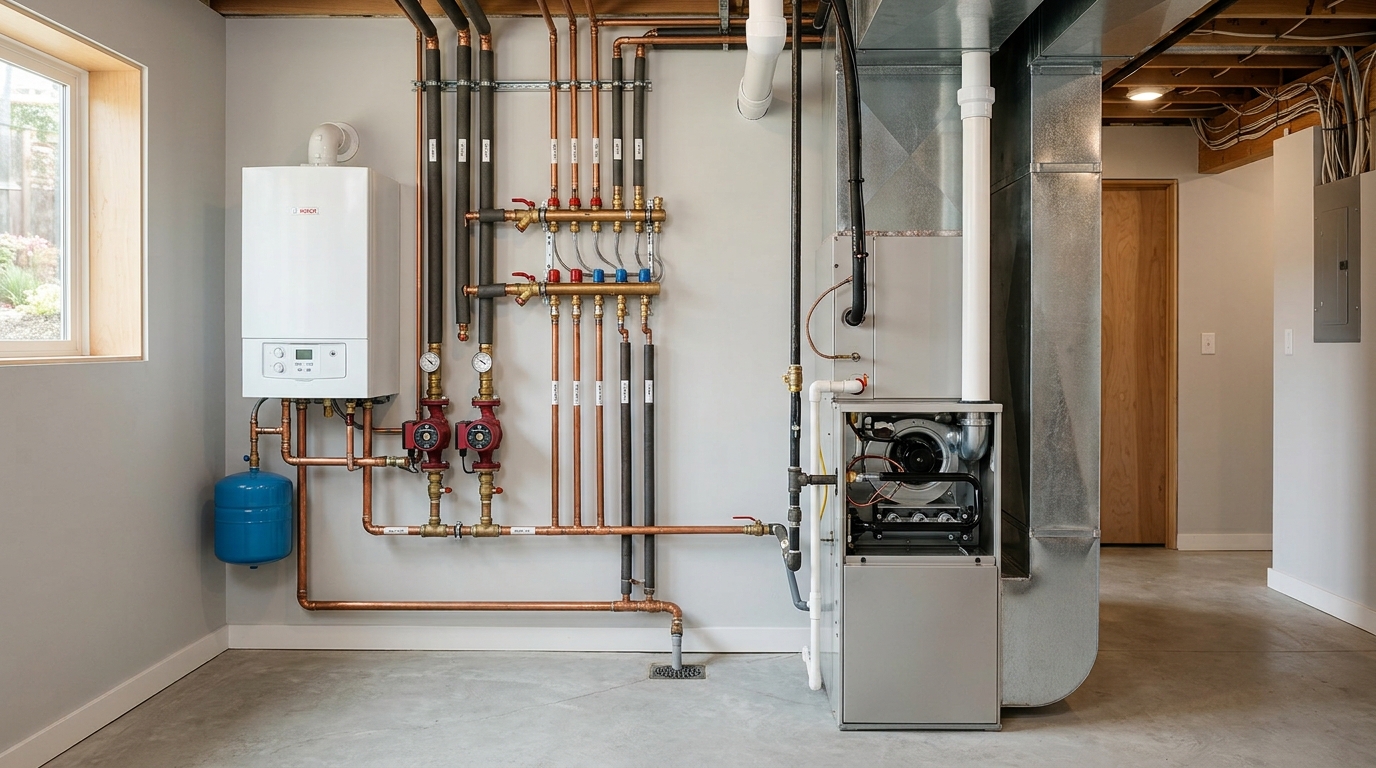
As the chill of winter approaches in August 2026, your home’s heating system becomes its most vital appliance. Few things are worse than a furnace or boiler breakdown when temperatures drop, leaving you in the cold. Beyond comfort, regular maintenance is crucial for safety, energy efficiency, and preventing costly emergency repairs. In fact, over 55% of boiler breakdowns occur during the winter months, underscoring the need for proactive care.
We understand the challenges homeowners face in keeping their heating systems in top shape.. That’s why we’ve put together this comprehensive guide. We’ll explore why consistent furnace and boiler maintenance is non-negotiable, what signs indicate your system needs attention, and the critical differences between tasks you can handle yourself and those requiring a professional touch for various heating and cooling needs, including residential and light-commercial hvac solutions. Whether you rely on a furnace or a boiler, understanding its care is key to a warm, safe, and efficient home.
Ignoring your heating system’s needs can lead to a cascade of problems, impacting everything from your energy bills to your family’s safety. Regular, seasonal maintenance isn’t just a recommendation; it’s a critical investment in your home’s comfort and security.
One of the most immediate benefits of a well-maintained system is improved energy efficiency, while choosing the right eco-friendly HVAC system for your home can further reduce unnecessary energy use. Neglecting maintenance can cause a boiler to burn 10% to 30% more fuel than a properly serviced unit. Similarly, annual maintenance can improve furnace efficiency by 15%. This translates directly into higher utility bills for you. Imagine the financial drain of your furnace or boiler working harder than it needs to, consuming extra fuel just to keep your home warm. For boilers, issues like limescale buildup on the heat exchanger alone can drop efficiency by a significant 12% to 21%, forcing the system to consume more energy to achieve the same heating output.
Beyond efficiency, regular maintenance is your best defense against unexpected breakdowns. Annual maintenance prevents a remarkable 90% of furnace breakdowns. This proactive approach saves you from the inconvenience and stress of a cold home in the middle of winter, not to mention the often higher costs associated with emergency repairs. A professional tune-up can catch minor issues before they escalate into major, expensive problems.
Maintenance also plays a pivotal role in extending the lifespan of your heating equipment. A well-maintained boiler can last 15 to 20 years or longer, while a gas boiler, with proper care, might even reach 20 to 30 years. Electric boilers typically last around 10 years, but consistent maintenance ensures they reach their maximum potential. This longevity means you’ll delay the significant expense of a full system replacement, maximizing your initial investment.
Crucially, annual maintenance helps ensure your heating system operates safely. Poorly maintained systems, especially boilers, can pose serious risks. Around 30 boiler explosions occur yearly in the United States, and countless boilers leak or cause electrical failures, almost all traceable back to neglected maintenance or faulty safety valves. Furnaces, too, can develop dangerous carbon monoxide leaks if heat exchangers are cracked or combustion is incomplete, while related electrical safety issues can create additional risks. Regular checks by a qualified technician are essential for detecting these hazards early, protecting your household from potential harm.
Finally, consistent maintenance is often a requirement to keep your manufacturer’s warranty valid. Many heating system manufacturers stipulate annual professional servicing as a condition for honoring warranty claims. Skipping these vital check-ups could leave you footing the bill for expensive repairs that would otherwise be covered.
Critical Warning Signs Your Heating System Needs Immediate Attention
Your furnace or boiler often communicates its distress through various signs and symptoms. Recognizing these critical warning signals early can prevent further damage, ensure safety, and help you schedule timely professional intervention. Ignoring these indicators can lead to costly repairs, decreased efficiency, or even dangerous situations.
One of the most critical signs for gas-fired systems is a fluctuating yellow pilot flame. A healthy pilot light should burn a steady, strong blue. A yellow, orange, or flickering flame indicates incomplete combustion, which can produce dangerous carbon monoxide (CO) – an odorless, colorless gas that can be deadly. If you notice this, ventilate your home immediately and contact a professional.
Similarly, strange burning odors emanating from your heating system should never be ignored. While a slight burning smell might be normal when a furnace starts up for the first time in the season (due to dust burning off), persistent or strong odors, especially those resembling burning plastic, electrical components, or sulfur (rotten eggs), signal a serious problem. A sulfur smell is a strong indicator of a gas leak and requires immediate evacuation and professional assistance.
For boilers, loud banging and kettling noises are common distress signals. Kettling, a sound similar to a boiling kettle, often indicates limescale buildup on the heat exchanger. This buildup prevents efficient heat transfer and can lead to localized overheating and system damage. Banging noises might suggest trapped air in the system or issues with water flow. Another common boiler problem is low water pressure, which can prevent the system from circulating hot water effectively, leading to cold radiators or system shutdowns.
Speaking of cold radiators, if some radiators in your home remain cold while others are hot, it often points to trapped air in the system, sludge buildup, or issues with zone valves. This not only reduces comfort but also forces your boiler to work harder.
Furnaces might exhibit short-cycling, where the system turns on and off frequently without completing a full heating cycle. This can be caused by a variety of issues, including a clogged filter, a malfunctioning thermostat, or even a serious problem like a cracked heat exchanger. Short-cycling reduces efficiency, increases wear and tear, and can be a sign of an underlying safety concern.
Any visible signs of gas leaks (beyond smell, such as bubbling in water if you’re testing a connection) or carbon monoxide risks (indicated by CO detectors) demand immediate action. If you suspect a gas leak, turn off the gas supply if it’s safe to do so, evacuate everyone from the building, and call your gas utility company from a safe distance. For carbon monoxide, evacuate and call emergency services. Always ensure you have working carbon monoxide detectors on every level of your home, especially near sleeping areas, as CO is undetectable by human senses.
DIY vs. Professional Furnace and Boiler Maintenance
Maintaining your home’s heating system involves a spectrum of tasks, some of which are safe and beneficial for homeowners to perform, while others absolutely require the expertise and specialized tools of a licensed professional. Understanding this distinction is crucial for both safety and effective maintenance.
| Task Category | Homeowner DIY Tasks | Licensed Technician Tasks |
|---|---|---|
| Air Filters | Regularly check and replace your furnace filter every 1–3 months, especially during peak heating season or if you have pets. This is one of the easiest and most impactful DIY maintenance tasks. | Technicians inspect the HVAC system’s overall airflow, including ductwork condition and blower motor performance, to ensure proper air circulation beyond the filter. |
| Visual Inspections | Periodically check for obvious leaks around the boiler, corrosion on pipes, unusual dust buildup around the furnace, or other visible issues. Keep the area around the heating unit clear. | Technicians inspect internal components, heat exchangers, gas lines, electrical connections, and exhaust vents for hidden wear, damage, or safety hazards that may not be visible to homeowners. |
| Radiator Bleeding | For hydronic heating systems, homeowners can bleed cold radiators using a radiator key to release trapped air and restore even heat distribution. | Professionals diagnose recurring uneven heating caused by issues such as sludge buildup, circulation pump problems, or zone-valve malfunctions. They can also perform system balancing or power flushing when appropriate. |
| Clutter Clearance | Keep the area around the furnace or boiler free of storage items, flammable materials, and debris to maintain safe airflow and access. | Technicians verify required clearances according to manufacturer specifications and applicable codes while checking for combustion-air restrictions and potential fire hazards. |
| Pressure Monitoring | For boilers, periodically check the pressure gauge and make sure it remains within the manufacturer’s recommended range. Many residential systems operate around 1.0–1.5 bar, but the correct range varies by system. | Professionals inspect the pressure relief valve, expansion tank, and pressure-control components to ensure the system is operating safely and to prevent over-pressurization or damage. |
| Thermostat Batteries | Replace batteries in programmable or smart thermostats as needed, typically once a year or when the low-battery warning appears. | Technicians can calibrate thermostats, inspect wiring, and verify communication between the thermostat and heating system to improve temperature control and efficiency. |
| Condensate Pipes | For high-efficiency condensing furnaces and boilers, homeowners can check the exterior condensate drain pipe for visible blockage or freezing and ensure exposed sections are adequately protected from freezing temperatures. | Technicians inspect, clean, and test the condensate trap and drain lines for blockages, proper drainage, and correct installation. They can also address issues that may cause corrosion, leaks, or repeated system shutdowns. |
| Weekly Audio Checks | Listen for unusual noises such as banging, whistling, gurgling, rattling, or grinding. New or persistent sounds can indicate a developing problem. | Technicians use diagnostic tools and their expertise to identify the source of unusual noises, such as worn bearings, loose components, circulation problems, or other mechanical faults requiring repair. |
Safe Homeowner DIY Furnace and Boiler Maintenance Tasks
As homeowners, there are several simple yet effective maintenance tasks you can perform to keep your heating system running smoothly and safely between professional service visits. These tasks don’t require specialized tools or training and primarily focus on visual checks and basic upkeep.
Firstly, air filter replacement is paramount for furnaces. A clogged air filter restricts airflow, forcing your furnace to work harder, decreasing efficiency, and potentially leading to overheating. We recommend checking your filter monthly and replacing it every 1 to 3 months, especially if you have pets or allergies.
Visual leak checks are also important. Periodically inspect the area around your boiler or furnace and its associated piping for any signs of water pooling, drips, or corrosion. Addressing small leaks early can prevent significant water damage and system issues.
For those with hydronic heating systems, radiator bleeding is a valuable DIY task. If you notice certain radiators are cold at the top but warm at the bottom, it’s likely due to trapped air. Using a radiator key, you can carefully release this air, restoring full heat distribution.
Ensuring clutter clearance around your heating unit is a simple safety measure. Keep the area free of storage, especially flammable materials, to maintain proper airflow and prevent fire hazards.
Pressure gauge monitoring for boilers is another easy check. Familiarize yourself with the recommended operating pressure (usually indicated by a green zone on the gauge) and ensure your boiler stays within this range. Significant deviations could signal a problem.
Don’t forget thermostat battery replacement. Many thermostats rely on batteries, and a dead battery can lead to an unresponsive heating system. Replace them annually, typically at the start of the heating season.
For high-efficiency condensing furnaces and boilers, condensate pipe insulation is crucial. These units produce acidic condensate that drains away, and the external portion of this pipe can freeze in winter, causing the system to shut down. Insulating it can prevent this common issue.
Finally, performing weekly audio checks can help you catch problems early. Listen for any new or unusual noises like banging, whistling, gurgling, or grinding. Your heating system usually operates with a consistent hum; any deviation warrants attention.
What a Professional Furnace and Boiler Maintenance Tune-Up Includes
While DIY tasks are helpful, a professional tune-up is indispensable for the health and safety of your furnace or boiler. These comprehensive services, typically costing between $190 to $660 (with an average around $425), involve a licensed technician performing a detailed inspection and adjustment of critical components.
A professional tune-up begins with a thorough combustion analysis. This involves using specialized equipment to measure exhaust gases, ensuring your system is burning fuel efficiently and safely. Technicians will check for optimal CO2 and draft testing levels, which are crucial indicators of proper ventilation and combustion.
For furnaces, key tasks include flame sensor cleaning and hot surface ignitor testing. These components are vital for safe ignition, and even a small amount of soot can prevent them from working correctly, leading to system failures. The technician will also perform a meticulous heat exchanger inspection to check for cracks or corrosion, which could allow dangerous carbon monoxide into your home. Motor amperage verification ensures your blower motor is operating within specifications, preventing premature wear.
Boiler maintenance includes specific checks like low-water cut-off testing, which is a critical safety feature that prevents the boiler from operating if water levels are too low, averting potential explosions. Pressure relief valves are also tested to ensure they can safely release excess pressure.
Both furnaces and boilers benefit from a comprehensive flue venting inspection. This ensures that exhaust gases are safely directed out of your home and that there are no blockages or leaks in the chimney or vent pipe.
Other tasks might include burner nozzle replacement for oil-fired systems, condensate trap flushing for high-efficiency units to prevent blockages, and a general cleaning of internal components to remove dust and debris that can hinder performance. The technician will also verify the operation of all safety switches and controls, ensuring they respond correctly to abnormal conditions.
This detailed, multi-point inspection and adjustment process goes far beyond what a homeowner can safely or effectively do, providing peace of mind that your system is running efficiently, reliably, and most importantly, safely.
Scheduling, Costs, and Safety Protocols for Heating Equipment
Strategic planning for your heating system’s maintenance can save you money, prevent emergencies, and ensure your home stays warm and safe throughout the colder months.
The optimal time for scheduling heating system maintenance is in the early fall or late summer. This pre-winter timing allows technicians to perform a comprehensive tune-up before your system is heavily relied upon. Scheduling during this period means you avoid the rush of emergency calls that flood HVAC companies once the first cold snap hits. A pre-winter startup check ensures your system is ready for the demands of the season, catching any potential issues before they leave you in the cold.
Regarding costs, annual professional boiler service costs $190 to $660, with an average of approximately $425. This annual expense is a small investment when considering that it can prevent repairs that run $500 to $1,100 or more. Furthermore, regular maintenance can lead to a savings of 10% or more on your yearly energy bills due to improved efficiency. This means the maintenance often pays for itself through energy savings and avoided repair costs.
Safety protocols are paramount, especially when dealing with gas-fired equipment. If you ever detect the distinct rotten-egg smell of natural gas, it’s crucial to follow strict gas odor emergency evacuation procedures. Do not operate any electrical switches, light matches, or use phones inside the house. Evacuate everyone immediately, move to a safe distance, and then call your gas utility company’s emergency line from outside. If you notice a yellow pilot light, which indicates incomplete combustion and potential carbon monoxide production, ventilate the area and contact a professional immediately. Do not attempt to fix it yourself.
All heating systems, particularly boilers, adhere to stringent safety standards like the ASME (American Society of Mechanical Engineers) Boiler and Pressure Vessel Code. These codes govern the design, construction, inspection, and testing of boilers and pressure vessels to ensure maximum safety. When hiring a professional, ensure they are familiar with and adhere to these industry standards.
Finally, maintaining detailed service record keeping is a best practice. Keep a log of all maintenance dates, technician notes, and any parts replaced. This documentation is vital for warranty purposes, tracking your system’s health, and providing valuable information to future technicians.
Frequently Asked Questions About Furnace and Boiler Maintenance
We often encounter common questions from homeowners regarding the care of their heating systems. Here, we address some of the most frequently asked queries to provide clarity and guidance.
How often should a furnace or boiler be serviced, and when is the best time?
Both furnaces and boilers should receive an annual tune-up frequency. This once-yearly professional inspection and cleaning is generally sufficient to keep your heating system operating safely and efficiently. The best time to schedule this service is in early autumn (September through early November) or late summer, before the heating season officially begins. This pre-season inspection ensures your system is in peak condition before it’s put to heavy use, helping to prevent mid-winter breakdowns when technicians are busiest. A comprehensive tune-up typically takes between 60 to 90 minutes to properly clean, test, and inspect all mechanical and safety components.
How much does routine maintenance cost compared to major repairs?
The cost of annual tune-up cost for a furnace or boiler typically ranges from $190 to $660, with the average service cost hovering around $425. This preventative expense is significantly less than the cost of emergency repairs. For instance, a major repair, such as replacing a circulator pump or repairing a heat exchanger, can easily incur an expense of $500 to $1,100 or more. Investing in annual maintenance also leads to tangible savings; a typical customer reaps a savings of 10% or more on a yearly basis through annual boiler maintenance due to improved efficiency. This demonstrates that routine maintenance is not just about preventing breakdowns but also about long-term financial prudence.
Can skipping annual furnace and boiler maintenance void my manufacturer warranty?
Yes, in many cases, skipping annual furnace and boiler maintenance can void your manufacturer warranty. Most heating system manufacturers include specific manufacturer warranty clauses that require proof of annual professional servicing to maintain coverage. This means that if a major component fails and you haven’t had documented annual maintenance, the manufacturer may deny your warranty claim, leaving you responsible for the full cost of repairs. To ensure claim protection and keep your warranty valid, it’s crucial to have a licensed technician perform and document your annual service. Always keep records of your maintenance visits, including dates, services performed, and the technician’s credentials.
Conclusion
As we’ve explored, proactive heating maintenance for both furnaces and boilers is not merely a suggestion; it’s a fundamental aspect of responsible homeownership in August 2026. From ensuring seasonal safety checks to optimizing energy efficiency, and extending system longevity, regular care plays a pivotal role in maintaining your home’s comfort and protecting your investment. By understanding the critical warning signs, distinguishing between DIY and professional tasks, and adhering to recommended scheduling and safety protocols, you empower yourself to make informed decisions about your heating system. Embracing a consistent maintenance routine for your furnace or boiler is the surest path to enjoying a warm, safe, and efficient home for years to come, securing your long-term home comfort and peace of mind.

