
Key Takeaways
- Inspect every window, exterior door, sliding glass door, garage door, and service entrance before storm season becomes active.
- Understand the differences between impact-rated products, shutters, and removable storm panels.
- Check locks, weatherstripping, door sweeps, tracks, caulk, and visible signs of water intrusion.
- Keep product approvals, permits, inspection records, receipts, warranties, and insurance documents organized.
- Arrange necessary repairs or replacements early instead of waiting until a storm approaches.
Why Florida Windows and Doors Need Early Attention
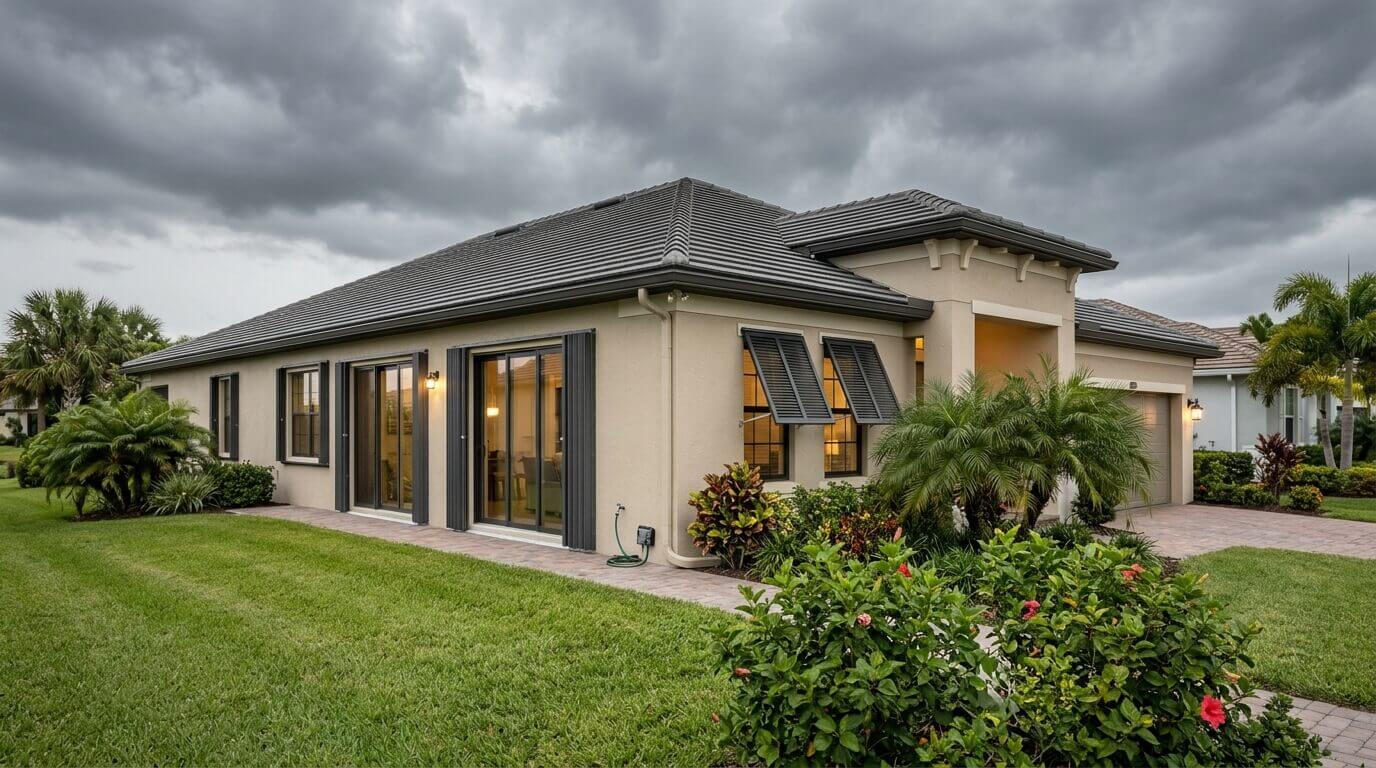
Preparing windows and doors for Florida storms is an important part of maintaining a home’s exterior protection. Windows, exterior doors, sliding doors, and garage doors all contribute to the building envelope, which helps protect indoor spaces from wind, rain, and airborne debris.
Florida homeowners often focus on roof maintenance, tree trimming, and emergency supplies before hurricane season. However, openings throughout the home also deserve attention. A search for impact window installation near me may be the starting point for a larger improvement project, but homeowners can begin by inspecting their existing windows and doors.
From coastal areas exposed to strong winds and driving rain to inland communities affected by severe thunderstorms, early preparation makes it easier to identify problems, compare protection options, and organize important records.
Start With a Room-by-Room Window and Door Inspection
Create a simple list of every opening that connects the home to the outdoors. Include less obvious locations, such as bathroom windows, garage openings, utility rooms, and enclosed patios.
Use the following checklist:
- Count all windows, including small bathroom and garage windows.
- Inspect front doors, side entrances, French doors, and patio doors.
- Check sliding glass doors and their tracks.
- Include the main garage door and any separate service entrance.
- Identify openings protected by shutters, removable panels, or impact-rated products.
- Record visible damage and note any opening that needs professional assessment.
A complete inventory helps homeowners track maintenance needs and compare estimates. It also makes it easier to identify openings that do not yet have a suitable storm-protection method.
Look for Signs of Wear and Failure
Inspect window frames, glass, door hardware, seals, and nearby walls in daylight. Pay attention to cracked glass, condensation between panes, corroded fasteners, deteriorating frames, worn weatherstripping, peeling caulk, sticking locks, and water stains.
Test each window and door carefully without forcing any components. Confirm that locks engage correctly, remove debris from sliding-door tracks, and look for visible gaps around closed exterior doors.
Some problems, such as dirty tracks or worn door sweeps, may be resolved through routine maintenance. However, cracked frames, recurring leaks, loose anchoring, severely corroded hardware, and doors that will not latch properly may require a qualified professional.
For a more detailed understanding of the components that help exterior doors close and seal properly, review the main parts of a door and its frame.
Do not rely on paint, tape, or cosmetic caulk to correct structural damage or an improperly installed opening.
Understand Impact Protection and Temporary Coverings
Impact-rated windows and doors differ from removable storm panels and shutters. Each option has its own product requirements, installation considerations, and maintenance needs.
Impact-Rated Windows and Doors
Impact-rated products are tested as assemblies designed to resist specified impact and pressure conditions. Performance depends on the complete system, including the glazing, frame, hardware, anchoring, and approved installation method.
A newer appearance, thick glass, or double-pane construction does not automatically establish impact resistance. Homeowners should verify the specific product’s approval and confirm that its installation matches the applicable requirements.
Shutters and Removable Storm Panels
Shutters and storm panels can provide another method of protecting openings when the products are suitable for the property and installed correctly. Their effectiveness depends on the condition of the panels, mounting hardware, fasteners, and supporting surfaces.
Before storm season:
- Inspect shutters and panels for corrosion, cracks, or other damage.
- Check that the required mounting hardware is available.
- Confirm that panels can be installed according to the manufacturer’s instructions.
- Store removable panels in a dry, accessible, clearly labeled location.
- Make sure everyone responsible for deployment understands the procedure.
Do not wait until severe weather is approaching to discover that fasteners are missing or panels no longer fit properly.
Check Product Approvals, Permits, and Installation Records
Florida building requirements can vary according to location, building type, wind exposure, opening dimensions, and whether a property is within the High-Velocity Hurricane Zone.
Before choosing replacement products, homeowners should confirm which approvals and building requirements apply to their specific property. Florida’s product approval system can help identify approved products and associated documentation. Depending on the project and location, Miami-Dade approvals or other applicable records may also be relevant.
Keep a paper or digital folder containing:
- Florida Product Approval information and any applicable Miami-Dade approval details.
- Permit numbers and final inspection records.
- Signed contracts, paid invoices, and installation photographs.
- Manufacturer warranties and maintenance instructions.
- A record identifying which product was installed at each opening.
Organized documentation makes it easier to verify what was installed, review warranty requirements, and respond to questions from insurers or future buyers.
Review Insurance and Wind-Mitigation Records
Before investing in a major window or door upgrade, contact your insurance agent or carrier to ask how the proposed improvements may affect your policy. Some insurers consider wind-mitigation features when determining eligibility for credits, but requirements vary by insurer, policy, and property.
Questions worth asking include:
- Is a wind-mitigation inspection required after the upgrade?
- Which forms, photographs, or approval documents should be submitted?
- Must all relevant openings meet particular protection criteria?
- Should updated records be provided after the final inspection?
- When will any policy adjustment take effect?
Florida homeowners should review current state guidance on wind-mitigation inspections and applicable forms rather than assuming that every upgrade automatically qualifies for a discount.
Keep copies of inspection reports and written communication with the insurer. This creates a clearer record of the property’s documented protection features.
Plan Repairs and Replacements Before a Storm Is Named
Waiting until a storm approaches can make it harder to compare products and schedule qualified installers. Demand for materials and contractors may increase when many homeowners prepare at the same time.
A practical planning sequence includes:
- Inspect every opening and document concerns.
- Gather existing approvals, permits, and warranties.
- Request written estimates for repairs or replacement.
- Compare product ratings, installation details, and permit responsibilities.
- Confirm the proposed schedule and how unexpected damage will be handled.
- Save final inspection records and warranty documents after the work is complete.
If several windows are showing signs of deterioration, review the signs that indicate a window may need replacement before deciding whether repair or replacement is the more appropriate option.
Not every damaged window needs to be replaced. A professional assessment can help determine whether the issue involves a repairable seal, worn hardware, a damaged frame, or the complete opening assembly.
Prepare Existing Windows and Doors for Storm Season
Even when replacement is not planned, regular maintenance helps keep openings in serviceable condition.
Clean sliding-door tracks and window channels, test locks, inspect door sweeps, and check shutter fasteners. Look for deteriorating caulk around exterior frames and address suitable maintenance issues using materials intended for the surface and application.
Also review the area surrounding each opening. Trim branches that could strike glass or doors, and secure or relocate patio furniture, planters, grills, tools, and loose outdoor decorations when severe weather threatens.
Routine maintenance cannot turn a non-impact-rated product into an impact-rated assembly, but it can help identify deterioration and ensure existing protective features remain usable.
Common Storm-Preparation Mistakes
Avoid these common oversights:
- Protecting windows while overlooking the garage door or a secondary entrance.
- Assuming double-pane glass automatically provides impact protection.
- Leaving sliding-door tracks clogged with dirt and debris.
- Discovering missing shutter hardware just before a storm.
- Ordering materials or scheduling major work at the last minute.
- Skipping required permits, inspections, or documentation.
- Relying on memory instead of maintaining records of approved products.
- Assuming every window or door problem requires complete replacement.
A consistent inspection routine makes it easier to identify gaps in the home’s preparation plan and address them before severe weather develops.
Questions to Ask Before Hiring an Installer
Before approving a window or door project, ask the contractor:
- Who will measure each opening and confirm the appropriate product?
- Which approvals and installation requirements apply to this property?
- Who is responsible for permits and final inspections?
- How will hidden frame damage or moisture-related problems be addressed?
- What do the product and workmanship warranties cover?
- How will additional costs be approved if unexpected damage is discovered?
- When will the final approval, permit records, and warranty documents be provided?
Request a written estimate that explains the products, installation work, exclusions, payment schedule, and expected timeline. Comparing the complete scope of work is more useful than choosing a contractor based on price alone.
Common Questions About Florida Storm Preparation
Are all double-pane windows impact-resistant?
No. Double-pane construction does not automatically establish impact resistance. Homeowners should verify the specific product approval and confirm that the frame, glazing, anchoring, and installation meet the applicable requirements.
Can older shutters still be used?
Possibly. Older shutters may remain suitable if they are in good condition, have the required mounting hardware, and meet the requirements for the property. Inspect the panels, fasteners, labels, and mounting points before relying on them for storm protection.
Should every window be replaced at once?
Not necessarily. Some homeowners may be able to repair certain windows or complete a larger project in stages. However, a phased approach should account for any openings that remain without suitable protection and the documentation required for each completed stage.
When should I inspect windows and doors for hurricane season?
Inspect them well before the period when severe weather becomes more likely, and repeat checks periodically. Earlier inspections provide more time to arrange repairs, obtain estimates, confirm approvals, and address problems without the pressure of an approaching storm.
Does installing impact-rated windows guarantee that a home is hurricane-proof?
No. Impact-rated windows and doors provide protection within their specified testing and approval conditions, but they do not make an entire home hurricane-proof. The roof, garage door, other openings, building structure, installation quality, and compliance with applicable requirements all affect overall performance.
Make Storm Readiness a Year-Round Habit
Storm preparation is easier to manage when it becomes part of regular home maintenance instead of a last-minute response. Inspecting every opening, addressing worn components, checking protective equipment, and keeping paperwork organized can help homeowners make informed decisions before severe weather arrives.
Set a reminder to review windows, doors, shutters, and garage openings before the active storm season. After any significant weather event, wait until conditions are safe before inspecting the property, document visible damage, and arrange professional assessments when necessary.
Conclusion
Preparing windows and doors for Florida storms starts with understanding the condition of each opening and the protection it provides. Inspecting frames and hardware, verifying product approvals, maintaining shutters, and organizing permit and insurance records can make the process more systematic.
Not every issue requires replacement, but damaged frames, failing locks, recurring leaks, and unsuitable protection deserve attention. By planning repairs early and maintaining existing protective features, homeowners can identify potential problems and make better-informed decisions before severe weather arrives.

