
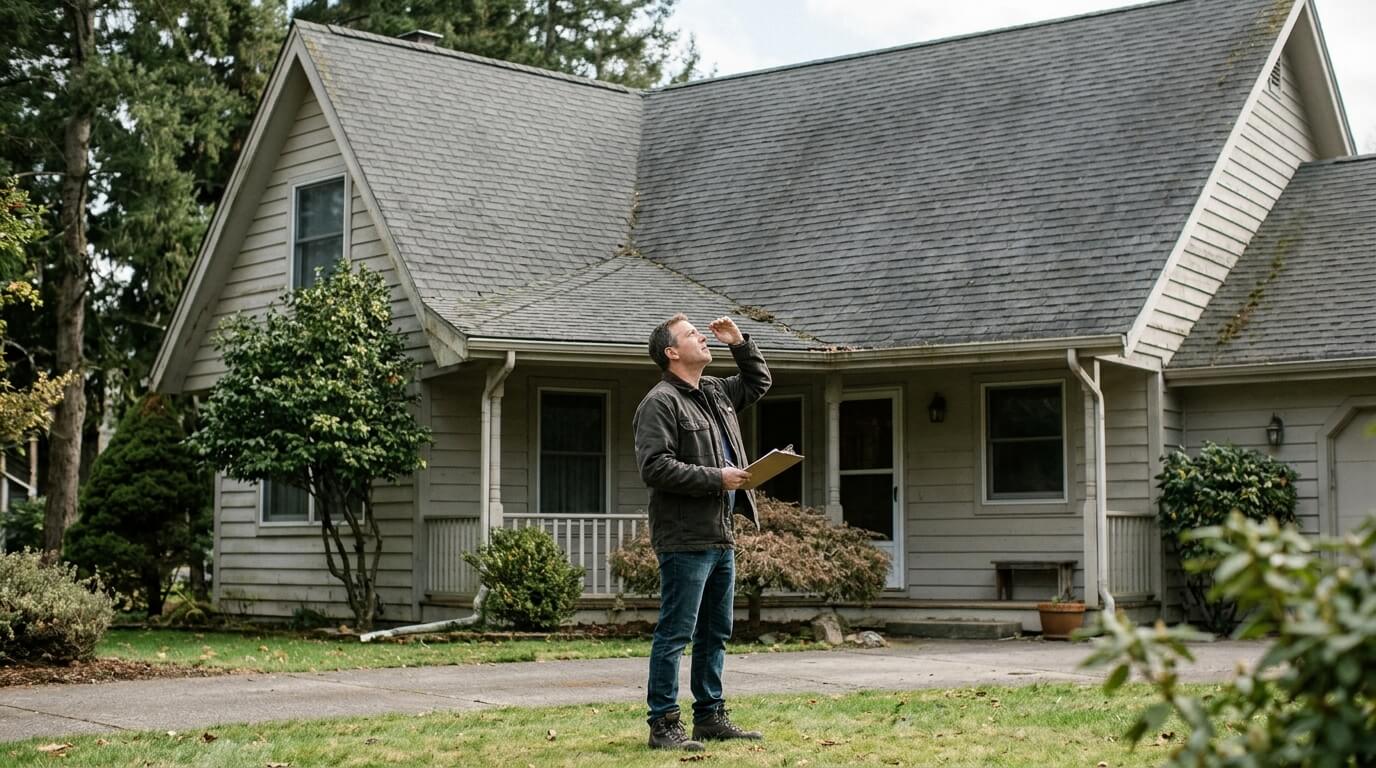
Knowing the signs you need a roof replacement can help you address roofing problems before they lead to more extensive structural damage. Although a small leak or a few damaged shingles may seem manageable, these issues can sometimes indicate deterioration beneath the visible roofing materials.
A roof protects the home from rain, wind, snow, and temperature changes. Its performance depends on several components working together, including shingles or other roofing materials, underlayment, flashing, decking, drainage, and attic ventilation. When one or more of these components begin to fail, homeowners may notice changes both outside and inside the property.
Not every roofing problem requires a complete replacement. The right decision depends on the roof’s age, the extent of the damage, the condition of the underlying structure, and whether previous repairs have resolved the original problem.
Signs It’s Time for a Complete Roof Replacement
Some warning signs are visible from the ground, while others become apparent inside the attic or during a professional inspection. Recognizing these indicators can help homeowners decide when to arrange a closer assessment.
Sagging Roof Sections and Structural Weakness
A roofline that appears uneven or begins to dip deserves prompt attention. Sagging may indicate weakened roof decking, deteriorated support members, prolonged moisture exposure, or excessive structural loads.
The problem should not be treated as a cosmetic defect. If the roof appears to be sagging, avoid walking beneath visibly unstable areas or entering an unsafe attic. Arrange a professional assessment to determine the cause and whether structural repairs or replacement are necessary.
Persistent Leaks, Rot, and Attic Moisture
Repeated leaks can allow water to reach roof sheathing, rafters, trusses, insulation, and other building materials. Over time, prolonged moisture exposure may cause wood decay, weaken structural components, and encourage mold growth.
Inside the attic, look for warning signs such as:
- Brown or yellow water stains on wood or nearby ceilings.
- Damp or compressed insulation.
- Musty odors or visible mold-like growth.
- Discoloration around roof penetrations, chimneys, or vents.
- Daylight visible through areas where the roof should be sealed.
Daylight around an intentional ventilation opening is not necessarily a problem, but unexpected openings or visible gaps in the roof covering need further investigation. Mold and moisture can also have causes unrelated to roof failure, so the source should be identified before repairs begin.
If water has already entered the home, a water damage emergency response plan for homeowners can help organize immediate safety measures, damage documentation, and next steps.
Granule Loss and Shingle Deterioration
Asphalt shingles contain protective granules that help shield the material from sunlight and weather. Some granule loss is normal as a roof ages, but heavy or widespread loss may indicate that the shingles are deteriorating.
Check for the following warning signs from a safe location:
- Excessive granule loss: Large amounts of granules collecting in gutters or near downspouts.
- Curling shingles: Shingle edges or corners lifting or turning upward.
- Cracked shingles: Splits or fractures that leave the roof more vulnerable to water.
- Missing shingles: Exposed areas where roofing material has come away.
- Widespread storm damage: Bruising, broken shingles, or damage associated with hail and strong winds.
A few damaged shingles may be repairable if the surrounding roof remains in good condition. However, widespread deterioration across several sections may indicate that the roofing system is approaching the end of its useful life.
Interior Water Stains and Damaged Ceilings
Water stains on ceilings and walls are often among the first signs homeowners notice. Discoloration, peeling paint, bubbling finishes, or soft drywall may indicate moisture entering through the roof or another part of the building envelope.
The location of a stain does not always identify the source of the leak. Water can travel along framing or other surfaces before appearing indoors, so the damaged area may be some distance from the actual opening.
A roof inspection should consider flashing, valleys, roof penetrations, underlayment, and nearby exterior components. Poor attic ventilation may also contribute to condensation, so it is important to distinguish between rainwater intrusion and moisture caused by indoor air or ventilation problems.
Address active leaks promptly. If ceilings are bulging, materials are falling, or water is near electrical fixtures, keep people away from the affected area and seek appropriate professional help.
Repair vs. Roof Replacement: How to Decide
Choosing between roof repair and complete replacement requires more than comparing the immediate price of each option. Homeowners should consider the extent of the damage, the condition of the remaining materials, the likelihood of recurring problems, and the expected service life of the roof.
When a Roof Repair May Be Enough
A targeted repair may be appropriate when:
- Damage is limited to a small, identifiable section.
- The surrounding shingles or roofing material remain in good condition.
- Flashing or a specific roof penetration needs correction.
- The roof deck and supporting structure are sound.
- The underlying cause can be fixed without replacing the entire system.
Repairs are more likely to provide lasting value when the rest of the roof remains serviceable and the source of the problem has been clearly identified.
When Replacement Is the Better Option
A complete replacement may be more practical when:
- Leaks continue to occur in multiple areas.
- Shingles are extensively cracked, curled, missing, or deteriorated.
- Previous repairs have failed to resolve recurring problems.
- The roof deck has widespread rot or structural damage.
- Several roofing components are deteriorating at the same time.
- The roof is nearing the end of its expected service life and needs increasingly frequent repairs.
A roof’s age can help guide the decision, but it should not be the only factor. Many asphalt shingle roofs last around 20 to 30 years, although actual service life varies with product quality, installation, ventilation, maintenance, and exposure to weather.
Before deciding, review what to check before roof replacement, including the inspection findings, material options, contractor estimates, and proposed scope of work.
When Roof Replacement Becomes Necessary
Some situations require more than routine maintenance. Widespread structural deterioration, repeated leaks, or extensive damage after a severe storm may make replacement the more reliable long-term solution.
A severe storm can damage even a relatively new roof. Strong winds may remove shingles, hail can damage roofing surfaces, and falling branches may compromise the decking or supporting structure. The decision to replace should be based on the actual extent of damage rather than the age of the roof alone.
If multiple sections are affected, ask a qualified roofing professional to assess the complete system. The evaluation should consider the visible covering, flashing, underlayment, decking, ventilation, and drainage. This helps determine whether repairs can restore the roof’s performance or whether replacement is needed.
Homeowners can also prepare their roof for severe weather by monitoring visible roof conditions from the ground, maintaining drainage, and arranging repairs before small problems become more serious.
Factors That Affect Roof Replacement Costs
The cost of a roof replacement depends on the size and design of the roof, the materials selected, labor requirements, and the amount of underlying damage. Even two homes with similar floor areas can have different roofing costs because roof pitch, access, valleys, chimneys, skylights, and other details affect the work involved.
Roofing Material Selection
Asphalt shingles are a common option, while metal, tile, and other roofing materials may offer different durability, appearance, weight, and maintenance characteristics. Each material has specific installation requirements, so homeowners should compare the complete system rather than the surface material alone.
Consider the expected service life, product warranty, maintenance needs, and suitability for the building. A higher initial price does not automatically mean a better choice for every property.
Labor and Underlying Repairs
Labor costs vary with the complexity of the project and the work required to remove and install roofing materials. If damaged decking, flashing, fascia, or other components need repair, the final cost may increase.
Ask contractors how they will handle unexpected damage discovered after the old roofing material is removed. The agreement should explain how additional work will be documented, approved, and priced before it proceeds.
Insurance and Warranty Considerations
Homeowners insurance may cover roof damage caused by a covered event, such as certain wind or hail damage. Coverage depends on the policy, exclusions, deductible, and circumstances of the loss. Ordinary deterioration and maintenance-related problems are commonly treated differently from sudden accidental damage.
Review the policy and contact the insurer before assuming that replacement costs will be reimbursed. Take photographs of visible damage from a safe location and keep inspection reports, estimates, receipts, and related communications.
Also compare manufacturer warranties with workmanship warranties. They cover different aspects of a project, and exclusions or maintenance requirements may apply. Ask for the terms in writing before approving the work.
Key Benefits of Replacing an Aging Roof
A properly planned roof replacement can improve the home’s protection and address problems that repeated repairs may not resolve.
Better Weather Protection
New roofing materials, correctly installed flashing, and suitable underlayment can help protect the home against rain, wind, and other weather conditions. The overall result depends on installation quality and how well the components work together.
Improved Moisture Management
Replacing deteriorated materials can help address entry points that have allowed water into the roof assembly. Any existing rot or moisture damage should also be assessed and corrected rather than concealed beneath new roofing materials.
More Consistent Indoor Comfort
A roof replacement may provide an opportunity to address attic insulation, ventilation, and air leakage. These improvements can support more consistent indoor temperatures, but the benefits depend on the home’s existing condition and the quality of the work.
A new roof by itself does not guarantee lower energy bills. Insulation levels, air sealing, windows, heating and cooling equipment, and household energy use also affect energy performance.
Improved Appearance and Property Appeal
Damaged or visibly aged roofing can affect the overall appearance of a home. Choosing a suitable roofing material and color can improve the exterior’s visual consistency and may help maintain the property’s appeal.
An Opportunity to Review Other Exterior Components
Roofing work can reveal issues around gutters, fascia, soffits, siding, and other connections. Coordinating necessary repairs may help homeowners avoid overlooking components that influence drainage and weather protection. For related exterior work, homeowners may also review expert roofing solutions.
How to Prepare for a Roof Replacement
Preparation helps protect belongings and makes it easier to coordinate with the roofing contractor.
Clear the Work Area
Move vehicles away from the work zone and relocate patio furniture, grills, planters, and other items that could be affected by falling debris. Ask the contractor which areas need to remain clear throughout the project.
Protect delicate landscaping where practical, and confirm how debris will be collected and removed.
Protect Attic and Interior Belongings
Roof removal can create dust and vibrations. If the attic is used for storage, cover or relocate fragile belongings where possible. Remove valuable items from areas directly beneath the work zone if the contractor recommends doing so.
Confirm the Project Details
Before work begins, make sure you understand the proposed start date, estimated duration, payment schedule, cleanup process, and procedure for approving additional repairs. Confirm who is responsible for permits and required inspections.
Ask how weather delays will be handled and how the contractor will communicate changes to the schedule.
Plan for Noise and Access
Roof replacement can be noisy, and access around the property may be temporarily restricted. Make arrangements for pets, children, or household members who may be sensitive to noise. Keep away from ladders, tools, discarded materials, and areas marked off by the work crew.
Frequently Asked Questions
How long does an asphalt shingle roof typically last?
Many asphalt shingle roofs last approximately 20 to 30 years, but some may last longer or deteriorate sooner. Product quality, installation, ventilation, maintenance, and weather exposure all affect lifespan. Follow the manufacturer’s guidance and arrange an inspection when warning signs appear.
Does homeowners insurance cover a new roof?
Insurance may cover roof replacement when damage results from a covered event, subject to the policy’s terms, deductible, and exclusions. Normal aging, wear, and neglected maintenance may not be covered. Contact your insurer and review the policy before making assumptions about reimbursement.
How can I tell whether a roof leak requires replacement?
A leak alone does not necessarily mean the entire roof must be replaced. The important questions are what caused the leak, how widespread the damage is, and whether the surrounding roofing system remains in good condition. Recurring leaks, widespread deterioration, and damaged decking may indicate a larger problem that requires a professional assessment.
Can a new roof improve energy efficiency?
It can contribute to better energy performance when replacement work also addresses relevant insulation, ventilation, and air leakage issues. However, the roofing material alone does not determine household energy use. The home’s insulation, windows, heating and cooling systems, and overall airtightness also matter.
What should I check before hiring a roofing contractor?
Request a detailed written estimate, confirm the contractor’s applicable licensing and insurance, review the proposed materials and installation scope, and ask about permits, cleanup, payment terms, and warranties. Compare proposals based on the work included rather than price alone.
How should I prepare my home before roofing work begins?
Clear vehicles and outdoor belongings from the work area, protect fragile attic items, and ask the contractor about landscaping protection and access restrictions. Confirm the schedule, cleanup plan, and procedure for handling unexpected damage before work starts.
Conclusion
Knowing the signs you need a roof replacement helps you respond to roofing problems before they lead to more extensive damage. Sagging roof sections, recurring leaks, widespread shingle deterioration, damaged decking, and persistent moisture are all reasons to arrange a closer inspection.
A complete replacement is not always necessary, but repeated repairs may not provide lasting value when the underlying roof system is deteriorating. Review the roof’s condition, compare written estimates, understand the material and warranty options, and make sure any structural or moisture-related damage is addressed.
If you notice warning signs, arrange a professional assessment and use the findings to decide whether repair or replacement is the more appropriate option. Taking a measured, evidence-based approach can help protect your home and make a major roofing project easier to plan.

