
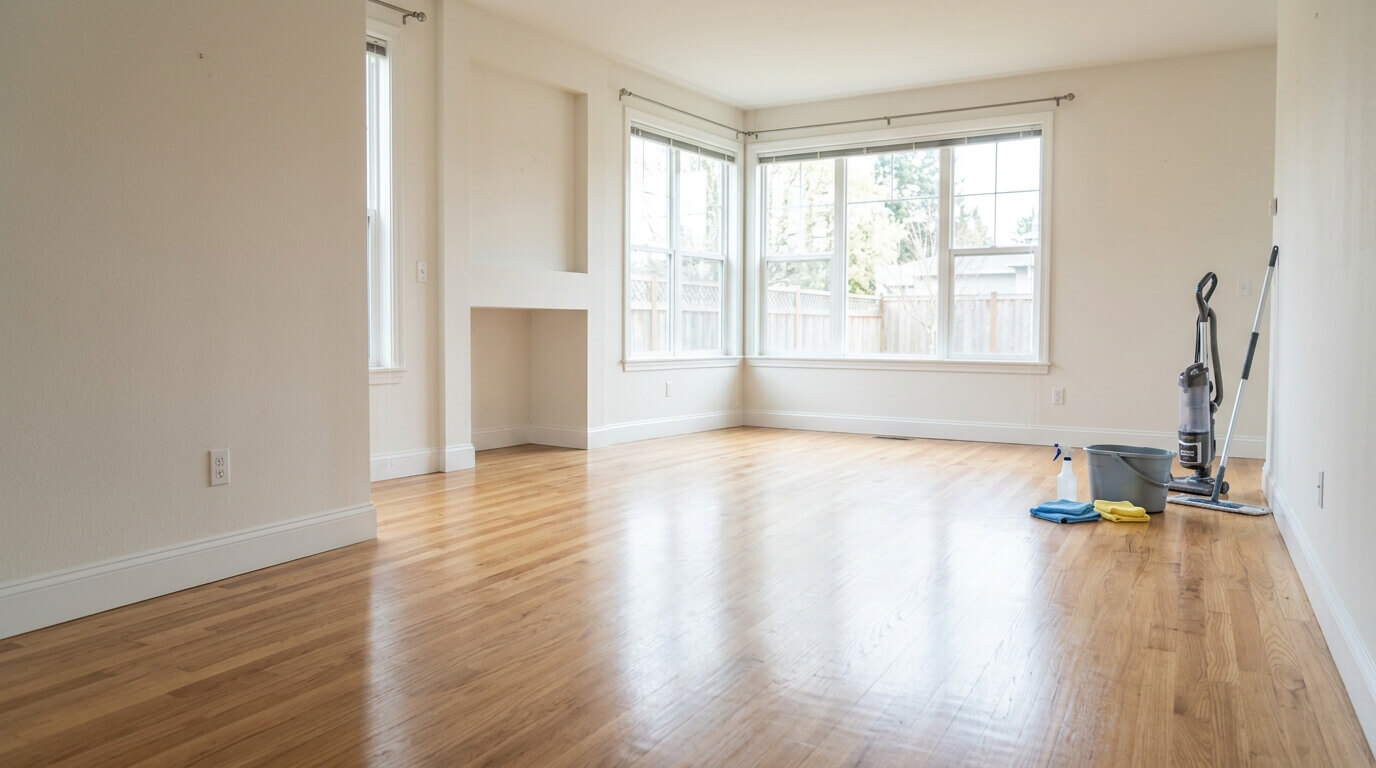
Knowing how to deep clean your rental home before moving out can make the final inspection easier and help reduce the risk of avoidable disputes over your rental bond. Moving involves packing, transport, paperwork, and several expenses, so having a clear cleaning plan can make the last few days of a tenancy more manageable.
The amount of cleaning required depends on the property’s condition, the terms of the tenancy agreement, and the condition in which the home was provided. Rather than cleaning every surface without a plan, focus on kitchens, bathrooms, floors, windows, and other areas that can accumulate dirt during everyday use.
Professional cleaning may be useful for stubborn stains or heavily soiled carpets, but it is not automatically necessary for every rental. Before paying for additional services, review your lease and understand the cleaning obligations that apply to your situation.
If you are budgeting for a specialist service, you may also want to consider How much does professional carpet cleaning cost in Sydney? Comparing the potential cost with the actual condition of your carpets can help you decide whether professional treatment is worthwhile.
Understanding Your Cleaning Obligations
Before you start cleaning, check your tenancy agreement, entry condition report, and any relevant inspection notes. These documents can help establish the property’s original condition and clarify which issues need attention before you return the keys.
One important distinction is the difference between ordinary wear and tear and damage or dirt caused during the tenancy. Normal deterioration from everyday use is generally treated differently from neglected cleaning, significant staining, or damage beyond fair wear and tear.
For example, minor changes associated with normal use may not justify a bond deduction, while grease left on kitchen surfaces, accumulated grime, or avoidable carpet stains may require attention. The circumstances and applicable tenancy rules determine whether a proposed deduction is justified.
Professional cleaning requirements also depend on the relevant tenancy laws and any valid conditions in the agreement. In New South Wales, landlords generally cannot impose a blanket requirement for professional carpet cleaning or fumigation at the end of every tenancy. Specific conditions can apply when a landlord has consented to an indoor pet and the relevant cleaning requirement is reasonable for the animal and property.
Before booking a service, review the applicable rules and ask the property manager to explain any disputed requirement in writing. Keeping receipts, photographs, and copies of relevant correspondence can help you document the condition of the property.
The Room-by-Room Move-Out Checklist
A room-by-room cleaning plan makes the process easier to manage and reduces the likelihood of overlooking less visible areas. If possible, clean after furniture and personal belongings have been removed so that floors, corners, and surfaces are easier to reach.
Kitchen Areas
Kitchens often require extra attention because cooking creates grease, food residue, and stains.
- Clean the oven, stovetop, and range hood, following the appliance manufacturer’s instructions.
- Wipe the inside and outside of cupboards and drawers.
- Clean countertops, splashbacks, sinks, taps, and handles.
- Empty the refrigerator and wipe its shelves and drawers if it is part of the rental.
- Remove crumbs and debris from accessible areas behind movable appliances.
- Clean the floor and remove any remaining rubbish.
Avoid using abrasive products on delicate finishes. Test cleaning solutions on an inconspicuous area first, especially when working with painted surfaces, natural stone, or coated appliances.
Bathrooms and Laundries
Bathrooms can develop soap scum, mineral deposits, and mould where moisture is not adequately controlled.
- Clean shower screens, bathtubs, tiles, and shower fittings.
- Remove soap residue from taps and other fixtures.
- Clean the toilet thoroughly, including the base and surrounding floor.
- Wipe mirrors, counters, shelves, and vanity cupboards.
- Remove visible dirt from exhaust fan covers and accessible vents.
- Clean laundry sinks and the exterior of appliances included with the property.
- Mop the floor and check corners for accumulated hair or dust.
Use suitable products for each surface and never mix bleach with ammonia, acidic cleaners, or other incompatible cleaning chemicals. If mould keeps returning or appears to result from a leak, document the issue and notify the property manager rather than treating it as an ordinary cleaning task.
Living Spaces and Bedrooms
Dust and marks can be easy to miss when most of your attention is on kitchens and bathrooms.
- Dust skirting boards, shelves, light fittings, and accessible ledges.
- Wipe window sills and clean accessible window glass.
- Clean blinds according to their material and manufacturer’s guidance.
- Remove cobwebs from corners and ceilings where safely accessible.
- Check walls and doors for scuff marks and clean them gently where appropriate.
- Clean wardrobes, drawers, and cupboards after removing personal belongings.
- Vacuum carpets and clean hard floors using suitable products.
Before washing painted walls, test a small hidden area. Strong cleaners and excessive scrubbing can damage paint, so use a mild method appropriate to the finish.
Floors and Carpets
Start by removing loose dirt and debris before using a mop or carpet-cleaning product. Vacuum carpeted rooms thoroughly, paying attention to edges and accessible areas beneath furniture.
For hard floors, use a cleaner suitable for the material. Excess moisture can damage timber and some laminate flooring, so avoid soaking these surfaces.
If carpets have persistent stains, strong odours, or visible damage, determine whether ordinary cleaning is sufficient. Professional treatment may be worth considering when the condition of the carpet, a valid tenancy requirement, or the nature of the stain makes it necessary.
As you remove furniture and boxes, take care not to scratch flooring or mark doorways. This guide on how to protect your home interior during a move covers practical ways to reduce damage while moving household items.
Outdoor Areas and Fixtures
If your tenancy includes a balcony, patio, courtyard, or garden, check whether these areas need attention under your agreement.
- Sweep balconies, patios, and entryways.
- Remove rubbish and personal belongings.
- Clear leaves and loose debris from accessible outdoor areas.
- Remove visible cobwebs from accessible exterior fixtures.
- Tidy garden beds or lawn areas where maintaining them is your responsibility.
- Return any supplied outdoor equipment to its appropriate place.
Do not climb onto unsafe surfaces or attempt hazardous exterior cleaning without suitable equipment. Focus on reasonable cleaning and maintenance tasks that fall within your tenancy responsibilities.
Setting Yourself Up for Future Rental Success
A properly documented move-out can help you manage the transition to your next home. Along with completing the cleaning, keep your inspection records, photographs, receipts, and communications with the property manager in one place.
Take clear photographs of the main rooms after cleaning and before returning the keys. Include close-up images of any existing marks or damage that you have already documented, so the property’s condition is recorded accurately.
If a disagreement arises over the rental bond, refer to your entry condition report, relevant photographs, tenancy agreement, and applicable local rules. A proposed deduction should be assessed on its merits rather than assumed to be valid simply because the property manager requests it.
It is also useful to prepare for the practical tasks involved in moving into your next property. This checklist of what to do after moving into a new home can help you organize important documents, household bills, and other administrative tasks.
In New South Wales, eligible renters may be able to use the Smart Rental Bonds scheme to transfer an existing rental bond to a new tenancy. Eligibility and the relevant process should be checked before making moving arrangements.
Ultimately, a well-planned move-out clean is about leaving the property in the condition required by your tenancy agreement and the applicable law. Work through each room, address visible dirt, document the final condition, and clarify any uncertain requirements before spending money on additional services. These steps can make the final inspection more straightforward and help you move forward with a clear record of your tenancy.

