
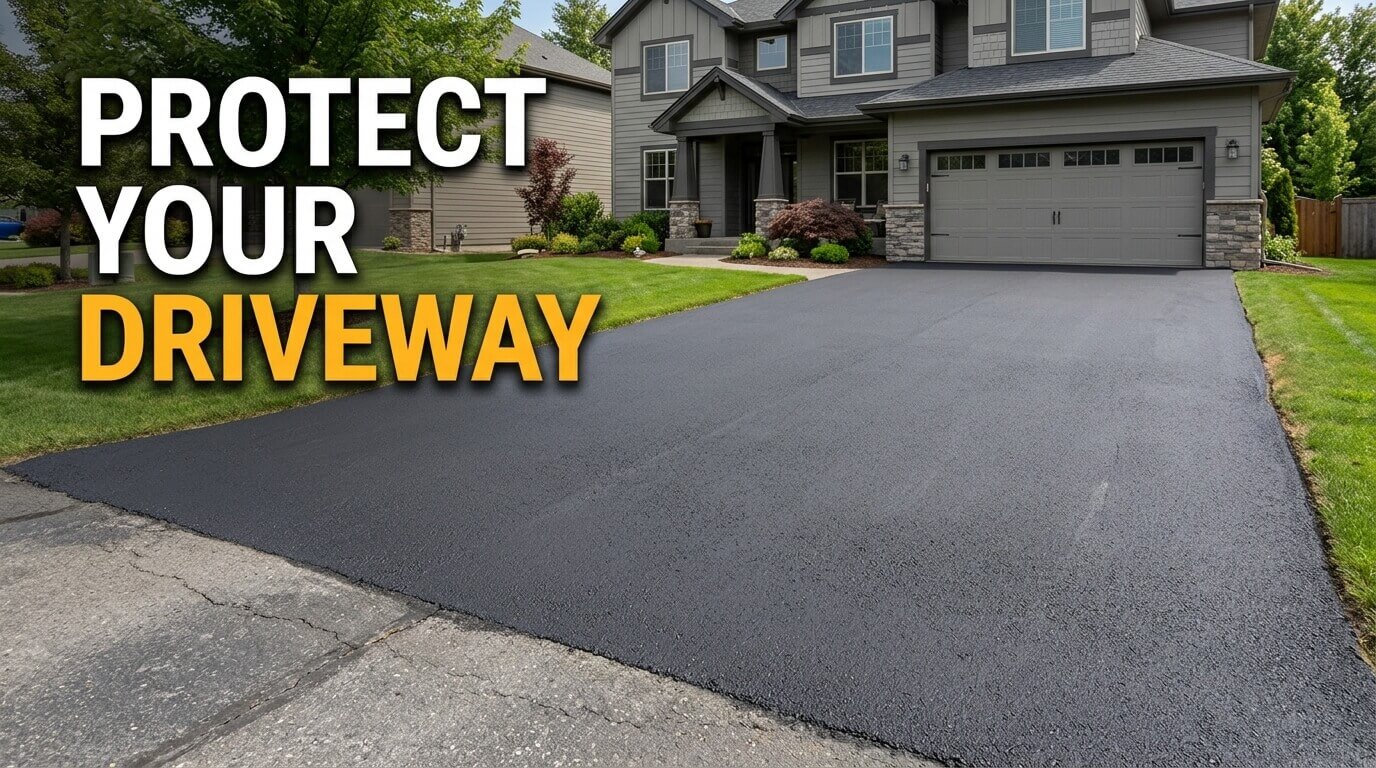
An asphalt driveway can develop cracks, faded patches, potholes, and drainage problems as it ages. Regular asphalt driveway maintenance helps protect the surface, identify small issues before they become serious, and keep the entrance to your home looking neat. Homeowners planning broader exterior upgrades can also explore home exterior improvements that enhance curb appeal. The most effective approach combines routine cleaning, timely crack repairs, proper drainage, and suitable surface protection.
Not every driveway needs the same treatment. A newer driveway may need little more than cleaning and occasional inspections, while an older surface with widespread cracking or sinking may require professional repairs. Understanding the difference helps you choose the right maintenance instead of spending money on treatments that cannot solve the underlying problem.
Why Asphalt Driveways Deteriorate
Asphalt is made from aggregates bound together with a bituminous binder. Although it provides a durable driving surface, exposure to sunlight, moisture, temperature changes, vehicle traffic, and leaking automotive fluids gradually affects its condition.
One of the main concerns is water entering cracks and reaching the material beneath the pavement. If the underlying base becomes weakened, the surface may settle, break apart, or develop potholes. Freezing and thawing can make existing damage worse in colder climates.
Several warning signs deserve attention:
- Fading and graying: The surface is aging through exposure to sunlight and oxygen.
- Small cracks: Water and debris can enter openings and contribute to further deterioration.
- Potholes: Damaged asphalt and weakened support beneath the surface may create holes.
- Standing water: Low spots or poor drainage can indicate a grading or structural problem.
- Loose aggregate: Stones separating from the surface may signal deterioration.
- Depressions and sinking: Settlement can indicate problems beneath the asphalt rather than a simple surface defect.
For a better understanding of repair options, consult this technical guidance on asphalt pavement maintenance and repairs.
How to Maintain an Asphalt Driveway Step by Step

A practical maintenance routine starts with inspection and cleaning. Repairs and protective treatments should follow only after you understand the condition of the pavement.
1. Inspect the Surface Regularly
Walk over the driveway and examine it for cracks, uneven areas, potholes, loose stones, and discoloration. Pay particular attention to places where water collects, where vehicles turn, and near the edges of the pavement.
Inspect the surface after heavy rain or periods of extreme temperatures, especially if the driveway already has visible damage. Take photographs of problem areas so you can compare their condition over time and determine whether deterioration is progressing.
2. Remove Dirt, Leaves, and Debris
Sweep the driveway regularly to remove leaves, soil, small stones, and other debris. Organic material can retain moisture, while accumulated dirt can conceal small cracks and make inspections more difficult.
For stubborn dirt, use a suitable cleaning method that will not damage the surface. Clean up oil and automotive-fluid spills promptly with an appropriate absorbent material and follow the product’s safety instructions. Avoid allowing contaminated cleaning water to flow into storm drains or landscaped areas.
3. Repair Suitable Cracks Early
Small, isolated cracks are generally easier to address than extensive cracking accompanied by surface breakup. Before repairing a crack, remove loose debris and ensure the area meets the preparation and moisture requirements of the chosen repair material.
Crack sealing and crack filling are not identical. The appropriate treatment depends on crack movement, width, pavement condition, and the material being used. Extensive interconnected cracks, sinking, or crumbling edges may require patching or reconstruction instead of a simple filler.
4. Check Drainage Around the Driveway
Water should drain away from the home without collecting in depressions or running toward the foundation. Check nearby downspouts, gutters, landscape borders, and other features that may direct water onto the pavement.
If water repeatedly pools in the same location, identify the cause rather than covering the area with sealant. Changes to grading, drainage arrangements, or the pavement base may be necessary, depending on the problem.
5. Consider Protective Sealcoating When Appropriate
Sealcoating applies a protective layer over the asphalt surface. It can improve appearance and help reduce the effects of weathering and certain surface contaminants, but it does not restore a failed base or repair substantial structural damage.
Follow the product manufacturer’s instructions and seek professional advice about suitable timing. Existing cracks, potholes, and drainage issues should be evaluated before the coating is applied.
Asphalt Driveway Repairs Compared With Sealcoating
Choosing the right treatment is more important than applying the most visible or convenient product. Different maintenance methods address different types of deterioration.
| Maintenance method | Best suited for | Important limitation |
|---|---|---|
| Routine cleaning | Dirt, leaves, and surface debris | Does not repair pavement damage |
| Crack filling | Suitable isolated cracks | May not accommodate significant movement |
| Crack sealing | Appropriate cracks that need a flexible seal | Requires correct preparation and material selection |
| Patching | Localized potholes and failed sections | Does not necessarily correct widespread base problems |
| Sealcoating | Suitable, structurally sound asphalt | Cannot repair potholes or structural failure |
| Resurfacing | Some pavements with surface deterioration | Requires assessment of the existing pavement and base |
| Reconstruction | Extensive structural failure or severe settlement | Usually involves more extensive work |
When Should You Sealcoat an Asphalt Driveway?
Sealcoating is most useful when the existing asphalt is in suitable condition and the surface needs protection against aging and everyday exposure. It is not a universal requirement for every driveway, and applying it too frequently or over an unsuitable surface can waste money without addressing the actual problem.
Signs That Sealcoating May Be Appropriate
Consider professional evaluation when the asphalt has become faded, shows general surface aging, or needs a protective treatment but remains structurally sound. The surface should be properly prepared, and any necessary repairs should be completed before applying the coating.
New asphalt also needs time to cure and stabilize before sealcoating. The appropriate waiting period depends on the pavement, weather, materials, and product guidance, so avoid relying on a single schedule for every installation.
Conditions That Can Affect Application
Temperature, humidity, rain, surface moisture, and the product’s drying requirements affect application and curing. Applying sealcoat under unsuitable conditions can lead to poor adhesion, uneven coverage, or delayed curing.
Keep vehicles and pedestrians off the treated surface for the period specified by the installer or manufacturer. Do not assume that a surface is ready for traffic simply because it looks dry.
How Weather and Drainage Affect Driveway Lifespan
Weather affects asphalt differently depending on the local climate and how well the pavement was constructed. Sunlight and oxygen gradually age the binder, while repeated wetting and drying can contribute to deterioration. In colder regions, water entering cracks may freeze and expand, placing additional stress on the pavement.
Drainage is especially important because even well-installed asphalt can deteriorate prematurely when water repeatedly reaches a weak base or remains trapped in low spots. Keep gutters clear, maintain functioning downspouts, and avoid directing roof runoff across the driveway.
If the surface is sinking near the garage, water is flowing toward the house, or large puddles persist after rain, arrange an assessment. Cosmetic treatments alone are unlikely to solve a grading or foundation-related drainage problem.
Common Asphalt Driveway Maintenance Mistakes
Some maintenance practices can make an existing problem harder to diagnose or more expensive to correct. Avoid these common mistakes when caring for your driveway.
- Covering every crack with sealcoat: Surface coating is not a substitute for suitable crack repair.
- Ignoring spreading damage: Interconnected cracks, loose aggregate, and repeated potholes may indicate deeper deterioration.
- Applying products to a wet surface: Moisture can interfere with adhesion and curing.
- Using unsuitable chemicals: Certain solvents and petroleum-based products can damage asphalt or contaminate surrounding areas.
- Ignoring standing water: Persistent pooling should be investigated rather than hidden.
- Resurfacing without checking the base: A new surface may fail prematurely if underlying structural issues remain.
- Using excessive pressure or aggressive tools: Inappropriate cleaning methods can damage weakened pavement.
For technical information about pavement repair methods, review the federal pavement repair resources. The appropriate approach depends on the damage, existing pavement structure, and site conditions.
When to Hire an Asphalt Paving Professional
Homeowners can usually handle basic sweeping and visual inspections, but significant repairs require a more careful assessment. A paving professional can help determine whether a damaged area needs crack treatment, patching, resurfacing, or full-depth reconstruction.
Consider getting a professional assessment if you notice:
- Large or interconnected cracks across several areas.
- Repeated potholes despite previous repairs.
- Soft or sinking sections of pavement.
- Standing water that does not drain properly.
- Crumbling edges or widespread loss of surface material.
- Damage that continues returning after patching.
When comparing contractors, request a written estimate that identifies the preparation work, materials, repair method, drainage considerations, and any exclusions. Ask how the proposed treatment addresses the cause of the damage, not just its appearance.
If the project involves a driveway in Michigan, you can explore a Michigan Asphalt Paving Company as a starting point for researching paving services. Compare the proposed scope of work, relevant experience, written terms, and recommendations for your particular pavement before making a decision.
Frequently Asked Questions
How often should an asphalt driveway be inspected?
Inspect the driveway periodically throughout the year and after severe weather if damage is a concern. More frequent checks are useful when cracks, drainage issues, or previous repairs are already present.
How often should an asphalt driveway be sealcoated?
There is no single schedule suitable for every driveway. The right interval depends on surface condition, traffic, climate, product recommendations, and the quality of the previous application.
Can I repair asphalt driveway cracks myself?
Some small, isolated cracks may be suitable for homeowner repair using an appropriate product and correct preparation. Extensive cracking, unstable pavement, and cracks associated with sinking or recurring potholes should be assessed professionally.
Does sealcoating repair potholes?
No. Sealcoating is a surface treatment intended to protect suitable asphalt and improve its appearance. Potholes need an appropriate repair, and underlying structural or drainage problems may also need attention.
What causes an asphalt driveway to crack?
Common causes include aging, temperature changes, water infiltration, traffic loads, and movement or weakness in the supporting base. Identifying the underlying cause helps determine whether filling, sealing, patching, or reconstruction is appropriate.
Is resurfacing better than replacing a driveway?
Resurfacing can be suitable when the existing pavement and base remain sufficiently stable. Replacement may be necessary when structural damage, extensive settlement, or base failure makes a new surface layer an unreliable solution.
Can heavy rain damage an asphalt driveway?
Heavy rain can worsen existing weaknesses when water enters cracks or accumulates in poorly drained areas. Keeping drainage clear and addressing suitable cracks early can help reduce the risk of further deterioration.
What should I ask an asphalt paving contractor?
Ask for a written scope of work, details about surface preparation, repair materials, drainage, and the reason for the recommended treatment. Clarify the expected curing period, access restrictions, warranty terms, and any additional costs before approving the project.
Conclusion
Effective asphalt driveway maintenance starts with regular inspections, proper cleaning, timely crack treatment, and good drainage. Sealcoating can help protect a suitable surface, but it cannot correct structural damage or replace repairs that address the underlying cause.
Examine your driveway before choosing a treatment, and seek professional advice when you notice widespread cracking, sinking, or recurring potholes. A clear assessment and an appropriate repair plan can help you maintain a safer, more attractive driveway while avoiding unnecessary work.

