
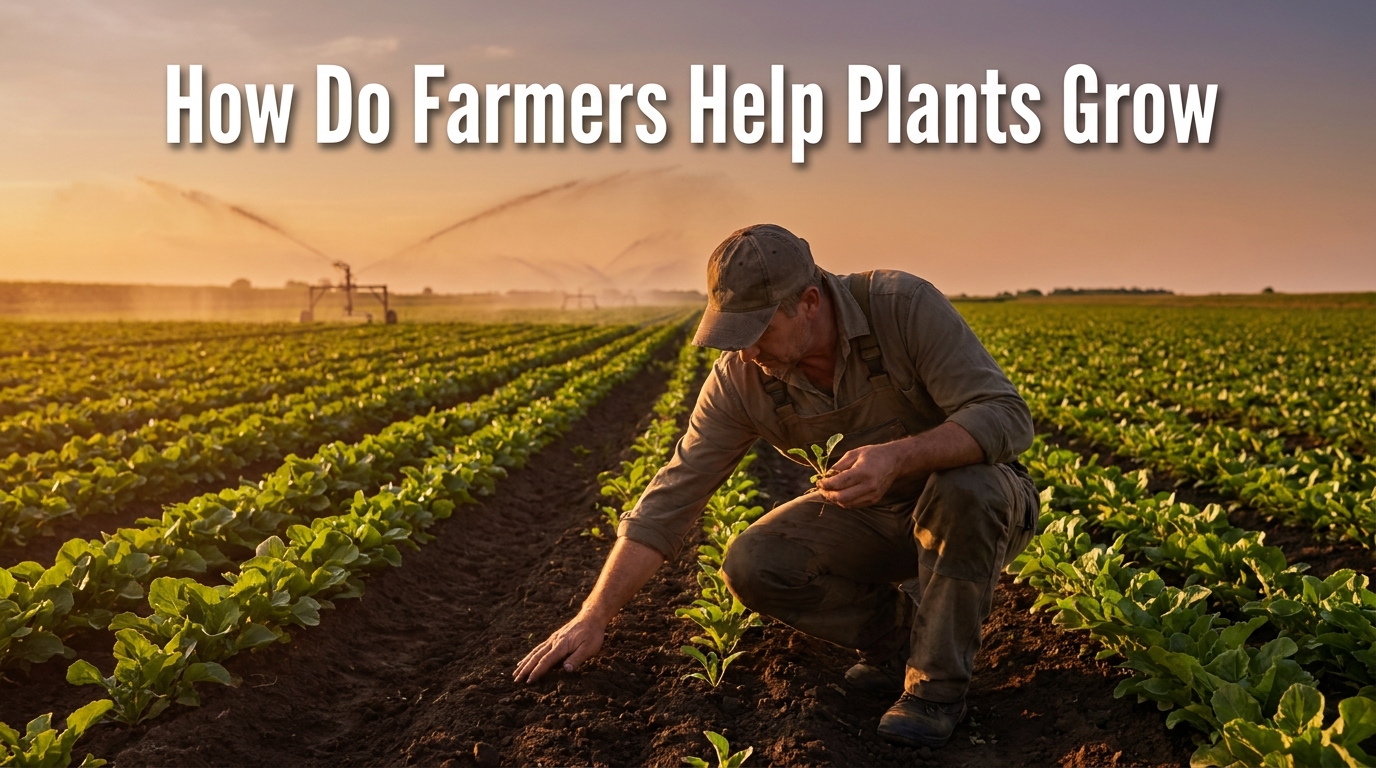
Most people think farming is simple — you throw seeds in the ground and wait. But the truth is, farmers are part scientist, part engineer, part environmentalist, and part artist. Every plant that makes it from a tiny seed to a full-grown crop does so because a farmer made dozens of critical decisions along the way.
So, how exactly do farmers help plants grow? Let’s break it down — from the first shovel in the ground to the final harvest.
1. Preparing the Soil: The Foundation of Every Healthy Plant
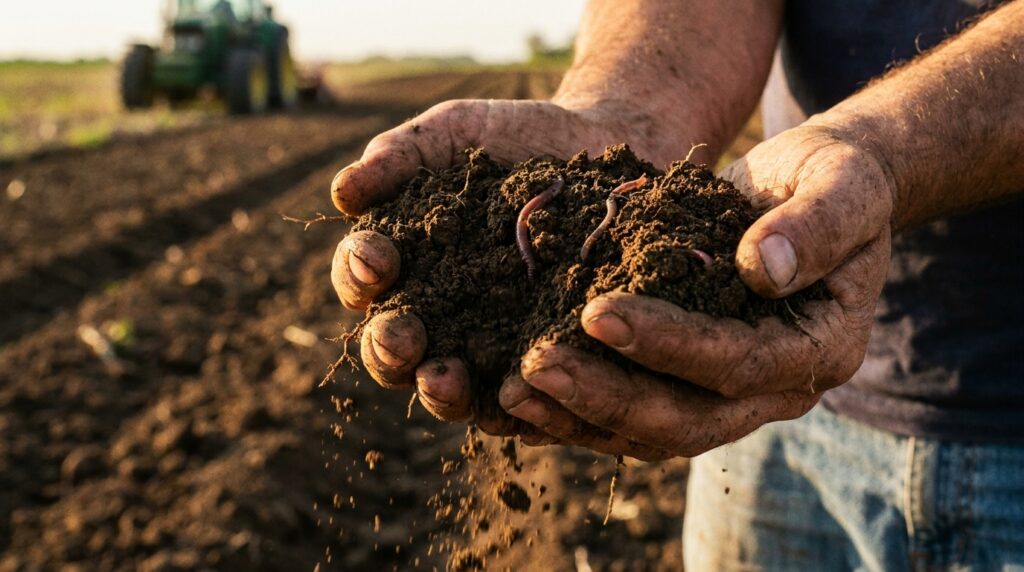
Before a single seed ever touches the ground, farmers spend a significant amount of time and energy preparing the soil. Healthy soil isn’t just dirt — it’s a living, breathing ecosystem packed with billions of microorganisms that help plants absorb nutrients.
What Does Soil Preparation Involve?
Farmers begin by testing their soil. A soil test tells them the pH level, nutrient content, and organic matter percentage. Based on those results, they’ll adjust the soil to match what their specific crops need.
Here’s what soil prep typically includes:
- Tilling: Loosening the soil to improve aeration and water drainage
- pH Adjustment: Adding lime to raise pH or sulfur to lower it
- Adding Organic Matter: Incorporating compost or aged manure to improve soil structure
- Breaking Up Compaction: Using subsoilers or rippers to let roots grow deeper
The USDA’s Natural Resources Conservation Service (NRCS) notes that healthy soil is one of the most important factors in sustainable crop production. Without good soil, even the best seeds can’t reach their full potential.
Why Soil Health Matters So Much
Think of soil as the stomach of a plant. Just like a human needs a healthy gut to absorb nutrients, plants need healthy soil to feed themselves. Compacted, acidic, or nutrient-depleted soil is like trying to grow a garden in concrete.
Farmers who invest in soil health see better yields, fewer pest problems, and plants that are naturally more resilient to drought and disease.
2. Planting Seeds the Right Way
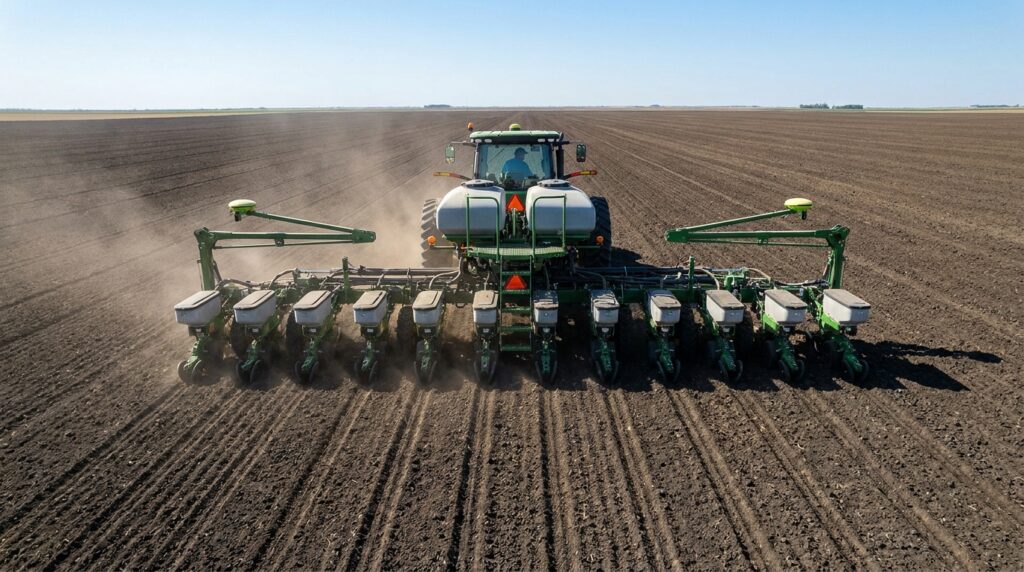
Planting sounds straightforward, but there’s real science behind getting it right.
Seed Selection
Farmers don’t just grab any bag of seeds. They carefully select varieties based on:
- Climate compatibility — Does this seed variety thrive in local temperatures?
- Disease resistance — Is it resistant to common local pests or fungal diseases?
- Yield potential — Will it produce enough to justify the cost?
- Market demand — Will buyers want this specific variety?
Organizations like Cornell University’s College of Agriculture conduct extensive plant breeding research to help farmers access better seed varieties each season.
Planting Depth and Spacing
Every crop has its own requirements. Corn seeds are planted about 1.5–2 inches deep, while lettuce seeds are barely covered. Too deep and they can’t push through the soil. Too shallow and they dry out before they germinate.
Spacing matters too. Plants that are too close together compete for sunlight, water, and nutrients — stunting each other’s growth.
Timing the Planting Season
Farmers use a combination of historical weather data, soil temperature readings, and sometimes satellite tools to figure out the best planting dates. The Old Farmer’s Almanac planting calendars are still used widely, alongside modern weather forecasting apps.
Planting too early in cold soil can kill seeds or slow germination dramatically. Planting too late can mean the crop doesn’t mature before the first frost.
3. Providing Water: Irrigation Systems and Smart Water Management
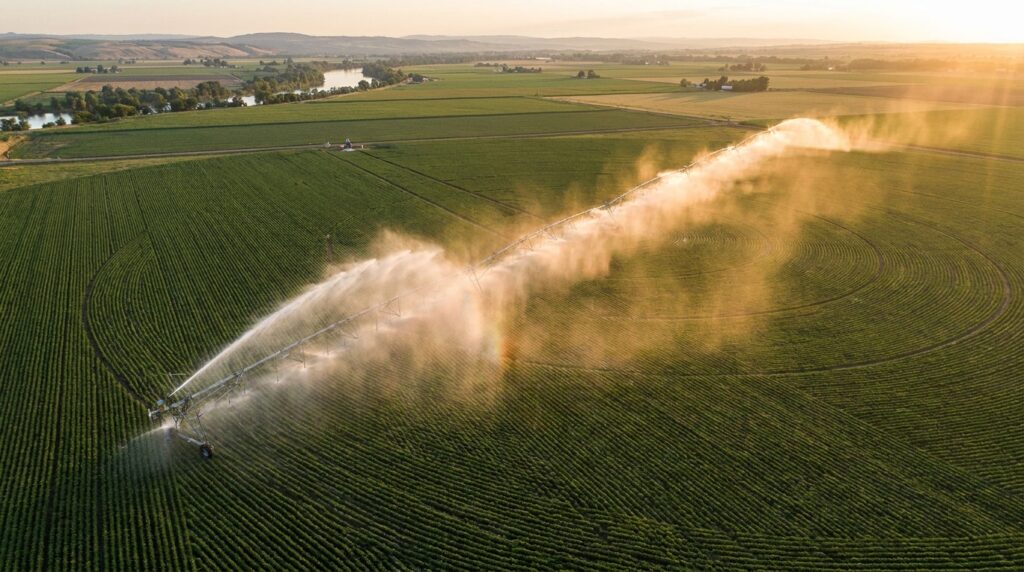
Water is life — and for farmers, managing water is one of the most complex and critical parts of helping plants grow.
Types of Irrigation Systems Farmers Use
| Irrigation Type | Best For | Water Efficiency |
|---|---|---|
| Drip Irrigation | Vegetables, orchards | Very High (up to 95%) |
| Center Pivot | Large grain crops (corn, wheat) | High (80–90%) |
| Sprinkler Systems | Field crops, turf | Moderate (70–80%) |
| Flood/Furrow | Rice, some vegetables | Lower (40–70%) |
Drip irrigation, in particular, has transformed how efficiently water is used on farms. Instead of flooding entire fields, drip systems deliver water directly to the root zone of each plant — cutting water use dramatically while improving plant health.
How Much Water Do Plants Actually Need?
That depends on the crop, the climate, and the growth stage. For example:
- Corn at peak growth needs about 1–1.5 inches of water per week
- Tomatoes need consistent moisture but hate being waterlogged
- Wheat is drought-tolerant and can manage on less
Farmers use tools like soil moisture sensors and evapotranspiration (ET) data from the USDA to figure out exactly when and how much to irrigate. Over-watering wastes resources and can cause root rot; under-watering stresses the plant and reduces yield.
Water Conservation Practices
Many modern farmers use conservation tillage and cover crops to retain soil moisture, reducing their reliance on irrigation. Mulching around plants is another technique — it acts like a blanket, keeping moisture in the soil longer.
4. Fertilizing Crops: Feeding Plants What They Need
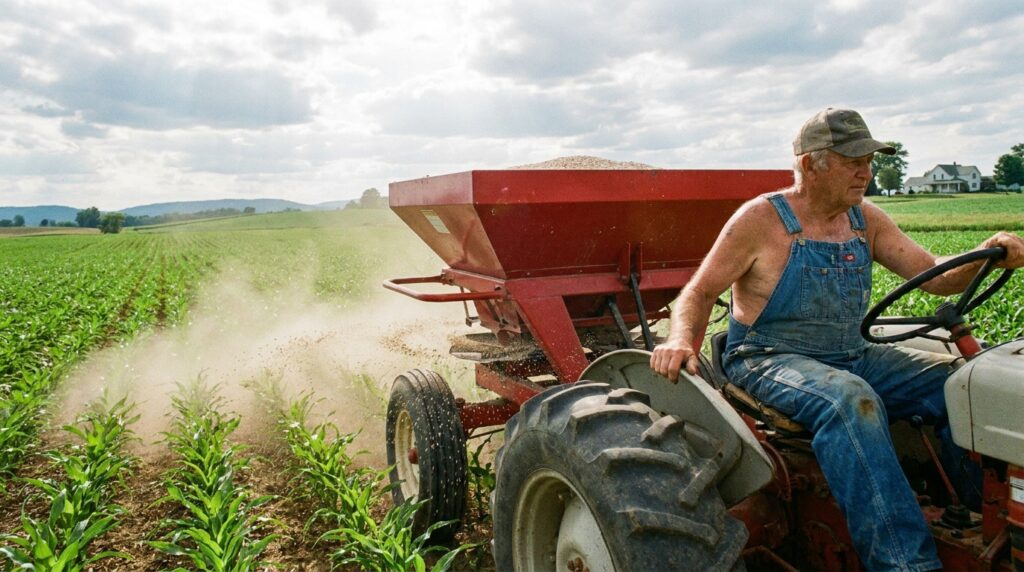
Plants need nutrients to grow. While some nutrients come from the soil naturally, most crops need a little help — especially after the same land has been farmed for years.
The Big Three: NPK
Every bag of fertilizer has three numbers on it — and those numbers represent the three main nutrients plants need:
- N = Nitrogen — Promotes leafy, green growth and chlorophyll production
- P = Phosphorus — Supports root development and flower/fruit formation
- K = Potassium — Strengthens the plant’s overall structure and disease resistance
The University of Minnesota Extension has done extensive research on how farmers can apply fertilizers more precisely to avoid waste and environmental runoff.
Organic vs. Synthetic Fertilizers
Farmers choose between:
Organic fertilizers (compost, manure, bone meal):
- Slow-release nutrients
- Improve soil biology over time
- Better for long-term soil health
Synthetic fertilizers (manufactured NPK blends):
- Fast-acting and precise
- Higher yield in the short term
- Risk of leaching into waterways if overused
Many modern farmers use an integrated approach — building long-term soil fertility with organic matter while using targeted synthetic applications only when soil tests show specific deficiencies.
Precision Fertilization
Advanced farms now use variable rate technology (VRT) — GPS-guided machines that apply different amounts of fertilizer to different parts of a field based on detailed soil maps. This reduces cost and environmental impact while maximizing plant nutrition exactly where it’s needed.
5. Controlling Weeds: Protecting Plants from Competition
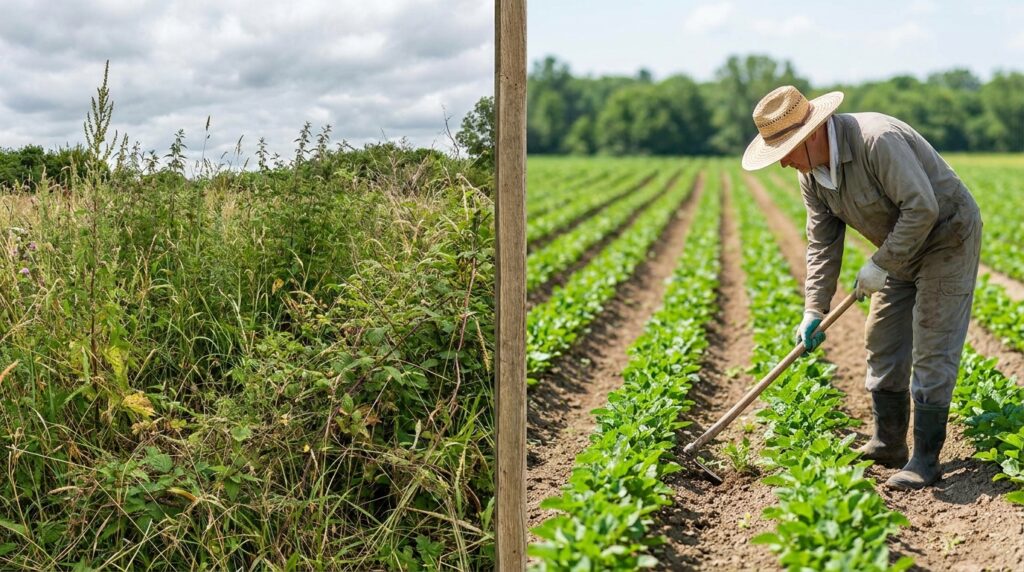
Weeds are sneaky competitors. They steal water, nutrients, and sunlight from the crops farmers are trying to grow. Left unchecked, weeds can slash crop yields by 20–50% or more in severe cases.
How Farmers Control Weeds
1. Mechanical Weeding Tillage, cultivation between rows, and good old hand-weeding have been used for thousands of years. These methods physically destroy or uproot weeds without chemicals.
2. Herbicides Selective herbicides kill weeds without harming the crop. Farmers apply these carefully — too much can harm the crop or soil; too little lets weeds survive and develop resistance.
3. Cover Crops Planting fast-growing cover crops like clover, rye, or radishes in the off-season smothers weed seeds and prevents them from establishing. The Sustainable Agriculture Research & Education (SARE) program has excellent resources on using cover crops for weed suppression.
4. Crop Rotation Changing what grows in a field each season disrupts weed cycles. Weeds that thrive with one crop often struggle to compete with a different one.
5. Mulching Applying straw, wood chips, or plastic mulch around plants blocks sunlight and prevents weeds from germinating. This is especially common in vegetable farming.
6. Managing Pests and Diseases: Keeping Plants Healthy
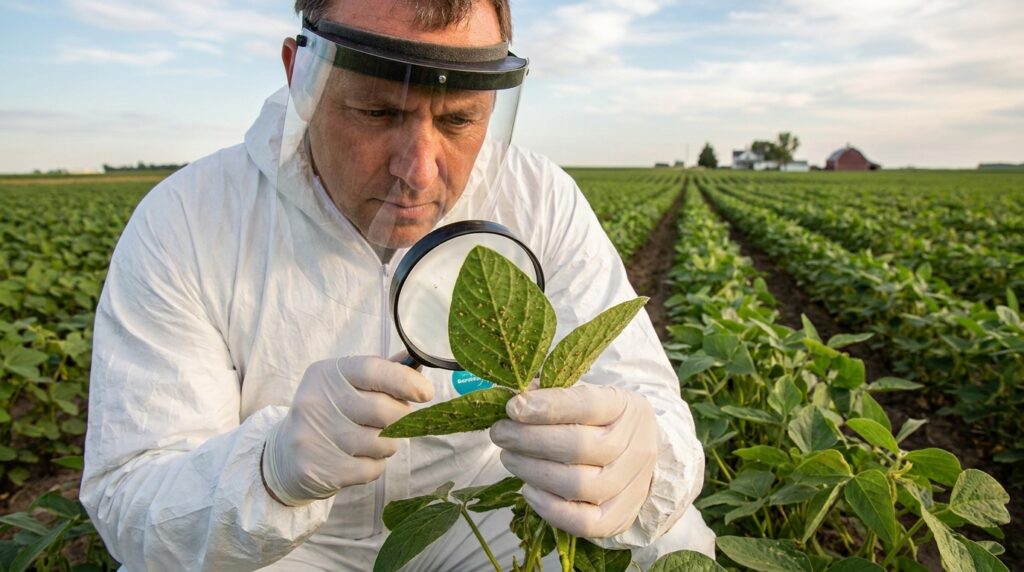
One bad pest outbreak can wipe out an entire season’s crop. Farmers are constantly on the lookout for insects, fungi, bacteria, and viruses that can devastate plants.
Integrated Pest Management (IPM)
Modern farmers increasingly rely on Integrated Pest Management (IPM) — a science-based approach that combines multiple strategies to manage pests sustainably.
IPM includes:
- Monitoring — Regularly scouting fields to identify pests early
- Biological controls — Releasing beneficial insects like ladybugs or parasitic wasps
- Cultural controls — Adjusting planting dates, crop rotation, or plant spacing
- Chemical controls — Using pesticides only when pest levels reach a threshold that justifies it
Common Crop Pests and How Farmers Handle Them
| Pest | Crop Affected | Common Control Method |
|---|---|---|
| Aphids | Vegetables, grains | Beneficial insects, insecticidal soap |
| Corn Earworm | Corn | Bt (biological pesticide), pheromone traps |
| Fusarium Wilt (Fungus) | Tomatoes, peppers | Resistant varieties, crop rotation |
| Whiteflies | Cucumbers, tomatoes | Yellow sticky traps, neem oil |
| Rootworms | Corn, soybeans | Crop rotation, soil treatments |
The National Pesticide Information Center (NPIC) is an excellent resource farmers use to get up-to-date guidance on pest management.
Plant Disease Management
Fungal diseases like powdery mildew, blight, and rust spread rapidly in warm, humid conditions. Farmers prevent these through:
- Proper plant spacing for air circulation
- Avoiding overhead watering when possible
- Applying fungicides preventively during high-risk weather windows
- Planting disease-resistant varieties
7. Using Technology to Boost Plant Growth
Farming in the 21st century looks very different from a generation ago. Technology has transformed how farmers help plants grow — making the process more precise, more efficient, and more data-driven than ever.
Precision Agriculture
Precision agriculture uses GPS, sensors, drones, and satellite imagery to give farmers incredibly detailed information about their fields. Rather than treating an entire 500-acre field the same way, precision agriculture lets farmers:
- Apply fertilizer only where soil tests show it’s needed
- Identify areas of the field that are stressed due to drought or disease
- Optimize irrigation based on real-time soil moisture data
- Predict yield potential before harvest even begins
Drones in Modern Farming
Agricultural drones can scan hundreds of acres in a matter of hours, using multispectral imaging to detect plant stress that isn’t even visible to the human eye. They can also apply targeted sprays of pesticides or fertilizers, reducing chemical use dramatically.
Smart Sensors and IoT
Soil sensors, weather stations, and connected monitoring tools now allow farmers to track field conditions 24/7 from a smartphone. Companies and organizations like John Deere Operations Center and IBM’s Food Trust network are building the digital infrastructure for the future of farming.
8. Crop Rotation and Companion Planting: Working With Nature
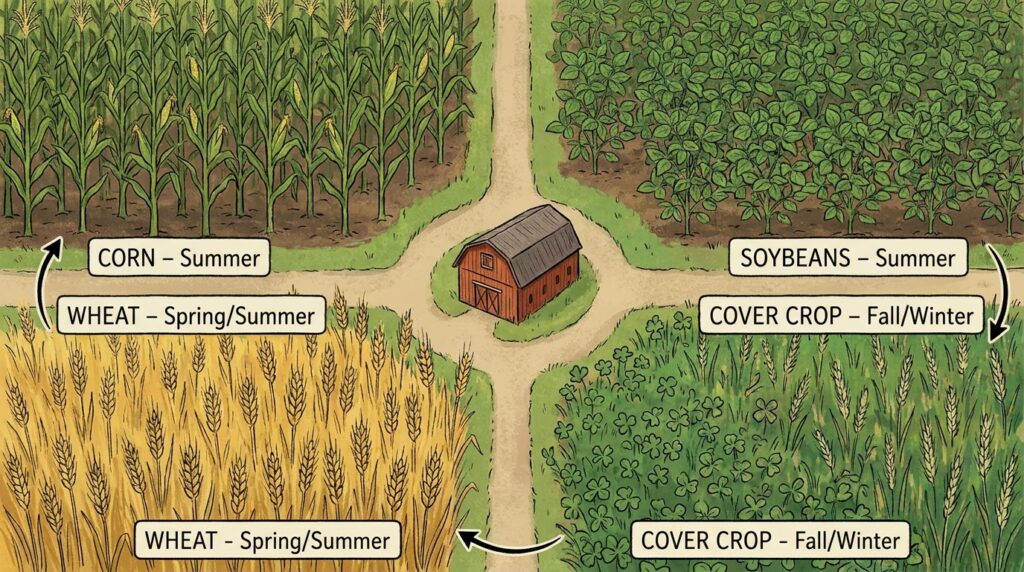
Not all farming practices involve chemicals or machines. Some of the most powerful tools farmers use are rooted in ancient agricultural wisdom — updated with modern science.
Why Crop Rotation Works
Planting the same crop in the same field year after year depletes specific nutrients, builds up pest populations, and increases disease pressure. Crop rotation solves this by changing what grows in each field each season.
For example, a common rotation in grain farming:
Year 1: Corn (heavy nitrogen user) Year 2: Soybeans (nitrogen fixer — puts nitrogen back into the soil) Year 3: Wheat or cover crop (breaks pest cycles, improves soil structure)
The USDA’s Economic Research Service reports that farmers who practice crop rotation consistently see better soil health outcomes and reduced input costs over time.
Companion Planting
Some plants actually help each other grow when planted nearby. This is called companion planting.
Classic examples:
- The Three Sisters (corn, beans, squash) — An Indigenous farming technique where corn provides a trellis for beans, beans fix nitrogen, and squash shades the ground to suppress weeds
- Basil and tomatoes — Basil repels certain pests that damage tomatoes
- Marigolds — Planted around vegetable gardens to deter nematodes and aphids
9. Protecting Plants from Extreme Weather
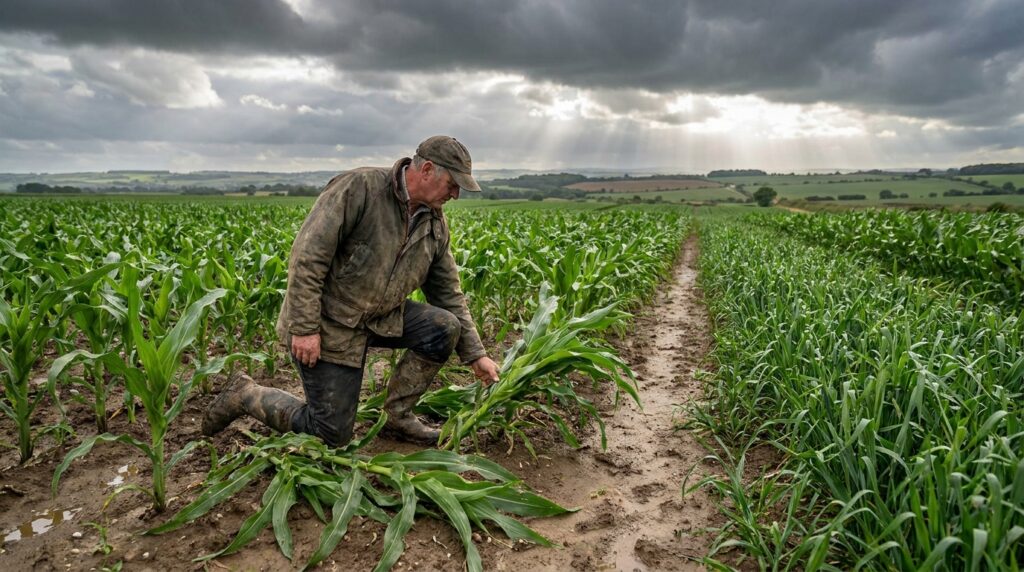
Farmers can do everything right and still face a battle they can’t fully control: the weather.
Dealing with Drought
When rainfall is insufficient, farmers activate irrigation systems, apply mulch to retain soil moisture, and sometimes switch to drought-tolerant crop varieties. Cover cropping is also proven to improve soil water retention significantly.
Protecting Against Frost
A late-season frost can destroy crops that were just weeks from harvest. Farmers protect plants using:
- Row covers and frost blankets — Lightweight fabric that traps heat overnight
- Windbreaks — Rows of trees or shrubs that slow cold wind across fields
- Overhead irrigation — Spraying water on plants during a frost (the water releases heat as it freezes, protecting the plant underneath)
- Selecting frost-resistant varieties
Flood and Waterlogging
Too much water is just as dangerous as too little. Proper drainage systems — including tile drainage — are critical in areas prone to heavy rain. Farmers may also build raised beds or plant on ridges to improve drainage around plant roots.
10. Harvesting at the Right Time: The Final Step in Plant Growth
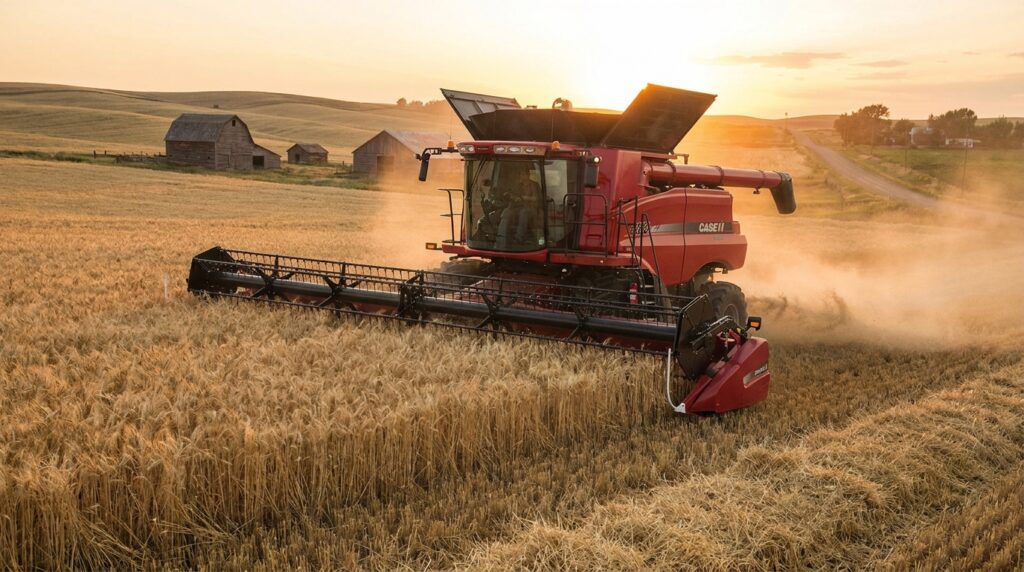
Harvesting isn’t just about picking crops when they look ready. Timing matters enormously — for both plant quality and farm economics.
How Farmers Know When to Harvest
Farmers use a combination of visual cues, physical tests, and technology:
- Visual checks — Color, size, and appearance of the crop
- Moisture meters — Corn and other grains must be harvested at specific moisture levels (typically 15–18%) to avoid mold
- Refractometers — Measure sugar content in fruits and vegetables for optimal flavor
- Degree days — Growing degree days (GDD) track accumulated heat to predict maturity
Harvesting too early means lower yields and poor quality. Too late and the crop may shatter, rot, or lose nutritional value.
Expert Tips: What Experienced Farmers Know That Beginners Don’t
Here are some insights that separate experienced farmers from those just getting started:
- Watch the soil, not just the plant. Healthy plants start with healthy soil. If your plants are struggling, fix the soil first before reaching for chemicals.
- Scout early, scout often. Walking fields multiple times per week allows farmers to catch pest or disease problems before they become catastrophic.
- Record everything. The best farmers keep detailed records of what they planted, when they planted it, what they applied, and what yields they got. Over time, these records become invaluable.
- Respect the weather forecast, but don’t be ruled by it. Farmers plan around the weather but always have contingency plans in place for rapid changes.
- Never stop learning. Land-grant universities in every state offer free or low-cost extension programs that help farmers stay up to date on the latest research and best practices.
How Farmers Help Plants Grow: A Quick Summary Table
| Farming Practice | What It Does for Plants |
|---|---|
| Soil Preparation | Provides the ideal environment for roots to grow |
| Smart Seed Selection | Ensures the right plant for the right conditions |
| Irrigation Management | Delivers consistent water to support photosynthesis |
| Fertilization | Provides essential nutrients for healthy development |
| Weed Control | Reduces competition for light, water, and nutrients |
| Pest and Disease Management | Protects plants from damage and yield loss |
| Precision Technology | Optimizes every input for maximum growth efficiency |
| Crop Rotation | Restores soil health and breaks pest cycles |
| Weather Protection | Shields plants from extreme climate events |
| Timely Harvesting | Preserves yield quality and plant product value |
Frequently Asked Questions (FAQs)
What is the most important thing farmers do to help plants grow?
The single most impactful thing farmers do is prepare and maintain healthy soil. Soil health determines how well plants can access water, air, and nutrients. Without a good soil foundation, even the best seeds, fertilizers, and irrigation systems underperform.
How do farmers water their crops efficiently?
Modern farmers use systems like drip irrigation, soil moisture sensors, and evapotranspiration data to water crops only when needed and only in the right amounts. This conserves water while keeping plants consistently hydrated for optimal growth.
Do farmers use chemicals to help plants grow?
Some do, yes — but it’s more nuanced than simply “spraying chemicals.” Fertilizers provide essential plant nutrients, and pesticides protect against pests that would otherwise destroy crops. However, many farmers also use organic and biological methods, and Integrated Pest Management (IPM) focuses on minimizing chemical use through smarter, more targeted approaches.
How does crop rotation help plants grow better?
Crop rotation helps by restoring soil nutrients (especially nitrogen, when legumes are included), breaking pest and disease cycles, and improving soil structure over time. The USDA reports consistent benefits in soil quality from farms that rotate their crops seasonally.
What technology do modern farmers use to help plants grow?
Today’s farmers use an impressive array of technology including GPS-guided tractors, agricultural drones with multispectral cameras, precision soil sensors, satellite-based crop monitoring, and data platforms like John Deere’s Operations Center to make smarter decisions about planting, irrigation, fertilization, and harvesting.
Conclusion: Farming Is a Science, an Art, and a Commitment
So, how do farmers help plants grow? The answer is: in dozens of ways, every single day, with incredible knowledge and care.
From the moment they test their soil to the day they harvest a crop, farmers are making precise, science-backed decisions designed to give plants every possible advantage. They manage water, fight pests, feed the soil, monitor the weather, and use cutting-edge technology — all in service of one goal: helping plants reach their full potential.
Whether you’re a curious beginner, a home gardener, or someone thinking about starting a small farm, understanding how professional farmers approach plant growth is one of the most valuable things you can learn.
If you found this guide helpful, consider exploring resources from your local Cooperative Extension Service — a network of land-grant university programs that provide free, research-backed agricultural guidance across the country.
The next time you eat a meal, think about the farmer who helped those plants grow — because it was no accident.
This article was written using information from USDA, EPA, university extension programs, and peer-reviewed agricultural sources. Always consult your local agricultural extension office for region-specific farming guidance.

