
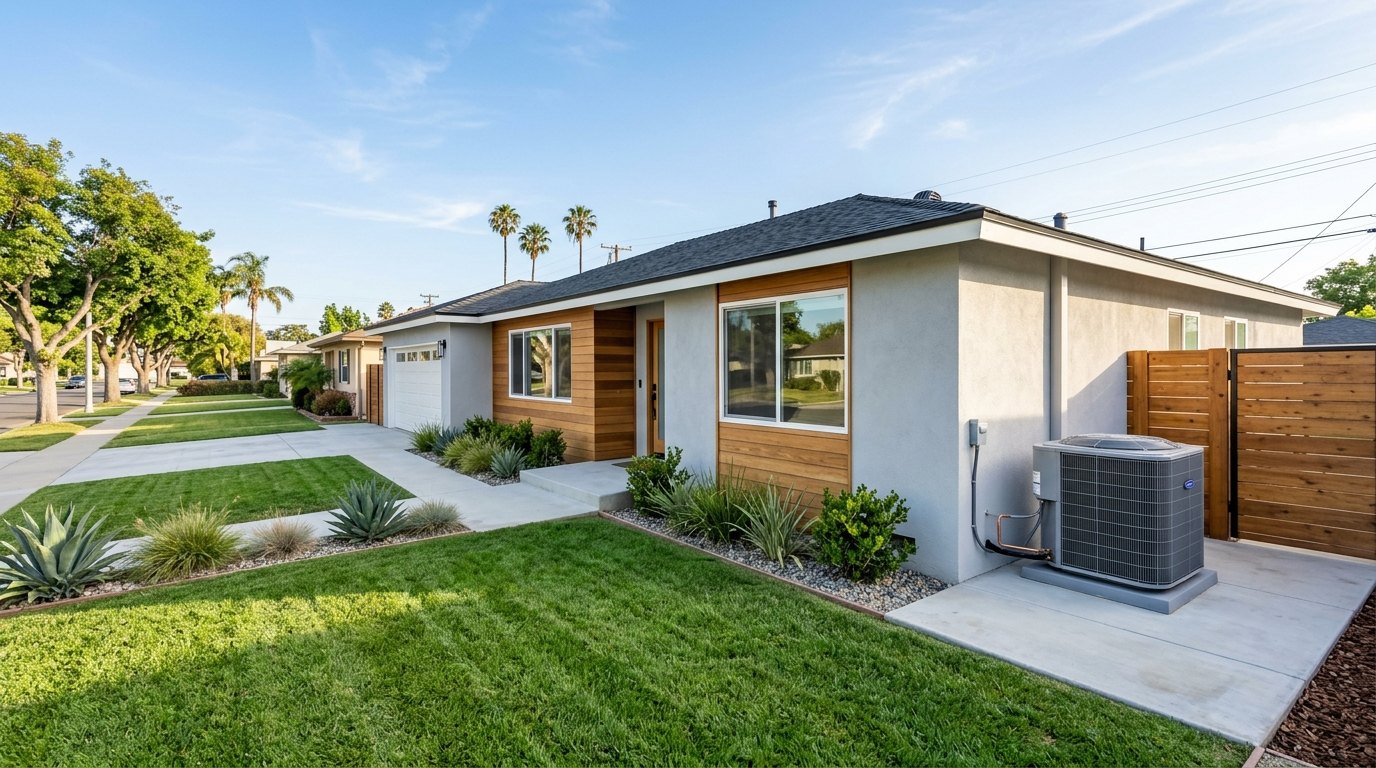
As we move further into 2026, many homeowners in Torrance, CA are looking for ways to reduce their carbon footprint and save on energy costs. An outdated air conditioning system can be a major drain on your wallet and the environment, especially during our warm Southern California summers. If you’re considering a new AC installation in Torrance, CA, this is the perfect time to explore eco-friendly HVAC solutions. These modern systems offer superior comfort, significant energy savings, and contribute to a healthier planet. We’ll explore the best options available to help you make an informed decision for your home.
Learn more about making your home comfortable or get a free consultation today.
When considering an AC installation in Torrance, CA, the landscape of available systems has evolved dramatically. Today, the focus is increasingly on solutions that not only provide optimal comfort but also minimize environmental impact and reduce operating costs. For homes in Torrance, the most common and highly recommended eco-friendly air conditioning systems include advanced heat pumps, ductless mini-splits, central ducted HVAC systems, and units featuring variable-speed compressors. These technologies represent a significant leap forward from traditional AC units, offering superior efficiency and adaptability.
Heat pumps, in particular, are gaining immense popularity across Southern California. Unlike conventional air conditioners that only cool, heat pumps offer both heating and cooling capabilities in a single, highly efficient system. During the warmer months, they extract heat from inside your home and transfer it outdoors, much like a standard AC. In cooler periods, they reverse the process, drawing latent heat from the outside air and moving it indoors. This heat transfer method is far more energy-efficient than generating heat through combustion, making them a cornerstone of eco-friendly home climate control. Given Torrance’s mild winters and warm summers, a heat pump is an ideal year-round solution, often replacing both an old AC and a separate furnace.
Ductless mini-split systems are another excellent choice, especially for homes without existing ductwork, additions, or for zoning specific areas. These systems consist of an outdoor compressor/condenser and one or more indoor air-handling units. Each indoor unit can be controlled independently, allowing for precise temperature regulation in different rooms or zones. This eliminates energy waste associated with cooling unoccupied spaces, a common issue with central ducted systems. Their compact size and flexible installation options make them versatile for various home layouts in Torrance.
The integration of variable-speed compressors into both central AC units and heat pumps further enhances their eco-friendliness. Unlike older single-stage systems that operate at full capacity or off, variable-speed compressors can adjust their output incrementally to match the exact cooling or heating demand. This allows them to run for longer periods at lower speeds, which is more efficient, quieter, and provides more consistent temperatures and better dehumidification. This constant, gentle operation avoids the energy spikes of frequent on-off cycling, leading to substantial energy savings and reduced wear and tear on the equipment.
Furthermore, refrigerant regulations are continually evolving to reduce the use of high global warming potential (GWP) chemicals. As of August 2026, the HVAC industry is transitioning away from refrigerants like R-410A towards more environmentally friendly alternatives such as R-32 and R-454B. When selecting a new system for AC installation in Torrance, CA, ensuring it uses a low-GWP refrigerant is a crucial aspect of embracing eco-friendly solutions, aligning with long-term environmental goals and future compliance.
Evaluating Eco-Friendly HVAC Solutions by SEER2 Ratings
Understanding energy efficiency ratings is paramount when choosing an eco-friendly HVAC system for your Torrance home. The industry has recently transitioned from SEER (Seasonal Energy Efficiency Ratio) to SEER2, EER2 (Energy Efficiency Ratio 2), and HSPF2 (Heating Seasonal Performance Factor 2) standards. These updated metrics provide a more accurate representation of a system’s real-world performance by testing under conditions that better reflect actual operational loads and external static pressure.
For homeowners in Torrance, CA, the minimum efficiency standards for new AC installations are now higher. As of January 1, 2023, the minimum SEER2 rating for central air conditioners in the Southwest region (which includes California) is 14.3 SEER2 (equivalent to 15.0 SEER under the old rating system). However, to truly maximize energy savings and embrace eco-friendliness, we strongly recommend considering systems with significantly higher SEER2 ratings, often 16 SEER2 or above. These higher-rated units, particularly those with variable-speed technology, offer superior operational efficiency, especially during the long cooling season we experience in Torrance.
The local climate conditions affect HVAC performance, and in Torrance, warm, often sunny days and moderate humidity directly influence AC choices. While extreme heat waves are less frequent than in inland areas, consistent cooling loads mean that a highly efficient system can yield substantial savings over its lifespan. A higher SEER2 rating indicates that the unit consumes less electricity to produce the same amount of cooling, directly translating to lower utility bills.
Beyond federal standards, California’s stringent Title 24 Building Energy Efficiency Standards also play a critical role. These regulations mandate specific energy performance levels for new construction and major renovations, including HVAC installations. Ensuring your chosen system and its installation comply with Title 24 is not just about legality; it’s about optimizing energy consumption for the entire home. A professional AC installation contractor in Torrance will be well-versed in these requirements and can guide you toward systems that meet or exceed these benchmarks, ensuring your home is both comfortable and compliant.
Smart Thermostats and Automated Climate Management
The intelligence of your HVAC system extends beyond the unit itself, reaching into the realm of smart home technology. Integrating smart thermostats and advanced zoning controls with your new eco-friendly AC installation in Torrance, CA, can significantly enhance energy efficiency and overall comfort. These technologies empower homeowners to manage their climate with unprecedented precision, further reducing their carbon footprint and utility expenses.
Smart thermostats are far more than just programmable devices. Many models learn your household’s preferences and daily routines, automatically adjusting temperatures to optimize energy use without sacrificing comfort. Features like geofencing can detect when you leave or return home, automatically setting back the temperature when you’re away and pre-cooling or pre-heating before your arrival. This eliminates the energy waste associated with cooling an empty house. Remote access via smartphone apps allows you to monitor and control your system from anywhere, providing peace of mind and immediate control over your energy consumption.
Zoning controls take this a step further by dividing your home into distinct climate zones, each with its own thermostat. Instead of cooling or heating the entire house to a single temperature, zoning allows you to condition only the occupied areas. For instance, you might keep bedrooms cooler at night while reducing cooling in living areas, or vice versa during the day. This targeted approach significantly reduces energy consumption, especially in larger homes or those with varying occupancy patterns. It’s an excellent way to address the diverse cooling needs that can arise in different parts of a Torrance home, particularly during peak summer days.
Automated setbacks, a core feature of smart thermostats, are crucial for energy conservation. By automatically adjusting the temperature during periods of low occupancy or sleep, these devices ensure that your HVAC system isn’t working harder than necessary. Furthermore, some advanced smart thermostats offer grid responsiveness and load management capabilities. These features allow the thermostat to communicate with your utility provider, potentially participating in demand response programs. During peak energy demand, the system might slightly adjust temperatures to reduce strain on the grid, often in exchange for incentives or credits on your utility bill. This not only saves you money but also contributes to the stability of the local power grid, making your eco-friendly HVAC system an active participant in broader energy conservation efforts.
Key Benefits and Long-Term Efficiency Gains
Investing in an eco-friendly AC installation in Torrance, CA, extends far beyond immediate comfort; it’s a strategic decision that yields significant long-term benefits for your finances, your home’s value, and the environment. The synergy of high-efficiency equipment, smart controls, and professional installation translates into substantial gains that compound over the system’s lifespan.
One of the most tangible benefits is the dramatic reduction in utility bills. Modern eco-friendly systems, with their higher SEER2 ratings and variable-speed technology, consume considerably less electricity than older, less efficient units. Homeowners often report savings of 20-50% on their cooling and heating costs, especially when upgrading from systems that are 10-15 years old. Over the lifespan of the unit, these monthly savings can amount to thousands of dollars, effectively offsetting a significant portion of the initial investment. This financial return makes an eco-friendly HVAC upgrade a wise economic choice for Torrance residents.
Beyond personal savings, these systems play a crucial role in decarbonization efforts. By minimizing electricity consumption, particularly during peak demand, they reduce the strain on power grids and the reliance on fossil fuel-based electricity generation. For homes transitioning to heat pump technology, the shift from natural gas furnaces to electric heating further contributes to a cleaner energy profile, aligning with California’s ambitious environmental goals. This commitment to environmental stewardship is a key driver for many homeowners seeking sustainable solutions.
The longevity of your HVAC equipment is also positively impacted by eco-friendly choices. Systems with variable-speed compressors operate more gently and consistently, avoiding the frequent on-off cycling that can stress components in single-stage units. This reduced wear and tear often translates to a longer operational lifespan for the equipment, delaying the need for costly replacements. While proper maintenance is always essential, a well-designed and efficiently operating system inherently experiences less strain. For a deeper dive into maintaining your home’s essential systems, including your cooling units, exploring resources on topics such as eco-friendly HVAC and plumbing can provide valuable insights into extending the life and efficiency of your investments.
Furthermore, eco-friendly HVAC systems often require less frequent, or at least less intensive, repairs when HVAC systeregular HVAC maintenancem problems are identified and addressed promptly. While regular professional tune-ups remain vital for optimal performance, the inherent reliability of these modern units can lead to a reduction in unexpected maintenance calls. This contributes to a more predictable budget for homeowners and fewer disruptions to their comfort. The combination of lower operating costs, environmental benefits, extended equipment life, and reduced maintenance makes an eco-friendly AC installation a truly valuable long-term investment for any Torrance home.
Sizing, Permitting, and Professional Installation Practices
A successful and efficient AC installation in Torrance, CA, hinges critically on three pillars: accurate sizing, proper permitting, and professional installation practices. Overlooking any of these can lead to an underperforming system, higher energy bills, and potential safety hazards.
Accurate Sizing with Manual J Calculations
The first and arguably most important step in any HVAC installation is correctly sizing the system for your home. This is not a “bigger is better” scenario. An oversized unit will cycle on and off too frequently (short-cycling), leading to uneven temperatures, poor dehumidification, increased wear and tear, and higher energy consumption. Conversely, an undersized unit will struggle to cool your home adequately, especially during peak demand, running constantly without achieving desired comfort levels.
Professional contractors use industry-standard methodologies, primarily Manual J load calculations, to determine the precise heating and cooling requirements of your home. This comprehensive assessment considers numerous factors unique to your Torrance residence, including:
- The square footage and layout of your home.
- Insulation levels in walls, ceilings, and floors.
- Window types, sizes, and orientations (and their solar heat gain).
- Number of occupants and their activity levels.
- Appliance heat output.
- Local climate data specific to Torrance, CA.
- Ductwork condition and integrity.
By meticulously accounting for these variables, Manual J ensures that the installed system is perfectly matched to your home’s specific needs, guaranteeing optimal efficiency, comfort, and longevity.
Municipal Permits and Regulations
Navigating the permitting process is a non-negotiable step for AC installation in Torrance, CA. The City of Torrance, like most municipalities, requires permits for significant HVAC work, including new installations and major replacements. These regulations are in place to ensure that all work complies with local building codes, safety standards, and energy efficiency mandates, such as California’s Title 24.
A reputable AC installation contractor will handle all necessary permit applications on your behalf. This typically involves submitting detailed plans of the proposed installation to the City of Torrance Building and Safety Department. Once the work is completed, a city inspector will review the installation to ensure it meets all code requirements before issuing final approval. Attempting to bypass the permitting process can lead to fines, difficulties with home resale, and potential safety risks. It’s a critical aspect of ensuring your new eco-friendly system is installed legally and safely.
Choosing a Reliable AC Installation Contractor
Selecting the right contractor is paramount for a successful AC installation. With numerous options available in Torrance, knowing how to choose a reliable professional is key. We recommend looking for contractors who:
- Are Licensed and Insured: Verify their contractor’s license (e.g., C-20 HVAC license in California) and ensure they carry adequate insurance.
- Have NATE Certification: Technicians certified by NATE (North American Technician Excellence) have demonstrated a high level of competency in HVAC installation and service.
- Provide Detailed Estimates: A reliable contractor will offer a clear, written estimate that itemizes equipment, labor, and all associated costs, including permits.
- Offer References and Reviews: Check online reviews and ask for references from previous clients in Torrance.
- Specialize in Eco-Friendly Systems: Choose a contractor with proven experience in installing high-efficiency heat pumps, variable-speed units, and smart thermostats.
- Prioritize Proper Ductwork: Even the most efficient AC unit will underperform with leaky or poorly designed ductwork. A good contractor will inspect, seal, or recommend modifications to your duct system as part of the installation process.
- Perform Proper Commissioning: After installation, the system must be thoroughly tested and balanced to ensure it’s operating at peak efficiency. This commissioning process includes checking refrigerant levels, airflow, electrical connections, and thermostat functionality.
Installation Timeline
The duration of a typical AC installation in Torrance, CA, can vary depending on several factors, including the type of system being installed, the complexity of the job, and whether existing ductwork needs modification. For a standard central AC or heat pump replacement where existing ductwork is in good condition, the process usually takes 1 to 2 full days. However, if the installation involves:
- New Ductwork: Adding or extensively replacing ductwork can extend the timeline by an additional day or two.
- Electrical Upgrades: Older homes may require electrical panel upgrades to support the new, more powerful HVAC system, which can add time.
- Ductless Mini-Splits: These can sometimes be quicker for single units but may take longer if multiple indoor units are being installed across different zones.
- Permit Inspections: Scheduling and passing inspections can also influence the overall timeline.
A reputable contractor will provide a clear timeline estimate during the consultation phase, ensuring you know what to expect.
Financial Incentives for Eco-Friendly HVAC Solutions
One of the most appealing aspects of upgrading to an eco-friendly AC system in Torrance, CA, is the availability of various financial incentives that can significantly reduce the upfront cost. These programs are designed to encourage homeowners to adopt energy-efficient technologies, benefiting both your wallet and the environment.
The federal government, through initiatives like the Inflation Reduction Act (IRA), offers substantial tax credits for homeowners installing qualifying high-efficiency HVAC equipment. As of August 2026, many heat pump installations, energy-efficient central air conditioners, and related home energy improvements can qualify for tax credits that cover a percentage of the equipment and installation costs, up to a certain annual limit. These credits are not rebates but rather direct reductions in your federal tax liability, making them a powerful incentive for homeowners to invest in energy-saving upgrades. It’s crucial to consult with a tax professional and your HVAC contractor to ensure your chosen system meets the specific eligibility requirements for these federal programs.
In addition to federal incentives, residents of Torrance, CA, can often take advantage of local utility rebates. Southern California Edison (SCE) and Southern California Gas Company (SoCalGas) frequently offer rebates for installing energy-efficient appliances, including high-SEER2 air conditioners, heat pumps, and smart thermostats. These rebates can provide direct cash back or credits on your utility bill, further lowering the effective cost of your new system. Eligibility criteria vary by program and often depend on the efficiency rating of the installed equipment. Your HVAC contractor should be able to inform you about current local rebates and assist with the application process.
Furthermore, some programs offer energy audit incentives. Before a major HVAC upgrade, a professional home energy audit can identify all areas where your home is losing energy. Sometimes, the cost of these audits can be partially or fully reimbursed by utility companies or state programs, providing a comprehensive roadmap for maximizing your home’s energy efficiency, not just through your HVAC system but also through insulation, windows, and air sealing.
Exploring these financial incentives is a crucial step in planning your eco-friendly AC installation. They can make the transition to a more sustainable and cost-effective home climate control system much more accessible and affordable for Torrance homeowners.
Frequently Asked Questions About HVAC Upgrades
Homeowners often have many questions when considering an HVAC upgrade. Here, we address some of the most common inquiries regarding eco-friendly AC installation in Torrance, CA.
How much can an eco-friendly HVAC upgrade lower monthly utility bills?
The potential for lowering monthly utility bills with an eco-friendly HVAC upgrade is significant and often one of the primary motivations for homeowners. While exact savings can vary based on several factors, including the efficiency of your old system, the new system’s SEER2 rating, your home’s insulation, and your personal usage habits, many Torrance residents report substantial reductions.
Upgrading from an older, less efficient AC unit (e.g., 10 SEER) to a modern, high-efficiency heat pump or AC (e.g., 16-20+ SEER2) can lead to energy savings of 20% to 50% on your cooling and heating costs. For a typical Torrance household, this could translate to hundreds of dollars saved annually. The higher the SEER2 rating, the lower the operating costs will be. Systems with variable-speed technology further enhance these savings by precisely matching output to demand, avoiding energy spikes.
The return on investment (ROI) for an eco-friendly HVAC system is often favorable. While the initial investment might be higher than for a standard system, the long-term energy savings, combined with available rebates and tax credits, often lead to the system paying for itself over its lifespan. This makes an eco-friendly upgrade not just an environmental choice but a smart financial one, especially with rising energy costs.
When should an aging AC unit be replaced instead of repaired?
Deciding whether to repair an existing AC unit or invest in a full replacement is a common dilemma for Torrance homeowners. Several key indicators suggest that replacement, particularly with an eco-friendly system, is the more prudent choice:
- Age of the Unit: Most AC units have a lifespan of 10 to 15 years. If your unit is approaching or has exceeded this age, it’s likely operating inefficiently and nearing the end of its useful life. The cost of repairs often outweighs the remaining value.
- Frequent and Costly Repairs: If your AC unit requires frequent repairs, especially if individual repair costs are more than 30-50% of the cost of a new unit, it’s a “money pit” scenario. These recurring expenses can quickly add up, making a new installation more economical in the long run.
- Obsolete Refrigerants: Older AC units (typically pre-2010) use R-22 refrigerant, which has been phased out due to its ozone-depleting properties. R-22 is now very expensive and difficult to find. If your R-22 unit has a leak, recharging it can be prohibitively costly, and finding parts for R-22 systems is becoming increasingly challenging.
- Decreased Energy Efficiency: As AC units age, their efficiency degrades. If your energy bills have been steadily climbing despite no change in usage, your old unit is likely consuming more power to provide less cooling. A new, high-SEER2 system will immediately offer superior energy performance.
- Poor Performance and Comfort: If your AC struggles to maintain desired temperatures, provides uneven cooling, or constantly runs without adequately cooling your home, its performance has significantly degraded. This indicates a system that can no longer meet your comfort needs efficiently.
- High Humidity: An old, inefficient unit may not effectively remove humidity from the air, leading to a clammy feeling even if the temperature is set low. New systems offer better dehumidification capabilities.
Considering these signs, replacing an aging AC unit with a modern, eco-friendly system for your Torrance home is often the most cost-effective and comfortable solution in the long term.
How long does a complete green HVAC installation take?
The duration of a complete green HVAC installation in Torrance, CA, can vary, but most residential projects are completed efficiently by professional teams. For a standard replacement of an existing central air conditioning system with a new, high-efficiency AC or heat pump, the process typically takes 1 to 2 full days. This timeframe generally includes:
- Removal of the Old Unit: Safe and proper disposal of the existing outdoor condenser and indoor air handler/furnace.
- Installation of New Equipment: Setting up the new outdoor unit, indoor coil, and furnace (if applicable, for hybrid systems) or air handler for a heat pump.
- Refrigerant Line Installation/Connection: Running and connecting new refrigerant lines or flushing and reusing existing ones if compatible.
- Electrical Connections: Ensuring all electrical wiring is up to code and properly connected.
- Ductwork Inspection and Sealing: While not a full replacement, minor ductwork modifications or sealing are often done to optimize airflow.
- Thermostat Installation: Wiring and configuring the new smart thermostat.
- System Start-Up and Testing: Initializing the system, checking refrigerant levels, airflow, and ensuring all components are operating correctly.
- Final Inspection: A municipal inspector will review the installation to ensure compliance with local codes. This usually occurs after the contractor has completed their work and may add a day or two to the overall project timeline, though the physical work is done.
However, certain factors can extend this timeline:
- Extensive Ductwork Modifications: If new ductwork needs to be installed, or existing ducts require significant repair or replacement, the project could take 2 to 3 days or more.
- Electrical Upgrades: Homes with older electrical panels may need an upgrade to accommodate the power demands of a new, more efficient system, potentially adding a day or two.
- Ductless Mini-Split Systems: Installing multiple indoor units for a multi-zone ductless system can also take longer than a single-unit central system replacement.
- Permit Delays: While contractors handle permits, unforeseen delays in permit issuance or inspection scheduling can occasionally impact the overall project completion.
A reputable contractor will provide a detailed project timeline during your initial consultation, giving you a clear expectation of the installation process for your specific Torrance home.
Conclusion
Embracing an eco-friendly AC installation in Torrance, CA, is more than just an upgrade; it’s a strategic investment in your home’s future, your financial well-being, and the health of our planet. As we navigate 2026 and beyond, the benefits of high-efficiency systems, such as advanced heat pumps and variable-speed air conditioners, coupled with smart thermostat technology, are undeniable. These solutions offer unparalleled comfort, significantly lower utility bills, and contribute directly to decarbonization efforts, aligning with California’s progressive environmental goals.
The journey to a more sustainable home climate begins with informed choices regarding system types, efficiency ratings like SEER2, and understanding the local climate’s impact on performance. It continues with meticulous planning, including accurate sizing through Manual J calculations, navigating municipal permits, and, crucially, selecting a reliable, certified professional for installation. The availability of federal tax credits and local utility rebates further sweetens the deal, making these advanced systems more accessible to Torrance homeowners.
Beyond the initial installation, extending the lifespan and maintaining the peak efficiency of your newly installed eco-friendly AC system in Torrance requires ongoing attention. Simple yet effective maintenance tips include:
- Regular Filter Changes: Replace or clean your air filters every 1-3 months, especially during peak usage, to ensure optimal airflow and indoor air quality.
- Annual Professional Tune-Ups: Schedule a yearly maintenance check with your HVAC contractor. They will inspect, clean, and fine-tune your system, identifying potential issues before they become costly repairs and ensuring it runs at its highest efficiency.
- Keep Outdoor Unit Clear: Ensure the outdoor condenser unit is free from debris, leaves, and obstructions, allowing for proper airflow.
- Smart Thermostat Programming: Utilize your smart thermostat’s features for optimal scheduling and energy savings, taking advantage of automated setbacks and zoning capabilities.
By choosing an eco-friendly AC installation, Torrance homeowners are not just enhancing their comfort; they are investing in system reliability, embracing environmental stewardship, and securing long-term value through reduced operating costs and a commitment to home electrification. It’s a powerful step towards a more sustainable and comfortable future for your home.

