
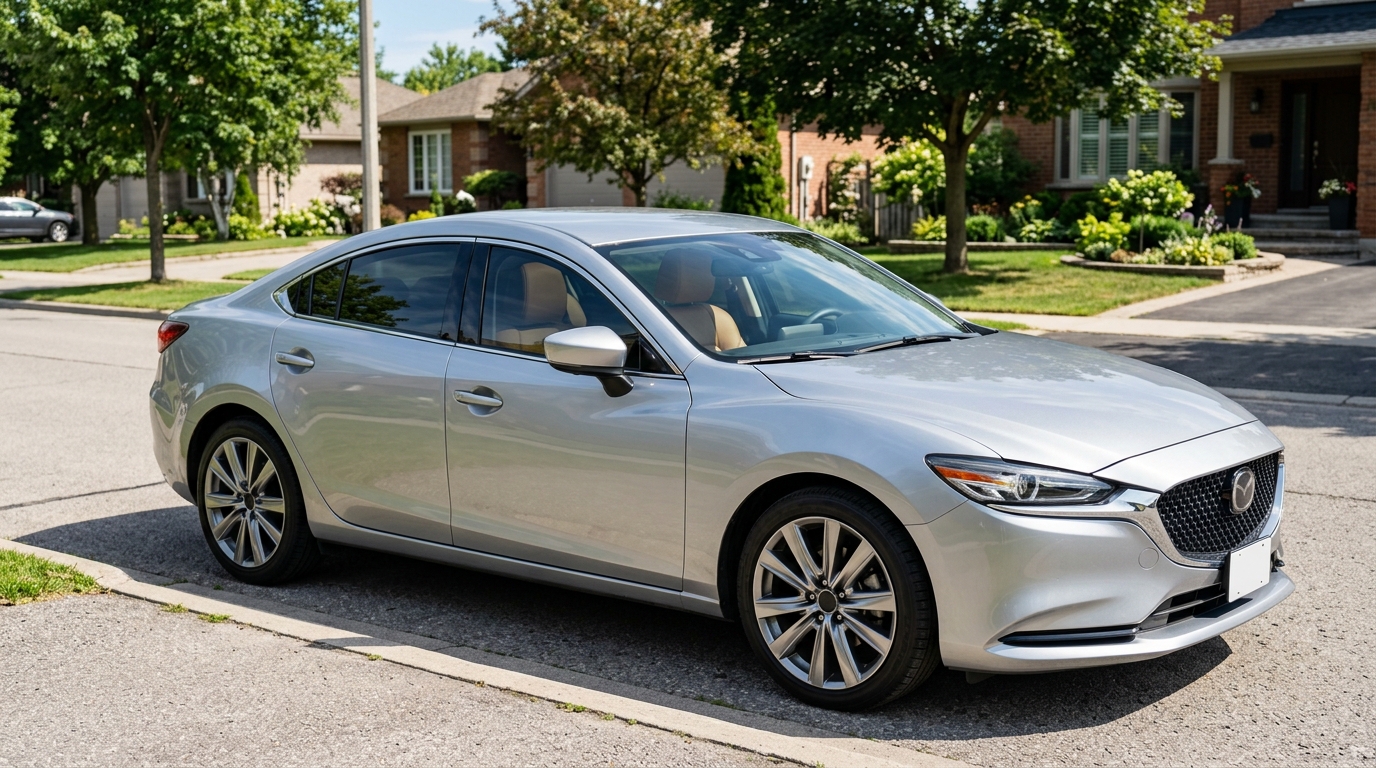
Key Takeaways
- Choose tint based on heat control, glare reduction, UV protection, visibility, and privacy, not darkness alone.
- Compare VLT percentages while considering the vehicle’s existing factory glass.
- Ceramic and other high-performance films can provide strong heat rejection while maintaining clearer visibility.
- Consider La Porte’s sun, rain, snow, and nighttime driving conditions when selecting a tint shade.
- Check Indiana tint requirements before installation.
- Choose an experienced installer and follow proper curing and cleaning instructions.
- A balanced tint can improve comfort, protect the interior, and support safer everyday driving.
How to choose car window tint in La Porte, Indiana, involves more than picking a darker shade. Drivers deal with bright summer sun, reflections from wet roads, early winter sunsets, and regular highway travel toward the Lake Michigan shoreline. The right film can make daily driving more comfortable while enhancing visibility and preserving the interior. Drivers also exploring exterior protection can consider ceramic coating for cars in La Porte, IN, as part of a broader plan to care for a vehicle exposed to changing northern Indiana weather. The best tint choice depends on how, when, and where a vehicle is driven. A commuter heading through La Porte at dusk may need a different balance than a family using an SUV for sunny weekend trips, school pickup, and errands. Darkness matters, but heat rejection, glare reduction, optical clarity, legal compliance, and installation quality matter just as much.
Why Drivers Choose Window Tint
Window film can reduce harsh sunlight, control glare, add daytime privacy, and give a vehicle a more finished appearance. In La Porte, glare can be especially distracting when low sun meets damp pavement, snow, or standing water. Tint may also help a cabin feel less exposed during long stretches of driving, but the darkest available film is not automatically the most useful choice.
The Main Types Of Car Window Film
Film categories provide a useful starting point, although performance varies by manufacturer and product line. Dyed film is generally a budget-focused option for shade and appearance. Metalized film can reflect some solar energy, though metallic construction may affect certain signals. Carbon film is valued for its stable color and moderate heat control. Ceramic film uses nonmetallic particles and is often selected for strong heat rejection and clear outward visibility.
For drivers comparing window film with other appearance and protection upgrades, searching for automotive ceramic coating near me can help frame tint as one part of a complete vehicle-care routine rather than a purely cosmetic decision.
What Tint Percentages Mean
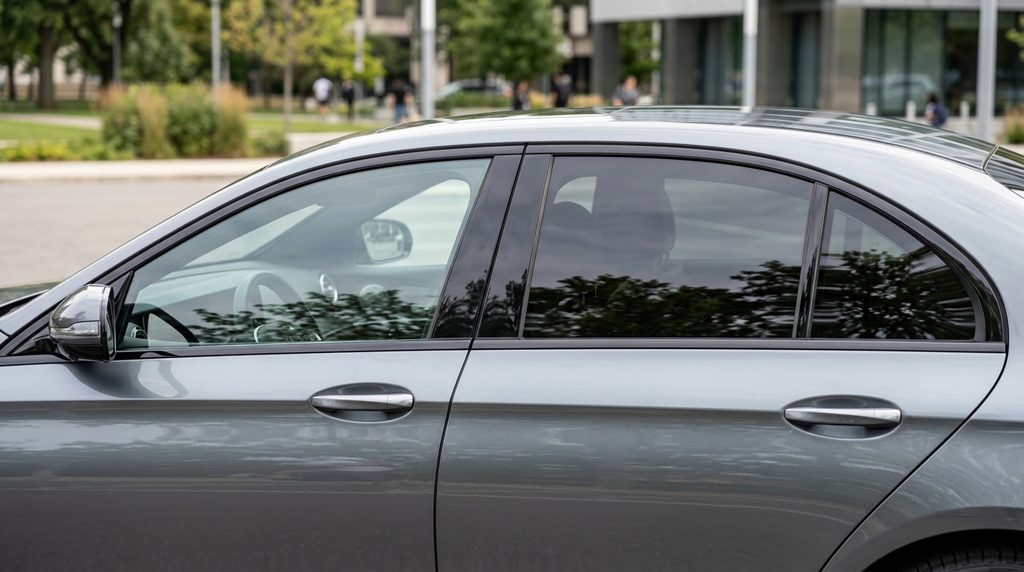
Visible light transmission, commonly called VLT, measures how much visible light passes through the glass and film. Higher numbers look lighter, while lower numbers look darker. Common examples include:
- 70% VLT: A subtle, near-factory look with excellent visibility.
- 50% VLT: Mild shading that remains practical for many daily drivers.
- 35% VLT: A middle-ground option for appearance, glare control, and privacy.
- 20% VLT: A darker, privacy-oriented choice that deserves careful nighttime consideration.
- 5% VLT: Very dark film that can significantly limit visibility in poorly lit areas.
Remember that factory glass already has its own light transmission level. The final VLT reading is based on the glass and film combined, not simply the percentage printed on the film box.
How Tint Affects Heat, Glare, And Comfort
Visible darkness and heat control are related, but they are not the same thing. A darker film reduces more visible light, yet a lighter high-performance ceramic film may reject substantial infrared energy without making the cabin look unusually dark. That can be appealing to La Porte drivers who want relief from the summer sun but still need clear visibility during rainy evenings, winter commutes, and in dimly lit parking lots.
Choose Performance Around Your Daily Routine
A driver who spends time on U.S. 35 or I-94 may prioritize glare reduction during morning and late-afternoon travel. Someone transporting children may care more about rear-seat comfort and sun exposure. Ask about total solar energy rejection, infrared rejection, and glare reduction rather than relying on darkness alone. Those measurements give a clearer picture of how a film may perform in real conditions.
UV Protection And Interior Care
Quality window film can help protect upholstery, dashboards, leather, trim, and electronics from prolonged sun exposure. It can also support passenger sun safety because UV window film can block more than 99 percent of UVA and UVB light when it meets the appropriate performance standards. Film is not a replacement for sunscreen, sunglasses, protective clothing, or other sun-safe habits, but it can add another layer of protection during time on the road.
Balancing Privacy With Safe Visibility
Privacy has practical appeal, particularly for cargo, personal belongings, and rear-seat passengers. Still, dark film can make it harder to identify pedestrians, cyclists, curbs, road edges, and other vehicles after sunset. Before selecting a shade, consider how often the vehicle travels rural roads, uses unlit driveways, or navigates downtown La Porte parking areas at night. Front windows should remain clear enough to support confident turns, lane changes, and mirror checks.
Checking Indiana Tint Rules Before Installation
Indiana rules should be checked before film is installed, especially because requirements can involve window location, vehicle configuration, and how easily occupants can be recognized from outside. The Indiana guidance on tinted windows states that treatment cannot prevent occupants from being easily recognized or identified through covered windows. Confirm current requirements before choosing a VLT level, and ask about any applicable medical-exemption process if needed.
Choosing Tint For Different Vehicle Types
- Sedans: Prioritize front-window visibility and a balanced match with rear glass.
- SUVs: Consider the larger glass area, rear-passenger comfort, and cargo privacy.
- Pickup trucks: Focus on side-window glare and heat entering the cabin.
- Electric vehicles: Verify that film selection works well around cameras, antennas, sensors, and panoramic roofs.
- Family vehicles: Favor UV control, clear sightlines, and comfortable rear seating.
What To Look For In A Quality Installation
Even premium film can disappoint if preparation or installation is poor. Look for clean glass preparation, accurate patterns, straight edges, consistent coverage, and no obvious dust, creases, gaps, bubbles, haze, or distortion. A careful installer should also explain the curing time, cleaning methods, warranty coverage, and what minor moisture patterns may look like as the film dries.
Simple Aftercare
Do not lower treated windows until the recommended curing period has passed. Clean tinted windows with a soft microfiber cloth and an ammonia-free product, and avoid rough sponges, razor blades, and abrasive tools. Report edge lifting, persistent bubbling, or discoloration early, because prompt attention can prevent a small defect from becoming a larger problem.
A Quick Tint-Buying Checklist
- Identify the main goal, such as heat control, glare reduction, privacy, UV protection, or appearance.
- Select a film type that fits the goal, budget, and vehicle technology.
- Choose a VLT level that remains comfortable for nighttime driving.
- Confirm Indiana requirements before installation.
- Compare film performance details and written warranty terms.
- Inspect the completed work and follow the curing instructions carefully.
Final Thoughts
The right car window tint for La Porte drivers is a balanced decision, not simply a dark one. Consider local sunlight, seasonal weather, nighttime visibility, your vehicle’s everyday use, Indiana tint rules, film performance, and installation quality together. Different films can vary in heat rejection, glare reduction, UV protection, appearance, and signal compatibility, so comparing these factors can help you choose an option that actually fits your needs. It is also important to consider factory-privacy glass and the condition of the existing window film before installation. A professional installation can help ensure a cleaner finish and proper coverage without interfering with defroster lines or other glass features. With the right combination of legal compliance, quality materials, and proper care, a well-chosen film can make daily travel more comfortable, help preserve the interior, reduce glare, and provide useful privacy without compromising safe, confident driving.

