

Smart home technology has come a long way from asking a speaker to play your favorite song or switching off a lamp without leaving the couch. These days, connected technology can control everything from heating and lighting to security, appliances, and even what happens in the garage.
Does every part of your home need to be smart? Probably not. The better approach is to look at where technology can actually save you time, make life more comfortable, or solve those little frustrations that crop up every day.
Start With the Garage
The garage might not be the first place you think about when planning a smart home, but it makes a lot of sense. After all, the garage door is something many households use several times a day. Upgrading to a smart LiftMaster garage door opener can give you more control over access to the garage. Depending on the setup you choose, connected features can allow you to monitor and operate the door remotely rather than relying solely on a traditional remote. That can be particularly useful when you’re away from home and suddenly find yourself wondering, “Did I actually close the garage door?”
Take More Control of Heating and Cooling
There’s not much point heating or cooling rooms when nobody is using them. Smart thermostats can give you more control over your home’s temperature and make it easier to adjust settings around your routine. The important thing is to use those features rather than simply installing the technology and forgetting about it. A smart device is only really useful if it makes something easier.
Think About Security
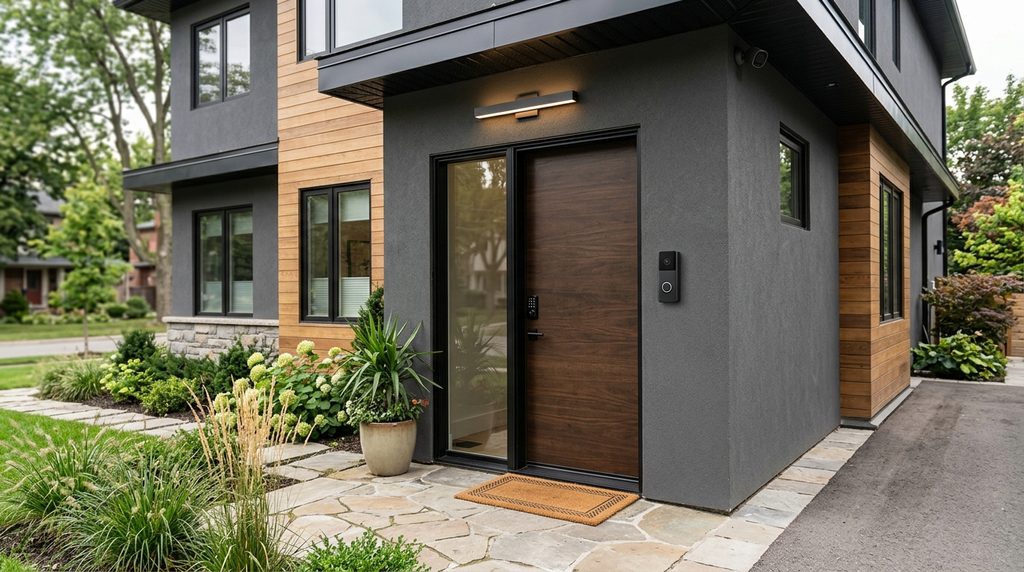
Home security is another area where connected technology can be genuinely practical. Smart doorbells, cameras, sensors, locks, and garage systems can all provide more information about what’s happening around your property. You might receive an alert when somebody approaches the front door or check a camera when you’re away.
Just remember that connected devices need sensible digital security too. Use strong passwords, keep software updated, and enable additional account protection where available.
Make Lighting Work Around You
Smart lighting is one of the easiest places to begin because you don’t necessarily need to make major changes to your home. Connected bulbs, switches, and motion sensors can help you control when and where lights come on. You might have the hallway illuminate automatically at night or arrange for exterior lights to switch on when you arrive home.
Scheduling can also mean you’re not wandering around the house switching off forgotten lights before bed.
Bring Smart Technology Into the Kitchen
The kitchen is another area where connected technology can take care of small everyday jobs. Smart ovens can offer remote monitoring and controls, while connected refrigerators, coffee makers, and other appliances come with features designed to make everyday routines more convenient.
You certainly don’t need to replace perfectly good appliances just to make the kitchen smarter. But when something eventually needs replacing, it can be worth looking at whether connected features would genuinely be useful to you.
Don’t Make Everything Smart Just Because You Can
It’s easy to get carried away once you start adding connected devices. Before long, you can find yourself wondering whether the coffee maker, curtains, and garden sprinkler all need their own apps. Sometimes they might. Sometimes an ordinary switch works perfectly well.
A smarter home doesn’t have to mean filling every room with technology. Focus on the areas where automation removes a repetitive task, improves security, or gives you useful control. If a smart feature genuinely makes your day easier, it has earned its place in your home.

