
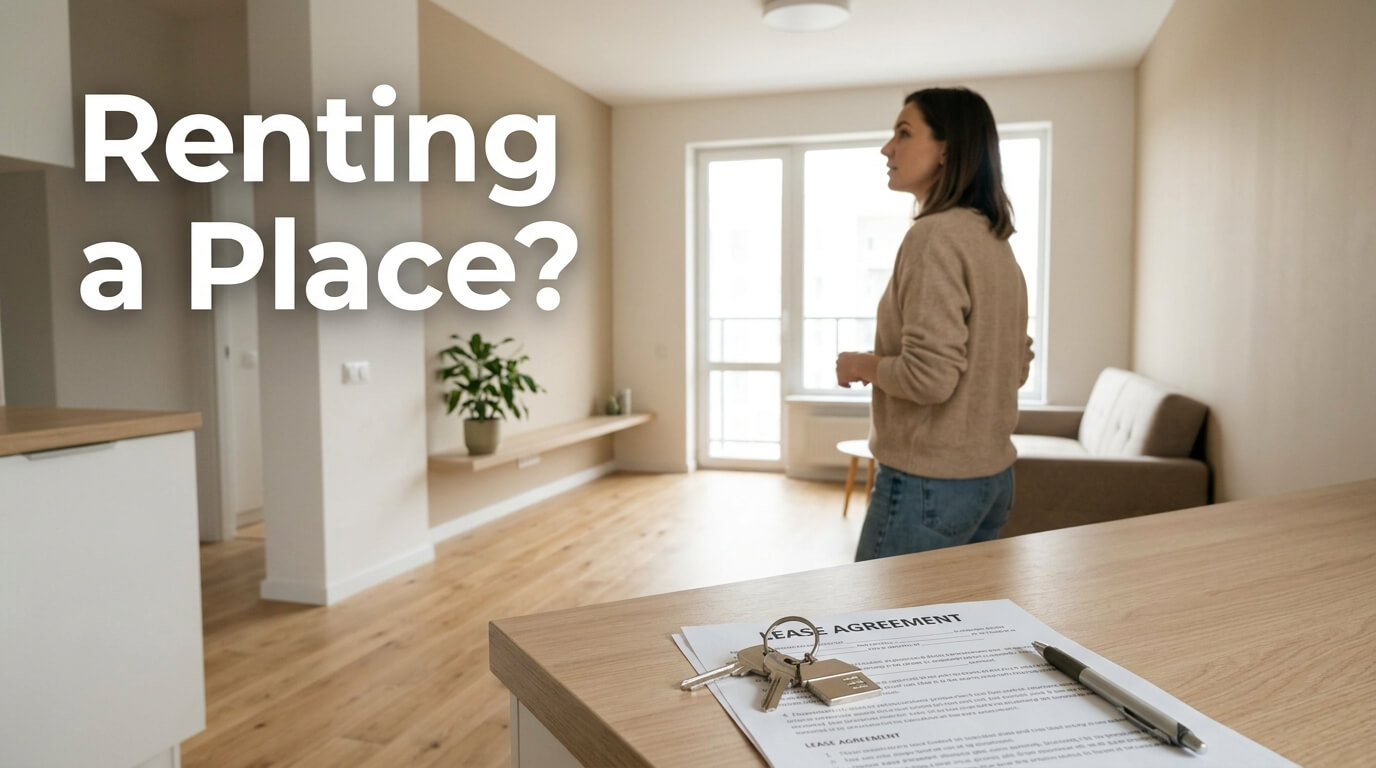
Finding a rental home involves more than choosing a property that looks attractive in photographs. If you’re wondering what are some important factors to consider when looking for a place to rent, start with your budget, location, property condition, safety, lease terms, and the landlord’s approach to maintenance. These factors influence how comfortable the home will be and whether you can afford to stay there without unnecessary financial pressure.
A property might seem perfect during a short viewing but become inconvenient because of expensive utilities, noisy neighbors, limited storage, or a long commute. Taking time to investigate these details before signing a lease can help you avoid unexpected costs and make a more confident decision.
What Should You Check First When Choosing a Rental Home?
Before scheduling multiple viewings, establish what you need from a property and what you can realistically afford. This makes it easier to compare listings objectively instead of choosing a home based on appearance alone.
Start with these priorities:
- Monthly budget: Calculate how much you can comfortably spend on rent, utilities, and other recurring expenses.
- Location: Consider your commute, access to everyday services, and the surrounding environment.
- Property condition: Look for signs of water damage, poor ventilation, faulty fixtures, and neglected maintenance.
- Safety and security: Check doors, windows, exterior lighting, entry systems, and access routes.
- Lease agreement: Understand the rental period, deposit conditions, fees, and rules before committing.
- Practical living space: Make sure the layout, storage, laundry facilities, and available amenities suit your routine.
The best rental property is not necessarily the cheapest or most attractive option. It is the one that balances affordability, convenience, condition, and your household’s needs.
1. Set a Realistic Rental Budget
Rent is usually the first figure people compare, but it does not represent the full cost of living in a property. Electricity, heating, water, internet, parking, maintenance charges, and other fees can increase your monthly expenses. Before choosing a home, calculate the likely total rather than relying on the advertised rent.
You should also account for the money needed before moving in. Depending on the property and local requirements, you may need to pay a security deposit, the first month’s rent, an application fee, moving costs, or other permitted charges.
How to Calculate the True Cost of Renting
| Expense | What to check |
|---|---|
| Monthly rent | Amount due and payment deadline |
| Utilities | Which services are included and which you pay separately |
| Security deposit | Amount, refund conditions, and permitted deductions |
| Application or administrative fees | Whether charges apply and whether they are refundable |
| Parking and amenities | Additional monthly or one-time costs |
| Moving expenses | Transportation, supplies, and setup costs |
| Rent increases | When increases may occur and what the lease allows |
Compare these expenses across several properties. An apartment with slightly higher rent may be more affordable overall if it includes utilities, offers convenient transportation, or requires fewer additional payments.
Keep an emergency reserve for unexpected expenses instead of committing every available dollar to the move. If the total cost leaves little room for food, transportation, savings, and other essentials, consider a less expensive property.
2. Choose a Location That Fits Your Daily Routine
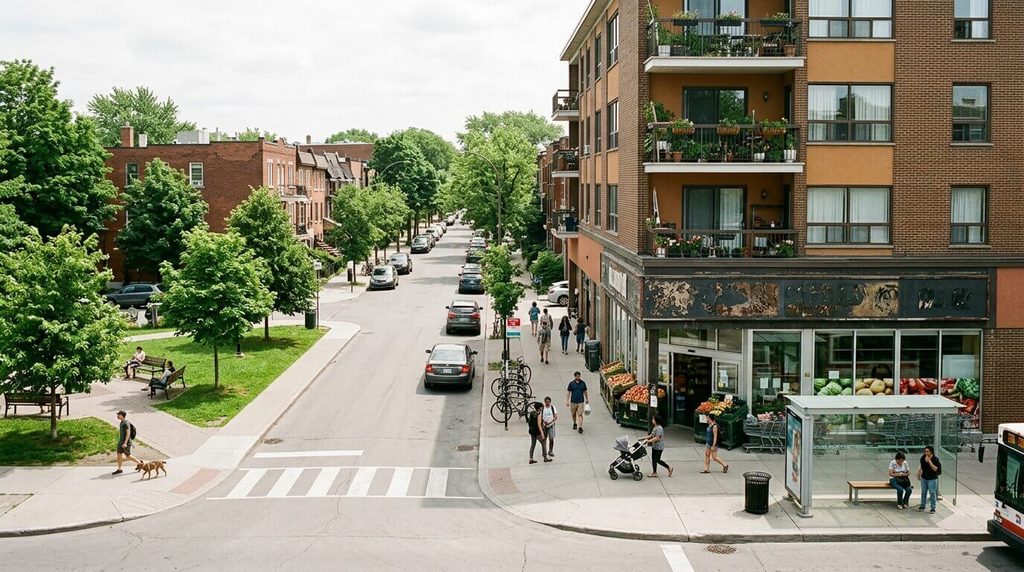
Location affects how much time you spend commuting, how easily you complete errands, and how comfortable you feel in your surroundings. A home that seems affordable may become less appealing if you need a car for every trip or spend hours traveling to work.
Before deciding, consider the following:
- Transportation: Check driving routes, public transit, parking availability, and typical travel times during your usual commute.
- Essential services: Look for grocery stores, pharmacies, healthcare facilities, and other places you visit regularly.
- Noise levels: Visit at different times to assess traffic, construction, nightlife, and activity around the building.
- Accessibility: Consider sidewalks, stairs, elevators, entrances, and access to public transportation.
- Environmental conditions: Investigate potential flooding, drainage issues, extreme weather exposure, or other hazards relevant to the area.
Try visiting the neighborhood on a weekday evening as well as during the day. A street that seems peaceful during a morning viewing may feel very different at night or during rush hour.
If you are comparing two properties, estimate the transportation costs and time required for each. This gives you a more realistic comparison than rent alone.
3. Inspect the Property’s Condition Before Signing

A fresh coat of paint and attractive furnishings can make a property look well maintained, but they do not guarantee that everything works properly. During a viewing, examine the rooms carefully and test the fixtures you are allowed to use.
Pay particular attention to these areas:
- Walls and ceilings: Look for water stains, peeling paint, cracks, or musty odors.
- Plumbing: Run taps, check water pressure, inspect visible pipes, and look beneath sinks for leaks.
- Electrical fixtures: Test lights and accessible switches, and look for damaged outlets or exposed wiring.
- Windows and doors: Check that they open, close, and lock properly.
- Heating and cooling: Ask how the systems work and whether they receive regular maintenance.
- Kitchen and bathroom: Inspect ventilation, drainage, appliances, and visible signs of moisture.
- Pests: Look for droppings, damaged packaging, gaps around pipes, or other signs of activity.
Moisture deserves particular attention because persistent dampness can lead to mold growth. The guidance on identifying and controlling household mold explains why water leaks should be addressed promptly and why renters should report ongoing moisture problems to the property manager.
Do not assume that a problem will be repaired simply because someone mentions it during the viewing. Ask for important repairs to be documented in writing, with a clear understanding of who is responsible and when the work will be completed.
4. Evaluate Safety and Security
A comfortable rental home should provide reasonable protection from common household hazards and unauthorized access. However, security involves more than whether a building has a gate or cameras. The condition of the locks, entry arrangements, lighting, and shared spaces also matters.
During your visit, check that exterior doors and accessible windows have functioning locks. Look at the lighting around entrances, stairways, parking areas, and walkways, and ask how visitors and deliveries enter the building.
Also check basic fire and emergency safety. Ask about smoke alarms, carbon monoxide alarms where appropriate, available exits, and the procedure for reporting urgent maintenance problems. If the property has shared corridors or staircases, make sure the escape routes are accessible and not obstructed.
The surrounding area deserves attention, too. Visit at different times, observe the general condition of the streets, and consider how comfortable you would feel arriving home after dark. Avoid relying entirely on online descriptions or assumptions about a neighborhood.
5. Read the Lease Agreement Carefully
A lease establishes the terms of your tenancy, including payment obligations, occupancy rules, and the conditions under which you can leave the property. Read the complete agreement before signing, even if the landlord or agent summarizes the main points for you.
Focus on these provisions:
- Lease duration: Confirm the start date, end date, and whether renewal is possible.
- Rent and payment terms: Check the amount, due date, accepted payment methods, and any late-payment provisions.
- Security deposit: Understand the conditions for deductions and the process for receiving the remaining balance.
- Maintenance responsibilities: Clarify which repairs the landlord handles and which duties fall to the tenant.
- Early termination: Check the notice period, potential fees, and conditions for ending the agreement early.
- House rules: Review restrictions involving pets, guests, smoking, parking, noise, and alterations.
- Additional charges: Make sure any required fees are explained and documented.
Rental laws vary by state and locality, so do not assume that every clause is enforceable simply because it appears in a contract. Review applicable local requirements and seek qualified legal advice if a provision is unclear or potentially conflicts with your rights.
For additional context, consult the federal fair housing protections and related obligations. These protections cover specified forms of housing discrimination, although the rules and available remedies can depend on the circumstances.
6. Check the Landlord’s Responsiveness and Maintenance Process
The landlord or property manager can have a significant effect on your rental experience. Even a well-maintained home may become difficult to live in if repair requests are ignored or responsibilities are unclear.
Ask how maintenance requests are submitted, who handles emergencies, and what happens when an appliance or essential system stops working. You can also ask how common areas are maintained and whether there are any planned repairs that could affect your use of the property.
Pay attention to the quality of communication during the viewing process. Clear answers, written explanations, and consistent information are useful signs that the rental arrangement is being handled professionally. Vague promises, repeated changes to the agreed terms, or pressure to pay immediately deserve closer scrutiny.
Before moving in, establish a written record of the property’s condition and any agreed repairs. This creates a clearer starting point if a disagreement arises later.
7. Make Sure the Space and Layout Meet Your Needs
A rental property should accommodate the way you actually live, not just look appealing during a short visit. Consider how many people will share the space, where you will work or study, how much privacy you need, and whether your furniture will fit comfortably.
Look beyond the advertised bedroom count. Storage cupboards, kitchen workspace, closet space, laundry facilities, natural light, and ventilation can all affect everyday comfort. If you own bulky furniture, measure important doorways and rooms before committing.
A smaller property can still work well when its layout is efficient. These practical home storage ideas can help you think about how shelves, closets, and other storage areas affect the usefulness of a living space.
Consider your future needs, too. A room that works for one person today might feel cramped if your household grows or you begin working from home more often.
8. Understand Utilities, Amenities, and Building Rules
Amenities can make a rental more convenient, but they should be evaluated alongside their cost and actual usefulness. A building might advertise a gym, laundry room, shared outdoor area, or parking, yet access could involve additional fees or restrictions.
Ask which utilities are included in the rent and which accounts you must arrange yourself. Find out whether heating and cooling are individually controlled, whether internet service is available, and whether shared facilities have usage rules or operating hours.
You should also clarify any restrictions that could affect your routine. For example, pet policies, guest parking, package delivery arrangements, quiet hours, and rules for using balconies may vary between properties.
Think carefully about which amenities you will use regularly. Paying extra for facilities you rarely need may not make sense when a simpler property offers better value.
9. Verify the Rental Listing Before Paying
Rental scams can involve copied photographs, misleading prices, fake landlords, or properties that are not actually available. A convincing listing does not prove that the person advertising it has permission to rent the property.
Take these precautions before sending money or personal information:
- Verify the property. Confirm that the address exists and that the property matches the listing.
- Check the person offering it. Establish whether you are dealing with the owner or an authorized representative.
- Arrange a viewing. Inspect the property yourself or arrange a trusted alternative when an in-person visit is not possible.
- Compare the price. Investigate unusually low rent or terms that seem far more attractive than comparable listings.
- Confirm the payment terms. Obtain a written explanation of deposits, fees, and payment deadlines.
- Keep records. Save the listing, communications, signed agreement, and receipts.
Be particularly cautious if someone demands immediate payment before allowing a reasonable verification process. Requests for deposits through gift cards, cryptocurrency, or wire transfers are serious warning signs because recovering the money may be difficult.
The official guidance on avoiding rental listing scams provides further steps for checking listings and protecting your money and personal information.
How Can You Compare Two Rental Properties?
When two properties appear equally attractive, a simple comparison can help you identify which one better suits your priorities. Instead of relying on memory, write down the advantages and disadvantages of each home after visiting.
| Factor | Property A | Property B |
|---|---|---|
| Total monthly cost | Record estimated rent and extras | Record estimated rent and extras |
| Commute | Compare normal travel time | Compare normal travel time |
| Condition | Note repairs or concerns | Note repairs or concerns |
| Safety | Record inspection findings | Record inspection findings |
| Lease terms | Note duration and restrictions | Note duration and restrictions |
| Space and storage | Assess layout and capacity | Assess layout and capacity |
| Management | Evaluate communication | Evaluate communication |
Give greater weight to the factors that matter most to your household. For example, a remote worker may prioritize quiet surroundings and a suitable workspace, while someone commuting daily may value transportation access more highly.
Do not let one attractive feature outweigh a serious concern. A spacious apartment may not be the right choice if its total cost is unaffordable or the landlord will not clarify important lease terms.
Common Mistakes to Avoid When Renting
Even careful renters can overlook details when they feel pressure to secure a property quickly. Keeping a short list of common mistakes can help you stay focused during the search.
- Choosing based on photographs alone: Pictures may not reveal noise, odors, maintenance issues, or the surrounding environment.
- Ignoring additional costs: A low advertised rent can become expensive after utilities, parking, and mandatory fees are added.
- Skipping the inspection: Small leaks, damaged locks, and faulty fixtures can become major inconveniences after moving in.
- Relying on verbal promises: Repairs, included amenities, and special arrangements should be documented where appropriate.
- Signing without reading: Unclear renewal provisions or early termination conditions can create avoidable problems.
- Paying before verification: Confirm the property and the other party’s authority before making a commitment.
- Failing to document existing damage: Missing records can make it harder to resolve disputes about the property’s condition or security deposit.
The goal is not to find a flawless property. It is to identify problems early, understand the trade-offs, and avoid committing to terms you cannot comfortably accept.
Frequently Asked Questions
What are the most important things to check before renting a house?
Start with the total cost, location, property condition, security, and lease agreement. You should also confirm who handles repairs, which utilities are included, and whether the property meets your household’s needs.
How much money should I save before renting a place?
Your savings should cover the required move-in payments, such as the first month’s rent and any applicable security deposit or fees, along with moving expenses. Keep an additional reserve for essential living costs and unexpected expenses after you move.
Is it better to rent an apartment or a house?
An apartment may offer convenient amenities, shared maintenance, and access to central locations, while a house may provide more privacy, outdoor space, or storage. The better choice depends on your budget, preferred location, household size, and willingness to handle different responsibilities.
What should I look for during a rental property viewing?
Inspect the plumbing, electrical fixtures, windows, doors, ventilation, appliances, and visible signs of water damage. Check the locks and access routes, test the fixtures you are permitted to use, and ask about any repairs that may be needed.
What questions should I ask a landlord before renting?
Ask about rent, deposits, additional fees, utilities, lease duration, renewal conditions, maintenance responsibilities, and rules concerning pets or guests. You should also ask how emergencies are handled and ensure important agreements are documented in writing.
How can I tell if a rental listing is a scam?
Be cautious of unusually low prices, pressure to pay immediately, refusal to allow reasonable verification, and payment requests involving gift cards or cryptocurrency. Verify the property and the identity or authority of the person offering it before sharing sensitive information or sending money.
Should I check the neighborhood before signing a lease?
Yes. Visit at different times to assess noise, traffic, lighting, transportation, and access to essential services. If flooding or other environmental hazards are relevant to the area, review the official flood hazard maps and consider how local conditions could affect the property.
What should I know about security deposits?
Confirm the amount, when it must be paid, the conditions for deductions, and how the deposit will be returned. Deposit limits, deadlines, and permitted deductions vary by jurisdiction, so check the rules that apply to your rental.
Can I negotiate the rent or lease terms?
You can ask whether the landlord is willing to negotiate rent, lease duration, move-in dates, or certain fees. Any agreed changes should be recorded in the signed lease or an appropriate written amendment rather than left as a verbal promise.
What should I do before moving into a rental property?
Complete a move-in inspection and photograph existing damage, including marks on walls, damaged flooring, and faulty fixtures. Record meter readings where relevant, confirm how to access utilities and building facilities, and keep copies of the lease, inspection records, and payment receipts.
Conclusion
Choosing a rental home requires balancing affordability, convenience, safety, and the condition of the property. When considering what are some important factors to consider when looking for a place to rent, remember that the best decision comes from checking the details rather than relying on attractive photographs or a low advertised price.
Before signing, calculate the full cost, inspect the property, review the lease, verify the landlord or agent, and make sure the location fits your daily routine. Take your time comparing suitable options, document important agreements, and walk away from a deal if serious concerns remain unresolved.
Before your next viewing, make a checklist of your budget, essential features, inspection points, and lease questions. A little preparation can help you choose a rental home that suits your needs today while giving you greater confidence about the months ahead.

