
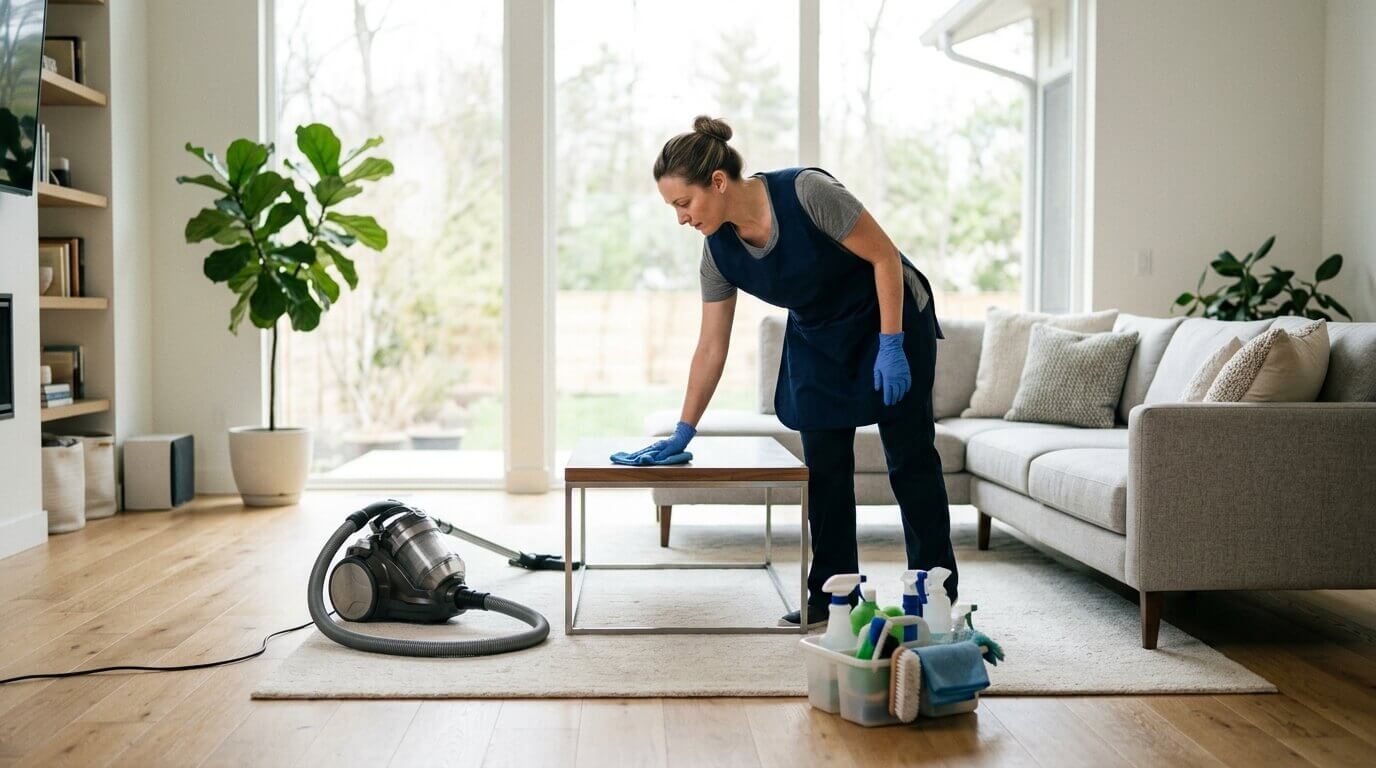
Professional cleaning services cover a range of tasks designed to maintain clean, hygienic, and organized residential and commercial spaces. Depending on the property and its requirements, these services may include routine housekeeping, deep cleaning, office sanitation, post-construction cleanup, and specialized cleaning for facilities that require additional precautions.
Understanding the available options helps homeowners, tenants, property managers, and businesses determine which tasks need regular attention and which require specialized equipment or training. Cleaning frequency, pricing, safety procedures, and the condition of the property can all influence the type of service selected.
This article explains the different types of professional cleaning services, including residential and commercial cleaning, specialized sanitation, routine housekeeping, and deep cleaning. It also covers pricing factors, service exclusions, safety considerations, and how to evaluate a cleaning provider.
What Types of Professional Cleaning Services Are Available?

Professional cleaning generally falls into several categories, including residential maintenance, commercial cleaning, specialized sanitation, and recurring housekeeping. The scope of each service depends on the property’s size, intended use, cleaning requirements, and the agreement between the client and the service provider.
Residential Cleaning
Residential cleaning focuses on maintaining the cleanliness of houses, apartments, and other living spaces. Typical tasks include dusting furniture, vacuuming carpets, mopping floors, wiping kitchen surfaces, and cleaning bathroom fixtures.
Some appointments focus on routine maintenance, while others address accumulated dirt in areas that receive less frequent attention. Homeowners may schedule cleaning weekly, every two weeks, monthly, or on a one-time basis.
The appropriate frequency depends on household size, the presence of pets, foot traffic, and individual preferences. Kitchens, bathrooms, entryways, and frequently used living areas often require more attention than rooms that receive limited use.
Commercial Cleaning
Commercial cleaning covers workplaces and other business premises, including offices, retail spaces, shared buildings, and customer-facing facilities. Tasks may include cleaning floors, emptying waste bins, wiping desks, sanitizing frequently touched surfaces, and maintaining shared kitchens and restrooms.
The schedule depends on occupancy, operating hours, the type of business, and applicable hygiene requirements. Some workplaces need daily attention, while others can maintain suitable conditions with less frequent visits.
Property managers may also arrange cleaning for shared hallways, lobbies, staircases, and other common areas. Clear task lists help distinguish routine cleaning from maintenance responsibilities and specialized sanitation work.
Specialized and Industrial Cleaning
Some environments require procedures beyond ordinary housekeeping. Laboratories, pharmaceutical facilities, healthcare settings, and certain industrial workplaces may have specific requirements for contamination control, disinfectants, equipment handling, and worker protection.
The appropriate method depends on the materials present, the potential hazards, and the facility’s operating procedures. Cleaning personnel may need specialized training, protective equipment, and approved products before working in these environments.
Post-construction cleaning is another distinct category. It can involve removing fine dust, collecting debris, cleaning windows and fixtures, and preparing surfaces for occupancy. The scope should account for leftover building materials and any substances that require separate handling.
Facilities with sensitive equipment or strict operational requirements may need providers offering mission-critical cleaning services. These environments require cleaning procedures that account for contamination risks, operational requirements, and facility-specific safety protocols. The appropriate scope of work depends on the setting, the materials involved, and the applicable standards.
What Is Included in Routine Maintenance and Recurring Housekeeping?
Recurring housekeeping involves cleaning a property on a planned schedule instead of waiting until dirt and clutter become difficult to manage. Visits may be weekly, biweekly, monthly, or arranged according to the property’s needs.
Weekly cleaning can suit busy households and heavily used spaces. Biweekly appointments provide regular upkeep with more time between visits, while monthly cleaning may be sufficient for properties with lighter use or for tasks that do not require weekly attention.
Recurring appointments often cover dusting, vacuuming, mopping, bathroom cleaning, kitchen surface care, and waste removal. However, the exact tasks vary by provider and service agreement.
Deep cleaning may be scheduled separately when accumulated grease, scale, dust, or other buildup requires additional time. Clients should confirm whether appliance interiors, cabinet interiors, baseboards, and other detailed tasks are included or priced separately.
Some providers offer reduced rates for recurring appointments, but discounts and cancellation terms vary. Comparing the total cost, included tasks, and scheduling conditions provides a clearer picture than considering the advertised rate alone.
If unpleasant smells persist despite routine cleaning, identifying their underlying cause is important. This guide explains why household odors return and what may help address them.
What Is the Difference Between Standard Cleaning and Deep Cleaning?
Standard cleaning and deep cleaning serve related but different purposes. Standard cleaning maintains everyday cleanliness, while deep cleaning addresses accumulated dirt and areas that are not routinely covered.
The distinction matters when deciding how much time a property needs and which tasks should be included in an appointment.
| Feature | Standard Cleaning | Deep Cleaning |
|---|---|---|
| Main focus | General upkeep and visible dirt | Accumulated grime and overlooked areas |
| Typical frequency | Weekly, biweekly, or monthly | Periodically or when needed |
| Kitchen | Wipe counters, clean sinks, and wipe appliance exteriors | Detailed grease removal, selected appliance interiors, and grout cleaning |
| Bathrooms | Clean toilets, showers, sinks, and floors | Detailed grout scrubbing, scale removal, and selected cabinet interiors |
| Living areas | Dust, vacuum, and wipe accessible surfaces | Clean baseboards, window sills, and selected light fixtures |
| Floors | Vacuum carpets and mop hard floors | Address suitable grout buildup and localized carpet stains |
| Level of detail | Routine surface cleaning | More intensive, detailed cleaning |
The tasks listed are typical examples rather than universal inclusions. Providers may define their packages differently, so the written scope of work should be checked before booking.
What Does Standard Cleaning Usually Include?
Standard cleaning focuses on maintaining a reasonable level of cleanliness throughout a home or workplace. Common tasks include dusting accessible surfaces, vacuuming carpets and rugs, mopping hard floors, and wiping commonly used furniture and countertops.
Kitchen cleaning may include wiping the sink and worktops, removing surface residue, and cleaning the outside of appliances. Bathroom tasks commonly include cleaning toilets, showers, tubs, sinks, mirrors, and floors.
The purpose is to remove ordinary dust, dirt, and everyday residue before it accumulates. Tasks such as cleaning inside ovens, washing walls, removing heavy grease, or treating extensive grout buildup may fall outside the standard package.
What Does Deep Cleaning Usually Include?
Deep cleaning addresses areas that are not covered during every routine visit. Depending on the agreement, this may include washing baseboards, cleaning window sills, removing heavier kitchen grease, scrubbing tile grout, and cleaning selected appliance interiors.
It may also involve detailed attention to bathroom fixtures, hard-to-reach accessible surfaces, and places where dust or residue has accumulated over time.
Deep cleaning can be useful before establishing a recurring cleaning schedule, after a period of limited maintenance, or when preparing a property for a change in occupancy. It does not automatically include every possible task, and some treatments require specialist equipment or a separate service.
What Tasks Are Usually Excluded From Standard Cleaning?
Standard cleaning packages generally focus on ordinary household or workplace surfaces. Tasks involving hazards, unusual physical risks, or specialized equipment may require a different provider.
Common exclusions can include:
- Biohazard cleanup: Blood, sewage, certain bodily fluids, and contaminated materials may require trained personnel and appropriate disposal procedures.
- Pest treatment: Insect infestations and rodent control generally require pest-management specialists.
- Heavy lifting: Moving large appliances or heavy furniture may be excluded because of injury and property-damage risks.
- High-access work: Exterior windows on multistory buildings, roofs, and other difficult-to-reach areas may require specialized access equipment and training.
- Mold remediation: Extensive mold growth or suspected contamination may require qualified assessment and remediation.
- Specialty equipment cleaning: Certain industrial machines, sensitive electronics, and controlled environments require procedures beyond general cleaning.
The exact exclusions vary by provider, property type, and contract. Before work begins, identify any hazardous materials or unusual conditions and confirm who is responsible for handling them.
Cleaning personnel should follow applicable workplace safety requirements and the product instructions for any chemicals used. Ordinary cleaning should not be treated as a substitute for professional remediation when a property contains significant contamination or another recognized hazard.
How Are Professional Cleaning Services Priced?
The cost of professional cleaning services depends on the work involved rather than a single universal rate. Several factors can affect the estimate.
- Property size: Larger homes and commercial spaces usually require more time and materials.
- Condition of the space: Heavy buildup, neglected areas, and post-renovation dust may increase the time required.
- Service type: Routine cleaning generally differs in scope from deep cleaning, post-construction cleanup, and specialized sanitation.
- Visit frequency: Recurring appointments may have different per-visit rates from one-time services.
- Labor and supplies: Staffing requirements, equipment, cleaning products, and the complexity of the work can affect the final price.
- Additional tasks: Appliance interiors, detailed grout cleaning, interior windows, and other add-ons may be charged separately.
Providers may quote a flat rate, an hourly rate, or an estimate based on the property’s size and condition. Each approach has advantages, but the quote should explain what is included and whether additional charges may apply.
Before accepting an estimate, confirm the expected duration, number of cleaners, included rooms, additional-task rates, and payment terms. Comparing quotes is more useful when each provider is pricing the same scope of work.
How Can You Evaluate the Quality and Reliability of a Cleaning Company?
Choosing a cleaning provider involves assessing more than the advertised price. Clear policies, appropriate insurance, staff training, and consistent communication can help establish whether a service is suitable for the property.
Background Checks and Staff Training
Ask how the provider screens its employees or contractors and what training they receive. The relevant requirements may differ between ordinary residential cleaning and work involving healthcare facilities, sensitive equipment, or hazardous materials.
Staff should understand the correct use of cleaning products, safe equipment handling, and procedures for protecting the property.
Insurance and Liability
Confirm whether the company carries appropriate liability insurance and what protection applies if accidental damage occurs. Bonding, where available, may offer a separate form of protection under specified circumstances.
Review the applicable terms rather than assuming that every provider offers identical coverage. It is also useful to ask how damage should be reported and what documentation may be required.
Cleaning Products and Environmental Considerations
Cleaning products should be appropriate for the surfaces, the task, and the people using the space. Some households may prefer fragrance-free products or products with particular environmental characteristics.
The terms green, natural, and non-toxic do not automatically establish that a product is harmless in every situation. Check the label, ventilation requirements, and handling instructions, particularly when children, pets, or people with sensitivities use the space.
Ventilation, suitable filtration, and regular maintenance also contribute to a healthier indoor environment. Additional considerations are covered in this guide to improving indoor air quality at home.
For workplaces, product selection should also account for the materials being cleaned and any relevant hygiene requirements.
Quality Checks and Complaints
Ask how the provider checks completed work and handles missed tasks or complaints. A written checklist, documented scope, and clear process for reporting problems can reduce misunderstandings.
A satisfaction guarantee may be useful, but its conditions should be reviewed. Find out whether the provider offers a re-clean, what the reporting deadline is, and which tasks are covered.
What Scheduling and Cancellation Policies Should You Check?
Cleaning appointments need clear scheduling arrangements, particularly when access to the property must be coordinated.
Before confirming a booking, review the following:
- Arrival windows: Find out whether the appointment has a fixed start time or a broader arrival window.
- Notifications: Ask whether the team sends an update before arrival.
- Access arrangements: Confirm how keys, entry codes, or building access will be handled securely.
- Cancellation terms: Check the notice period and any fees for late cancellations.
- Rescheduling: Ask how far in advance changes must be requested.
- Damage reporting: Understand the deadline and procedure for reporting accidental damage.
- Payment terms: Confirm when payment is due and whether additional work requires approval.
Policies differ between providers, so examples of fees or notification times should not be treated as industry-wide standards. Obtain the actual terms in writing before the first appointment.
How Can You Prepare a Property Before the Cleaners Arrive?
Preparing the space can help cleaners spend more time on the tasks included in the service. It also gives the property owner an opportunity to communicate priorities and identify items that need special care.
Clear Surface Clutter
Remove loose papers, toys, dishes, clothing, and personal items from the surfaces that need cleaning. This gives the team access to countertops, tables, and floors without requiring them to sort or move unrelated belongings.
For a larger organizing task, decluttering your home without feeling overwhelmed can help separate belongings that should be kept, donated, recycled, or discarded before the cleaning appointment.
Make Arrangements for Pets
Decide where pets will stay while cleaning takes place. Inform the provider about any animals on the property and explain any relevant access or safety considerations.
Arrange Safe Access
Confirm entry instructions before the appointment. If a lockbox, access code, or building representative is involved, share only the information necessary for the agreed service and use a secure method.
Explain Special Instructions
Identify surfaces that require delicate handling, rooms that should not be entered, and areas that need extra attention. Keep instructions specific and confirm whether the requested work is part of the quoted package.
Confirm Cleaning Supplies
Many providers bring their own supplies and equipment. If you prefer a particular product, confirm its suitability with the company and leave clear instructions about its intended use.
Empty Bins and Remove Ordinary Waste
Remove loose rubbish and make sure waste is ready for collection where necessary. If the job involves substantial renovation debris or bulky discarded items, plan a separate disposal arrangement. A guide to planning waste removal for a home project can help distinguish ordinary household waste from construction materials that may need different handling.
Frequently Asked Questions About Professional Cleaning Services
How much do professional cleaning services cost?
The cost depends on property size, condition, cleaning frequency, labor, and the tasks included. Some providers charge hourly rates, while others offer flat-rate estimates. Request a written quote that lists the included services and any additional fees.
What is included in a standard house cleaning?
Standard house cleaning commonly includes dusting, vacuuming, mopping, wiping kitchen countertops, and cleaning bathroom fixtures. Appliance interiors, heavy grease removal, and detailed grout cleaning may require a separate service.
When should you choose deep cleaning instead of regular cleaning?
Deep cleaning is useful when dirt has accumulated in areas that routine appointments do not cover. It may be appropriate before starting recurring housekeeping, after a period without regular maintenance, or when preparing a property for new occupants.
How often should you schedule professional house cleaning?
Weekly cleaning may suit busy households with pets or heavy foot traffic. Biweekly appointments provide regular upkeep, while monthly visits may work for homes that need less frequent attention. The best schedule depends on how the property is used.
Do professional cleaners bring their own equipment and supplies?
Many cleaning companies supply their own products, vacuums, mops, and other equipment. However, arrangements vary. Confirm what the service includes and discuss preferred products or delicate surfaces before the appointment.
Which cleaning tasks usually require additional charges?
Cleaning inside ovens and refrigerators, washing interior windows, removing heavy grease, and scrubbing extensive grout buildup may cost extra. The final price depends on the provider’s package and the condition of the property.
Are professional cleaning companies responsible for accidental damage?
Responsibility depends on the service agreement, applicable law, and the circumstances of the damage. Check the company’s liability insurance and reporting procedure before booking, and document any damage promptly if it occurs.
How can you prepare your home before a cleaning appointment?
Clear personal belongings from surfaces, arrange a safe location for pets, and provide secure access instructions. Identify delicate items and priority areas, and confirm that any additional tasks are included in the agreed service.
Conclusion
Professional cleaning services cover a variety of needs, from routine residential housekeeping and office maintenance to deep cleaning and specialized sanitation. The right service depends on the property’s condition, the type of work required, the available budget, and any relevant safety considerations.
Understanding the difference between standard and deep cleaning helps establish realistic expectations. Reviewing pricing, insurance, staff training, scheduling rules, and service exclusions can also reduce misunderstandings.
Before arranging a cleaning appointment, identify the tasks that matter most, compare providers using the same scope of work, and confirm the terms in writing. A clear plan makes it easier to maintain clean and functional spaces while ensuring that specialized or hazardous tasks receive appropriate attention.

