
Key Takeaways
- Interior paint can need attention long before it looks severely damaged.
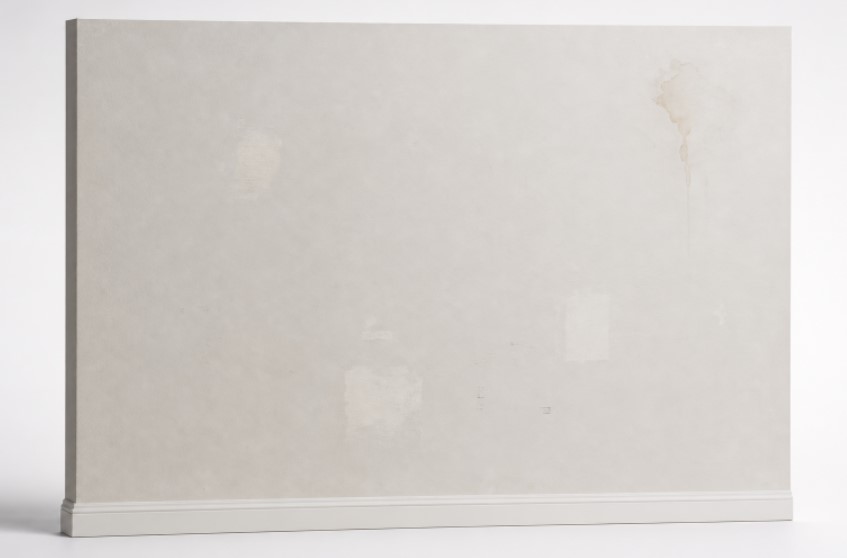
- Fading, stains, scuffs, peeling, water marks, and visible repairs are common warning signs.
- Moisture, mold, and bubbling paint should be addressed at the source before repainting.
- A new color or finish can make a room feel cleaner, brighter, and more cohesive.
- Older homes may require lead-safe precautions before sanding or scraping paint.
Interior paint works hard every day. It absorbs sunlight, handles fingerprints and furniture bumps, and helps define the mood of each room. When walls begin to look tired, homeowners can use the condition of the surface, not just the calendar, to decide whether a refresh is worthwhile. Experienced Auburn painters can also help identify whether a problem is simply cosmetic or connected to moisture, drywall damage, or an old coating.
Paint life varies by room, finish, product quality, ventilation, and daily traffic. A quiet guest bedroom may stay in good shape for years, while a hallway, kitchen, bathroom, or playroom can show wear much sooner. Here are 10 signs that your interior walls may be ready for a reset.
1. The Color Looks Faded or Uneven
Sunlight can gradually reduce a paint color’s richness, especially in south-facing rooms and near large windows. Compare the wall behind the artwork or furniture with the exposed areas around it. If the difference is noticeable, repainting the entire wall usually yields a more uniform result than touching up isolated sections.
2. Stains and Scuff Marks Will Not Come Clean
Fingerprints, cooking residue, pet marks, crayons, and furniture scuffs can make a room look neglected even when it is otherwise clean. Repeated scrubbing may dull lower-sheen finishes or remove paint in small spots. If cleaning no longer restores the surface, consider repainting in busy areas with a durable eggshell or satin finish.
3. Paint Is Peeling, Cracking, or Bubbling
Loose, cracked, or bubbling paint is more than a visual issue. It can result from moisture, poor adhesion, surface movement, or incompatible older coatings. Do not paint directly over failed areas. First, identify the cause, remove loose paint, repair the surface, prime where needed, and then apply new paint.
4. Water Stains Keep Coming Back
Brown, yellow, or gray discoloration on ceilings and walls can indicate a roof leak, a plumbing issue, a window problem, or excessive humidity. Repainting alone will not solve an active moisture problem. Check bathrooms, ceilings below plumbing, window trim, and areas near exterior walls, then arrange repairs before sealing and repainting the stain.
5. Mold or Mildew Appears on the Walls
Recurring mildew often signals poor ventilation or trapped moisture. A small surface spot may be manageable with careful cleaning and drying, but larger or repeated growth deserves closer attention. Improve airflow, repair leaks, and ensure the wall is completely dry before applying a coating suited to damp spaces.
6. Wall Repairs Stand Out
Nail holes, dents, patched drywall, removed shelving, and repaired cracks can remain visible even with the original paint color. Paint ages, and sheen can change over time, so spot touch-ups may flash in certain light. Repainting the complete wall often produces the cleanest finish.
- Fill holes and cracks.
- Sand rough patches smooth.
- Remove all sanding dust.
- Prime repaired or stained areas.
- Apply even coats across the full wall.
7. The Room Feels Dark, Flat, or Unwelcoming
Color and finish influence how both natural and artificial light moves through a room. Warm whites, soft neutrals, gentle blues, muted greens, and carefully chosen accent colors can make a space feel more intentional. Test larger samples at different times of day, since a color that looks bright in morning light may appear dull at night.
8. The Color No Longer Fits the Home
Furniture, flooring, artwork, lighting, and personal taste all change. A wall color that once felt right may now seem too cool, too dark, or disconnected from the rest of the home. Choose colors based on the room’s purpose, then view samples beside trim, counters, fabrics, and flooring before making a final decision.
9. Preparing to Sell the Home
Clean walls and repaired surfaces can help a home feel maintained and easier for buyers to picture as their own. A consistent, neutral palette through connected living spaces often creates a calmer impression. Practical guidance on when to repaint a wall also supports addressing faded color, visible damage, and dated finishes before listing.
10. The Interior Has Not Been Updated in Many Years
Age alone does not mean every room needs paint, but it is a good reason to inspect the interior closely. Start with high-use spaces, then assess color, sheen, stains, repairs, and wear together. Hallways, kitchens, bathrooms, trim, and entryways often need attention before bedrooms or formal living areas.
Safety Checks for Older Homes
If your home was built before 1978, take extra care before sanding, scraping, or removing old paint. Disturbing lead-based paint can create hazardous dust, particularly during larger repair or renovation work. The EPA rules for lead-safe renovation work explain when certified professionals and specific work practices may be required. When in doubt, have older coatings assessed before beginning prep.
Should You Repaint One Room or the Whole Home?
A single-room repaint makes sense when one area has concentrated damage or a clear color problem. A whole-home project may be more suitable when connected rooms have inconsistent colors, widespread wear, or multiple outdated finishes. To reduce disruption, prioritize the rooms used most often and complete the work in stages if necessary.
How to Prepare for an Interior Repaint
- Walk through each room and note stains, damage, and repairs.
- Resolve leaks, damp spots, mold, and damaged drywall first.
- View paint samples in daylight and under evening lighting.
- Choose a finish based on traffic and cleaning needs.
- Remove décor, move furniture, and protect floors and fixtures.
- Allow for drying time, airflow, and a final daylight inspection.
Let the Walls Tell You When It Is Time
Faded color, stubborn marks, peeling paint, water stains, and outdated tones are all useful signals. A careful room-by-room inspection helps you choose the right scope, preparation, and paint finish for a smoother interior refresh.

