
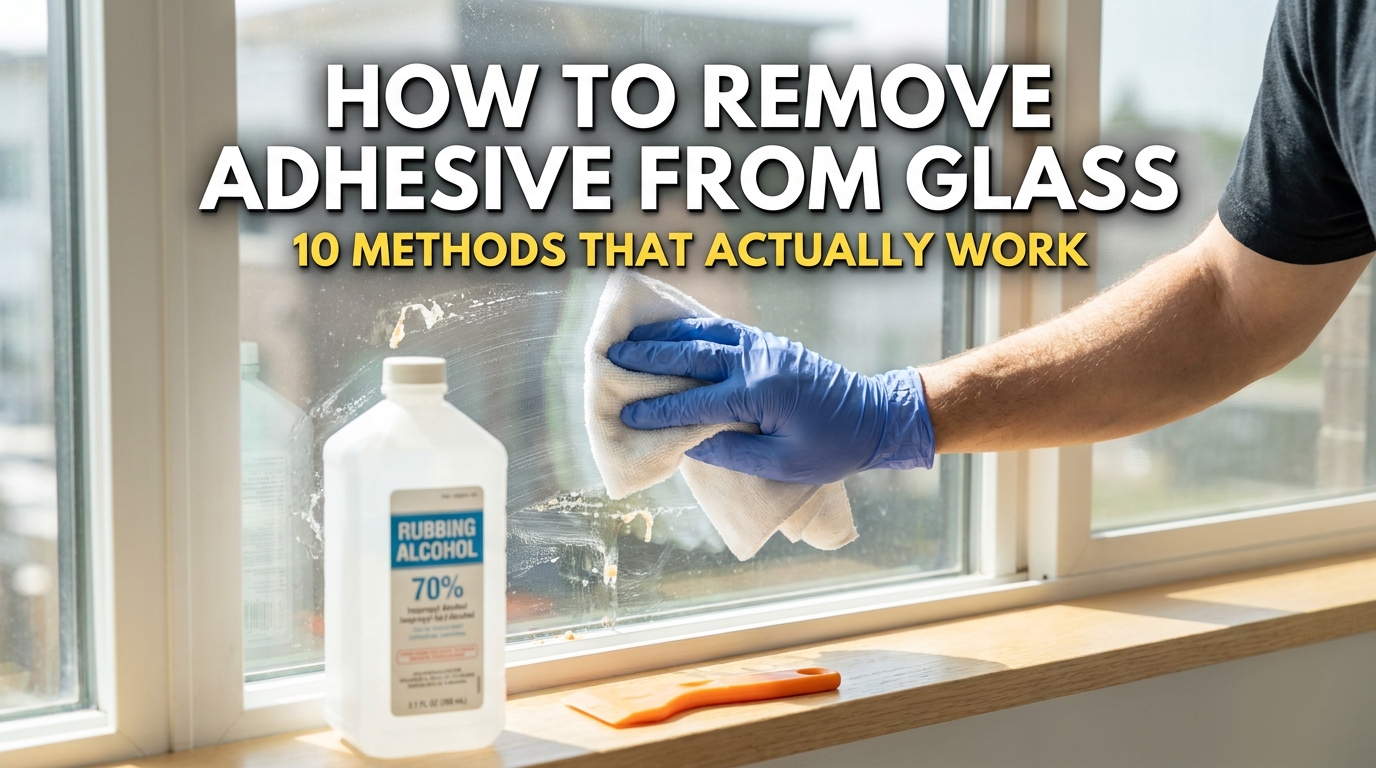
You peel off a price sticker from a glass vase, and there it is — that stubborn, sticky ghost of glue that just won’t quit. Or maybe you removed old window tape after winter and now your window looks like it survived a craft project. Sound familiar?
Adhesive residue on glass is one of those small annoyances that feels way harder to deal with than it should be. The good news? You probably already have everything you need to fix it sitting in your kitchen or bathroom cabinet right now.
In this guide, you’ll learn exactly how to remove adhesive from glass using 10 proven methods — from everyday household items like cooking oil and dish soap to more powerful solvents like acetone and rubbing alcohol. Each method is explained clearly so you can pick the right one based on what you have on hand and how stubborn the residue is.
Let’s get that glass sparkling clean again.
What Causes Adhesive to Stick on Glass?
Before diving into solutions, it helps to understand why adhesive clings so hard to glass surfaces.
Glass is non-porous and smooth, which sounds like it should make things easier to remove. But that same smoothness allows adhesives — especially pressure-sensitive ones used in stickers, tapes, and labels — to bond tightly at the molecular level.
According to 3M’s adhesive science resources, pressure-sensitive adhesives (PSA) work through a combination of surface contact and chemical bonding. The longer a sticker or tape stays on glass, the deeper the bond becomes. Heat and sunlight can make this even worse by curing the glue.
That’s why fresh adhesive is always easier to remove than old, baked-on residue.
What You’ll Need (General Supplies)
Most methods in this guide require only a few basic items:
- Plastic scraper or old credit card
- Microfiber cloth or clean rags
- Warm soapy water
- One of the solvents or agents listed in the methods below
- Rubber gloves (especially for chemical methods)
10 Methods to Remove Adhesive from Glass
Method 1: Rubbing Alcohol (Isopropyl Alcohol)
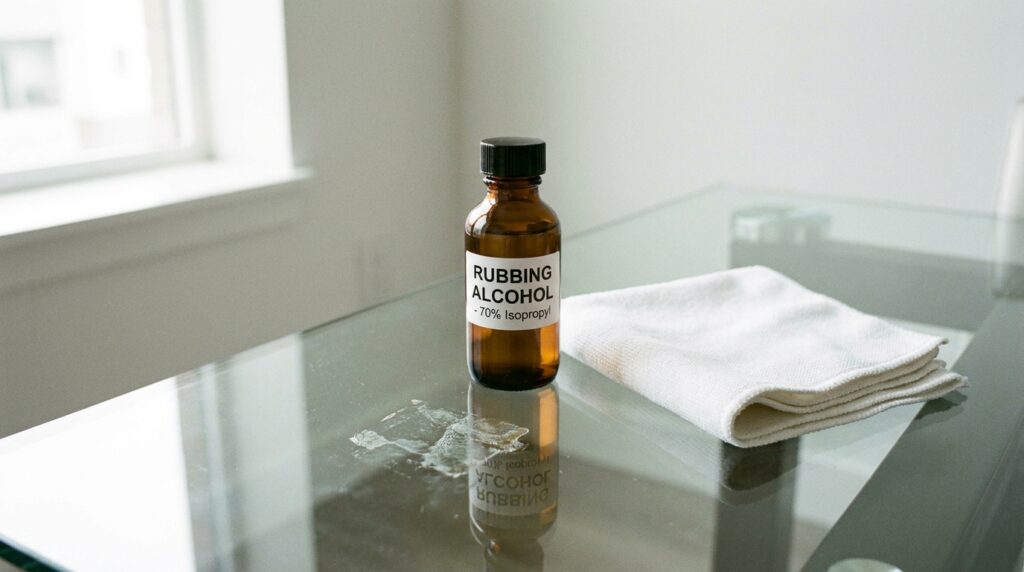
Best for: Sticker residue, tape glue, label adhesive
Rubbing alcohol is one of the most reliable solvents for dissolving adhesive on glass. It works by breaking down the polymer chains in the glue without damaging glass.
How to use it:
- Pour a small amount of isopropyl alcohol (70% or 91%) onto a clean cloth.
- Press the cloth against the adhesive and let it sit for 30–60 seconds.
- Rub in circular motions, applying moderate pressure.
- Wipe clean with a dry cloth.
- Rinse with water to remove any residue.
Pro Tip: 91% isopropyl alcohol works faster than 70% because it has less water content. You can find it at most pharmacies.
Method 2: Cooking Oil or Olive Oil
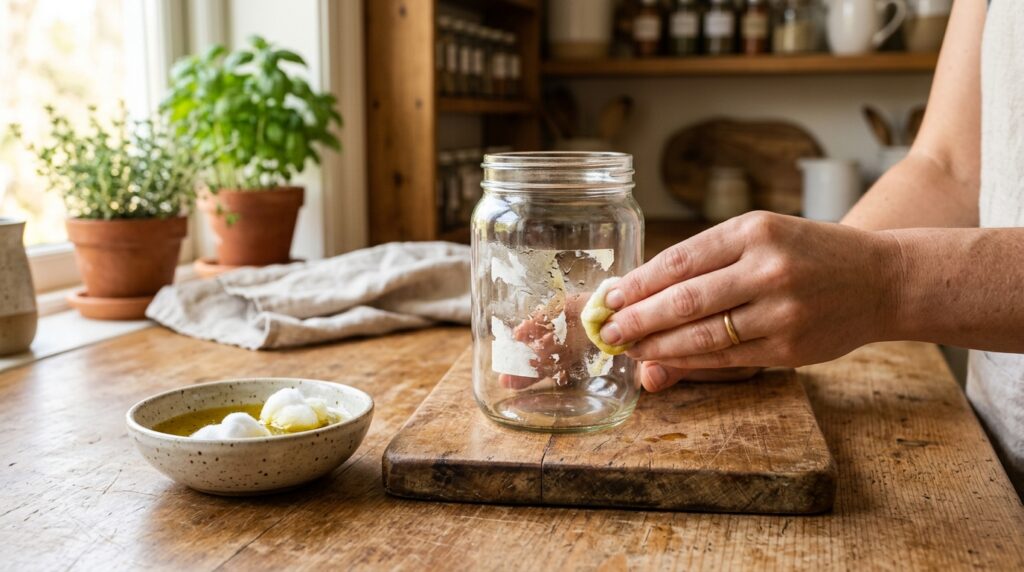
Best for: Light adhesive from stickers on bottles, jars, or kitchen glassware
This is the most beginner-friendly and completely non-toxic method. Oils work by penetrating under the adhesive layer and loosening its grip on the glass surface.
How to use it:
- Apply a generous amount of cooking oil (olive, vegetable, or coconut) directly onto the sticky area.
- Let it soak in for 5–10 minutes.
- Rub with a cloth or sponge using circular motions.
- Wash the area with dish soap and warm water to remove the oil.
This method is ideal for glassware you use for food, since there are no harsh chemicals involved.
Method 3: WD-40
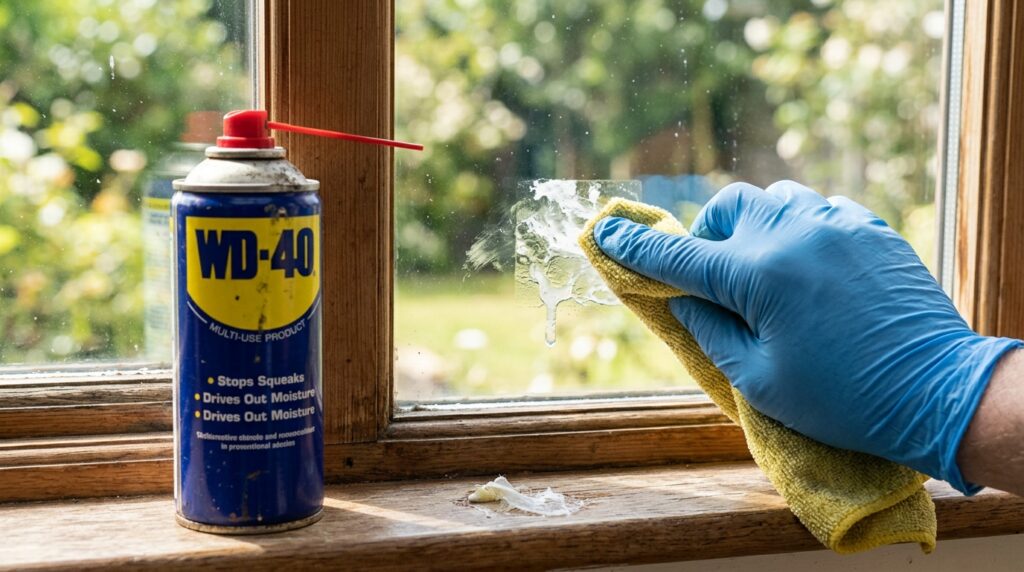
Best for: Stubborn residue, dried tape adhesive, windshield sticker removal
WD-40 is well-known as a lubricant, but it’s also surprisingly effective at dissolving adhesive residue on glass.
How to use it:
- Spray a small amount of WD-40 directly on the adhesive.
- Let it sit for 1–2 minutes.
- Scrub with a cloth or plastic scraper.
- Clean the area thoroughly with soap and water to prevent a greasy film.
Caution: WD-40 leaves an oily residue. Always follow up with a glass cleaner like Windex for a streak-free finish.
Method 4: Nail Polish Remover (Acetone)
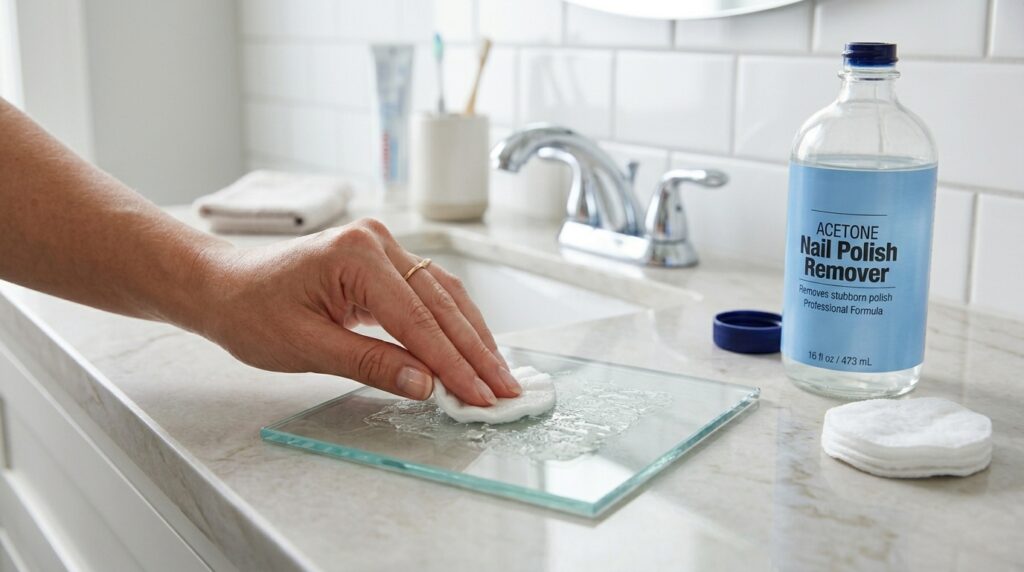
Best for: Very stubborn, old, or thick adhesive — super glue on glass
Acetone is one of the strongest common solvents available without a trip to a hardware store. It dissolves most adhesives rapidly, including super glue (cyanoacrylate).
How to use it:
- Put on rubber gloves — acetone can dry out your skin.
- Soak a cotton ball in acetone-based nail polish remover.
- Hold it on the adhesive for 30 seconds.
- Rub firmly until the adhesive lifts off.
- Clean thoroughly with soap and water.
Important Note: Do NOT use acetone on tinted glass, plastic-coated glass, or mirrored surfaces, as it can damage finishes. For plain clear glass, it is safe.
Method 5: White Vinegar
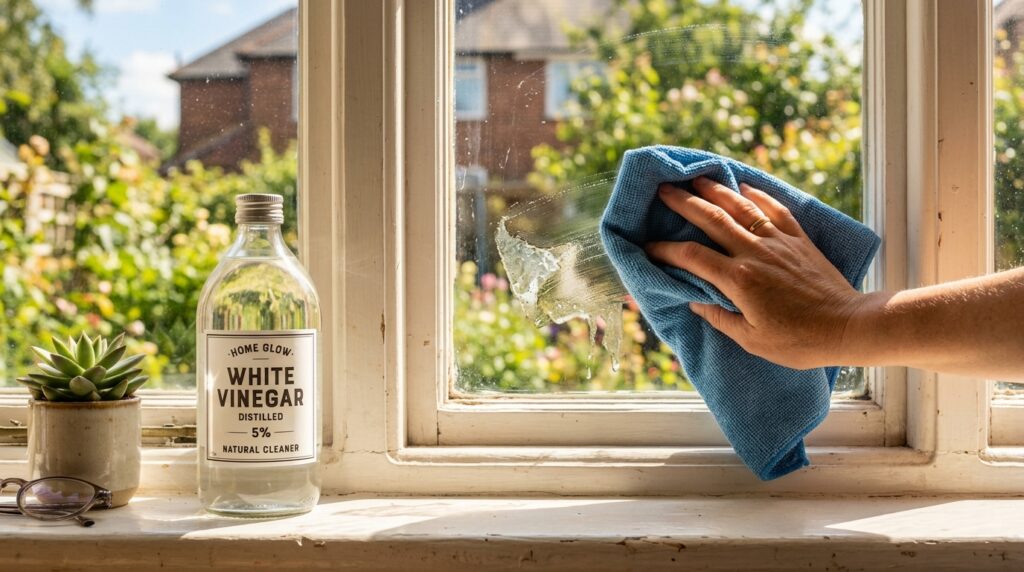
Best for: Light sticker residue, window decals, general label glue
White vinegar is a mild acid that breaks down adhesive without any harsh chemicals. According to the American Cleaning Institute, vinegar is safe for most non-porous surfaces including glass.
How to use it:
- Heat white vinegar slightly in the microwave (30 seconds).
- Soak a cloth with the warm vinegar.
- Press it against the adhesive and let it sit for 3–5 minutes.
- Rub off the loosened adhesive.
- Rinse with clean water.
Warm vinegar is more effective than cold because heat helps accelerate the acid’s action on the glue.
Method 6: Dish Soap and Warm Water (The Soak Method)
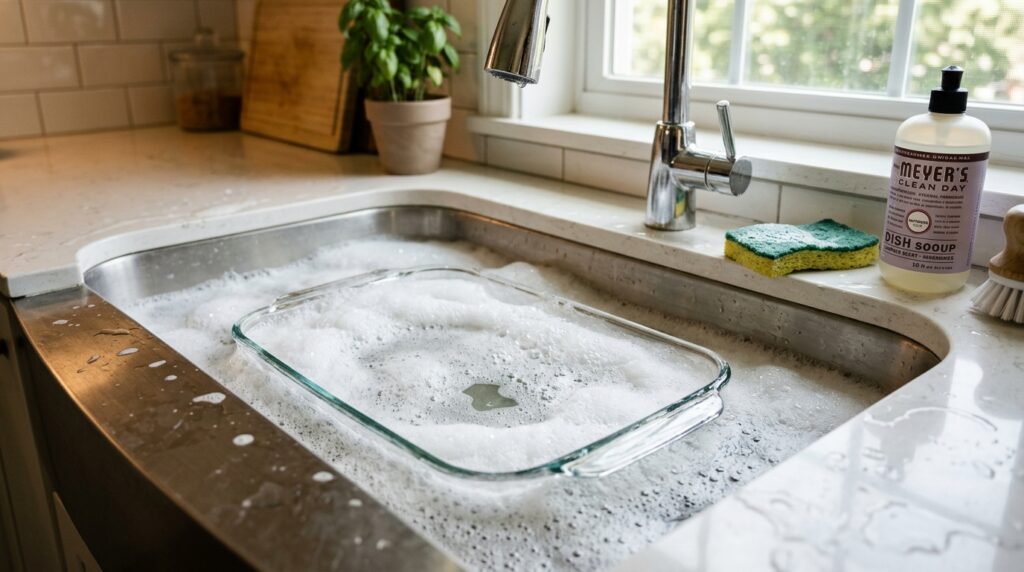
Best for: Removable labels on bottles, jars, and glasses that can be submerged
This is the simplest possible approach — and it works surprisingly well for water-soluble adhesives.
How to use it:
- Fill a sink or bowl with hot water and a few drops of dish soap.
- Submerge the glass item completely.
- Let it soak for 20–30 minutes.
- Peel or rub off the label and adhesive.
- Rinse and dry.
This method won’t work for all adhesives — especially those designed for outdoor or permanent use — but it’s the safest starting point.
Method 7: Goo Gone or Adhesive Removers
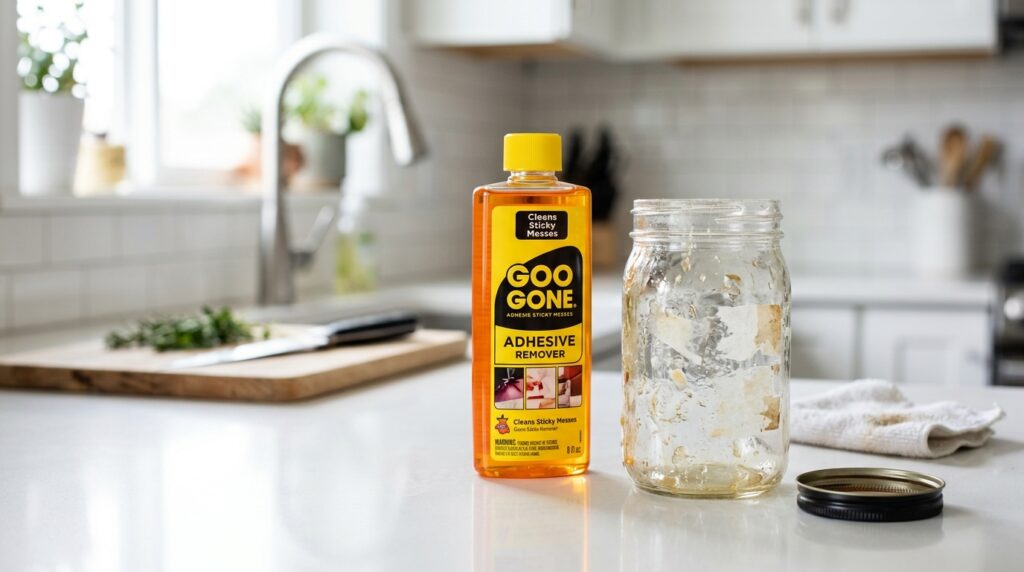
Best for: Any type of adhesive, especially heavy-duty or commercial glue
Goo Gone is one of the most popular commercial adhesive removers on the market. It contains a citrus-based solvent that breaks down sticky residue without damaging surfaces.
How to use it:
- Apply Goo Gone directly to the adhesive.
- Wait 3–5 minutes for it to penetrate.
- Wipe away with a clean cloth.
- Wash the surface with soap and water.
Goo Gone is widely available at grocery stores, hardware stores, and online. It’s safe for glass and one of the most foolproof options in this guide.
Method 8: Baking Soda + Cooking Oil Paste
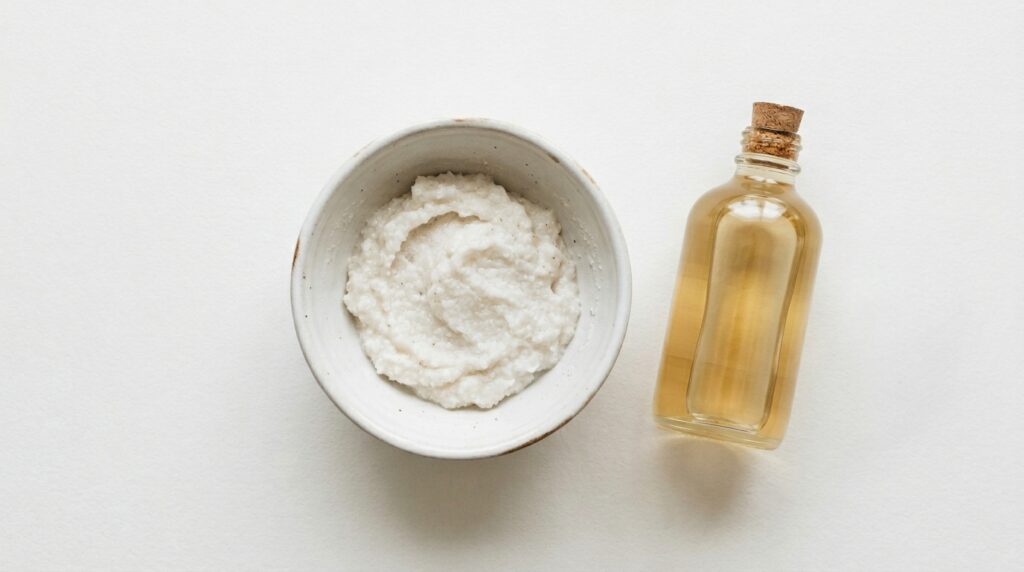
Best for: Natural, chemical-free adhesive removal; eco-conscious households
This DIY paste combines the mild abrasive power of baking soda with the penetrating action of oil.
How to use it:
- Mix equal parts baking soda and cooking oil to form a paste.
- Apply the paste to the sticky area.
- Let it sit for 5 minutes.
- Rub in circular motions with a cloth.
- Wash off with dish soap and water.
This is one of the gentlest methods and is especially useful for decorative glassware you don’t want to risk damaging with chemicals.
Method 9: Heat (Hair Dryer or Heat Gun)
Best for: Thick, old stickers, window film adhesive, automotive decals
Heat softens the adhesive by expanding the glue molecules, making it pliable and much easier to peel or wipe away.
How to use it:
- Hold a hair dryer 2–3 inches from the adhesive.
- Heat on medium-high for 30–60 seconds.
- While still warm, use a plastic scraper or your fingernail to peel the adhesive away.
- Wipe off any remaining residue with alcohol or oil.
Safety Note: Be careful not to overheat glass, especially thin glass, as thermal shock can cause cracking. Keep the dryer moving rather than focusing on one spot.
Method 10: Razor Blade Scraper (For Flat Glass)
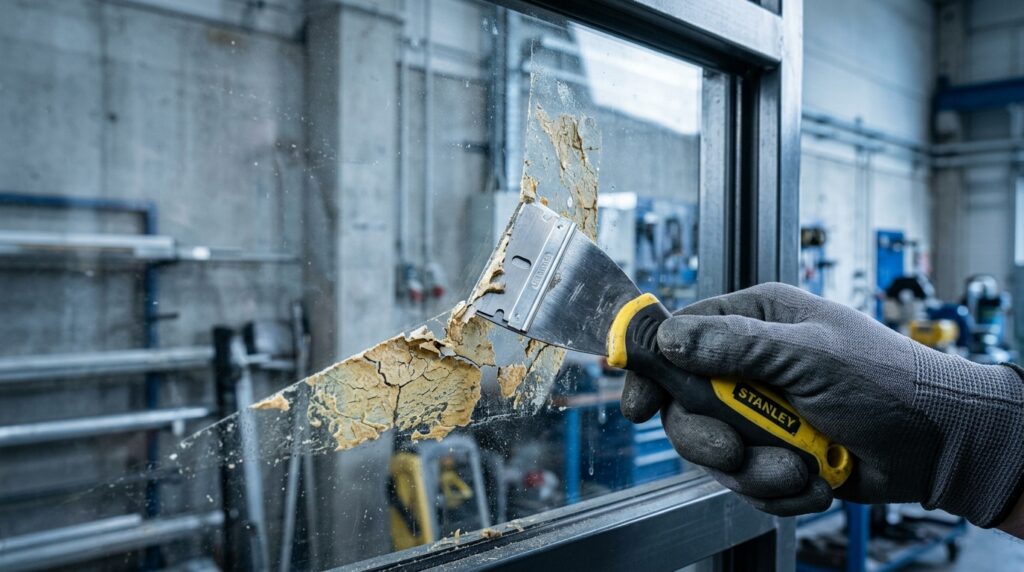
Best for: Large flat glass surfaces like windows, mirrors, and glass doors
A razor blade scraper is the go-to tool for professional window cleaners and is safe when used correctly on flat glass surfaces.
How to use it:
- Wet the glass surface first with soapy water or a glass cleaner.
- Hold the razor scraper at a 15–30 degree angle — never perpendicular.
- Gently slide the blade under the adhesive, using short strokes.
- Wipe up the loosened adhesive with a cloth.
- Finish with a glass cleaner for a streak-free shine.
Important: Only use this on flat, tempered, or plate glass. Never use razor scrapers on curved glass, coated glass, or specialty glass finishes.
Which Method Should You Use?
| Method | Best For | Difficulty | Chemical-Free | Cost |
|---|---|---|---|---|
| Rubbing Alcohol | General adhesive | Easy | No | Low |
| Cooking Oil | Light stickers | Very Easy | Yes | Very Low |
| WD-40 | Stubborn residue | Easy | No | Low |
| Acetone | Super glue, thick adhesive | Moderate | No | Low |
| White Vinegar | Light glue, windows | Easy | Yes | Very Low |
| Dish Soap + Water | Water-soluble labels | Very Easy | Yes | Very Low |
| Goo Gone | Any adhesive | Easy | No | Medium |
| Baking Soda + Oil | Natural removal | Easy | Yes | Very Low |
| Heat (Hair Dryer) | Old/thick stickers | Moderate | Yes | Low |
| Razor Blade | Flat glass surfaces | Moderate | Yes | Low |
Expert Tips: What Professional Window Cleaners Do
We spoke to industry best practices used by professional glass and window cleaning services. Here’s what experts consistently recommend:
- Always start with the mildest method and escalate only if needed. Olive oil or soapy water first — chemicals as a last resort.
- Never use steel wool or abrasive scrubbers on glass. They cause micro-scratches that collect dirt over time and permanently damage clarity.
- Work in the shade on a cool day when removing adhesive from exterior windows. Direct sunlight causes solvents to evaporate too quickly before they can work.
- The 45-degree angle rule for scrapers prevents gouging and keeps the blade from catching imperfections in the glass.
- According to The International Window Cleaning Association (IWCA), the most common professional tool is a simple razor scraper combined with a citrus-based cleaner — a combination that’s effective on almost any glass surface.
How to Remove Adhesive from Specific Glass Surfaces
Removing Adhesive from Car Windows
Car windows, especially windshields, often accumulate registration stickers, parking decals, and film adhesive. For these:
- Use a razor blade scraper with automotive glass cleaner.
- For film residue, apply rubbing alcohol generously and let it sit before wiping.
- For tinted windows, avoid acetone — it can dissolve window tint film. Stick with soapy water or Goo Gone.
The National Windshield Repair Association recommends gentle plastic scrapers over metal blades for aftermarket tinted windows.
Removing Adhesive from Glass Stovetops
Glass stovetops require extra care because they can scratch easily and involve food surfaces.
- Use baking soda + oil paste or dish soap only.
- A plastic scraper designed for glass stovetops is safer than metal.
- Never use acetone or WD-40 on cooking surfaces.
Removing Adhesive from Glass Bottles and Jars
For recycled or repurposed glass jars and bottles:
- Start with the soak method (warm soapy water).
- Follow with cooking oil for any remaining stickiness.
- This combo handles almost every food-grade label adhesive.
What NOT to Do When Removing Adhesive from Glass
Avoiding mistakes can save you from cracking glass, leaving scratches, or making the mess worse:
- Don’t use steel wool or harsh scrubbers — these cause permanent scratches.
- Don’t use acetone on tinted, frosted, or coated glass — it damages specialty coatings.
- Don’t apply dry heat to cold glass — rapid temperature change can cause cracking (thermal shock).
- Don’t use sharp metal objects freehand — always use a proper razor blade scraper at the correct angle.
- Don’t let chemical solvents pool — wipe up excess immediately and ventilate the room.
FAQs: How to Remove Adhesive from Glass
1. What is the fastest way to remove adhesive from glass?
The fastest method is using rubbing alcohol or acetone applied with a cotton ball. Let it sit for 30–60 seconds, then rub firmly. For large areas, a razor blade scraper combined with soapy water is the quickest professional approach.
2. Does WD-40 remove adhesive from glass?
Yes, WD-40 is effective at dissolving sticky adhesive residue from glass. Spray it on, let it sit for 1–2 minutes, then wipe away. Always follow up with glass cleaner since WD-40 leaves an oily residue.
3. How do I remove super glue from glass?
Super glue (cyanoacrylate) is best removed with acetone. Apply acetone-based nail polish remover to a cotton ball, hold it on the super glue for 30 seconds to a minute, and then carefully scrape or rub it away. For very thick super glue, you may need multiple applications.
4. Is it safe to use a razor blade on glass?
Yes, when used correctly. Hold the blade at a 15–30 degree angle and always wet the glass surface first. Never use a razor blade on tinted, coated, or specialty glass, and always use a proper safety scraper tool rather than a bare blade.
5. How do I remove old, dried adhesive from glass windows?
Old, dried adhesive requires a stronger approach. Start by applying heat with a hair dryer to soften the residue. Then use a plastic or razor blade scraper to lift it, followed by rubbing alcohol to clean up any remaining stickiness. For large window areas, commercial products like Goo Gone work extremely well.
Conclusion
Removing adhesive from glass doesn’t have to be a frustrating battle. Whether you’re dealing with a stubborn price sticker on a vase, old tape residue on a window, or super glue on your car windshield, there’s a method in this guide that will handle it.
Here’s the quick recap:
- Mildest and safest: Cooking oil, dish soap, or warm vinegar
- Most versatile: Rubbing alcohol
- Strongest: Acetone or commercial adhesive remover like Goo Gone
- Best for large flat glass: Razor blade scraper
Start gentle and escalate only if needed. Most everyday adhesive residue dissolves quickly with just a bit of oil or alcohol — no expensive products required.
Got glass that needs cleaning beyond adhesive? A quality microfiber glass cleaning cloth paired with a classic glass cleaner will leave any surface streak-free and sparkling.

